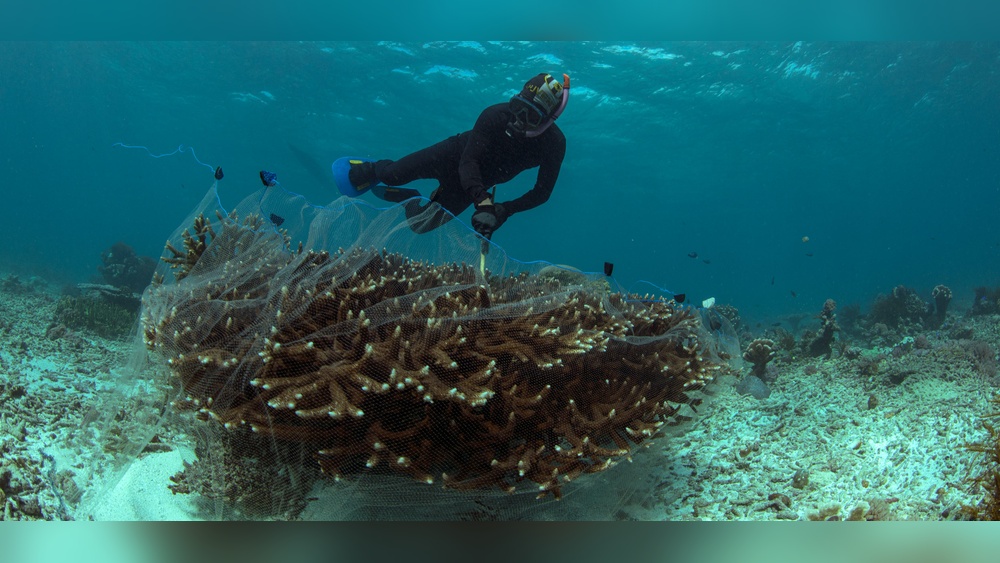
Fishing is a way of life for millions, but coral reefs face real threats from overfishing. As fishing technology improves and demand for seafood grows, the question of how much fishing a reef can handle is more important than ever.
Scientists often use “model reefs” to study this. These are computer or mathematical models built to simulate real coral reef ecosystems. They help researchers test how much net fishing a reef can take before it starts to collapse. But how do we know what is “too much”?
And what can these models really tell us about sustainable fishing?
Let’s dive into the science behind model reefs, explore how much net fishing they can support, and what factors make the difference between a thriving ecosystem and an empty wasteland. If you care about the future of oceans, fisheries, and coral reefs, this guide will help you understand the balance between fishing and conservation.
Understanding Model Reefs
A model reef is not a real piece of coral in the ocean. Instead, it is a set of equations, computer code, or a digital simulation that mimics how a coral reef works. Researchers use real-world data—like fish populations, water temperature, coral cover, and fishing rates—to build these models. The goal is to predict what will happen if fishing pressure goes up, down, or stays the same.
Model reefs are important because real reefs take years or even decades to show the effects of fishing. With a simulation, we can see the long-term impact of different fishing levels in days or weeks. These models help managers decide how much fishing is sustainable and when to say “enough.
”
There are several types of model reefs:
- Single-species models focus on one fish type (like grouper).
- Ecosystem models look at the whole food web, including coral, algae, and many fish species.
- Spatial models map where fishing happens on the reef.
- Age-structured models track young and old fish separately.
Each type offers unique insights, but all try to answer: How much fishing is too much?
Key Factors That Control Net Fishing Impact
The amount of net fishing a model reef can support depends on many factors. Here are the most critical:
Fish Reproduction Rates
A reef can only handle as much fishing as its fish can replace through reproduction. Fast-growing species like rabbitfish or parrotfish can recover quickly from fishing. Slow-growing species like grouper or snapper recover much more slowly. If nets remove too many adults before they breed, the population crashes.
Reef Health And Coral Cover
Healthy coral provides shelter and food for fish. When coral cover is high, fish populations can be larger and more resilient. If the coral is dying or damaged by climate change, pollution, or previous overfishing, the model shows that the reef can support much less fishing.
Fishing Gear And Selectivity
Not all nets are the same. Fine-mesh nets catch everything, including baby fish, which is very damaging. Larger-mesh nets let small fish escape, which helps populations recover. The model reef’s response is very sensitive to what type of net is used.
Predator-prey Relationships
Some fish eat others. If nets remove too many predators, prey species might boom, eating too much coral or algae and upsetting the balance. If nets remove too many herbivores, algae can overgrow coral, leading to reef decline. The model tracks these complex relationships.
Fishing Effort And Timing
How many nets are used, how often, and for how long are all major factors. The model can show that seasonal closures (no fishing during breeding) can increase the amount of fishing a reef can handle over the year.
How Scientists Estimate Sustainable Fishing Levels
Researchers use several methods to calculate the maximum sustainable yield (MSY)—the highest catch that does not reduce the population over time. Let’s look at how this works with a model reef:
- Set Initial Conditions: Start with data on fish numbers, coral cover, and past fishing.
- Apply Fishing Pressure: Simulate removing fish at different rates using nets.
- Track Ecosystem Response: Watch how fish, coral, and other species change over years or decades.
- Find the Tipping Point: The model shows a level where fish populations start dropping too fast. This is the limit.
- Test Management Options: Try different rules (like gear limits or closed seasons) and see if the reef can support more fishing.
A typical result: if net fishing removes more than 20–35% of the adult fish per year, the reef ecosystem starts to decline. But this number changes based on the factors above.
Example: Net Fishing And Reef Fish Biomass
Here is a summary of model results from different reef systems:
| Fishing Rate (% of adults/year) | Fish Biomass Change (10 years) | Coral Cover Impact |
|---|---|---|
| 10% | Stable or growing | No major effect |
| 25% | Slow decline | Reduced recovery |
| 40% | Rapid decline | Coral loss increases |
| 60%+ | Population collapse | Severe coral decline |
This table shows why most scientists recommend keeping net fishing rates below 20–30% of the adult fish population per year for sustainability.
Real-world Case Studies
Model reefs are not just theory—they are based on real data from places around the world. Let’s look at some examples where model results shaped fishing limits.
Great Barrier Reef, Australia
The Great Barrier Reef is one of the most studied reefs. Models there showed that when net fishing removed over 30% of key fish like coral trout, populations could not recover, and coral health declined. Australia responded by creating no-take zones and limiting net fishing to keep rates below this level.
Caribbean Reefs
Many Caribbean reefs suffered from overfishing in the 1980s and 1990s. Models showed that allowing nets to catch too many herbivorous fish (like parrotfish) led to algae overgrowth. Some islands banned net fishing for these species, and reefs began to recover.
Southeast Asian Reefs
In parts of the Philippines and Indonesia, models predicted collapse if net fishing stayed high. Community-based management, like rotating closures and gear restrictions, helped keep fishing below the model’s critical thresholds.
Comparing Model Results: Net Fishing Vs. Other Methods
How does net fishing compare to other fishing techniques for reef sustainability? Models often include different gear types to see their impact:
| Fishing Method | Bycatch Risk | Impact on Reef Structure | Max Sustainable Yield |
|---|---|---|---|
| Gillnets | High | Moderate | Low–Medium |
| Handlines | Low | Low | Medium–High |
| Traps | Medium | Low–Moderate | Medium |
| Spearfishing | Very Low | Low | High (if regulated) |
Net fishing is often riskier for the reef than hook-and-line or regulated spearfishing. It tends to catch more non-target species, including juveniles and protected animals, making sustainability harder to achieve.
Common Mistakes In Setting Fishing Limits
Even with good models, mistakes happen. Here are errors managers and communities sometimes make:
- Ignoring species differences: Applying the same rule to all fish ignores that some recover faster than others.
- Not updating data: Reef conditions and fish populations change. Using old data in models can lead to wrong limits.
- Overlooking illegal fishing: If unreported fishing happens, actual removal is higher than the model predicts.
- Forgetting about climate change: Warming seas and coral bleaching reduce reef resilience, so safe fishing levels might be even lower in the future.
- Focusing only on fish: Healthy reefs need more than just fish—coral, invertebrates, and water quality matter too.

Credit: sinay.ai
How To Set Sustainable Net Fishing Levels
If you want to use model reefs to set safe net fishing limits, here’s a practical process to follow:
- Collect Local Data: Gather recent information on fish numbers, coral cover, and fishing effort.
- Choose the Right Model: Pick a model type that fits your reef’s complexity and your resources.
- Test Multiple Scenarios: Simulate different fishing rates, seasons, and gear types.
- Set a Precautionary Limit: Use the model’s tipping point, but set the real-world limit even lower to allow for errors.
- Monitor and Adjust: Track reef health and fish numbers yearly. Update the model and adjust limits as needed.
- Involve the Community: Fishers’ knowledge and cooperation are essential. Models are more effective when locals help design and understand them.
Example Of A Simple Net Fishing Rule
Let’s say the model shows you can safely remove up to 25% of adult fish per year. If your reef has an estimated 10,000 adult fish:
- Safe catch = 10,000 x 0.25 = 2,500 fish per year
Divide this by the number of fishers, days, or boats to set individual or group limits.
Unexpected Insights From Model Reefs
Many beginners think that as long as some fish remain, the reef is fine. But models often reveal hidden risks:
- Lag time to collapse: A reef may look healthy for years after overfishing starts, then suddenly crash. This is called a “delayed response.”
- Recovery is slow: Once a reef collapses, even stopping all fishing may not bring it back for decades, especially if coral is lost.
- Small changes have big effects: Increasing net size or fishing days by just 10% can push a reef past its tipping point.
These insights show why careful modeling and conservative fishing limits are so important.

Credit: www.msc.org
Using Model Reefs For Adaptive Management
Model reefs are not a one-time tool. The best managers use them as part of adaptive management—a process that adjusts rules as conditions change. Here’s how:
- Regular monitoring: Check fish numbers, coral health, and fishing effort often.
- Update the model: Input new data to keep predictions accurate.
- Test new strategies: Try seasonal closures, gear swaps, or protected areas in the model before real life.
- Communicate results: Share findings with fishers and the public. When people understand the science, they are more likely to follow the rules.
This approach has helped many reefs avoid collapse and even recover from years of overfishing.
Comparing Sustainable Yields Across Different Reefs
Fishing limits are not one-size-fits-all. Let’s compare model reef results from various regions:
| Region | Sustainable Net Fishing Rate | Main Limiting Factor |
|---|---|---|
| Pacific Islands | 15–25%/year | Slow fish growth, small reef area |
| Caribbean | 20–30%/year | Herbivore loss, coral disease |
| Western Indian Ocean | 25–35%/year | Variable coral cover, mixed fishing |
| Red Sea | 20–28%/year | Extreme temperatures |
As you can see, the sustainable level of net fishing varies based on local conditions. That’s why local data and models are so important.

Credit: www.climatecentral.org
The Bigger Picture: Beyond The Model
Model reefs are powerful, but they are only tools. Real sustainability depends on people, enforcement, and social factors. Even the best model cannot predict poaching, market changes, or sudden storms. However, by combining science with community management, many reefs have found a path to balance fishing and conservation.
For more in-depth information on coral reef fisheries management, see the Coral Reef Fishery Wikipedia page.
Frequently Asked Questions
How Accurate Are Model Reefs In Predicting Sustainable Fishing Levels?
Model reefs are as accurate as the data used to build them. They are very helpful for spotting trends and tipping points, but they can never predict the future perfectly. Regular updates and local data improve accuracy.
Can Model Reefs Be Used For Small, Community-managed Reefs?
Yes, even small communities can use simple models based on local fish counts and fishing logs. Involving local fishers improves both the model’s accuracy and acceptance.
What Happens If Net Fishing Goes Above The Sustainable Limit?
If net fishing exceeds the model’s sustainable limit, fish populations and coral health usually decline. Over time, this can lead to a collapse where fish are too few to recover, even if fishing stops.
Are There Alternatives To Net Fishing That Are More Sustainable?
Yes. Methods like hook-and-line, traps, or regulated spearfishing often have less impact on reef ecosystems and can support higher sustainable yields if managed well.
How Often Should Fishing Limits Be Updated Using Model Reefs?
It is best to review and update fishing limits every 1–3 years or whenever there is a big change in reef condition, fish populations, or fishing pressure. Adaptive management is key to long-term sustainability.
Balancing fishing and reef health is not easy, but with good science and community effort, it is possible. Model reefs show us the limits—and help us protect the future of these vital ecosystems.