
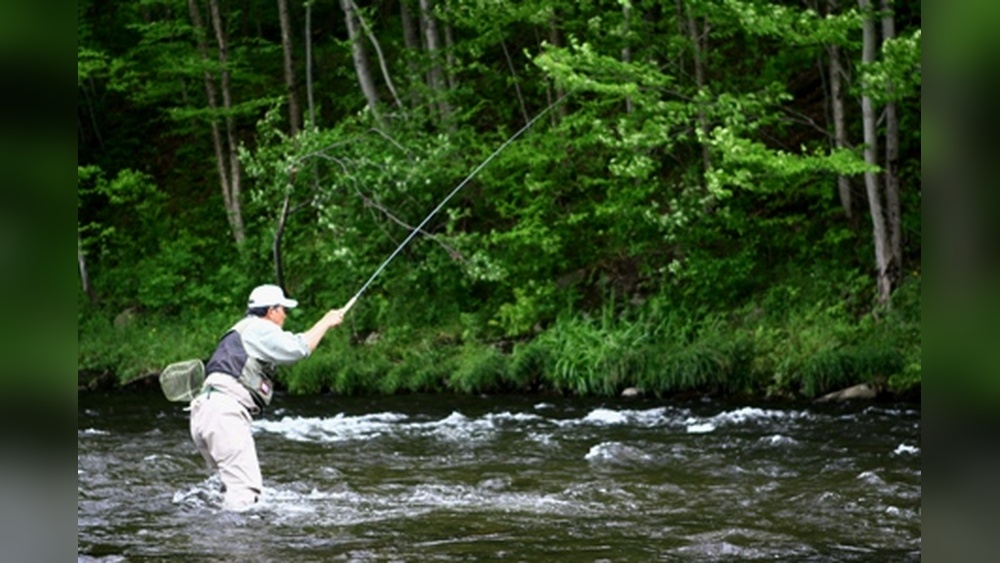
Tenkara fishing is a style of fly fishing that comes from Japan. It is simple, elegant, and highly effective, yet still not widely understood outside of its home country. If you have ever wanted to fish with fewer complications, less gear, and a closer connection to nature, Tenkara might be the answer.
This article will take you on a deep journey through everything you need to know about Tenkara fishing, from its origins and techniques, to the gear you need, tips for success, and how it differs from other fishing methods. Whether you’re a complete beginner or a seasoned angler looking for something new, you will find practical, expert advice here.
The Origins And History Of Tenkara Fishing
Tenkara is not just a method—it’s part of Japanese mountain culture. It began over 200 years ago in the mountain streams of Japan, where professional fishermen needed to catch fish for a living. These men, known as yamabushi or matagi, used Tenkara techniques to catch trout and char in fast, clear waters.
The word Tenkara means “from heaven” or “from the skies.” This name likely came from the way the lightweight fly lands gently on the water, almost like something dropped from above. Unlike western fly fishing, Tenkara was developed for practical reasons: to be efficient, portable, and simple. The original Tenkara rods were made of bamboo, and the flies were tied from feathers and silk.
In the 2000s, Tenkara started to gain attention outside Japan. American anglers looking for a minimal, meditative experience picked it up. Today, Tenkara is practiced all over the world, but it still keeps its unique Japanese spirit—simplicity, connection to nature, and respect for the fish.
What Makes Tenkara Different From Other Fishing Methods?
To understand Tenkara, it helps to compare it with other popular fishing styles. Here’s a side-by-side look at Tenkara, Western fly fishing, and spin fishing:
| Feature | Tenkara | Western Fly Fishing | Spin Fishing |
|---|---|---|---|
| Rod | Telescopic, no reel | Rod with reel | Rod with reel |
| Line Control | Hand-held | Reel and hand | Reel |
| Gear Complexity | Very simple | Moderate to complex | Simple to complex |
| Water Types | Small streams, rivers | All waters | All waters |
| Learning Curve | Gentle | Steep | Gentle |
The absence of a reel is the biggest difference. In Tenkara, you use a long, lightweight rod and a fixed length of line. This means you have direct contact with the fly and the fish. You can cast with high precision and keep almost all the line off the water, which is perfect for small, clear streams.
The simplicity lets you focus more on presentation and less on equipment.

Credit: www.nytimes.com
Tenkara Gear: What You Need To Get Started
One of the most attractive parts of Tenkara is how little gear you need. Here’s a breakdown of the basic equipment:
1. Tenkara Rod
These rods are usually between 10 and 15 feet (3-4. 5 meters) long. They are telescopic, which means you can collapse them into a compact size for travel. The length helps you reach across streams and keep the line off the water.
2. Line
Tenkara lines are fixed to the tip of the rod. There are two main types: furled lines (braided) and level lines (straight, usually made of fluorocarbon). Furled lines are easier for beginners, while level lines are lighter and allow more delicate presentations.
3. Tippet
This is a thin, clear piece of line (usually about 2–4 feet) that connects the Tenkara line to the fly. Tippet is usually 5x or 6x strength.
4. Flies
Tenkara flies, known as kebari, are very simple compared to Western flies. They often use soft hackles and have a minimalist style. You only need a few patterns to start.
5. Accessories
You might want a small fly box, nippers, and perhaps forceps for unhooking fish. But you don’t need a vest full of gadgets.
Here’s a quick comparison of what you carry for Tenkara vs. Western fly fishing:
| Item | Tenkara | Western Fly Fishing |
|---|---|---|
| Rod | 1 | 1–2 |
| Reel | 0 | 1 |
| Line | 1 | 1–2 |
| Flies | 4–6 | 20+ |
| Accessories | Minimal | Many |
Non-obvious tip: Many beginners make the mistake of buying too many flies or heavy accessories. With Tenkara, less is more. Start with the basics and learn as you go.
The Tenkara Rod: Design, Features, And How To Choose
The Tenkara rod is the heart of this fishing method. It’s not just longer than most fishing rods—it’s also lighter and more sensitive. Here’s what you need to know:
Rod Length
- Short rods (10–11 feet): Good for tight spaces and small streams.
- Medium rods (12–13 feet): Versatile for most situations.
- Long rods (14–15 feet): Great for open water or when you need extra reach.
Action
Tenkara rods are usually rated by “action”—how much they bend. Common actions are:
- 5: 5 action: Bends evenly along the rod—great for feeling every movement.
- 6: 4 action: Slightly stiffer, better for bigger fish.
- 7: 3 action: Most powerful, for larger fish or windy days.
Material
Most modern rods are made from carbon fiber. This makes them strong, flexible, and very light—often under 3 ounces (85 grams).
Insider advice: Try to handle a few rods before you buy. The feel in your hand matters more than stats on paper.
Rod Comparison Table
Here’s a look at how different lengths suit various situations:
| Rod Length | Best For | Advantages | Drawbacks |
|---|---|---|---|
| 10–11 ft | Small streams, tight cover | Easy to maneuver | Less reach, less line control |
| 12–13 ft | General use | Versatile, balanced | Can be long in tight spaces |
| 14–15 ft | Wide rivers, big fish | Max reach, better drifts | Harder to control in wind |
Tenkara Line: Furled Vs. Level
Choosing the right line type can make your Tenkara fishing easier:
- Furled lines: These are braided, soft, and have some stretch. They are easy to cast, especially for beginners, and lay out smoothly.
- Level lines: These are straight, stiff, and made from fluorocarbon. They are lighter, let you cast more delicately, and are better for windy conditions.
Pro tip: If you fish in windy places, level lines are usually better. But if you want a forgiving, simple experience, start with a furled line.
Flies: The Simple Art Of Kebari
Unlike Western fly fishing, where you might carry dozens of different flies, Tenkara relies on simple kebari patterns. The most famous are sakasa kebari (reverse hackle flies), which have their hackle facing forward. This helps the fly pulse and move when you twitch your rod.
A few classic Tenkara flies:
- Sakasa Kebari: Forward-facing hackle, easy to tie, very effective.
- Futsu Kebari: Stiff hackle, stands up in fast water.
- Killer Bug: Simple yarn body, good for many fish.
Most Tenkara anglers use just a handful of patterns and focus more on presentation than exact imitation.
Interesting fact: Studies show that trout are more likely to strike at movement and silhouette than detailed color matching. This is one reason Tenkara flies work so well.
How To Fish Tenkara: Casting, Presentation, And Technique
Fishing Tenkara is about more than just gear. Here’s how to actually catch fish using this method:
Basic Casting
- Extend your rod and attach the line to the tip.
- Hold the rod with a relaxed grip.
- Use your wrist to flick the line forward, aiming for a gentle landing.
- Let the fly land softly, as if it fell from the sky.
You don’t need fancy casting techniques. The long rod does most of the work.
Presentation
- Try to keep most of the line off the water.
- Fish upstream or across, so the fly drifts naturally.
- Use subtle twitches to make the fly move.
Hooking And Landing Fish
- When you see a fish strike, lift the rod to set the hook.
- Play the fish with the rod’s bend—there’s no reel, so control is all in your arm.
- Use the long rod to guide the fish to your hand or net.
Common mistake: Many beginners set the hook too hard. With a long, flexible Tenkara rod, gentle movements work best.
Where Is Tenkara Fishing Most Effective?
Tenkara shines in certain water types:
- Mountain streams: Clear, cold, and fast-moving.
- Small rivers: Where long casts are not needed.
- Creeks and brooks: Tight spaces with overhanging trees.
You can use Tenkara for bigger rivers or even lakes, but it’s designed for places where stealth and precision matter more than distance.
Surprising tip: In some regions, anglers use Tenkara for bluegill, crappie, and even carp—not just trout.
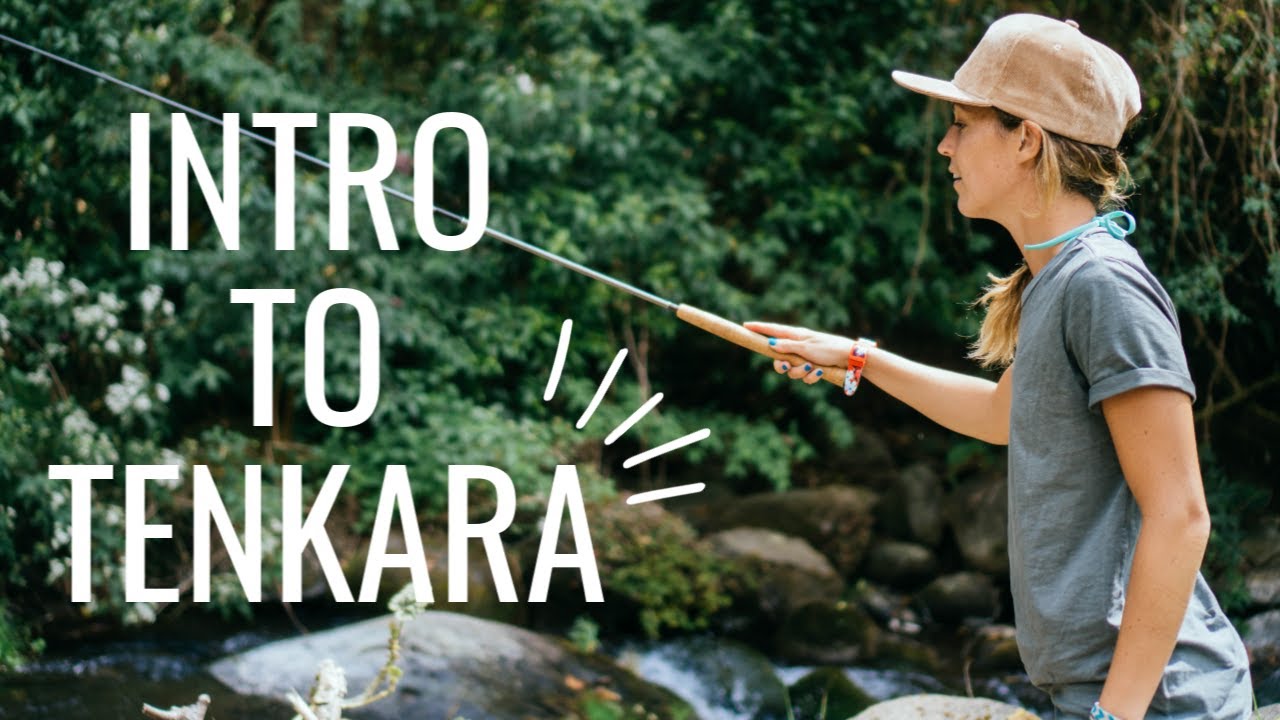
Credit: www.youtube.com
Why Choose Tenkara? Key Benefits
Anglers are drawn to Tenkara for many reasons:
- Simplicity: No reel, fewer knots, less to carry.
- Connection: You feel every move, every strike.
- Stealth: Long rods and light lines let you approach fish closely.
- Portability: Telescopic rods fit in a backpack.
- Low cost: Fewer items to buy and replace.
- Fast learning curve: Easier for beginners to pick up.
Some people say Tenkara is not “real” fly fishing. But those who try it often find themselves hooked by the pure, focused experience.
Tips For Tenkara Beginners
If you’re just starting with Tenkara, these tips can help:
- Start simple. Use one rod, one line, and a few flies.
- Practice casting in your yard. Even a few minutes helps.
- Pay attention to water. Fish sit in calm spots near the current.
- Keep your line off the water. This reduces drag and spooking fish.
- Don’t worry about perfect fly choice. Presentation is more important.
Overlooked insight: Many new anglers forget to watch the fly during the entire drift. Most strikes happen when you’re distracted—keep your eyes on the water.
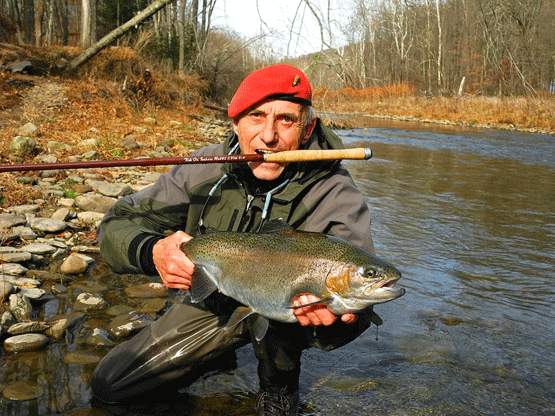
Credit: www.tenkaratalk.com
Common Myths And Misunderstandings
Tenkara has grown in popularity, but there are still myths:
- “You can only catch small fish.” Not true. With the right rod and skill, landing 20-inch trout is possible.
- “You can’t fish big rivers.” You can, but Tenkara shines in smaller waters.
- “You need special Japanese flies.” Any simple fly works, but Japanese patterns are a fun tradition.
Tenkara In Modern Times: A Growing Community
Today, Tenkara is more than a Japanese tradition. Clubs and events have sprung up worldwide. Online forums, YouTube channels, and books help new anglers learn. Even in busy cities, you’ll find people slipping away to try Tenkara on a lunch break.
The method has also attracted people who care about conservation. The minimal gear and gentle approach mean less impact on nature. Many Tenkara anglers practice catch and release to keep fish stocks healthy.
For more on the history and modern practice of Tenkara, you can visit the Wikipedia Tenkara page.
Comparing Tenkara To Western Fly Fishing: Which Is Right For You?
Both Tenkara and Western fly fishing have their strengths. Here’s how to decide which is right for you:
- Choose Tenkara if:
- You fish mostly in small streams or rivers.
- You want to travel light.
- You prefer a minimalist approach.
- You are new to fly fishing and want a gentle learning curve.
- Choose Western fly fishing if:
- You fish in large rivers or lakes.
- You need to cast long distances.
- You want to chase bigger fish regularly.
- You enjoy the challenge of complex techniques.
Some anglers enjoy both styles for different situations. There’s no need to choose just one.
Advanced Tenkara: Adapting The Method
After you master the basics, you can experiment:
- Longer lines: Try using a line longer than your rod for extra reach.
- Weighted flies: Use heavier flies for deeper water.
- Two-fly rigs: Present two patterns at once for more chances.
- Czech nymphing adaptation: Some Tenkara anglers use nymphing techniques borrowed from European styles.
Unique insight: As you gain experience, you’ll notice how much you can do with subtle movements. A tiny wrist flick can change the fly’s action and trigger more strikes.
Conservation And Responsible Tenkara Fishing
Tenkara’s simplicity fits well with a conservation mindset:
- Leave no trace: Carry out all trash and respect private property.
- Barbless hooks: Easier on fish and make catch-and-release safer.
- Avoid overfishing: Give streams time to recover, and respect local limits.
Unexpected mistake: Some people think Tenkara is “too easy” and catch too many fish. Always fish with respect for the water and its creatures.
Frequently Asked Questions
What Fish Species Can You Catch With Tenkara?
Tenkara is best known for trout and char, but you can catch many species. In Japan, anglers also catch yamame and iwana. In other countries, people use Tenkara for bluegill, bass, perch, and even small carp. The key is to match your rod strength and fly size to the fish you’re targeting.
Can You Use Tenkara In Large Rivers Or Lakes?
While Tenkara was designed for smaller streams, it can be adapted for larger waters. Use a longer rod and line to cover more area. However, you may be limited by the distance you can cast and the size of fish you can safely land.
Many experienced anglers use Tenkara for large rivers by focusing on the edges and shallower sections.
Is Tenkara Cheaper Than Western Fly Fishing?
Yes, Tenkara is generally much cheaper to start. You only need a rod, a line, some tippet, and a few flies. There is no reel or heavy gear to buy. Most beginners can get started for about $100–$200, compared to $300–$600 for a basic Western fly fishing setup.
Do You Need Special Japanese Flies To Fish Tenkara?
No, you don’t need to use only Japanese flies. While kebari flies are traditional, any simple wet or dry fly can work. The most important thing is how you present the fly, not its exact pattern. Many Tenkara anglers tie their own flies using whatever materials they have.
How Do You Land A Big Fish Without A Reel?
Landing big fish with Tenkara is possible, but it takes skill. Use the length and flexibility of the rod to absorb sudden runs. Move downstream with the fish if needed. Once the fish tires, gently bring it close and use a net or wet hand to land it.
It’s important not to force the fish or lift it out of the water with the rod alone, as this can break the rod tip.
If you’re looking for a fishing style that is simple, effective, and deeply connected to both nature and tradition, Tenkara fishing is worth your time. It offers a refreshing break from the complexity of modern gear and lets you focus on the true joy of angling.
With just a few pieces of equipment and some practice, you can experience the beauty and excitement of Tenkara on almost any stream or small river. Give it a try—you may find yourself hooked for life.