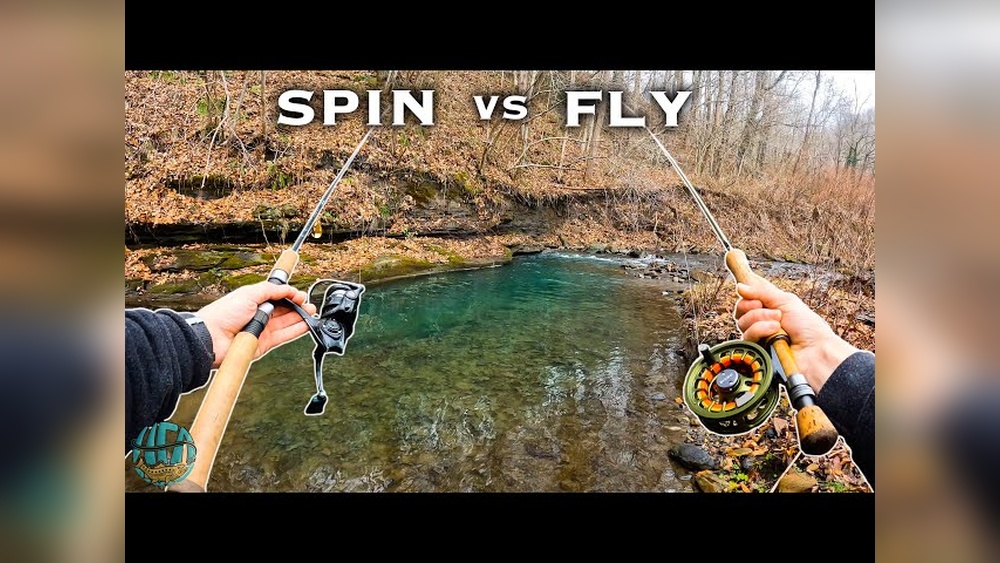
Fly fishing and spinning are two of the most popular ways to catch fish worldwide. If you’re new to fishing or thinking about buying your first rod, you might wonder: what’s the real difference between a fly fishing rod and a spinning rod? The answer is more than just equipment—it’s about technique, the fish you’re after, and the experience you want on the water. Many beginners see anglers casting beautiful loops with a fly rod or catching big fish with a spinning setup and feel confused about which style to pick. This guide will walk you through every detail, from how each rod works to what kind of fishing suits your needs. By the end, you’ll have a clear idea of which rod fits your goals, your local fishing spots, and even your budget.
The Basics: Fly Fishing Rods And Spinning Rods Explained
Understanding the core differences starts with the basics: what is a fly rod, and what is a spinning rod?
A fly fishing rod is designed for casting very light, often nearly weightless flies using a heavy fly line. The rod is longer (typically 8 to 10 feet), slender, and flexible. The casting motion is unique—it’s about moving the line, not the lure. Fly rods have guides (the rings the line passes through) that are usually smaller and more numerous.
A spinning rod is built for casting heavier lures or bait using a spinning reel. These rods are usually 6 to 8 feet long, with larger guides near the handle. Spinning rods are more versatile in terms of the types of lures and techniques you can use. The casting style is simpler and often easier for beginners to learn.
Both rods aim to help you catch fish, but the way they do it is quite different. Let’s dive deeper into how each one works.
How Fly Fishing Rods Work
Fly fishing rods are all about casting the line, not the lure. The fly line is thick and weighted, allowing you to cast small, almost weightless flies. The rod acts like a spring, loading and unloading energy during the casting motion to throw the line forward in a smooth loop. This motion takes practice to master, but it allows for delicate presentations—important when targeting fish that are easily scared.
Materials for fly rods include graphite (light and strong), fiberglass (softer, slower action), and bamboo (classic, but expensive). Rods come in different weights, from 1 (for tiny fish and flies) up to 12+ (for big saltwater species).
One overlooked detail: fly rod action (how much and where the rod bends) matters a lot. Fast-action rods bend mostly at the tip and are powerful for long casts. Slow-action rods bend throughout and are better for short, gentle presentations.
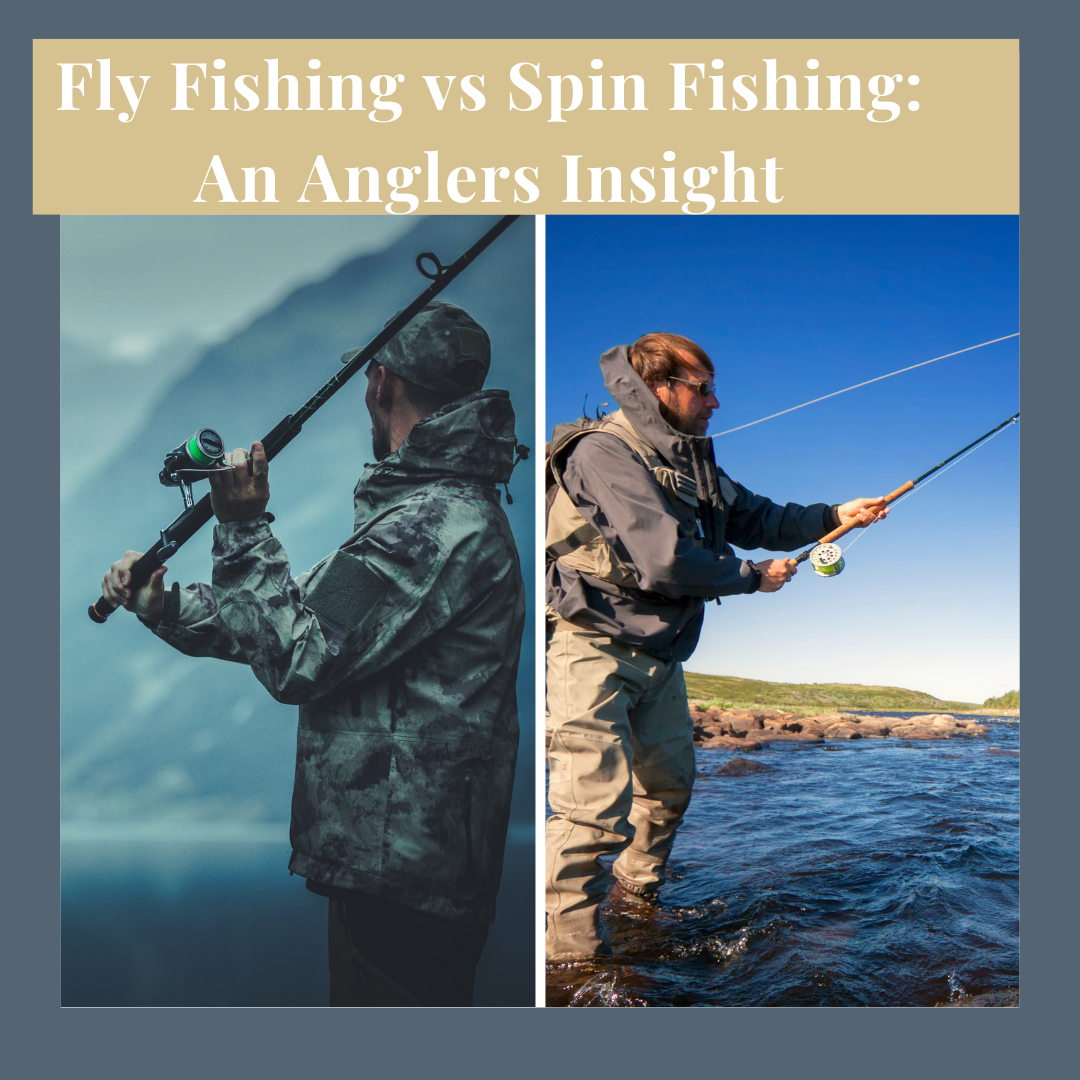
Credit: www.bowmanflyfishing.com
How Spinning Rods Work
Spinning rods are designed for use with spinning reels and monofilament, fluorocarbon, or braided lines. The weight of the lure or bait pulls the line off the reel during a cast. This setup is very user-friendly and allows for a wide range of fishing techniques, from casting and retrieving lures to fishing with live bait.
Spinning rods are usually made from graphite or fiberglass. They come in different power ratings (ultralight to heavy) and action (slow to fast), letting you match your rod to the fish and conditions.
A detail many beginners miss: the size and placement of the guides matter. Larger guides near the handle help reduce line friction, allowing longer, smoother casts.
Key Differences At A Glance
To help you see the main differences quickly, here’s a comparison:
| Feature | Fly Fishing Rod | Spinning Rod |
|---|---|---|
| Casting Method | Line carries the fly | Lure or bait carries the line |
| Rod Length | Usually 8–10 ft | Usually 6–8 ft |
| Typical Target Fish | Trout, salmon, panfish | Bass, walleye, pike, many others |
| Skill Required | Higher, more practice | Lower, easier for beginners |
| Lure/Bait Weight | Very light flies | Wide range, heavier lures |
Types Of Fish You Can Catch
Fly Fishing Rods
Fly rods excel at catching trout in streams and rivers, but they’re also great for salmon, grayling, and panfish like bluegill. With heavier fly rods (weights 8–12), you can target larger fish, including bass, pike, and even saltwater species such as bonefish or tarpon.
A non-obvious tip: fly rods can sometimes catch species that rarely bite standard lures, especially when those fish are focused on tiny insects.
Spinning Rods
Spinning rods are true generalists. You can catch bass, walleye, pike, perch, trout, catfish, and even saltwater fish like redfish and snook. If you want to fish with live bait, plastic worms, spinners, or crankbaits, a spinning rod is the best choice.
Many people overlook that with ultralight spinning rods, you can also have lots of fun catching smaller fish, just like with a fly rod.
Where Each Rod Shines: Best Environments
Fly Fishing Rods
Fly rods are perfect for:
- Small to medium rivers and streams
- Clear lakes with rising fish
- Shallow saltwater flats
In these places, fish often feed on insects at the surface. The quiet, gentle landing of a fly is less likely to scare them. Fly rods also let you “mend” the line on the water, controlling the drift of your fly for a natural presentation.
Spinning Rods
Spinning rods dominate in:
- Large rivers and lakes
- Heavily vegetated waters
- Fast-moving or deep water
- Saltwater piers and jetties
Spinning setups allow you to cast heavier lures long distances, fish deep, and pull fish out of thick cover.
Here’s a quick location comparison:
| Environment | Best Rod Type | Why |
|---|---|---|
| Small stream | Fly rod | Delicate presentation |
| Large lake | Spinning rod | Long casts, bigger lures |
| Saltwater flats | Fly rod or spinning rod | Both can work, depending on target fish |
| Heavy weeds | Spinning rod | Power to pull fish out |
Casting Techniques: What To Expect
Fly Fishing Casting
Fly casting is a skill that takes time to learn. The basic motion is an overhead or sidearm cast, where you use the rod to form a loop in the line and “shoot” the fly to your target. It’s graceful but can feel awkward at first.
You’ll need space behind you to cast, which can be a problem with trees or bushes nearby. Roll casting and other specialty casts help, but practice is essential.
Spinning Rod Casting
Casting with a spinning rod is straightforward:
- Open the bail on the reel.
- Hold the line with your finger.
- Swing the rod forward, releasing the line at the right moment.
- Close the bail and start retrieving.
It’s easy to learn and quick to master. You can cast from tight spots, even under trees, with sidearm or underhand casts.
A detail many beginners miss: spinning rods allow for skip casting—bouncing lures under docks or branches—something very hard to do with a fly rod.
Cost And Maintenance
Fly Fishing Rods
Fly rods often cost more, especially when you add the price of a good fly reel, specialized fly line, leader, and a selection of flies. Mid-range fly rods are typically $100–$300, but high-end models can be over $700. Don’t forget waders, boots, and other gear if you’re fishing in streams.
Maintenance is simple: rinse after use (especially in saltwater), dry completely, and check the guides for damage.
Spinning Rods
Spinning rods are usually more affordable. You can get a decent rod and reel combo for $40–$150. Lures and line are also less expensive. Spinning rods are tough and require little maintenance. Just rinse them after use, especially if you fish in saltwater, and check the guides and reel for damage.
Here’s a cost comparison:
| Gear | Fly Fishing | Spinning |
|---|---|---|
| Rod | $100–$700+ | $40–$200 |
| Reel | $60–$500 | $20–$150 |
| Line | $30–$100 | $5–$30 |
| Common Accessories | Waders, flies, vest | Lures, tackle box |
Credit: www.youtube.com
Learning Curve And Accessibility
Fly fishing is more challenging to learn. Casting requires practice, and selecting the right fly for the situation takes experience. Many fly anglers say the learning is part of the fun, but it can be frustrating at first.
Spinning is more accessible. Most people can cast and catch fish within their first outing. Kids and adults alike can learn spinning techniques quickly.
A non-obvious insight: fly fishing can be easier in very shallow or clear water, where fish are easily spooked by heavy lures or lines.
Versatility For Different Styles And Techniques
Fly Fishing
Fly fishing offers unique techniques like dry fly fishing (floating flies), nymphing (subsurface), and streamer fishing (larger flies for aggressive fish). You can “match the hatch,” using flies that look like the insects fish are eating.
But fly rods are limited when it comes to deep water or fishing in heavy cover.
Spinning
Spinning rods can handle almost any fishing style:
- Casting artificial lures (spinners, crankbaits, jigs, soft plastics)
- Live bait fishing
- Bottom fishing
- Trolling behind a boat
Some anglers even use their spinning rod for ice fishing or saltwater pier fishing.
A surprising point: you can use a spinning rod to “drift” a bait or lure in a current, similar to nymphing with a fly rod.
Pros And Cons At A Glance
Fly Fishing Rod Pros
- Precise, delicate presentations
- Fun and challenging casting
- Great for surface-feeding fish
- Less likely to spook fish
Fly Fishing Rod Cons
- Steeper learning curve
- Needs space to cast
- Higher cost for gear
- Limited in heavy cover or deep water
Spinning Rod Pros
- Easy to use and learn
- Versatile for many species and techniques
- Good in heavy cover or deep water
- Lower cost to start
Spinning Rod Cons
- Less delicate presentation
- Can spook wary fish in clear water
- Some techniques (like dry fly fishing) not possible
Common Myths And Misconceptions
“fly Rods Are Only For Trout.”
While trout fishing is popular in fly fishing, you can use fly rods for bass, pike, carp, and many saltwater species.
“spinning Rods Are For Kids Or Beginners Only.”
Many expert anglers use spinning rods for challenging conditions and big fish. The best rod depends on your fishing goals, not your skill level.
“you Can’t Catch Big Fish With A Fly Rod.”
With the right rod weight and line, you can land very large fish on a fly rod—even saltwater species.
Choosing The Right Rod For You
Picking between a fly fishing rod and a spinning rod comes down to a few key questions:
- What kind of fish do you want to catch?
- Where will you fish—small streams, big lakes, saltwater?
- Do you want a challenging, skill-based technique or something easy and versatile?
- What is your budget?
If you love the idea of matching insects and making perfect casts to rising fish, a fly rod is the way to go. If you want to catch the widest variety of fish in different places, spinning is probably best.
A tip most beginners miss: you don’t have to choose forever. Many anglers use both styles and switch based on the situation.
Fly Fishing Rod Vs Spinning Rod: Which Is Better For Beginners?
Most beginners will find a spinning rod easier to learn, more forgiving, and useful in a wider range of situations. You can start catching fish quickly and build your skills over time.
But if you’re drawn to the art of casting, the challenge, and the beauty of fly fishing, don’t be afraid to start there. Fly fishing communities are welcoming, and there are many resources to help you learn.
Maintenance And Longevity
Both rods can last for years if you take care of them. Here’s how:
- Rinse after each use, especially if fishing in saltwater.
- Store rods in a cool, dry place.
- Check guides for nicks that can damage your line.
- Replace lines as they wear.
Fly rods may need a bit more attention to the line and reel. Spinning rods are tough and low-maintenance.
Environmental Impact
Fly fishing is often seen as more environmentally friendly, as fly anglers usually use barbless hooks and practice catch-and-release. The lightweight flies are less likely to harm fish than heavy lures.
Spinning anglers can also fish responsibly, but lost lures and hooks can pose a risk to wildlife. Always pick up your trash and old line.
Popular Brands And Models
Fly Fishing Rods
- Orvis: Known for high-quality rods and great customer service.
- Sage: Popular among serious fly anglers.
- Redington: Good value for money.
- Temple Fork Outfitters: Durable and affordable.
Spinning Rods
- Shimano: Reliable and popular worldwide.
- Ugly Stik: Famous for toughness and affordability.
- Daiwa: High-quality rods and reels.
- Fenwick: Good for beginners and experienced anglers.
Real-world Examples
Imagine you’re fishing a small mountain stream for trout. A fly rod allows you to cast tiny dry flies delicately without scaring the fish. But if you’re at a large lake with deep water and want to catch bass, a spinning rod lets you cast heavy lures far from shore.
Another example: on a windy day, spinning rods are easier to use. Fly lines can be blown off course, making casting tricky.
Advanced Tips
- Learn to “double haul” with your fly rod for extra distance.
- Try using braided line on your spinning rod for better sensitivity and longer casts.
- Use a strike indicator with your fly rod for nymph fishing—like a small floating bobber.
- Experiment with different lure types on your spinning setup to see what works best.
- Practice casting at home with both rods to build muscle memory.
Learning Resources
If you want to dive deeper, check out online tutorials, local fishing clubs, and fishing guides. Many government fish and wildlife agencies offer free classes. For more technical information, the Wikipedia page on fishing rods is a solid resource.

Credit: guiderecommended.com
Frequently Asked Questions
What Is The Main Difference Between A Fly Fishing Rod And A Spinning Rod?
The main difference is in how they cast. Fly rods use a heavy line to cast light flies; spinning rods use the weight of the lure or bait to carry the line. The techniques, gear, and types of fishing they’re best for are also different.
Can You Use A Fly Fishing Rod With A Spinning Reel?
No, fly rods and spinning reels are not designed to work together. The guide size, reel seat, and line type are all different. Each rod is built for its own style of reel.
Which Rod Is Better For Catching Big Fish?
Both can catch big fish if matched with the right line and tackle. Heavier fly rods (8-weight and up) can land large fish, but spinning rods are generally easier and more common for big species.
Is Fly Fishing Harder To Learn Than Spinning?
Yes, fly fishing has a steeper learning curve, especially for casting. Spinning is easier for most beginners to pick up and start catching fish right away.
Can You Switch Between Fly Fishing And Spinning With The Same Rod?
No, you cannot use the same rod for both styles. The design and purpose are too different. If you want to do both, you’ll need separate rods for each technique.
Choosing between a fly fishing rod and a spinning rod doesn’t have to be difficult. Think about where you’ll fish, what you want to catch, and what style appeals to you. Both tools offer unique experiences, and many anglers enjoy switching between them.
With the right choice, you’ll be ready for a lifetime of fishing adventures.