
Fishing is more than just a way to catch dinner—it’s a passion, a science, and sometimes, a lifelong learning experience. One of the most common questions anglers face is: should I choose a medium or a medium heavy fishing rod? This decision isn’t as simple as it sounds. The rod you select will affect how you cast, the type of fish you can catch, and even how much fun you have on the water. If you’re new to fishing or want to sharpen your gear knowledge, understanding the difference between these two rod types is essential.
Let’s break down what makes a medium rod different from a medium heavy rod. We’ll look at their uses, strengths, weaknesses, and how to decide what’s right for you. You’ll also find practical examples, expert tips, and some surprising insights that many beginners miss. By the end, you’ll feel confident about picking the rod that fits your fishing style—and you might even catch more fish because of it.
What Do “medium” And “medium Heavy” Mean?
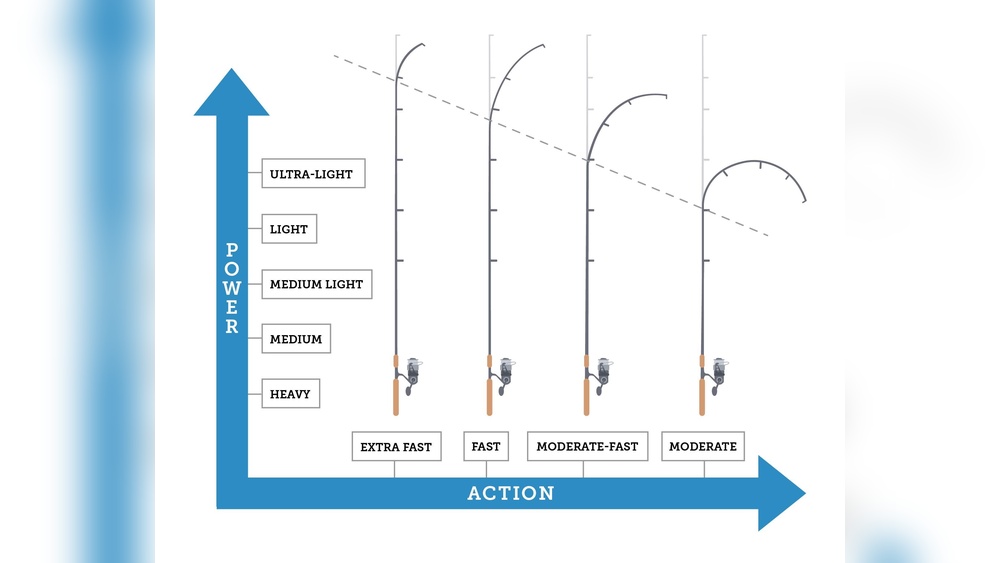
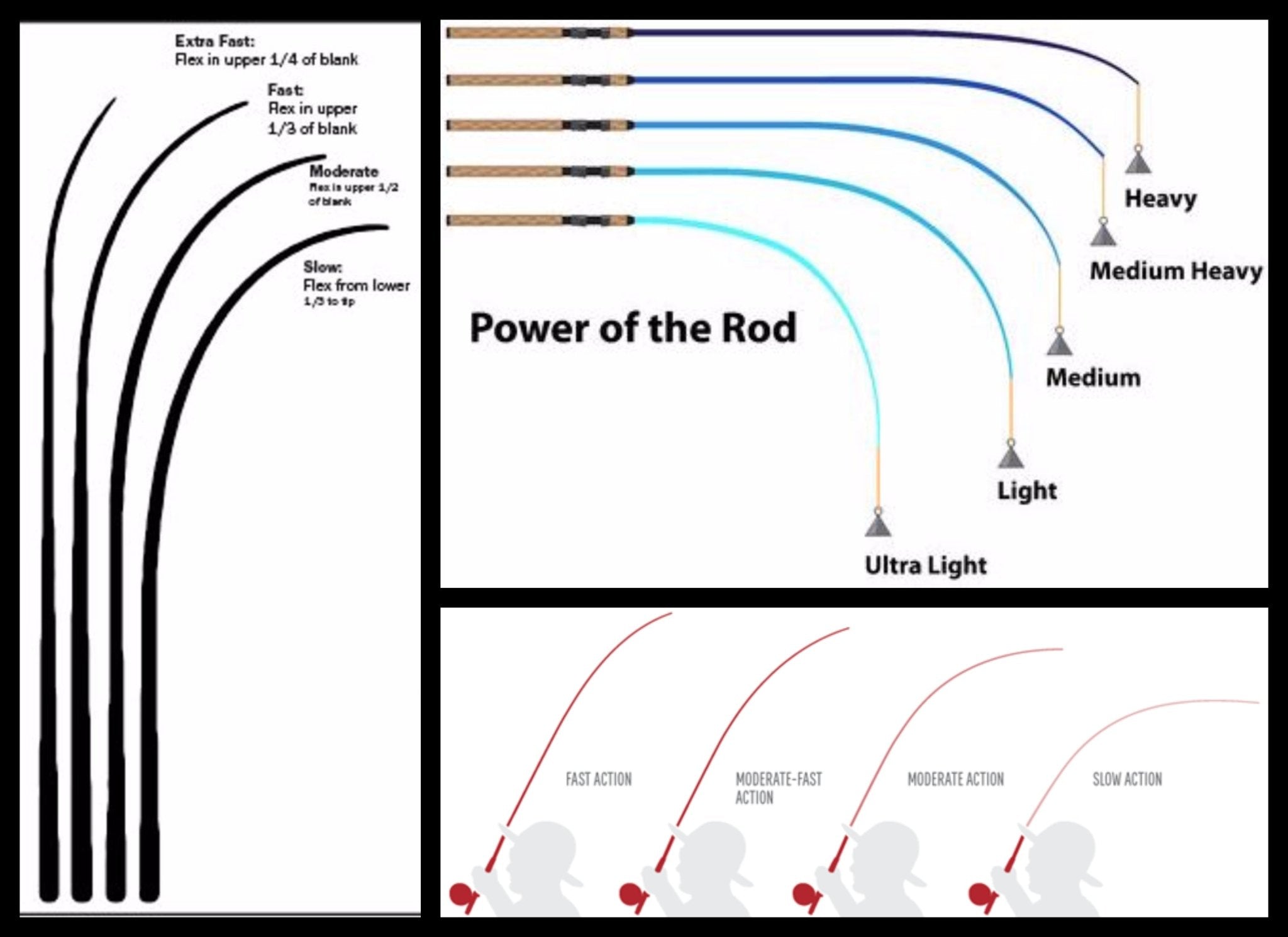
Before we compare these rods, it’s important to understand what rod power means. Rod power is the amount of force needed to bend the fishing rod. It ranges from ultralight (bends easily) to extra heavy (very stiff). The terms “medium” and “medium heavy” fall in the middle of this scale.
- Medium power rods: These bend moderately under pressure. They are flexible but not floppy.
- Medium heavy power rods: These are stiffer and require more force to bend. They are strong but not as rigid as heavy rods.
Rod power affects what kind of fish you can handle, the lures you can use, and how you fight a fish once it’s hooked.
Key Differences Between Medium And Medium Heavy Rods
To make things clear, here’s a simple comparison using a table:
| Feature | Medium Rod | Medium Heavy Rod |
|---|---|---|
| Rod Power | Moderate | Moderately High |
| Flexibility | More Flexible | Less Flexible |
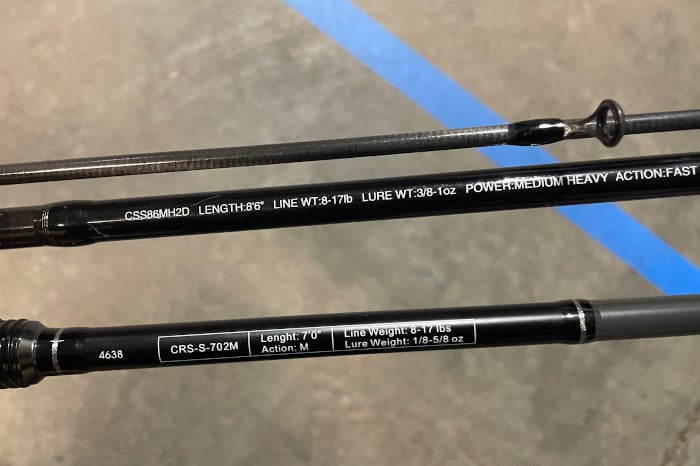
| Line Weight | 6-12 lbs | 10-20 lbs |
| Lure Weight | 1/4–3/4 oz | 1/2–1 1/2 oz |
| Best For | Small to Medium Fish | Medium to Large Fish |
| Sensitivity | Higher | Lower |
A Closer Look At Each Rod
Medium Rods
Medium rods are often called the “all-purpose” choice. They perform well in many situations and are popular among beginners and casual anglers.
- Best for freshwater fishing: Think bass, trout, walleye, and panfish.
- Great with lighter lures: Soft plastics, spinners, crankbaits.
- Sensitive tip: Helps you feel gentle bites or nibbles.
- Forgiving for casting: If you make a mistake, the rod’s flexibility can help prevent the line from snapping.
Medium Heavy Rods
Medium heavy rods are built for more demanding fishing. They’re the choice for anglers who want to catch bigger fish or fish in tough conditions.
- Strong backbone: Better for pulling fish out of weeds or heavy cover.
- Handles bigger lures: Jigs, large crankbaits, spinnerbaits, and even live bait rigs.
- Less sensitive: You might not notice small bites as easily.
- Great for bass, pike, catfish, and inshore saltwater species.
When To Use A Medium Fishing Rod
Choosing a medium rod makes sense in many situations, especially if you’re fishing in lakes, rivers, or ponds for common species.
Best Conditions For Medium Rods
- Light or Moderate Cover: Open water or areas with few weeds and obstacles.
- Finesse Fishing: When you need to present small, delicate baits naturally.
- Casting Distance: Medium rods can cast lighter lures farther with less effort.
- Species: Ideal for bass (smallmouth and largemouth), trout, perch, and walleye.
Popular Techniques
- Drop shot rigs
- Wacky rigs
- Light crankbaits
- Inline spinners
- Live bait fishing with worms or minnows
Non-obvious insight: Many beginners don’t realize that a medium rod’s flexibility can save your line from breaking. The “give” in the rod acts like a shock absorber when a fish makes a sudden run. This is especially useful when using light line.
Practical Example
Imagine you’re fishing for bass in a clear lake with little cover. You’re using a 6-pound test line and a small plastic worm. A medium rod lets you cast the light lure accurately and feel every bump as the worm moves along the bottom.
When a bass bites, the rod flexes, making it harder for the fish to shake the hook loose.
When To Use A Medium Heavy Fishing Rod
A medium heavy rod is your tool for bigger challenges. It’s made for situations that require more strength and less finesse.
Best Conditions For Medium Heavy Rods
- Heavy Cover: Thick weeds, fallen trees, or rocky areas where fish can tangle your line.
- Power Fishing: Fast-moving, aggressive lure techniques that need a strong hookset.
- Large Fish: Species that fight hard, like largemouth bass, pike, muskie, or big catfish.
- Saltwater Inshore: Redfish, snook, stripers, and similar species.
Popular Techniques
- Texas rigs
- Jigs and big spinnerbaits
- Frog lures on lily pads
- Deep crankbaits
- Flipping and pitching
Non-obvious insight: Many anglers overlook how a medium heavy rod can help “muscle” a fish out of cover. If you’re fishing in thick weeds and the fish wraps your line around a stem, a medium heavy rod can apply enough force to pull the fish free without breaking your rod or line.
Practical Example
You’re targeting largemouth bass hiding in dense lily pads. You cast a weedless frog lure onto the pads. When a bass strikes, you need to pull hard to get it out of the weeds. A medium heavy rod has the backbone for this job—something a medium rod might not handle without risk of breaking.
Credit: coevalchicago.com
How Rod Action Relates To Power
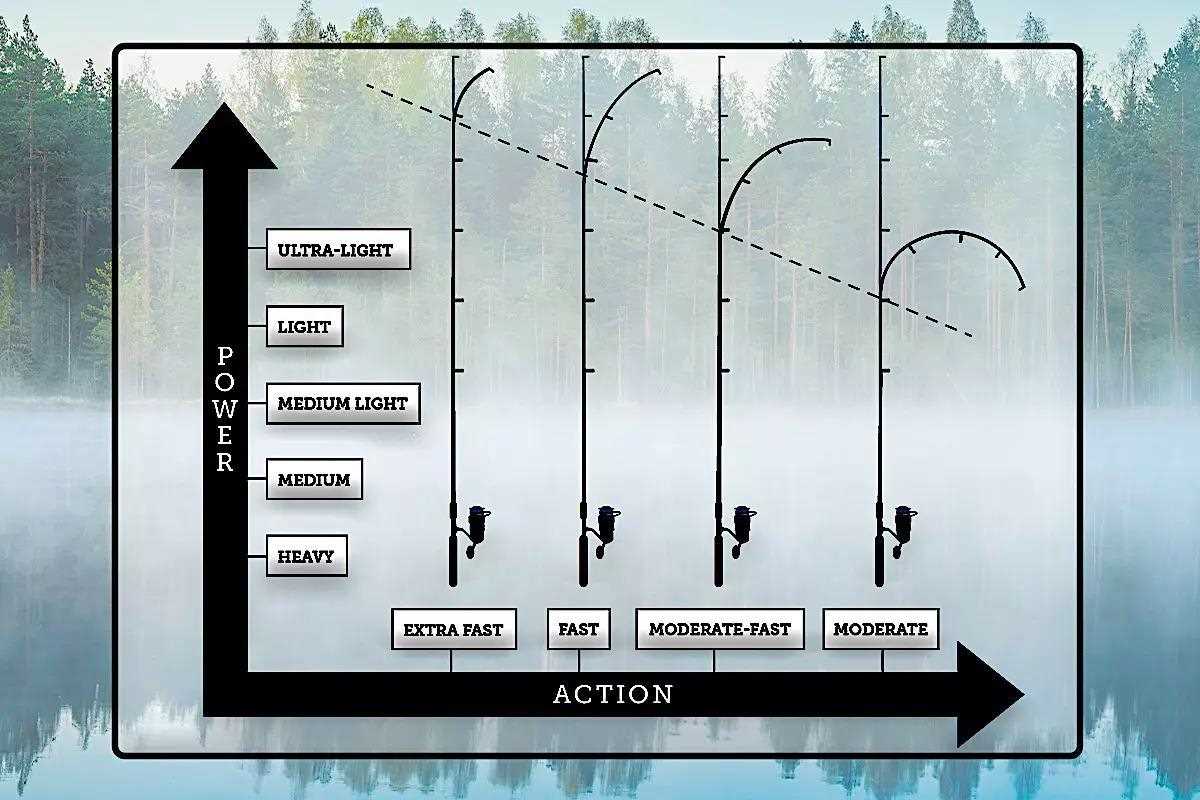
Rod power (medium, medium heavy) is not the same as rod action. Action is about where the rod bends—near the tip (fast action) or farther down the rod (moderate or slow action).
- Fast action: Bends mostly at the tip, more sensitive.
- Moderate action: Bends in the upper half, more forgiving.
- Slow action: Bends throughout, great for gentle presentations.
Both medium and medium heavy rods can come in different actions. For example, a medium heavy fast action rod is stiff, but sensitive at the tip. Matching power and action to your fishing style is key.
Matching Rod Power To Species And Lures
It’s important to match your rod power to the kind of fish and the lures you’re using. Here’s a quick reference:
| Rod Type | Best Species | Recommended Lures |
|---|---|---|
| Medium | Bass, Trout, Walleye, Perch | Small plastics, Light crankbaits, Spinners |
| Medium Heavy | Bass, Pike, Catfish, Redfish | Jigs, Heavy crankbaits, Large spinnerbaits, Frogs |
Expert tip: If you’re not sure which rod to buy, think about your most common fishing situations. If you fish for multiple species, a medium rod covers more scenarios for beginners. If you focus on big bass or fish in thick cover, a medium heavy rod is a better investment.
Pros And Cons Of Medium Rods
Advantages
- Versatility: Works well for many species and techniques.
- Sensitivity: Helps detect light bites.
- Lightweight: Easier to handle for long periods.
- Better for beginners: Less likely to break light line.
Disadvantages
- Limited strength: Not ideal for big fish or heavy cover.
- May struggle with large lures: Harder to cast and control heavy baits.
Practical tip: If you plan to fish with kids or people new to fishing, medium rods are more forgiving and less tiring to use.
Pros And Cons Of Medium Heavy Rods
Advantages
- Power: Can handle bigger fish and pull them from cover.
- Works with heavy lures: More options for aggressive techniques.
- Durability: Less risk of breaking under high stress.
Disadvantages
- Less sensitive: Harder to feel small bites.
- Heavier: Can be tiring during long sessions.
- Not great for finesse: Overkill for small fish and light lines.
Insider advice: Don’t use a medium heavy rod for finesse fishing. You’ll miss subtle bites, and the heavy rod can rip small hooks out of fish mouths.
How To Choose Between Medium And Medium Heavy
Making the right choice depends on your fishing environment, target species, and personal style. Here are some key questions to ask yourself:
- Where do I fish most?
- Open lakes, rivers, and light cover: Medium rod.
- Weedy, rocky, or heavy cover: Medium heavy rod.
- What fish am I targeting?
- Small to medium: Medium rod.
- Medium to large: Medium heavy rod.
- What lures do I use?
- Light lures: Medium rod.
- Heavy lures: Medium heavy rod.
- Do I need sensitivity or power?
- Sensitivity for light bites: Medium rod.
- Power for strong hooksets: Medium heavy rod.
Important note: Many anglers own both types. You can switch rods based on conditions. If you have to choose just one, think about what you do most often.
Common Mistakes When Choosing Rod Power
Even experienced anglers make errors when picking the right rod. Here are a few pitfalls to avoid:
- Choosing too heavy: Some think “stronger is better.” But a rod that’s too stiff reduces fun, sensitivity, and hook-up rates.
- Ignoring the line rating: Always match your rod’s recommended line weight to your reel and fishing line.
- Not considering lure weight: If your lures are too heavy or too light for the rod, you’ll get poor casting and might damage the rod.
- Overlooking action: Rod action matters as much as power. Fast action gives better hooksets; moderate is better for crankbaits.
Pro tip: Visit a tackle shop and hold both rods. Feel the difference in weight, flexibility, and balance. Don’t just read the label—test them in your hand.
Real-world Scenarios: Which Rod To Use?
To make things even clearer, let’s look at a few real-life fishing situations.
Scenario 1: River Trout With Light Lures
You’re casting 1/8 oz spinners for trout in a clear stream. A medium rod gives you the control and sensitivity to cast accurately and feel every strike. A medium heavy rod would be too stiff, making it hard to cast light lures and spot gentle bites.
Scenario 2: Largemouth Bass In Heavy Weeds
You’re flipping a 1 oz jig into thick lily pads for big bass. A medium heavy rod is essential—you need to pull hard to get the fish out. A medium rod might bend too much or even break under the pressure.
Scenario 3: All-day Lake Fishing For Variety
You want to catch whatever bites—maybe bass, maybe perch, maybe walleye. A medium rod is the “swiss army knife” here. It offers enough strength for most fish you’ll meet, but enough sensitivity for lighter bites.
Scenario 4: Inshore Saltwater Fishing
You’re targeting redfish and snook near docks. The medium heavy rod is the better pick. Saltwater fish fight hard, and you need the power to keep them away from pilings and other obstacles.
How Line And Reel Choice Affects Rod Power
Your rod is only part of the system. The fishing line and reel you use should match the rod’s specifications.
- Medium rods: Pair with spinning reels (size 2000–3000) and line weights 6–12 lbs.
- Medium heavy rods: Use with baitcasting reels (size 3000–4000) or larger spinning reels, line weights 10–20 lbs.
Common mistake: Using a heavy line on a medium rod. This can make casting awkward and reduce sensitivity. On the other hand, a light line on a medium heavy rod can snap easily under pressure.
Credit: www.rocksolidcustomrods.com
How Rod Material Impacts Performance
Most rods today are made from graphite, fiberglass, or a mix. Material affects weight, sensitivity, and strength.
- Graphite rods: Light, sensitive, good for feeling bites. Both medium and medium heavy rods are available in graphite.
- Fiberglass rods: Heavier, more durable, less sensitive. Often used for medium heavy rods in saltwater or for big catfish.
- Composite rods: Mix of both, offering a balance of strength and feel.
Tip: For all-around use, a graphite medium rod is hard to beat. For pure power, a fiberglass medium heavy rod can handle abuse.
Cost And Value: Is One Rod More Expensive?
Prices depend on brand, material, and features. In general, medium and medium heavy rods cost about the same. Expect to pay $30–$100 for a good entry-level rod, and up to $300+ for high-end models.
Value tip: Don’t chase the most expensive rod unless you really need top performance. A quality mid-priced rod will last for years if you take care of it.
How To Care For Your Rod
No matter which rod you choose, proper care will extend its life:
- Rinse after use: Especially after saltwater fishing.
- Store upright: Avoid bending or pressure on the blank.
- Check guides for damage: A cracked guide can cut your line.
- Transport in a rod tube: Prevents breakage.
Often overlooked: Tightening the reel seat too much can damage the rod. Snug is enough—never force it.
Summary Table: Quick Reference
Here’s a final quick-glance comparison of when to use each rod:
| Situation | Medium Rod | Medium Heavy Rod |
|---|---|---|
| Light lures, open water | ✔ | |
| Heavy lures, dense cover | ✔ | |
| Small to medium fish | ✔ | |
| Large, strong fish | ✔ | |
| Finesse techniques | ✔ | |
| Power fishing, flipping | ✔ |
Credit: www.gameandfishmag.com
Final Thoughts
Choosing between a medium and a medium heavy fishing rod is about more than just numbers on a label. It’s about matching your rod to the fish you want, the lures you use, and the places you like to fish. If you want versatility, sensitivity, and all-around performance, start with a medium rod. If you need power for big fish or tough conditions, go with medium heavy.
Don’t be afraid to ask questions at your local tackle shop or try both rods if you can. The right rod will make your fishing more fun and more successful. Happy fishing!
For more in-depth information on fishing rods and techniques, you can check out this helpful resource: Wikipedia: Fishing Rod.
Frequently Asked Questions
What Is The Main Difference Between Medium And Medium Heavy Fishing Rods?
The main difference is rod power. Medium rods are more flexible and better for light lines and lures, while medium heavy rods are stiffer and better for heavier lures, strong hooksets, and pulling big fish from cover.
Can I Use A Medium Heavy Rod For Small Fish?
You can, but it’s not ideal. Medium heavy rods are less sensitive and may not detect light bites from small fish. The experience is less enjoyable, and you might lose more fish.
Is A Medium Rod Good For Bass Fishing?
Yes, a medium rod is great for bass fishing, especially in open water or with light lures. If you’re fishing in heavy cover or using large baits, a medium heavy rod is better.
How Do I Know What Rod Power To Use?
Think about the fish species, lure weight, and fishing environment. Use a medium rod for lighter lures and smaller fish in open water; use a medium heavy rod for heavy lures, big fish, or fishing in thick cover.
Do Rod Materials Matter For Medium Vs Medium Heavy Rods?
Yes. Graphite rods are lighter and more sensitive, while fiberglass rods are heavier and stronger. Choose material based on your need for sensitivity or power.
With the right rod in your hand, every fishing trip can be a success. Good luck, and tight lines!