
If you spend time fishing, you know that seeing clearly into the water can be the difference between an ordinary day and a memorable catch. The right sunglasses are not just about style or eye comfort—they’re a game changer for spotting fish, reading currents, and protecting your vision.
But not all polarized lenses are the same. Different lens colors filter light in unique ways, affecting what you see and how well you see it. So, what color polarized lenses are best for fishing? Let’s break down what really matters, share real-world examples, and help you find the perfect lens color for your next fishing adventure.
Why Polarized Lenses Matter For Fishing
Before diving into colors, it’s important to know why polarization makes such a difference. When sunlight hits water, it reflects in all directions, creating glare. This glare isn’t just uncomfortable—it hides fish, rocks, and underwater features. Polarized lenses use a special filter to block horizontal light waves, which are responsible for glare. This lets you see past the water’s surface, making underwater objects sharper and more visible.
But polarization alone isn’t enough. The color of the lens changes what you see and how you see it. Some colors enhance contrast, others protect your eyes from harsh sunlight, and some reveal fish hiding in shadows. Choosing the right color depends on where and how you fish.
How Lens Color Affects Your Fishing Experience
Lens color changes the way your eyes process light. Some colors block more sunlight, some boost contrast, and others help with depth perception. But beginners often miss two key points:
- Light conditions vary during the day—what works at sunrise might not work at noon.
- Different fishing environments (lake, river, sea) need different visual strengths.
Let’s look at the most popular lens colors and how each performs in common fishing situations.
Top Polarized Lens Colors For Fishing
Here’s a closer look at the lens colors most anglers trust, with practical examples and advice for each one.
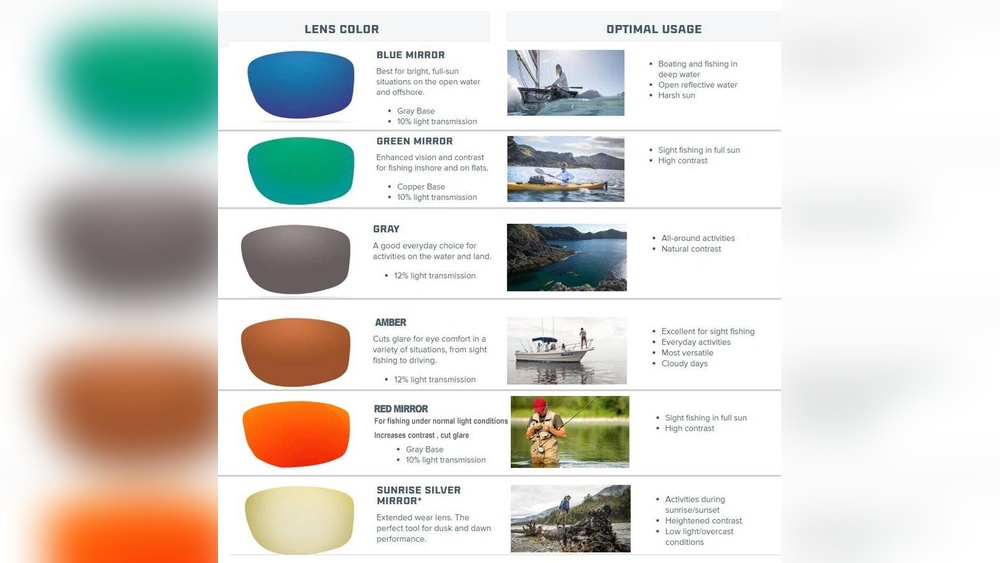
1. Gray Lenses
Gray polarized lenses are popular because they reduce brightness without changing natural colors. They’re your all-around, reliable choice for sunny conditions.
- Best for: Open water, saltwater fishing, and bright sunny days
- Benefits: Maintain true color balance, reduce eye fatigue, good for long hours
- Example: If you’re deep-sea fishing under a clear sky, gray lenses help you spot surface action while keeping your eyes relaxed.
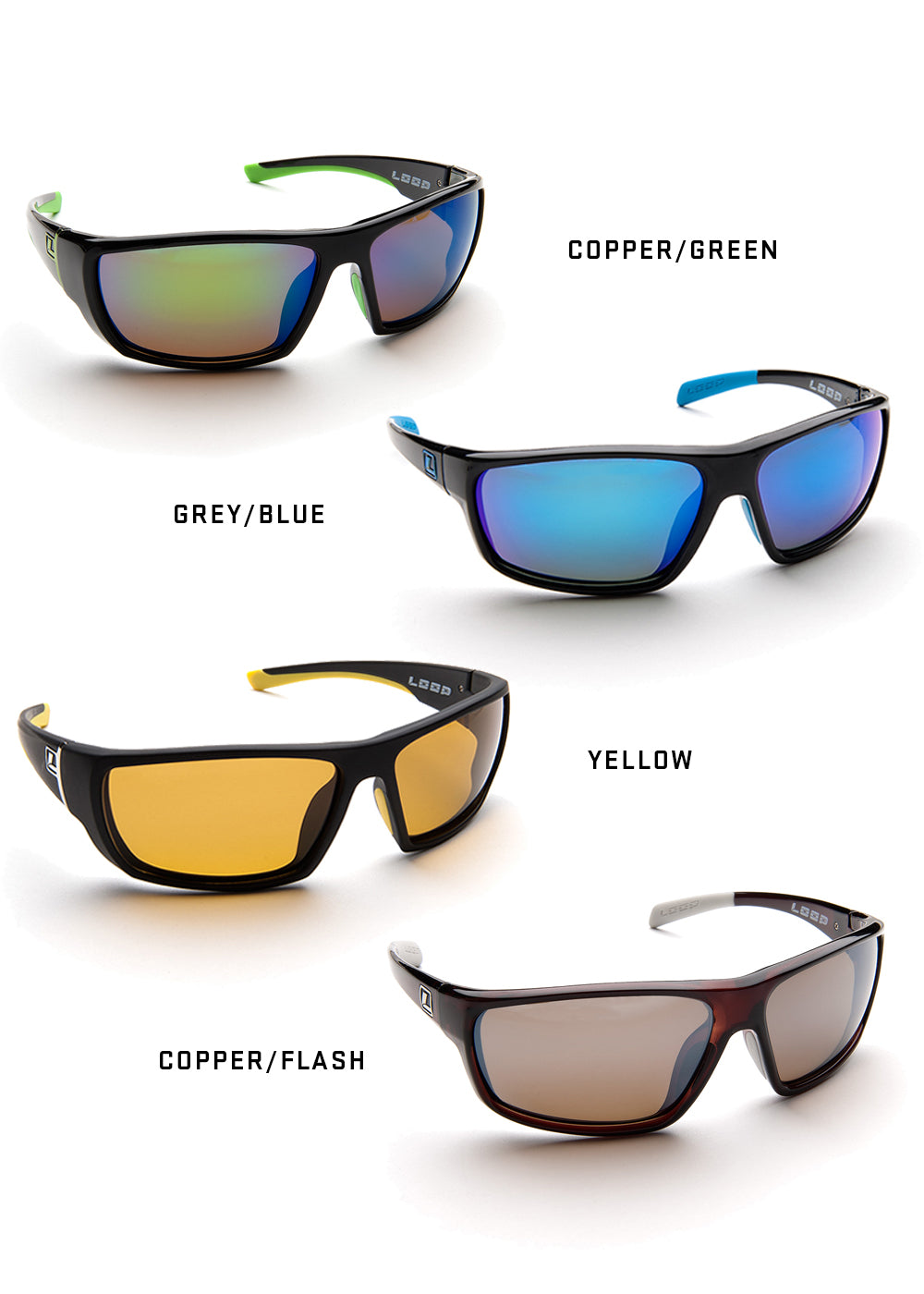
2. Copper/brown Lenses
Copper or brown lenses are a favorite for many freshwater anglers. They increase contrast and depth perception, which helps you see fish and structure beneath the surface.
- Best for: Rivers, lakes, and streams, especially in mixed light or partly cloudy weather
- Benefits: Enhance green and red tones, highlight shadows, improve spotting in shallow water
- Example: Wading through a stream with rocks and weeds, these lenses make fish stand out against the bottom.
3. Amber Lenses
Amber lenses are a close cousin to brown but with a slightly lighter touch. They’re excellent when you need to see details in lower light.
- Best for: Early morning, late afternoon, or overcast days; shallow water; fly fishing
- Benefits: Increase brightness, improve contrast, easy on the eyes when light is dim
- Example: Fly fishing at dawn, amber lenses help you read subtle changes in water and spot rising fish.
4. Green Mirror Lenses
Green mirror lenses use a gray or copper base with a reflective green coating. They combine the benefits of reduced glare with enhanced contrast.
- Best for: Inshore and flats fishing, especially in bright sun and shallow water
- Benefits: Cut glare on sandy or light bottoms, reveal fish in clear water
- Example: When searching for bonefish on the flats, green mirror lenses let you see movement against the sand.
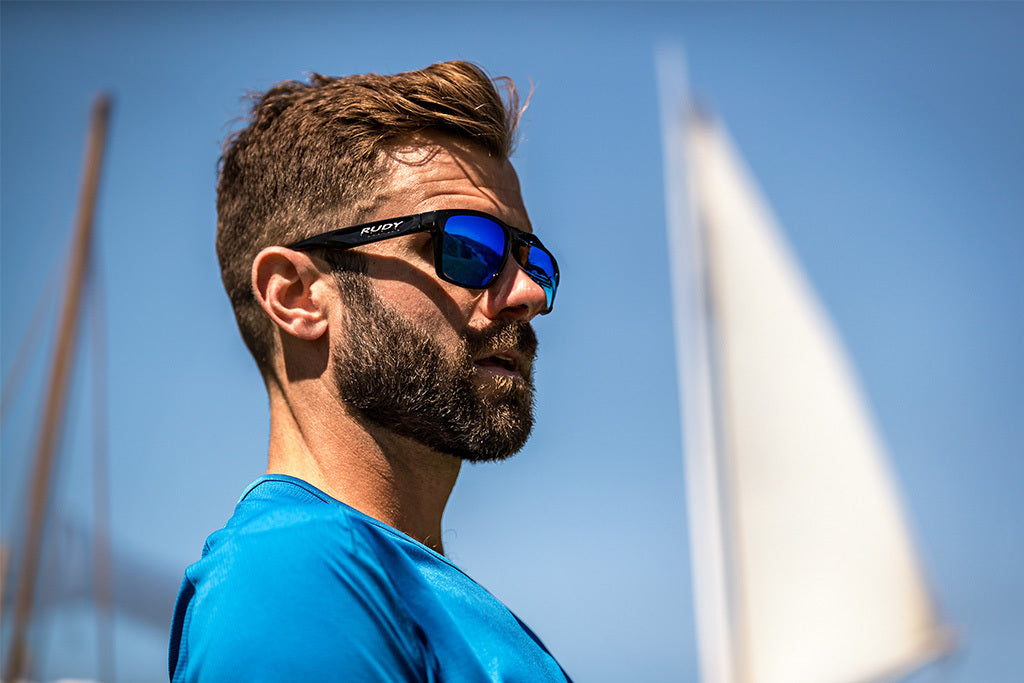
5. Blue Mirror Lenses
Blue mirror lenses are designed for intense sun and open water. They usually have a gray base and a blue reflective coating.
- Best for: Deep sea, offshore, and open lake fishing in full sun
- Benefits: Maximum glare reduction, protect eyes from harsh UV, keep colors true
- Example: On a boat in the Gulf of Mexico at midday, blue mirror lenses cut glare bouncing off the waves.
6. Yellow Lenses
Yellow lenses are less common but useful in very low light. They’re not for bright days, but they shine in early morning, dusk, or heavy overcast.
- Best for: Night fishing, dawn/dusk, or muddy water with little sunlight
- Benefits: Brighten vision, improve contrast, help see structure in dim light
- Example: Fishing for catfish at twilight, yellow lenses help you spot movement in the shadows.
7. Rose/red Lenses
Rose or red lenses are specialty options. They boost contrast and work well in variable conditions, but they’re not as widely used as others.
- Best for: Overcast, foggy, or mixed weather; sight fishing for certain species
- Benefits: Enhance contrast, reduce eye strain, highlight subtle changes in water
- Example: When fishing for bass on a cloudy day, rose lenses help you see beds and nests more clearly.
Comparing Lens Colors: Performance In Different Conditions
To help you decide, here’s a comparison of how different lens colors perform in common fishing situations:
| Lens Color | Best For | Main Benefits | When to Avoid |
|---|---|---|---|
| Gray | Bright sun, open water | Color accuracy, eye comfort | Low light, shaded water |
| Copper/Brown | Freshwater, mixed light | Contrast, depth perception | Very bright, open sea |
| Amber | Low/medium light, streams | Brightness, detail | Midday sun, blue water |
| Green Mirror | Flats, clear shallow water | Glare cut, contrast | Low light, forested streams |
| Blue Mirror | Deep sea, offshore | Maximum glare protection | Cloudy, dusk/dawn |
| Yellow | Very low light, night | Brighten, contrast | Direct sun, mid-day |
| Rose/Red | Fog, overcast, specialty | Contrast, subtle vision | Strong sunlight |
How To Match Lens Color To Your Fishing Location
Choosing the right lens color isn’t just about light—it’s about your fishing spot. Here’s what matters most in common environments:
Saltwater (offshore & Inshore)
- Offshore (Open sea): Sunlight is strong, glare is intense. Gray or blue mirror lenses work best.
- Inshore (Flats, bays): Water is shallower, bottom is brighter. Green mirror or copper lenses help you see fish over sand or grass.
Freshwater (lakes, Rivers, Streams)
- Lakes: Light changes throughout the day. Brown, copper, or amber lenses help with contrast and spotting fish near structure.
- Rivers/Streams: Shadows, rocks, and changing light. Amber or copper lenses highlight movement and fish shapes below the surface.
Low Light Or Overcast Conditions
- Early/late hours, cloudy: Amber, yellow, or rose lenses make it easier to spot fish or read water depth.
- Dense fog or rain: Rose lenses offer the best chance to cut through haze and spot subtle details.
Other Factors That Affect Lens Performance
Lens color is important, but it’s not the only factor. For the best fishing experience, also consider:
Polarization Quality
Not all polarized lenses are equal. Cheap or poorly made lenses may only reduce some glare, not all. High-quality brands use advanced filters that block more horizontal light, making the water clearer and reducing eye strain.
Lens Material
- Glass lenses: Offer the best clarity, scratch resistance, and durability, but they’re heavier and more expensive.
- Polycarbonate lenses: Lightweight and shatter-resistant, good for active anglers, but may scratch more easily.
Uv Protection
Fishing means long hours under the sun. Make sure your lenses block 100% of UVA and UVB rays to protect your eyes from long-term damage.
Lens Coatings
- Mirror coatings: Add an extra layer of glare reduction, especially helpful in very bright conditions.
- Anti-reflective coatings: Reduce light bouncing back into your eyes from the inside of the lens.
- Hydrophobic/oleophobic coatings: Repel water and oil, keeping your vision clear even if lenses get splashed.
Frame Design And Coverage
Lenses only work well if the frame fits your face. Wraparound styles block light from the sides and keep your eyes shielded from stray glare.
Credit: www.magisinsurance.com
Real-world Fishing Scenarios: Matching Lenses To Your Needs
Let’s look at practical examples so you can see how lens color affects your fishing success.
Scenario 1: Saltwater Flats Fishing For Bonefish
You’re standing on a sandy flat in the Caribbean, searching for fast-moving bonefish. The sun is high, water is shallow, and the bottom is bright. A pair of green mirror polarized lenses with a copper base will cut glare from the sand and make the faint shadows of fish more visible.
Scenario 2: Bass Fishing In A Stained Lake
It’s early morning on a lake with muddy water and submerged logs. Here, amber or copper lenses help you spot bass moving in and out of shadow. The extra contrast makes it easier to see subtle changes in the water, like a fish following your lure.
Scenario 3: Offshore Trolling In Full Sun
You’re on a boat, miles from shore, with sunlight bouncing off every wave. Gray or blue mirror lenses offer the best protection, reducing eye fatigue and keeping colors natural, so you can watch for birds or surface action that signals fish.
Scenario 4: Trout Fishing In A Mountain Stream
The water is crystal clear, but light changes as you move under trees. Amber lenses give you bright, clear vision, making it easier to spot trout holding in pockets or near rocks.
Scenario 5: Catfishing At Dusk
Night is falling, and the light is low. Yellow lenses help you see structure, movement, and your line, even as the sun disappears.
Comparing Lens Colors For Common Fishing Environments
To help you choose, here’s another table matching lens colors to real fishing locations:
| Environment | Recommended Lens Colors | Key Advantages |
|---|---|---|
| Deep Sea (Offshore) | Gray, Blue Mirror | Strong glare reduction, color accuracy |
| Saltwater Flats | Green Mirror, Copper | Spotting fish on bright bottoms |
| Freshwater Lakes | Brown, Copper, Amber | Contrast, structure detection |
| Rivers/Streams | Amber, Copper | Detail in moving water, highlight fish |
| Low Light/Overcast | Amber, Yellow, Rose | Brighten vision, enhance detail |
Mistakes Anglers Make When Choosing Lens Color
Many beginners pick sunglasses based on fashion or price. But for fishing, these mistakes can cost you both fish and comfort.
- Choosing too dark a lens: Dark gray or blue mirror lenses are great for midday sun, but they make it hard to see in the morning, evening, or shade. Always match lens darkness to your typical fishing time.
- Ignoring water type: The same lens doesn’t work everywhere. If you only fish in lakes, don’t buy lenses made for offshore saltwater.
- Skipping polarization: Some sunglasses have colored lenses but aren’t polarized. Without polarization, you’ll see glare and miss fish.
- Overlooking fit: Even the best lens color won’t help if light leaks in from the sides. Try on sunglasses with your hat and fishing gear to check for coverage.
- Neglecting UV protection: Not all sunglasses block UV light. This is critical for eye health, especially during long days on the water.
Advanced Tips For Serious Anglers
If you fish in different locations or times of day, consider owning more than one pair of polarized sunglasses. Many serious anglers carry two or three pairs, switching as conditions change. For example:
- Blue mirror for midday ocean fishing
- Amber for early morning or river fishing
- Yellow for dusk or night fishing
Also, clean your lenses regularly. Even the best polarization can’t help if your lenses are dirty or scratched. Use a microfiber cloth and fresh water, and store your sunglasses in a hard case.

Credit: www.grizzlyfishing.com
How To Test If Polarized Lenses Are Real
A common mistake is buying sunglasses labeled “polarized” that aren’t. Here’s a simple test:
- Hold two pairs of polarized sunglasses at a 90-degree angle to each other.
- Look through both. If they go almost completely dark, both are polarized.
- If not, one or both are not truly polarized.
This quick check works in stores or at home, and it helps avoid cheap imitations.
The Impact Of Lens Color On Eye Fatigue
One insight often missed is that the right lens color reduces eye fatigue. Fishing means staring at reflective water for hours. If you choose a lens too light for bright sun, you’ll squint and tire quickly. If you use a lens too dark in the shade, your eyes work harder to focus.
Matching lens color to light conditions not only helps you see fish—it keeps you comfortable and focused longer.
When To Use Photochromic Lenses
Photochromic lenses adjust their darkness based on light. They’re useful if you fish in changing conditions, like moving from bright open water to shady banks. However, they usually don’t get as dark as dedicated sunglasses, and transition speed can be slow. They’re a good backup but not a replacement for specialized fishing lenses.
Children And Polarized Sunglasses
Kids’ eyes are more sensitive to UV and glare. If you take children fishing, get them high-quality polarized sunglasses with the same careful attention to lens color and fit.
Credit: www.rudyprojectna.com
Cost Vs. Quality: Is Expensive Always Better?
Price matters, but expensive doesn’t always mean better for your needs. Focus on:
- True polarization
- UV protection
- Durable frames and lenses
- Fit and comfort
Sometimes, mid-range brands offer the best value. But always check for real polarization and UV labels.
For more in-depth info on lens technology, you can visit the Wikipedia article on polarized sunglasses.
Frequently Asked Questions
What Is The Best All-around Lens Color For Fishing?
If you want one lens for most fishing situations, copper or brown polarized lenses offer the best balance. They boost contrast in many light conditions, from clear lakes to shaded rivers, and work well from morning to late afternoon.
Are Mirrored Lenses Better Than Non-mirrored For Fishing?
Mirrored coatings reduce glare even more, especially in bright sun and open water. They’re not always necessary for low-light fishing, but for offshore or flats fishing, blue or green mirror coatings can make a big difference.
Do Polarized Lenses Help With Night Fishing?
Polarization is less important at night, but a yellow lens can brighten vision in low light. Just remember, most polarized lenses are too dark for nighttime—choose specifically designed low-light lenses.
Can I Use Regular Sunglasses For Fishing?
Regular (non-polarized) sunglasses reduce brightness but not glare. For fishing, polarized lenses are essential. They let you see through the water and spot fish you’d otherwise miss.
How Do I Care For My Polarized Fishing Sunglasses?
Rinse them with fresh water after each use, especially in saltwater. Clean with a microfiber cloth and store in a hard case. Avoid using shirts or paper towels, which can scratch the lenses.
—
Choosing the right polarized lens color isn’t just about style—it’s a practical decision that affects your ability to spot fish, read water, and protect your eyes. Match your lens color to your fishing environment, and you’ll see more, catch more, and enjoy every trip a little bit more.
Whether you fish sunrise to sunset, in rivers or on the open sea, the right lens will make your fishing experience clearer, safer, and more successful.