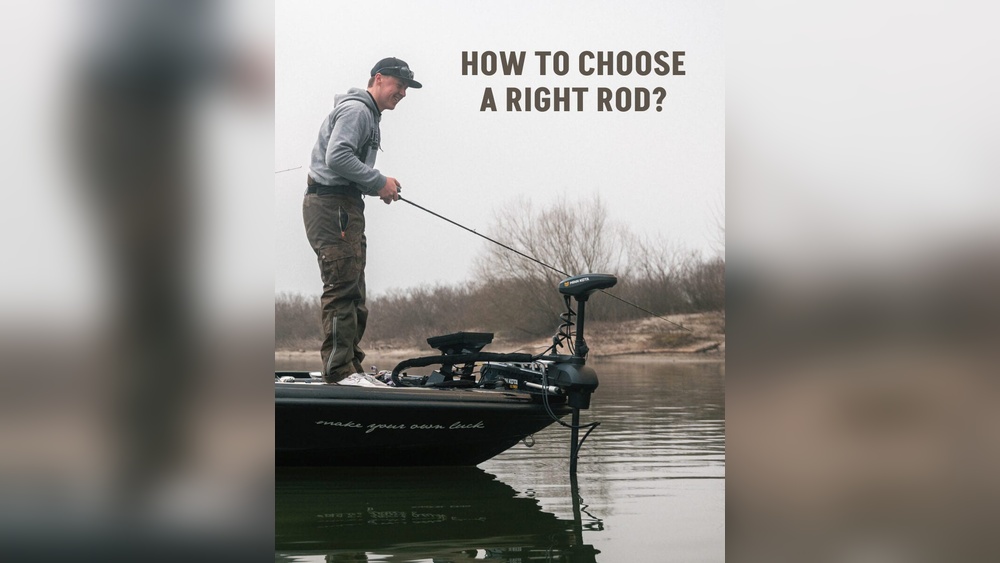
Choosing the right fishing rod can feel confusing, especially for beginners or anyone who has not bought one before. There are so many types, lengths, materials, and features to consider. The right rod makes fishing easier and more fun, but the wrong one can ruin your trip.
If you want to catch more fish, avoid frustration, and enjoy your time by the water, you need to know what to look for. This guide will help you understand the most important factors, explain common mistakes, and give you the confidence to select a fishing rod that fits your needs.
Understand The Basic Types Of Fishing Rods
Before you pick a fishing rod, you should know the main types available. Each rod is designed for a different style of fishing. Here’s a look at the most common ones:
Spinning Rods
Spinning rods are the most popular for beginners. They are easy to use and handle many types of fishing. The reel sits under the rod, making casting smooth and simple. Spinning rods work well for lighter lures and lines, so they are great for catching small to medium fish in lakes and rivers.
Casting Rods
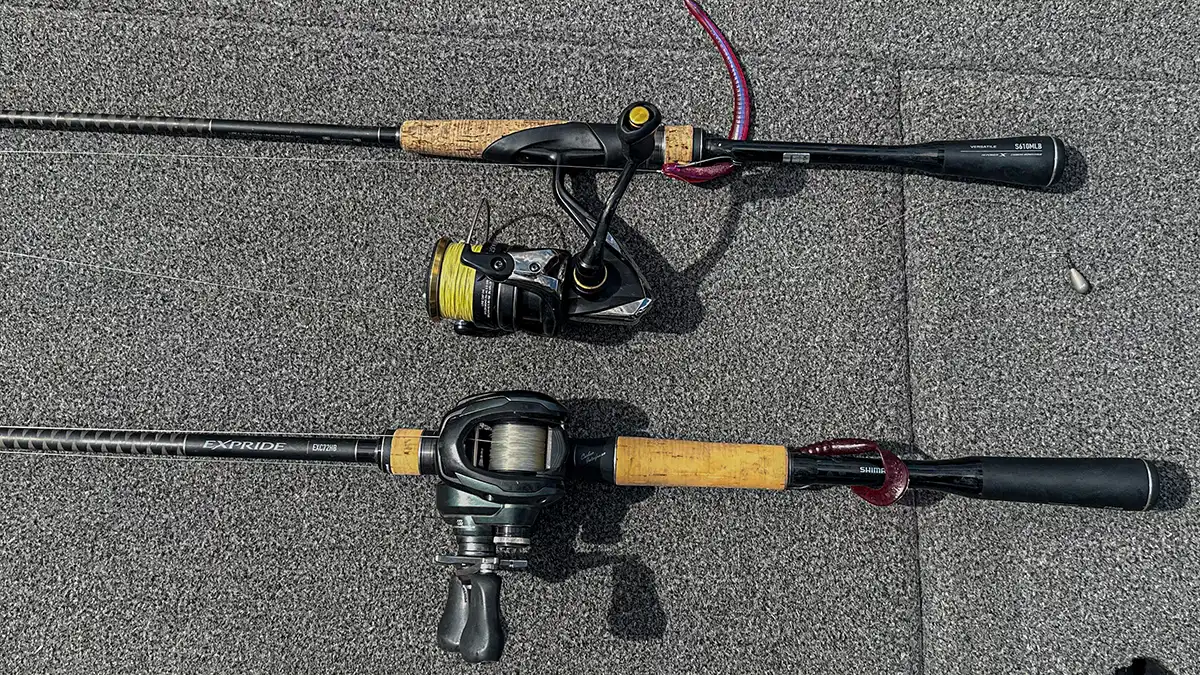
Casting rods are used with baitcasting or spincast reels. They give better accuracy and control but need more skill. The reel sits on top of the rod. These rods are popular for bass fishing and larger fish. If you want to use heavier lures or fish in thick cover, a casting rod is a good choice.
Fly Fishing Rods
Fly rods are different from all others. They use a special line and are made for fly fishing, where you cast a lightweight fly instead of a heavy lure. Fly rods are long, flexible, and only work with fly reels. They are best for trout, salmon, and fishing in rivers or streams.
Telescopic Rods
Telescopic rods are designed for easy transport. They collapse down to a short length so you can carry them in a backpack. These rods are usually spinning rods and are great for travel or hiking trips.
Surf Rods
Surf rods are long and strong, made for fishing from the shoreline in the ocean. They let you cast far out into the waves and handle bigger saltwater fish.
Ice Fishing Rods
Ice rods are much shorter, usually under 36 inches. They are made for fishing through small holes in the ice. Ice rods are simple and strong for pulling fish up through the ice.
Decide Where And How You’ll Fish
The best fishing rod depends on where you plan to fish and what you hope to catch. Ask yourself:
- Will you fish in freshwater or saltwater?
- Are you going to fish from shore, a boat, or a dock?
- What kind of fish do you want to catch?
- Do you need a rod that is easy to carry?
For example, if you fish mostly in lakes for bass or trout, a medium spinning or casting rod is a good choice. If you want to fish in the ocean, you’ll need a rod that can handle saltwater and bigger fish.
Non-obvious insight: Many beginners overlook the effect of wind and current in their fishing area. In windy, open spots, a longer rod can help with casting. In small streams with a lot of trees, a shorter rod is easier to handle.
Choose The Right Rod Length
Rod length is measured from the tip to the end of the handle. Most rods are between 5 and 12 feet long. Length affects how far you can cast, how much control you have, and how you fight fish.
- Short rods (5–7 feet): Give better control, good for fishing near cover or in boats.
- Medium rods (7–9 feet): Offer a balance of casting distance and control.
- Long rods (9–12 feet): Cast farther, useful for surf fishing or large rivers.
If you are a beginner, a rod between 6 and 7 feet is a safe choice for most freshwater fishing.
Comparing Rod Lengths
Here’s a simple comparison to show how rod length affects your fishing:
| Rod Length | Main Benefit | Main Use |
|---|---|---|
| 5–6 feet | High control | Boat, docks, tight spaces |
| 6–7 feet | All-purpose | Lakes, rivers, beginners |
| 7–8 feet | Longer casts | Open water, shore |
| 9–12 feet | Maximum distance | Surf, big rivers |
Tip: Choose the shortest rod that will do the job. Shorter rods are lighter and easier to use for long periods.
Understand Rod Power And Action
Power and action are two of the most important, but often misunderstood, features of fishing rods. They affect how the rod bends and how much force is needed to move it.
Rod Power
Power means how much force it takes to bend the rod. Common ratings are ultralight, light, medium, medium-heavy, and heavy.
- Ultralight: For small fish like panfish or trout.
- Light: Small to medium fish.
- Medium: Good for bass, walleye, and most freshwater fishing.
- Medium-heavy: Handles larger fish and heavier lures.
- Heavy: Made for big fish and heavy cover.
If you use heavy lures on a light rod, it may break. If you use a heavy rod for small fish, you lose sensitivity.
Rod Action
Action is how much of the rod bends when you put pressure on the tip.
- Fast action: Only the tip bends. Good for quick hook sets and single-hook lures.
- Moderate action: The top half bends. Better for treble hooks and crankbaits.
- Slow action: The whole rod bends. Good for small fish and light lines.
Choosing the right power and action is key for success. For example, a medium power, fast action rod is a popular all-around choice.
Action And Power: What’s Right For You?
| Fish Type | Rod Power | Rod Action |
|---|---|---|
| Panfish, Trout | Ultralight/Light | Fast/Moderate |
| Bass, Walleye | Medium | Fast |
| Catfish, Pike | Medium-Heavy/Heavy | Moderate/Fast |
| Surf, Saltwater | Heavy | Moderate |
Non-obvious insight: Rods with fast action are better for fishing with single hooks, while moderate or slow action rods help keep fish hooked when using lures with multiple hooks.
Select The Right Material
Fishing rods are made from three main materials: fiberglass, graphite, and composite. Each has its own advantages.
Fiberglass Rods
Fiberglass is tough and flexible. These rods are hard to break and last a long time. They are heavier and less sensitive, but perfect for beginners and rough use.
Graphite Rods
Graphite is light and sensitive. You feel every bite, which helps with light lures or picky fish. Graphite rods can break if handled roughly, but they are best for advanced anglers who need sensitivity.
Composite Rods
Composite rods mix fiberglass and graphite. They offer a balance of strength and sensitivity. Many modern rods use composite materials for the best mix of features.
Material Comparison
Here’s a quick look at the main rod materials:
| Material | Strength | Sensitivity | Weight | Best For |
|---|---|---|---|---|
| Fiberglass | High | Low | Heavy | Beginners, kids, rough use |
| Graphite | Medium | High | Light | Experienced anglers |
| Composite | High | Medium | Medium | All-around use |
Tip: If you’re not sure, choose a composite rod. It gives you both strength and feel.
Handle And Grip Choices
The handle or grip affects comfort and how well you control the rod. Handles are usually made from cork or EVA foam.
- Cork handles: Light, sensitive, and more comfortable in cold weather. Cork feels better but can get damaged over time.
- EVA foam: Durable, easy to clean, and cheaper. Foam handles last longer, especially in saltwater.
Handles also come in different lengths. Short handles are best for one-handed casting. Longer handles let you use both hands and cast farther.
Non-obvious insight: If you fish in rain or with wet hands, EVA foam grips are less slippery than cork.
Number Of Pieces
Fishing rods can be one-piece or multi-piece. One-piece rods have no joints, so they are stronger and more sensitive. But they are harder to transport.
Multi-piece rods break into two or more pieces, making them easy to carry. Modern multi-piece rods are almost as strong and sensitive as one-piece rods.
If you travel a lot or have a small car, a two-piece or telescopic rod is the best choice.
Guides And Reel Seats
The guides are the rings on the rod. They help the line run smoothly. Guides are usually made from metal with ceramic inserts for less friction.
- More guides mean smoother casts.
- Good guides last longer and help prevent line breakage.
The reel seat is where you attach your reel. Make sure it fits your reel and holds it tightly. A loose reel seat can make fishing difficult.
Tip: Check that the guides are lined up straight and don’t have rough edges.

Credit: fishingbooker.com
Rod Weight And Balance
A rod that is too heavy will tire you out. Good balance means the rod feels comfortable in your hand and does not tip forward or back.
- Lighter rods are better for long days of fishing.
- Try holding the rod with the reel attached before buying. It should feel balanced.
Practical example: Some rods feel light until you attach a heavy reel. Always check with your reel.
Price And Value
Fishing rods come in all price ranges. You can find good rods for under $50, but high-end rods can cost hundreds. Price depends on materials, brand, and features.
- For beginners, a rod in the $30–$80 range is usually enough.
- More expensive rods offer lighter weight, better sensitivity, and longer life.
Don’t spend too much until you know your fishing style. It’s better to buy a good mid-range rod and upgrade later.
Non-obvious insight: Buying a rod and reel as a combo is often cheaper and ensures a good match for beginners.
Match The Rod To Your Reel
Not every rod works with every reel. The most common types are spinning and baitcasting rods and reels.
- Spinning reels go with spinning rods. The guides are bigger and the reel hangs below.
- Baitcasting reels go with casting rods. The guides are smaller and the reel sits on top.
Matching the wrong rod and reel makes casting difficult and can damage the equipment.
Tip: If you are unsure, buy a rod and reel combo designed to work together.
Think About The Lures And Line You’ll Use
Check the line and lure rating printed on the rod. This tells you the best line strength (in pounds) and lure weight (in ounces) for that rod.
- Use a line that fits within the rod’s rating for best performance.
- Too heavy a line can break the rod. Too light a line won’t cast well.
The lure rating helps you pick lures that the rod can handle. If you use a lure that’s too heavy, you risk breaking the rod or casting poorly.
Practical example: A rod rated for 6–12 lb line and 1/4–3/4 oz lures is perfect for most bass and trout fishing.
Special Features And Extras
Some rods have extra features that can be helpful:
- Hook keepers: Small loops to hold your hook when not fishing.
- Color markings: Easy to see in low light.
- Special coatings: Protect against saltwater corrosion.
If you fish in saltwater, pick a rod with corrosion-resistant parts.
Tip: Don’t buy a rod just because it has cool features. Focus on what you really need.
Avoid These Common Buyer Mistakes
Many first-time buyers make the same errors. Here’s what to watch out for:
- Buying the cheapest rod: Cheap rods may break easily or perform poorly. Go for quality within your budget.
- Choosing the wrong length or power: Beginners often pick rods that are too long or too powerful for their needs.
- Ignoring the type of fishing: Make sure your rod matches the fish, water, and style you plan to use.
- Not checking rod and reel compatibility: Always match spinning reels with spinning rods, and baitcasters with casting rods.
- Forgetting about transport: If you travel, a one-piece rod may be hard to carry.
Non-obvious insight: Many beginners think they need a “do-it-all” rod. In reality, no rod is perfect for every situation. It’s better to have one good all-around rod and add more later.
Credit: www.wired2fish.com
Recommended Rod Choices For Beginners
If you’re still not sure, here are three good starting options:
- 6’6” medium power, fast action spinning rod: Great for lakes, rivers, and most fish up to 10 lbs.
- 7’ medium-heavy casting rod: Good for bass, pike, and larger freshwater fish.
- Telescopic spinning rod: Easy to carry and works for most light to medium fish.
Choose a rod from a well-known brand with good reviews. Try to hold the rod in person before you buy.
Where To Buy A Fishing Rod
You can buy rods at outdoor stores, tackle shops, or online. If you are new, go to a local shop where you can ask questions and handle the rod. Staff can help you find the right rod for your fishing style.
If you buy online, check for return policies and read reviews from other anglers.
Pro tip: Don’t forget to buy a fishing license if your area requires one.
For more detailed rod specifications and advice, visit the Wikipedia Fishing Rod page.

Credit: www.reddit.com
Frequently Asked Questions
What Is The Best Fishing Rod Length For Beginners?
For most beginners, a rod between 6 and 7 feet is ideal. It offers a good balance of control and casting distance. Shorter rods are easier to handle, while longer rods help you cast farther.
How Do I Know If A Rod Is Too Heavy For Me?
A rod is too heavy if your arm or wrist gets tired after holding it for a few minutes. Try holding the rod with a reel attached. If it feels unbalanced or strains your hand, choose a lighter rod.
Can I Use The Same Rod For Freshwater And Saltwater Fishing?
You can use some rods for both, but saltwater fishing rods are made with corrosion-resistant materials. If you use a freshwater rod in saltwater, rinse it well after each use and check for rust.
What Is The Difference Between Rod Power And Action?
Rod power is how much force is needed to bend the rod (ultralight to heavy). Rod action is how much of the rod bends when pressure is applied (fast to slow). Both affect casting and how you feel the fish.
Are Expensive Fishing Rods Worth The Money?
Expensive rods offer lighter weight, higher sensitivity, and better materials. For beginners, a mid-priced rod is enough. As you gain experience, you may appreciate the benefits of a high-end rod.
A good fishing rod can last many years if you choose carefully. Focus on your fishing style, comfort, and quality, and you’ll enjoy better results every time you go fishing.