
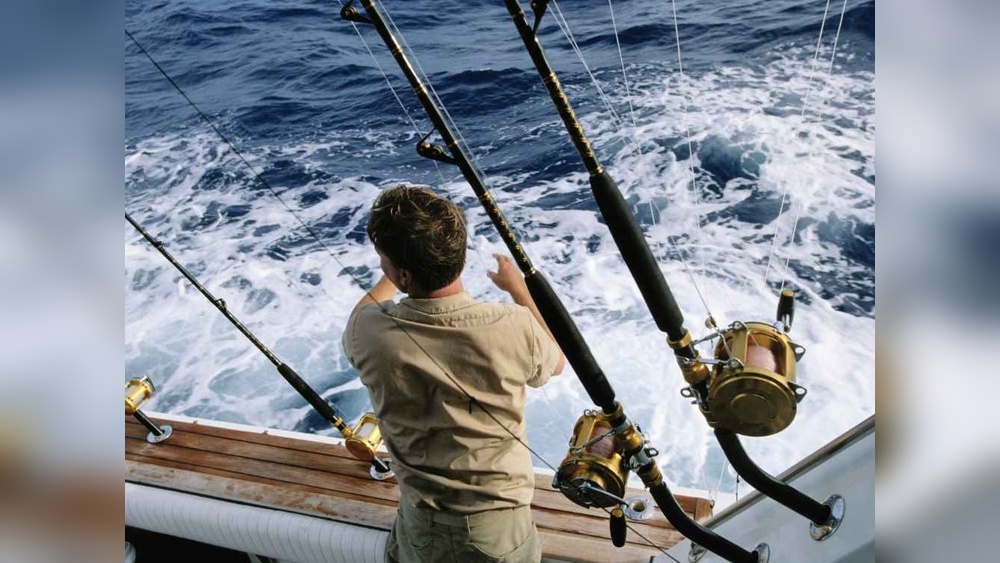
Fishing close to the shore can be a world of difference compared to casting lines from the crashing surf. Both inshore fishing and surf fishing are popular ways to catch saltwater fish, but each offers a unique experience, set of challenges, and rewards. Maybe you’re new to coastal angling, or perhaps you’re looking to try something different next weekend. Understanding the differences between inshore and surf fishing will help you choose the best method for your goals, your local conditions, and your fishing style.
Both styles can deliver exciting catches, peaceful moments, and even some surprises. However, the gear, tactics, fish species, and locations all vary. Some anglers believe surf fishing is just “fishing from the beach,” but there’s more to it. Likewise, inshore fishing is not only about boats and shallow waters.
This guide will explore both methods, so you can decide which one fits your next adventure on the water.
What Is Inshore Fishing?
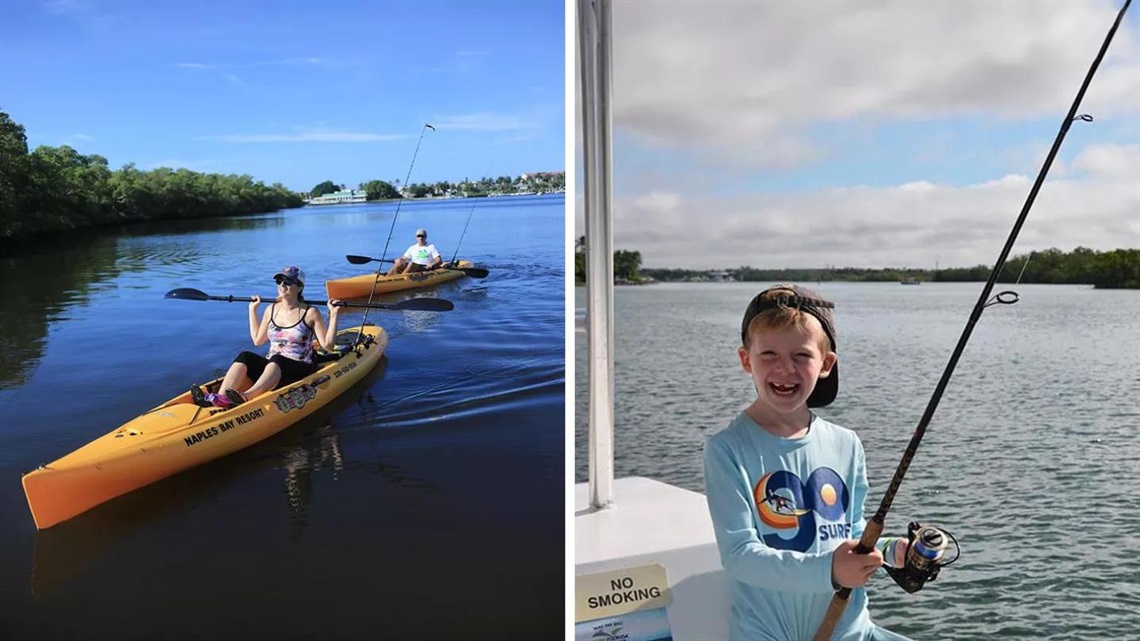
Inshore fishing means targeting fish in shallow coastal waters, typically less than 30 meters (about 100 feet) deep. Anglers fish near the land, often inside bays, estuaries, inlets, flats, and around mangroves. This kind of fishing usually takes place from small boats, kayaks, canoes, or even wading in shallow water.
A key point is that inshore fishing is not limited to one specific habitat. You might be working grassy flats for redfish, casting near docks for snook, or drifting a channel for sea trout. The common thread is staying close to the coast, away from deep sea conditions.
Common Inshore Species
Some popular inshore targets include:
- Redfish (red drum)
- Snook
- Sea trout
- Flounder
- Tarpon (juvenile)
- Sheepshead
- Mangrove snapper
- Black drum
Many of these fish thrive in brackish water, where rivers meet the sea. That means you’ll find inshore action in both saltwater and mixed salt-fresh areas.
Why People Love Inshore Fishing
Inshore fishing is accessible. You don’t always need a big boat or expensive gear. The waters are usually calmer than offshore, making trips less tiring and safer for families. You can target a range of fish with light tackle, which means more action and excitement per pound.
Plus, the scenery in estuaries and flats is often beautiful and full of wildlife.
What Is Surf Fishing?
Surf fishing is casting from the shoreline into the ocean, usually from sandy beaches, rocky shores, or even piers. Anglers stand on the beach and cast their bait or lures beyond the breaking waves, hoping to reach fish feeding in the surf zone.
Surf fishing is sometimes called “beach fishing” but can also include jetties and rocky points. The main idea is you’re not on a boat—you’re fishing where the water meets the land.
Common Surf Species
Surf anglers often catch:
- Striped bass
- Bluefish
- Pompano
- Whiting
- Red drum (especially in the Atlantic and Gulf)
- Flounder
- Surfperch
- Black drum
- Sharks (small to medium)
The target species depend on location and season, but surf fishing can produce both small panfish and trophy catches.
The Appeal Of Surf Fishing
Surf fishing is pure freedom. You can fish at sunrise, sunset, or in the middle of the night. No boat is needed, so it’s budget-friendly. For many, standing barefoot in the sand with the sound of the waves is as relaxing as fishing gets.
Some surf anglers love the social aspect, with families and friends gathering on the beach for a day of casting and fun.
Comparing Inshore And Surf Fishing: Key Differences
To help make the decision clearer, here’s a side-by-side look at the main factors that set these two fishing styles apart.
| Factor | Inshore Fishing | Surf Fishing |
|---|---|---|
| Location | Shallow coastal waters, estuaries, bays | Beaches, shorelines, surf zone |
| Access | Boat, kayak, wading | Walk-in from land, piers |
| Water Depth | Usually less than 100 feet | Shallow, near shore, up to 10 feet |
| Main Gear | Light-medium rods, smaller reels | Long rods, heavy reels, sand spikes |
| Fish Size | Medium (1-20 lbs), some larger | Small to large (1-50 lbs) |
| Weather Impact | Protected waters, less wind impact | Open to wind, waves, tides |
| Cost | Boat/kayak needed for best spots | Minimal gear, no boat required |
Essential Gear: Inshore Vs Surf Fishing
One of the biggest differences between inshore and surf fishing is the fishing gear. The environment shapes your choices, from rods and reels to bait and terminal tackle.
Inshore Gear Basics
- Rod and Reel: Usually 6-8 feet, medium-light or medium action. Spinning reels with 10-20 lb line are common.
- Lures and Baits: Soft plastics, jerkbaits, live shrimp, small crabs, cut bait.
- Tackle: Lighter weights, small hooks (size 1/0 to 4/0), fluorocarbon leaders to avoid spooking fish.
- Boat/Kayak Accessories: Anchor, shallow water pole, GPS, fish finder (optional).
Because inshore fish are often cautious, light line and stealthy presentations matter. Smaller reels and rods make it easier to cast all day and feel the fight.
Surf Fishing Gear Essentials
- Rod and Reel: Long rods (9-12 feet) to cast past the breakers. Heavier reels with 15-30 lb line.
- Lures and Baits: Cut bait, squid, sand fleas, live shrimp, spoons, metal jigs.
- Tackle: Pyramid sinkers to hold in the current, circle hooks (2/0 to 8/0), steel leaders for toothy fish.
- Beach Accessories: Sand spikes to hold rods, bait buckets, carts, waders for cold water.
Casting distance is everything in surf fishing. Longer rods and heavier weights help reach fish beyond the waves. Gear must handle salt, sand, and tough fights.
Pro Tip
Many beginners overlook the importance of cleaning gear after surf fishing. Saltwater and sand can destroy reels and rods quickly. Always rinse your equipment with fresh water after a beach trip.

Credit: www.youtube.com
Techniques And Tactics
The way you fish—how you present bait, where you cast, and how you handle the rod—varies a lot between inshore and surf fishing.
Inshore Fishing Tactics
- Sight Fishing: Spotting fish in clear water and casting directly to them. Common for redfish, snook, and bonefish.
- Drifting: Letting your boat or kayak move with the current, covering lots of water.
- Casting to Structure: Targeting docks, rocks, mangroves, or oyster beds where fish hide.
- Light Lure Action: Using twitching or slow retrieves to mimic baitfish or shrimp.
Because water is often clear, stealth is key. Approach quietly, use light leaders, and make accurate casts.
Surf Fishing Tactics
- Long Casting: Getting your bait past the breakers where fish feed.
- Reading the Surf: Identifying sandbars, troughs, and rips where fish gather.
- Setting Bait: Using multiple rods with different baits and distances to find active fish.
- Timing the Tide: Surf fishing is best around high tide or during moving water.
A non-obvious insight: don’t always cast as far as possible. Sometimes, fish are just behind the first wave. Watch the birds and look for baitfish activity to guide your casts.
Best Times And Seasons
When you fish can be as important as where or how. Both inshore and surf fishing have ideal windows based on tides, weather, and fish migration.
Inshore Fishing Timing
- Early morning and late afternoon are prime times. Fish are more active in low light.
- Tidal movement is crucial. Fish use the current to ambush food.
- Spring and fall often bring the best action, especially for redfish and speckled trout.
Surf Fishing Timing
- High tide is usually best, especially during a rising tide.
- Night fishing can be productive for larger species like striped bass and sharks.
- Summer and fall bring bait runs, attracting big predators close to shore.
A mistake beginners make: ignoring the weather. Both methods are affected by strong wind, but surf fishing suffers more. Rough surf can make it hard to keep bait in place and detect bites.

Credit: www.youtube.com
Cost And Accessibility
Your budget and location may decide which style is easier for you.
Inshore Fishing Costs
- Boat ownership is the biggest expense, but not always needed.
- Kayak fishing is cheaper, but still requires investment.
- Access to public docks and wading spots can be free or low-cost.
- Tackle and bait are generally affordable.
Surf Fishing Costs
- Minimal start-up cost. You can get started with a rod, reel, and basic tackle.
- No boat, no gas, no launch fees.
- Parking or access fees for some beaches.
- Bait and gear are low-cost, but high-end rods/reels can add up.
Surf fishing wins for accessibility. Anyone can try it, even on a short trip to the coast.
Safety Considerations
Both styles have risks, but surf fishing and inshore fishing present different challenges.
Inshore Safety
- Weather can change quickly; thunderstorms, wind, and tides can turn dangerous.
- Boating hazards: Shallow water, hidden rocks, and fast currents.
- Sun exposure: Long days on the water mean a higher risk of sunburn and dehydration.
Surf Safety
- Rip currents: Can pull anglers into deep water.
- Waves: Sudden large waves can knock people down.
- Sharp objects: Hidden shells, rocks, and even fishing hooks buried in the sand.
- Wildlife: Jellyfish, rays, and even sharks near the shore.
Always check the weather, wear a life jacket if wading deep, and keep a close eye on tides.
Environmental Impact
Responsible anglers protect their local waters and fish populations.
- Catch and Release: Both styles benefit from releasing large breeding fish.
- Respect regulations: Seasons, size limits, and bag limits protect the resource.
- Leave no trace: Pick up all trash, especially fishing line and bait containers.
- Protect habitat: Avoid damaging seagrass, dunes, or mangroves.
A tip beginners miss: rinsing your hands before handling fish helps protect their slime layer, which prevents infection.
Choosing The Right Style For You
So, which is better: inshore or surf fishing? The answer depends on your goals, location, and personal style.
| Preference | Inshore Fishing | Surf Fishing |
|---|---|---|
| Best for families/children | Yes (calm, safe waters) | Yes (easy, fun from shore) |
| Best for trophy fish | Possible (tarpon, snook) | Possible (striped bass, drum, sharks) |
| Budget-friendly | Moderate to high cost | Very budget-friendly |
| Adventure/variety | High (move spots, change tactics) | Medium (move along the beach) |
| Scenic beauty | Estuaries, mangroves, wildlife | Beach, ocean, sunrise/sunset |
Myths And Misunderstandings
Many beginners believe inshore fishing is always better because of calmer waters, or that surf fishing is only for beginners. Here are two insights most people miss:
- Big fish come close to shore: Some of the largest red drum, sharks, and striped bass are caught just a few feet from the sand. Don’t underestimate surf fishing for trophy catches.
- Inshore waters can be unpredictable: Even in shallow bays, weather and tides can change quickly, stranding boaters or making navigation difficult.
Advanced Tips For Success
- Use local knowledge. Visit bait shops, ask other anglers, and read local fishing reports for the latest hot spots.
- Vary your bait. If you’re not getting bites, switch bait types or colors.
- Learn to read water. In both styles, look for changes in color, current, or structure to find active fish.
- Practice casting. The difference between a good cast and a poor one can mean more fish, especially in the surf.
Conservation And Ethics
Modern anglers have a responsibility to fish with care. Both inshore and surf environments are under pressure from pollution and overfishing.
- Use non-stainless hooks for catch and release.
- Follow local rules and respect private property.
- Never leave gear, hooks, or line behind.
- If you keep fish, only take what you need.
For more information on ethical angling, check out the guidelines from the U.S. Fish & Wildlife Service.
Frequently Asked Questions
What Is The Main Difference Between Inshore And Surf Fishing?
The main difference is where you fish. Inshore fishing happens in shallow waters near the coast, using boats or wading. Surf fishing means casting from the shore, beach, or pier into the ocean’s surf zone.
Do I Need A Boat For Inshore Fishing?
No, but a boat or kayak helps you reach more spots. Many inshore fish can be caught by wading or fishing from docks, but a boat gives you freedom to explore.
Can I Catch Big Fish While Surf Fishing?
Yes! Surf fishing can produce large striped bass, red drum, and even sharks. Many trophy fish come close to shore to feed, especially at night or during bait runs.
Which Method Is Better For Beginners?
Surf fishing is often easier for beginners because you don’t need a boat and can start with basic gear. Inshore fishing is also beginner-friendly if you have access to good spots, but learning boat handling and navigation takes more time.
How Do Tides Affect Fishing?
Tides affect both styles. Fish often feed more during moving water (rising or falling tides). In surf fishing, high tide brings fish closer to shore. Inshore fishing is best when the current moves bait into feeding areas.
Credit: www.paradisecoast.com
Final Thoughts
Choosing between inshore fishing and surf fishing is not about which is “better,” but which suits your style, budget, and local waters. Inshore fishing offers variety, excitement, and close encounters with a range of species—if you have access to a boat or kayak. Surf fishing, on the other hand, is open to anyone with a rod and a stretch of beach, offering both relaxation and the chance for big catches.
No matter which method you choose, the real joy is time spent outdoors, learning, and connecting with the sea. Try both if you can. You might find yourself drawn to the quiet of the estuary one day and the wild energy of the surf the next.
Either way, you’ll discover why millions of anglers love fishing at the edge of the land and sea.