Fishing brings people to the water for relaxation, excitement, and sometimes a bit of friendly competition. But choosing the right boat can make or break your day. You may have seen pontoon boats cruising on lakes and rivers, carrying families, music, and laughter. But are pontoon boats actually good for fishing? Many anglers, especially beginners, ask this question before investing their money.
Let’s dive deep into the strengths and weaknesses of pontoon boats for fishing. By the end, you’ll know if a pontoon boat suits your fishing style, which features matter most, and what surprises you might encounter along the way.
What Is A Pontoon Boat?
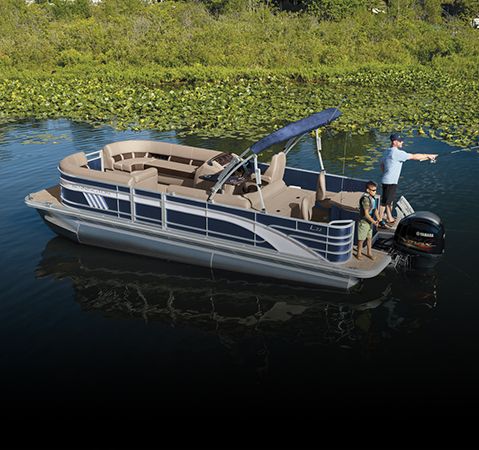
A pontoon boat is a flat-decked boat that sits on two or three large tubes (called pontoons or toons). These tubes provide buoyancy, so the deck sits high and level above the water. Most pontoons have wide, stable platforms and comfortable seating, making them popular for family outings, parties, and yes, fishing. They range from small, basic models to large, luxury boats with many features.
One important note: today’s pontoon boats are not the slow, clumsy rafts from the past. Modern pontoons can be fast, maneuverable, and well-equipped for serious fishing.
Why Do Anglers Consider Pontoon Boats For Fishing?
There are a few reasons why more anglers are thinking about pontoon boats:
- Space and comfort: The wide deck means you can move around, bring friends or family, and avoid feeling crowded.
- Stability: Pontoons are steady, even when people walk or move around. This is important when casting or fighting fish.
- Customization: Many models can be set up for fishing with rod holders, livewells, and fishfinders.
- Multi-purpose use: If you want a boat for both fishing and fun, pontoons fit both roles.
But are these enough to make them a top choice for fishing? Let’s look deeper.
Advantages Of Pontoon Boats For Fishing
Understanding the real benefits can help you decide if a pontoon boat fits your needs. Here’s what stands out:
1. Exceptional Stability
Because pontoon boats rest on wide tubes, they don’t rock as much as V-hull boats. This means:
- Easier to stand and cast, even with several people on board.
- Kids and older adults feel safer moving around.
- Less chance of tipping, even in moderate waves.
A stable platform is a big plus for beginners or anyone who wants a relaxed experience.
2. Huge Deck Space
Pontoon decks are much larger than most fishing boats of the same length. You can:
- Bring more gear, coolers, chairs, and tackle boxes.
- Fish with three or four friends and not bump elbows.
- Set up separate areas for fishing, relaxing, or even grilling.
This space is especially valuable for families or groups.
3. Comfort For Long Hours
Fishing often means hours on the water. Pontoon boats usually have:
- Soft, roomy seating
- Shade canopies (Bimini tops)
- Easy access to bathrooms (on larger models)
- Table space for snacks or drinks
This comfort makes long days enjoyable, even for those who aren’t hardcore anglers.
4. Easy Access To Shallow Waters
Pontoon boats have a shallow draft, meaning they don’t sit deep in the water. This lets you:
- Get close to shorelines, docks, or weed beds where fish hide.
- Avoid running aground on sandbars or rocks.
- Launch and recover from more locations.
Some fishing hotspots are only reachable with a shallow-draft boat.
5. Family And Multi-use Friendly
Not everyone on your boat may want to fish all day. Pontoon boats can easily switch roles:
- Take a break for swimming or tubing.
- Invite family or friends for a picnic.
- Enjoy music or sunbathing when fish aren’t biting.
This versatility increases the boat’s value and keeps everyone happy.
6. High Weight Capacity
Pontoons can carry a lot—people, gear, even pets—without feeling overloaded. For example, a 22-foot pontoon boat often holds 10–12 adults plus supplies. This is more than most fishing boats of similar size.
7. Customization Options
Most manufacturers offer fishing packages with:
- Rod holders
- Livewells (to keep bait or fish alive)
- Trolling motors
- Fishfinders and electronics
- Swivel fishing chairs
- Built-in tackle storage
You can build a fishing pontoon that fits your exact needs.
8. Safety
Pontoons are hard to tip over. Their design helps prevent swamping, and the high rails protect kids and pets. This is especially reassuring for families.
9. Budget Flexibility
You can find basic fishing pontoons for less than $20,000, or luxury models above $100,000. Used boats can cost less. This wide price range means there’s often a model for your budget.
10. Ease Of Maintenance
Pontoons are easy to clean and maintain. The flat deck is simple to wash, and the tubes are tough against minor bumps. Aluminum pontoons resist rust and corrosion better than fiberglass hulls.
Disadvantages Of Pontoon Boats For Fishing
No boat is perfect. Pontoons have some downsides for fishing, especially for certain styles or locations.
1. Wind Drift
Because pontoons sit high above the water, wind pushes them more than low-profile boats. This can make:
- Holding position difficult, especially in open water.
- Anchoring or using a trolling motor more important.
Some anglers add extra anchors or drift socks to slow the boat.
2. Limited Speed And Agility
While modern pontoons can be quick, they’re usually slower and less nimble than bass boats or deep-V fishing boats. This matters if:
- You fish large lakes or rivers where you need to move often.
- You want to reach distant spots quickly.
High-horsepower models can help, but they cost more.
3. Harder To Fish In Heavy Vegetation
Pontoons have a wide, flat front that can catch weeds and debris. This can be a problem if you fish in thick vegetation or narrow marshes.
4. Not For Rough Or Offshore Water
Pontoons are best for calm waters—lakes, slow rivers, or bays. Large waves or strong currents can make for a bumpy, wet ride. They are not designed for open ocean fishing.
5. Trailer And Storage Needs
Pontoons are wider than most boats. You’ll need a bigger trailer and more space to store them. Some marinas charge extra for pontoon slips.
6. Fish Handling And Landing
Most pontoons have high rails. While this is safe, it makes netting and landing fish a little trickier. Some models add gates or lower fishing stations, but it’s worth checking before you buy.
7. Less “serious Angler” Image
Some tournament or hard-core anglers see pontoons as “party boats. ” This is changing as more fishing pontoons appear, but it’s something to consider if you care about image.
Pontoon Boats Vs. Other Fishing Boats
Let’s compare pontoon boats with two popular fishing boat types: bass boats and deep-V boats.
| Feature | Pontoon Boat | Bass Boat | Deep-V Boat |
|---|---|---|---|
| Stability | Very high | Good | Moderate |
| Deck Space | Largest | Small | Moderate |
| Speed | Moderate | High | High |
| Comfort | Excellent | Basic | Good |
| Shallow Water Access | Very good | Excellent | Good |
| Family Use | Best | Limited | Good |
Key insight: For pure fishing performance, bass and deep-V boats win in speed and rough water. For comfort, space, and family fun, pontoons lead.
Types Of Pontoon Boats For Fishing
Not all pontoons are built the same. Here are the main types:
- Basic Pontoons: Affordable, simple. Great for casual fishing, not loaded with gear.
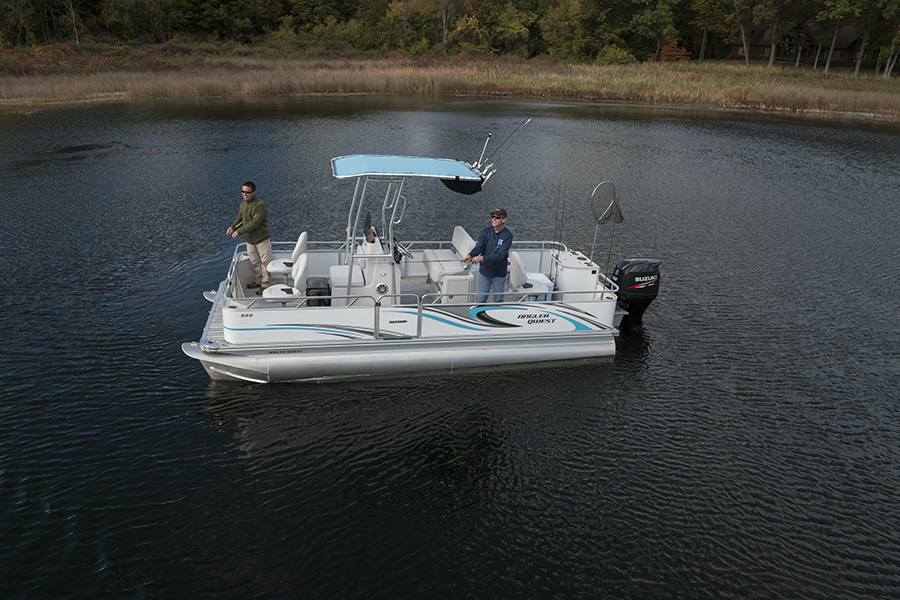
- Fishing Pontoons: Designed for anglers. Come with rod holders, livewells, fish stations.
- Luxury Fishing Pontoons: Add plush seating, top electronics, bigger engines, and extra features.
- Compact/Mini Pontoons: Small, easy to trailer. Good for small lakes or solo anglers.
Example: Sun Tracker Bass Buggy 18 Dlx
- Length: 20 feet
- Deck space: Large enough for 8 people
- Features: 2 fishing chairs, livewell, rod storage, Bimini top
- Price: Around $25,000 (new)
- Great for: Freshwater lakes, family fishing trips
Must-have Features On A Fishing Pontoon
If you want a pontoon boat for fishing, look for these features:
- Swivel fishing seats: Let you cast in any direction.
- Livewell: Keeps bait and catch alive.
- Rod holders: Free your hands and keep rods safe.
- Trolling motor: For quiet, precise movement.
- Fishfinder: Shows depth, fish location, and structure.
- Easy-clean flooring: Vinyl or marine carpet is best.
- Plenty of storage: For rods, tackle, and personal items.
- Anchor system: Holds you in place when drifting.
Some anglers also add a second battery, extra cup holders, or even a small grill for shore lunches.
Real-world Fishing Scenarios
Let’s look at how pontoon boats perform in different fishing situations.
Family Panfish Trip
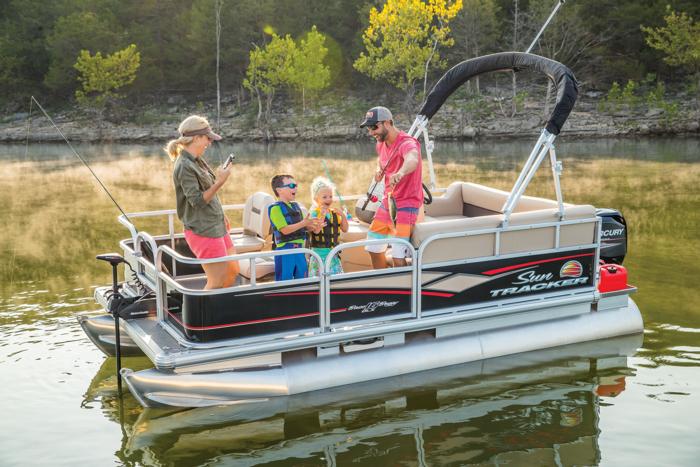
You want to take your kids and a few friends for bluegill and crappie. A pontoon lets everyone fish at once, without crowding. Kids can sit, snack, and play safely. Adults can cast from the bow or stern. If the fishing slows, you can swim or relax.
Serious Bass Angling
You’re after big bass and have all the gear—tackle, electronics, livewell. A fishing pontoon with a trolling motor and swivel seats works well in shallow coves or weed beds. You lose some speed and “stealth” compared to a bass boat, but gain comfort and space.
Night Catfishing
You need space for rods, lanterns, and coolers. Pontoons have room for everything and everyone. The stable deck makes it easy to move in the dark, and the high rails add safety.
Multi-day Trips
For overnight or long day trips, the comfort of a pontoon shines. You can bring food, drinks, shade, and even a portable toilet. Non-anglers can nap or read while you fish.
Credit: www.benningtonmarine.com
Surprising Insights Beginners Miss
Many first-time buyers overlook two key points:
- Weight Distribution: A pontoon’s stability can hide weight shifts. But if everyone stands on one side, the boat can list. Spread passengers and gear evenly for best performance.
- Trolling Motor Power: Because pontoons have more wind drag, you need a stronger trolling motor (higher thrust) than a similar-size V-hull boat. Underpowered motors struggle in wind.
Also, insurance for pontoons is often cheaper than for high-speed boats, especially when used for leisure and fishing.
Cost Comparison
How Does A Fishing Pontoon Stack Up On Price?
| Boat Type | Average New Price | Typical Used Price | Annual Maintenance |
|---|---|---|---|
| Fishing Pontoon (20 ft) | $25,000–$45,000 | $10,000–$25,000 | $500–$1,500 |
| Bass Boat (18 ft) | $30,000–$60,000 | $12,000–$30,000 | $1,000–$2,000 |
| Deep-V Boat (19 ft) | $28,000–$55,000 | $14,000–$28,000 | $800–$1,800 |
Pontoon boats can be more affordable than some specialized fishing boats, especially when you consider multi-use value.
Key Buying Tips For First-time Pontoon Anglers
If you decide to buy a pontoon for fishing, keep these tips in mind:
- Test before you buy. Take a test ride with your gear and family. See how the boat handles and if the layout fits your style.
- Choose the right size. A 20–22 foot pontoon is the sweet spot for most fishing and family needs. Smaller models are easier to trailer and store but have less space.
- Look for fishing packages. These add important features and are often cheaper than adding parts later.
- Consider local fishing spots. Match your boat to the lakes or rivers you’ll use. If you fish small, shallow waters, a compact model may be better.
- Budget for extras. Trolling motors, electronics, and covers add to the total cost.
- Check storage and transport needs. Make sure you have space to store the boat and a trailer to move it.
When A Pontoon Boat Is Not The Best Choice
A pontoon boat might not be right if:
- You fish mostly in big, rough water or offshore.
- Speed and quick movement are your top priorities.
- You want a “pro” image for tournament fishing.
- You need to fish narrow rivers or thick weeds often.
In these cases, a bass boat or deep-V might suit you better.
Credit: www.fishtalkmag.com
Expert Opinions And Data
According to the National Marine Manufacturers Association, pontoon boat sales grew 15% between 2019 and 2022, with many buyers listing fishing as a top reason for purchase. In a survey by Boating Magazine, over 60% of new pontoon owners used their boats for fishing at least monthly.
Even pro anglers are starting to use pontoons for guide trips and family days. For example, Captain Mark Romanack, host of Fishing 411 TV, has shown that modern fishing pontoons can be rigged for walleye, bass, and even salmon trolling.
For more on pontoon boat features and safety, you can visit Wikipedia.
Frequently Asked Questions
What Size Pontoon Boat Is Best For Fishing?
A 20–22 foot pontoon is best for most anglers. It balances space, handling, and price. This size fits most families and can be towed by common vehicles.
Can You Use A Pontoon Boat For Saltwater Fishing?
Yes, but with care. Aluminum pontoons resist corrosion, but you should rinse the boat after every saltwater trip. Pontoon boats are best for bays and calm inshore waters, not the open ocean.
Do Pontoon Boats Have Enough Storage For Fishing Gear?
Most fishing pontoons have lots of storage under seats and in dedicated lockers. Look for models with rod lockers, tackle trays, and livewells for the best fishing setup.
Are Pontoon Boats Hard To Trailer And Launch?
They are wider and taller than other boats, so you need a bigger trailer and more space at the ramp. Many beginners find them easier to load because of the flat deck, but practice helps.
How Long Do Pontoon Boats Last?
With proper care, a pontoon boat can last 15–25 years or more. The tubes are tough, and decks can be replaced or refurbished as needed.
Credit: www.fishtalkmag.com
Final Thoughts
So, are pontoon boats good for fishing? For many people, the answer is yes. They offer unmatched space, comfort, and safety, especially for families or those who want to mix fishing with fun. Their stable platform makes learning easy, and modern fishing pontoons are well-equipped for serious angling.
However, if you need speed, fish in very rough water, or want a “pro” tournament image, a bass or deep-V boat may be better. The best choice depends on your fishing style, where you go, and who comes with you.
In the end, a pontoon boat can turn fishing into a social, relaxing, and enjoyable adventure for everyone on board. Before you buy, try one out—and see if it fits your dream day on the water.