
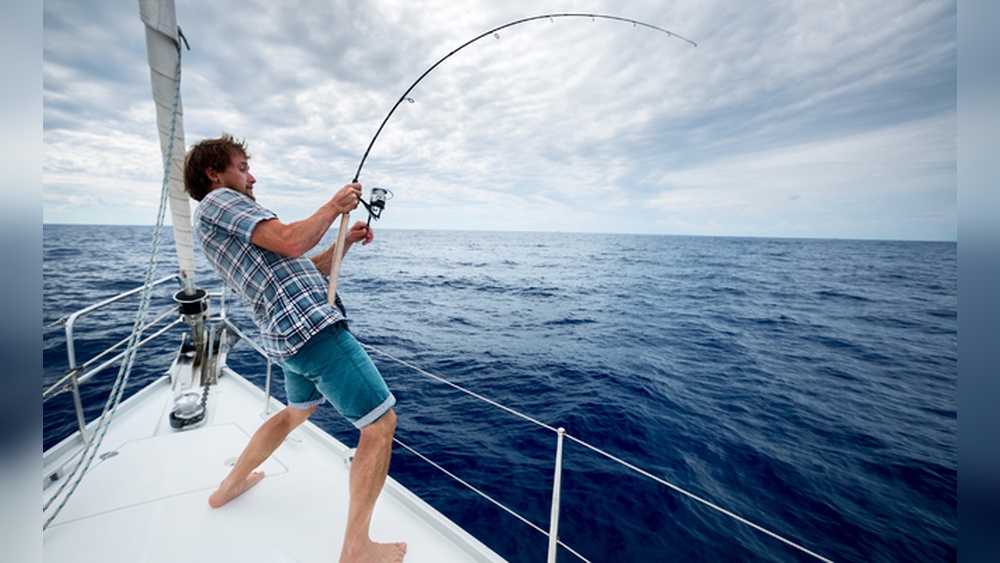
Deep sea fishing has always captured the imagination of adventurers and nature lovers. The idea of heading far from land, battling large fish, and facing the open ocean is thrilling. But with the excitement comes a question many ask: Is deep sea fishing dangerous? The answer is not simple. While many people enjoy this sport safely every year, it does carry real risks that are different from fishing in lakes, rivers, or near the coast.
Many new anglers focus only on the fun and forget about preparation. Some believe that danger comes only from bad weather or big waves. In reality, deep sea fishing involves many hidden risks, from equipment failures to unexpected wildlife encounters.
If you want to try this activity, it’s important to understand not just the obvious dangers but also the less visible ones. This article will break down the risks, separate myths from facts, and explain how you can stay safe while enjoying deep sea fishing.
What Makes Deep Sea Fishing Different
Deep sea fishing, also called offshore or big-game fishing, means traveling far from land—often many miles—into deep ocean waters. Here, the depth can quickly reach hundreds or even thousands of feet. The types of fish are different too. You may catch tuna, marlin, swordfish, or even sharks, which are much larger and stronger than most fish found closer to shore.
The main differences are:
- Distance from land: You can’t quickly return to shore if there’s a problem.
- Changing weather: Conditions can change fast, and storms are more dangerous in open water.
- Bigger fish and waves: The physical force of both can surprise new anglers.
- Complex equipment: Bigger boats and stronger gear mean more things can go wrong.
These factors combine to create a unique experience that is exciting, but comes with its own set of dangers.
Main Risks Of Deep Sea Fishing
Understanding the main risks is the first step toward safe deep sea fishing. Let’s look at what can go wrong, and why.
1. Weather Hazards
The ocean’s weather can change suddenly. A sunny morning can turn into a rough storm within hours. High winds, big waves, and heavy rain make navigation and fishing difficult, even for experienced crews.
- Sudden storms can cause boats to capsize or fill with water.
- Fog reduces visibility, making it easy to get lost or hit another boat.
- Lightning is a real risk in open water.
Even with modern weather forecasts, the ocean is unpredictable. Many accidents happen because of underestimating the weather.
2. Boat-related Dangers
Your boat is your lifeline. Problems here can quickly become life-threatening.
- Mechanical failures: Engine trouble, steering loss, or electrical problems can leave you stranded.
- Hull damage: Hitting floating objects or rocks can make the boat take on water.
- Navigation mistakes: GPS errors or poor map reading can lead you off course.
Professional charters check their boats carefully before leaving. However, private trips often skip these checks, leading to higher risk.
3. Personal Safety Risks
Deep sea fishing is physically demanding and can be dangerous for your body.
- Falls and slips: Wet decks are slippery. A hard fall can break bones or cause head injury.
- Getting pulled overboard: Fighting a big fish can jerk you off balance, especially if not strapped in.
- Seasickness: Motion sickness is not just uncomfortable; it can make you weak and confused, which increases accident risk.
Some beginners are surprised by how quickly they become exhausted, especially during long battles with large fish.
4. Wildlife Encounters
You are not alone in the deep ocean. Wildlife adds both excitement and risk.
- Sharks and large predatory fish can bite or injure if handled carelessly.
- Jellyfish and stingrays are sometimes caught accidentally and can sting badly.
- Birds and mammals may get tangled in lines, causing chaos on board.
Most injuries happen when people try to touch or unhook wild animals without proper training.
5. Equipment Hazards
Deep sea fishing gear is heavy and powerful.
- Sharp hooks and knives: These tools can easily cut hands or feet.
- Heavy rods and lines: The tension from a hooked fish can snap a line or cause a rod to whip back.
- Winches and moving parts: Loose clothing or fingers can get caught, leading to serious injury.
Never rush or handle equipment carelessly. One mistake can cause lifelong injury.
6. Medical Emergencies
Being far from help makes any injury or health problem more serious.
- Heart attacks, allergic reactions, or dehydration are harder to treat offshore.
- Sunburn and heatstroke are common due to strong sun and reflection from water.
- Severe cuts or fishhook injuries can quickly become infected in the salty, dirty environment.
Most boats carry basic first aid kits, but they are not enough for serious emergencies.
7. Getting Lost Or Drifting
If your boat loses power or you get separated from the group, you can drift for hours or days.
- No cell signal: In deep waters, phones often don’t work.
- Navigation tools fail: If GPS or radios break, finding your way back is hard.
- Currents: Ocean currents can carry you far from your planned route.
In rare cases, people have been lost at sea for days before rescue.
Credit: www.businessinsider.com
Comparing Deep Sea Fishing To Other Types Of Fishing
How dangerous is deep sea fishing compared to lake or river fishing? Here is a side-by-side comparison:
| Risk Factor | Deep Sea Fishing | Lake/River Fishing |
|---|---|---|
| Weather Changes | Very high | Low to moderate |
| Wildlife Encounters | High (large fish, sharks) | Low (smaller fish) |
| Getting Lost | Moderate to high | Low |
| Medical Help Nearby | Poor | Good |
| Equipment Danger | High | Low |
While all fishing has risks, deep sea fishing is much more dangerous, mainly due to the unpredictable environment and distance from help.
Real-life Accidents And Data
To understand the risks, let’s look at some real data. According to the U.S. Coast Guard, fishing is one of the most dangerous jobs in America. Recreational deep sea fishing is safer than commercial, but still risky.
- Every year, over 400 accidents involving recreational fishing boats are reported in the U.S.
- Around 30-40 deaths per year are linked to offshore fishing activities.
- Most deaths happen because of capsizing, falling overboard, or medical emergencies far from shore.
A well-known example is the 2015 Gulf of Mexico incident where a sudden storm capsized a charter boat. Four people died before rescue teams could arrive. The main lessons were poor weather checks and not wearing life jackets.
Common Mistakes Beginners Make
Many dangers come from simple mistakes, especially by those new to deep sea fishing.
- Ignoring weather reports: Some believe the weather will stay calm.
- Not wearing life jackets: Many think they are unnecessary on large boats.
- Handling big fish alone: Trying to land a large fish without help is risky.
- Underestimating sun and dehydration: Hours in the sun can cause serious heat problems.
- Poor first aid knowledge: Many don’t know what to do in case of injury.
- Not securing equipment: Loose rods and gear can become projectiles on rough water.
- Not telling anyone about their trip: If lost, rescue teams don’t know where to look.
One insight many miss: sea conditions can change faster than most people expect. Even if the morning is calm, always plan for the worst.
How To Reduce The Dangers
Deep sea fishing will always have some risks, but there are proven ways to stay safer.
1. Choose The Right Charter
If you are new, go with a reputable charter company. Look for:
- Licensed, experienced captains
- Good safety records
- Well-maintained boats
- Clear safety briefings before departure
Read reviews and ask questions before booking. A professional crew knows how to handle emergencies.
2. Check The Weather
Never go out if bad weather is possible. Check several sources, such as the National Oceanic and Atmospheric Administration (NOAA) website, and listen to local radio updates. Even if the weather looks good, be ready to turn back quickly if things change.
3. Wear Proper Safety Gear
Always wear a life jacket. Modern life jackets are comfortable and will not stop you from fishing.
- Wear non-slip shoes.
- Bring a hat, sunglasses, and sunscreen.
- Use gloves when handling fish or sharp gear.
It’s better to look over-prepared than to regret missing safety gear.
4. Learn Basic First Aid
Take a basic first aid course before your trip. Know how to:
- Treat cuts and punctures
- Handle heatstroke and dehydration
- Perform CPR
Most boats have a first aid kit, but you must know how to use it.
5. Communicate Your Plan
Tell friends or family exactly where you are going and when you plan to return. Carry a marine radio and know how to call for help. Don’t rely only on cell phones.
6. Respect The Ocean
Stay alert and humble. The ocean is powerful and does not care about your experience level. Never fish alone, and always listen to your captain or guide.
7. Use The Right Equipment
Check all gear before you leave. Make sure:
- Life jackets fit everyone on board
- Emergency flares and radios work
- All fishing gear is in good shape
Don’t use damaged or unfamiliar equipment.
8. Stay Hydrated And Protected
Bring plenty of water and snacks. Drink water often, even if you don’t feel thirsty. Apply sunscreen every two hours. The sun’s reflection from water makes burns worse.
9. Know Your Limits
If you are tired, seasick, or feel unwell, tell someone right away. Don’t push yourself to fight a fish beyond your strength. It’s okay to let someone else help or take over.
Essential Safety Equipment
What should you always have on a deep sea fishing trip? Here’s a list of the most important items:
| Item | Purpose |
|---|---|
| Life jacket | Keeps you afloat if you fall in |
| Marine radio | Contact help if needed |
| First aid kit | Treats injuries quickly |
| Flares | Signal for rescue |
| Sunscreen and hat | Protects from sunburn |
| Extra water and food | Prevents dehydration and hunger |
| Knife or multi-tool | Cut lines or free tangled gear |
Having the right equipment can turn a dangerous situation into a manageable one.
Deep Sea Fishing With Children And Beginners
Bringing kids or first-timers adds extra responsibility. Children are at higher risk of falling overboard or getting injured by heavy gear. Here are some important tips:
- Make sure children always wear life jackets.
- Supervise them closely around equipment.
- Choose shorter, calmer trips for their first experience.
- Teach basic safety rules before leaving the dock.
Some parents forget that children tire quickly and may get seasick more easily. Plan to return early if needed.
Credit: www.thirdplacebooks.com
The Role Of Experience
Experience makes a big difference in safety. A skilled crew can spot trouble early and knows how to react. However, even experts cannot control the ocean. Overconfidence is dangerous.
One non-obvious insight: many accidents happen because experienced anglers ignore basic rules, believing they are too skilled for small mistakes. Always respect the ocean, no matter your experience.
Mental And Emotional Risks
Deep sea fishing can also be stressful. Some people panic in rough water or if the boat breaks down. Fear and stress can lead to poor decisions, such as jumping into the water or mishandling equipment.
If you feel nervous, talk to the captain before the trip. It’s better to stay calm and communicate than to keep silent about your worries.
The Rewards And Why People Still Go
Despite the risks, thousands enjoy deep sea fishing every year. Why? Because the rewards are real:
- The thrill of catching a big fish
- Beautiful ocean views
- Time with friends and family
- Learning new skills
With good preparation and respect for the sea, you can enjoy this amazing experience safely.
When Should You Avoid Deep Sea Fishing?
Not everyone should try deep sea fishing. You should avoid it if:
- You can’t swim or are afraid of water
- You have serious medical conditions (heart, seizures)
- You are very young or very old
- You are not willing to follow safety rules
Ask your doctor if you have health concerns. Safety should always come before adventure.
Credit: www.ilhafm.com.br
Final Thoughts
So, is deep sea fishing dangerous? The honest answer is yes—it has real risks, some obvious and some hidden. But with the right preparation, knowledge, and respect for the ocean, these risks can be managed. Most dangers come from ignoring basic rules, not from the ocean itself.
Don’t let fear stop you from enjoying deep sea fishing. Instead, use that fear to prepare wisely. Learn from others, follow safety advice, and always put safety first. The ocean is beautiful and powerful, and with the right approach, you can enjoy it for many years.
For more statistics and safety guidelines, you can visit the NOAA Fisheries website.
Frequently Asked Questions
What Should I Do If Someone Falls Overboard During Deep Sea Fishing?
Stay calm and shout “man overboard. ” Throw a life jacket or floatation device immediately. Keep your eyes on the person and alert the captain. Never jump in after them unless you are trained. The boat should circle back and pick up the person safely.
How Likely Am I To Get Seasick While Deep Sea Fishing?
Seasickness is very common, especially for beginners. About 1 in 3 people feel some nausea on their first trip. Take motion sickness medicine before leaving and avoid heavy meals. Stay in fresh air and focus on the horizon if you feel sick.
What Is The Best Time Of Year For Safe Deep Sea Fishing?
Late spring to early fall is usually safest in most regions, as storms are less common. However, always check local weather forecasts. Some places have hurricane or cyclone seasons when offshore fishing is riskier.
Can Children Safely Go Deep Sea Fishing?
Children can enjoy deep sea fishing if you choose a reputable charter, short trips, and calm weather. They must always wear life jackets and be supervised at all times. Not all boats are suitable for kids, so check in advance.
Is Deep Sea Fishing Suitable For Non-swimmers?
Non-swimmers can go deep sea fishing if they always wear a life jacket and stay alert. However, it’s safer to learn basic swimming skills first. In emergencies, being able to swim increases your chances of survival.