
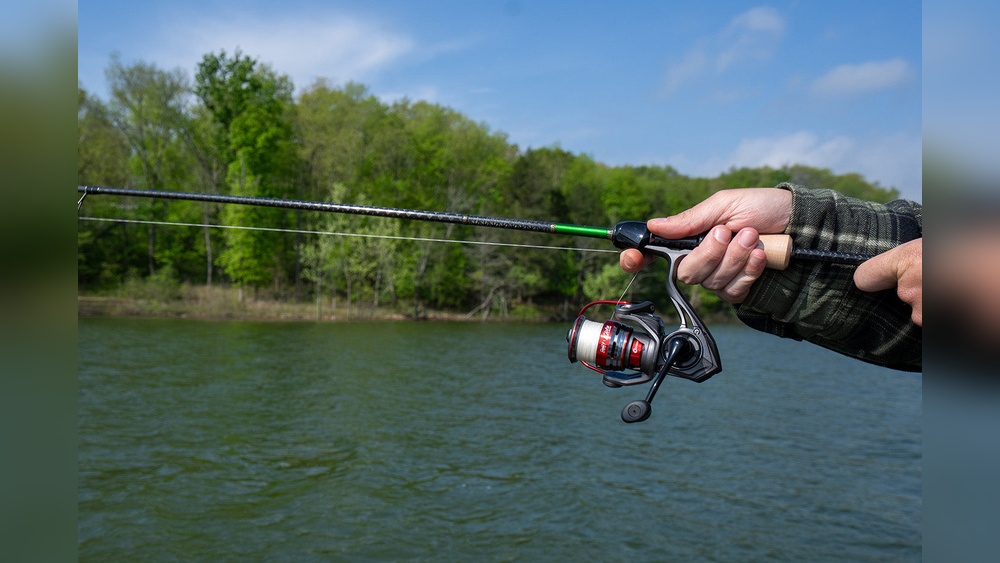
Fishing Pole Vs Fishing Rod: What’s The Real Difference?
Many people use the words fishing pole and fishing rod as if they mean the same thing. You hear anglers talk about their “rod” or “pole” at the lake or in fishing shops. But are they really identical tools, or do they have important differences? Understanding the true meaning behind these terms can help you pick the right gear, catch more fish, and avoid common mistakes. Whether you’re new to fishing or want to upgrade your equipment, knowing the difference is a sign of a smart angler.
Let’s explore the world of fishing poles and rods, see how they work, and learn which one is best for your needs. We’ll look at their history, materials, designs, and which situations call for each tool. You’ll also find real-world advice, expert tips, and answers to the questions beginners often forget to ask.
Defining The Basics: Fishing Pole And Fishing Rod
Both tools are used for catching fish, but their structure and use are not always the same. The confusion often comes from the way people talk about them in different places. In some countries, “pole” and “rod” are used for the same thing, while in others, they mean different tools.
What Is A Fishing Pole?
A fishing pole is a long, flexible stick, usually made from natural materials like bamboo or cane. It does not have guides (small rings for the line) or a reel. Instead, the fishing line is tied directly to the tip. This setup is very simple and has been used for hundreds of years. Poles are often used for catching smaller fish in calm waters, where you don’t need to cast far.
What Is A Fishing Rod?
A fishing rod is a more modern tool. It is usually made from materials like fiberglass, carbon fiber, or graphite. Rods have guides along their length to keep the line in place, and a reel is attached near the handle. This allows the angler to cast the line farther, control the fish better, and use different techniques. Rods come in many styles for different types of fishing, from small streams to deep-sea adventures.
The History Behind Fishing Poles And Rods
Understanding where these tools come from helps explain why they are different today.
The Origins Of The Fishing Pole
The earliest fishing poles were very simple. Ancient people used long sticks, tied a string to the end, and put a baited hook in the water. Bamboo became popular in Asia for its strength and flexibility. In Europe, cane poles were common for small rivers and ponds.
These tools changed little for centuries.
The Rise Of The Fishing Rod
With the Industrial Revolution, new materials like steel and later fiberglass and graphite allowed rods to be lighter and stronger. The invention of the fishing reel also changed everything. Now, anglers could cast farther, fight bigger fish, and use more advanced techniques. Fishing rods became specialized for different fish and water types.

Credit: www.wavveboating.com
Key Differences Between Fishing Pole And Fishing Rod
At first glance, the two tools look similar. But several features set them apart.
| Feature | Fishing Pole | Fishing Rod |
|---|---|---|
| Material | Bamboo, cane, reed | Fiberglass, carbon fiber, graphite |
| Guides | None | Has guides/rings |
| Reel | No reel | Uses a reel |
| Line Attachment | Tied to tip | Runs through guides |
| Use | Simple, short-range fishing | Long-range, versatile fishing |
Materials
Fishing poles are usually made from natural materials. Bamboo is the most famous because it bends without breaking and is easy to find. Fishing rods use modern materials like fiberglass, graphite, or carbon fiber, making them lighter and more durable.
Construction
Poles are one straight piece or sometimes two pieces joined together. Rods are often made in two or more sections that fit together, making them easier to transport.
Line Management
On a pole, the line is tied directly to the end. There are no guides or rings to control the line. On a rod, guides run along the length, keeping the line straight and under control, especially when casting or fighting a fish.
Reels
A fishing pole has no reel. The line is always the same length as the pole (or a bit longer). A fishing rod almost always has a reel attached, allowing for longer casts and better control.
Purpose And Style
Poles are best for simple, close-range fishing. Rods are used for many different types of fishing: spinning, baitcasting, fly fishing, surf fishing, and more.
When To Use A Fishing Pole
A fishing pole is perfect for some situations, even today.
Best For Beginners
For children or first-timers, a pole is a simple way to start. You don’t have to learn to cast or manage a reel. You can focus on feeling the bite and catching your first fish.
Quiet, Close-range Fishing
If you’re fishing in a small pond, canal, or slow river where fish are close, a pole can be very effective. You simply drop the bait in the water and wait.
Panfish And Small Species
Poles are great for catching bluegill, crappie, perch, or small trout. These fish don’t put up a huge fight, so you don’t need a strong rod or reel.
Budget-friendly
A good bamboo pole can cost much less than a modern rod and reel setup. For those on a budget or just fishing for fun, a pole is a smart choice.
When To Use A Fishing Rod
A fishing rod offers more options and power. Here’s when you should choose a rod:
Distance Casting
If you need to cast your bait or lure far from shore, a rod and reel are necessary. The guides and reel help you control the line and reach distant fish.
Bigger Or Stronger Fish
Fighting a large bass, catfish, or even a salmon needs more control and strength. A rod lets you use the reel to wear out the fish and land it safely.
Different Fishing Styles
Modern rods are designed for specific types of fishing:
- Spinning rods for casting lures
- Baitcasting rods for heavier lures and lines
- Fly rods for fly fishing with lightweight flies
- Surf rods for casting from the beach
Each style uses a different rod and reel setup.
Fishing In Moving Water
If you fish in rivers with a current or in the sea, a rod lets you control your bait and line more precisely.
Advanced Techniques
A rod and reel open up many techniques like trolling, jigging, or drop-shotting. These methods are hard or impossible with a simple pole.
Comparing Performance: What Matters Most
Choosing between a fishing pole and a fishing rod depends on what you want to do. Here’s a direct comparison to make it easier:
| Situation | Best Choice | Why |
|---|---|---|
| Teaching kids or first-timers | Fishing Pole | Simple, easy to use, less to learn |
| Fishing for small fish | Fishing Pole | No need for complex gear |
| Targeting big or strong fish | Fishing Rod | More control and strength |
| Long-distance casting | Fishing Rod | Reel and guides help cast further |
| Different fishing styles | Fishing Rod | Special rods for each technique |
| Budget fishing | Fishing Pole | Less expensive |
Credit: www.youtube.com
Common Mistakes When Choosing Gear
When picking between a fishing pole and a rod, many beginners make simple mistakes that can ruin a fishing trip.
Choosing Based On Price Alone
It’s easy to think a cheap pole is always best, but if you want to fish in many places or try new techniques, a rod is a better investment. Don’t let price be your only guide.
Ignoring The Type Of Fish
If you try to catch a big fish with a simple pole, you risk breaking your gear or losing the fish. Match your tool to the size of the fish.
Not Considering Local Rules
Some fishing spots only allow certain types of gear. In some European countries, pole fishing is very popular and even used in competitions. Elsewhere, rods are required for certain types of fishing. Always check local regulations.
Overcomplicating For Beginners
If you’re just starting, a simple pole is often enough. Many beginners get overwhelmed by complex rods and reels.
Forgetting About Maintenance
Natural poles need more care (keeping them dry, checking for cracks), while modern rods are more resistant to weather and damage.
Real-world Examples
Let’s look at some situations to see how the choice matters:
Example 1: Pond Fishing With Kids
Sarah takes her children to a small pond. She uses bamboo poles, ties on a small hook, and baits with worms. The kids catch sunfish and have a great time. No need for long casts or expensive gear.
Example 2: River Fishing For Trout
Mark goes to a fast-moving river. He needs to cast upstream and control his line in the current. He uses a graphite spinning rod and reel, which lets him cast light lures and fight strong trout.
Example 3: Urban Canal Fishing
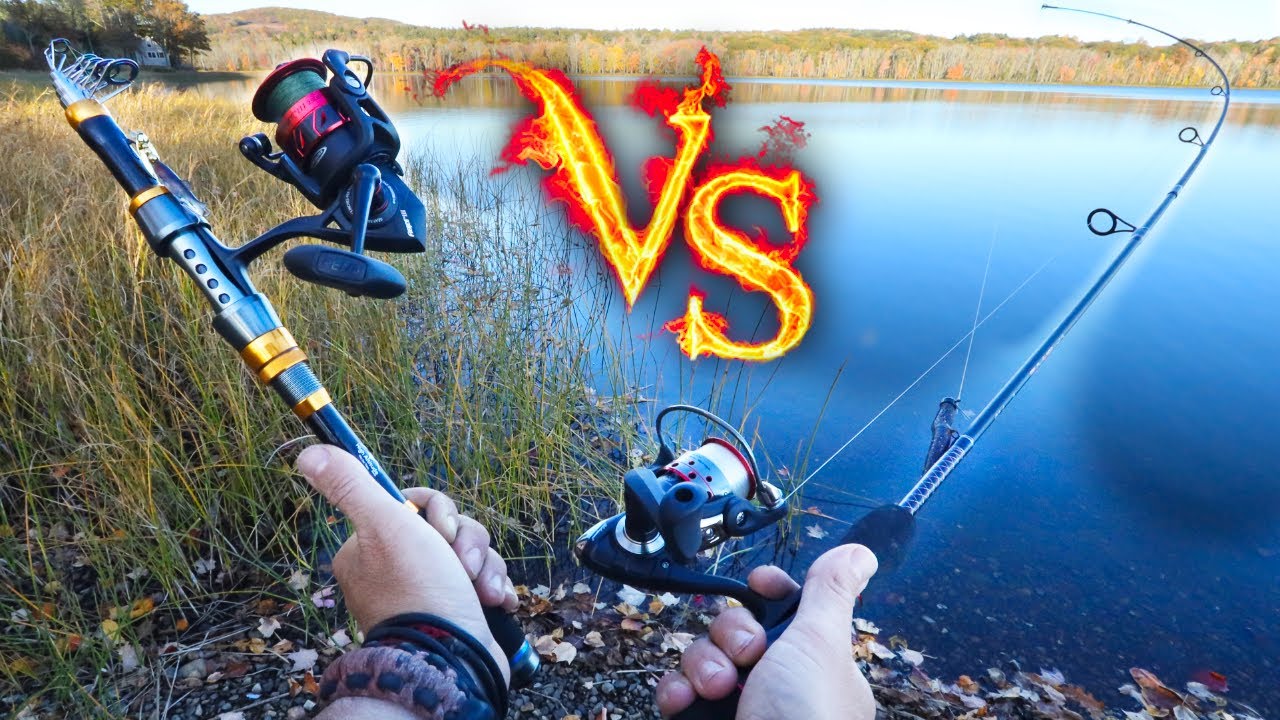
In some cities, anglers use long, telescopic poles to fish for carp in narrow canals. They use very thin lines and tiny hooks, dropping bait quietly. Here, a rod would be too bulky.
Example 4: Saltwater Surf Fishing
Amy loves fishing at the beach. She uses a long surf rod with a heavy reel to cast her bait far out where the big fish swim. A simple pole would not work here due to the waves and distance.
The Role Of Technology In Modern Gear
Advances in materials and design have made fishing rods lighter, stronger, and more sensitive. Carbon fiber rods can weigh less than a pound but handle big fish. Reels now have smooth drag systems and can hold hundreds of yards of line.
Even poles have improved—telescopic poles can extend to great lengths and collapse for travel.
These advances mean that even beginners can afford good equipment. However, it’s easy to get lost in the many choices. Remember, the best tool is the one that fits your fishing style and local waters.
How To Choose: Key Factors To Consider
When deciding between a fishing pole and a fishing rod, ask yourself these questions:
- What type of fish am I targeting? Small fish = pole. Big fish = rod.
- Where will I fish? Small pond or canal = pole. River, lake, or sea = rod.
- Do I need to cast far? Yes = rod. No = pole.
- What’s my budget? Poles are cheaper.
- Am I a beginner? Poles are less confusing.
- Do I want to try different techniques? Rods offer more options.
If you want to try both, start with a simple pole, then move to a rod as your skills grow.
Expert Tips: Getting More From Your Gear
Many new anglers miss small details that can make a big difference.
- Check the balance: Whether it’s a pole or a rod, it should feel comfortable in your hand. If it’s too heavy in front, you’ll get tired quickly.
- Choose the right line: Don’t use heavy line on a pole—it can break the tip. For rods, match the line weight to the rod’s rating.
- Keep your gear clean: Dirt and sand can damage both poles and rods. After fishing, wipe them down and dry them well.
- Use the right hook size: Big hooks scare small fish. Match the hook to the fish you want to catch.
- Watch for damage: Bamboo poles can crack, and rod guides can bend or break. Check before and after each trip.
Why The Difference Still Matters Today
Some people say that “pole” and “rod” are just old and new words for the same thing. But for those who care about fishing, the difference is important. Poles offer a traditional, simple experience. Rods open up a world of new techniques and bigger catches.
The right tool can make fishing more fun and successful.
Popular Myths And Misunderstandings
Let’s clear up a few common myths:
- Myth: Poles are only for kids. Not true. Many adults use them for specific types of fishing, especially in Europe.
- Myth: You can’t catch big fish with a pole. While it’s harder, some anglers use long poles with strong lines to land large carp.
- Myth: Rods are always better. For some types of fishing, a pole is actually the best choice.
- Myth: All rods are expensive. There are affordable rods for beginners, and even high-end poles for experts.
The Future Of Fishing Gear
Fishing rods continue to get lighter, stronger, and more specialized. Companies now make smart rods with sensors to detect bites. Poles are also evolving, with telescopic designs and new materials. No matter how technology changes, the basic idea stays the same: a tool to connect you with nature.
For those interested in a deeper look at the evolution of fishing gear, check out this Wikipedia article on fishing rods.
Credit: charterfishingdestin.com
Frequently Asked Questions
What Is The Main Difference Between A Fishing Pole And A Fishing Rod?
The main difference is that a fishing pole is a simple stick, often made from bamboo or cane, with the line tied to the tip and no reel. A fishing rod is made from modern materials, has guides for the line, and uses a reel for casting and controlling the line.
Can I Use A Fishing Pole For Big Fish?
While it’s possible to catch larger fish on a pole, it’s much more difficult and risky. Poles are best for small to medium fish in calm water. For big or strong fish, a rod with a reel gives you better control and power.
Are Fishing Rods Always More Expensive Than Fishing Poles?
Not always. While high-quality rods can cost a lot, there are affordable rods for beginners. Poles are usually cheaper, but some specialized poles (like long European competition poles) can be very expensive.
Do I Need Special Training To Use A Fishing Rod?
You don’t need special training, but there is a learning curve. You’ll need to learn how to cast, use the reel, and match the rod to the line and lure. Many people start with a pole, then move to a rod as their skills improve.
Which Is Better For Travel: A Pole Or A Rod?
Telescopic rods and some poles are designed to pack down small for travel. Traditional bamboo poles are long and hard to carry, while modern rods often come in pieces that fit in a backpack.
Fishing is more than just gear. Whether you use a classic pole or a high-tech rod, the most important thing is enjoying time outdoors and learning new skills. Choose what works for you and happy fishing!