Storing fishing gear is a routine part of any angler’s life, but not everyone thinks about how long their monofilament fishing line lasts while sitting in a box, drawer, or garage. You might remember the excitement of buying a new spool, then months or years later wonder, “Is this line still good?” The truth is, monofilament line has a shelf life, and using old, weakened line can turn a dream catch into a frustrating loss. Knowing how long monofilament lasts in storage, what affects its lifespan, and how to test its strength can save you from disappointment on your next trip to the water.
Understanding this topic isn’t just for experts. Whether you fish every weekend or just occasionally, the strength and reliability of your fishing line matters. In this guide, you’ll find real answers to how long monofilament line stays usable, the science behind its aging, and the best ways to keep it strong for as long as possible.
Let’s break down what every angler should know about storing and caring for their monofilament line.
What Is Monofilament Fishing Line?
Monofilament (often called “mono”) is a single strand of synthetic fiber, usually made from nylon. It’s been the most popular fishing line type for decades because it’s affordable, stretches under load, and is easy to handle. Unlike braided or fluorocarbon lines, monofilament is softer and more forgiving, making it ideal for many fishing situations.
Monofilament comes in different strengths (called “pound test”), thicknesses, and colors. It’s used for everything from catching small panfish to fighting trophy bass. But like any synthetic material, it doesn’t last forever—even if you never use it.
Why Does Monofilament Deteriorate In Storage?
Many anglers assume fishing line will last indefinitely if kept unused. That’s not true for monofilament. It’s made from nylon polymers, which slowly break down over time, even when not exposed to harsh conditions.
Here are the main reasons monofilament ages in storage:
- Chemical breakdown: Nylon absorbs moisture from the air and can slowly degrade, becoming brittle.
- UV light exposure: Even small amounts of sunlight can weaken the line over time by breaking molecular bonds.
- Temperature fluctuations: Hot and cold cycles speed up chemical changes, reducing line strength.
- Ozone and pollutants: Chemicals in the air (like ozone and car exhaust) can damage nylon, even indoors.
- Mechanical stress: Spools tightly wound for years can develop flat spots or memory, making them coil or tangle easily.
All these factors mean that even “unused” line can become weak and unreliable with time. Knowing what affects the shelf life helps you make better choices about when to use—or replace—your monofilament.
How Long Does Monofilament Fishing Line Last In Storage?
If you store your monofilament line in average home conditions, how long will it last before it becomes risky to use? There isn’t one universal answer, but research and expert experience provide some general guidelines.
- Unopened spools: Most manufacturers agree that unopened, properly stored monofilament lasts 2 to 3 years with little strength loss. After that, strength and flexibility start to drop.
- Opened spools: Once the package is opened, expect usable life to be 1 to 2 years, since air and humidity speed up aging.
- Ideal storage: In perfect conditions (cool, dark, dry), some anglers report good results with monofilament stored for up to 5 years, but this is rare and not recommended for critical fishing situations.
Example: What If You Find A 5-year-old Spool?
Imagine you find a spool of monofilament in your garage from five years ago. It looks clear, feels smooth, and has never been opened. Should you use it? If you’re fishing for fun and don’t mind a lost fish, you might try—but for important trips or big fish, it’s safer to buy new line.
Old monofilament is unpredictable, and breakage usually happens at the worst moment.
Factors That Affect Monofilament Shelf Life
Not all monofilament lines age the same way. Several factors can make your line last longer or shorter in storage.
1. Temperature
High temperatures speed up chemical reactions in nylon, making it become brittle faster. Attics, garages, or car trunks can reach 100°F (38°C) or more, causing faster aging. Cooler temperatures (around 60-70°F or 15-21°C) keep the line stable for longer periods.
2. Humidity
Nylon absorbs water from the air, which can slowly weaken the line. Storing your line in a dry place prevents moisture from causing early breakdown.
3. Sunlight And Uv
Even a little UV exposure can damage monofilament. Sunlight breaks down the bonds in nylon, making the line weak and prone to snapping. Always store line away from windows or direct sun.
4. Air Quality
Ozone, car exhaust, and other pollutants in the air can react with nylon, especially in urban or industrial areas. Storing line in a sealed bag or container reduces exposure to these harmful elements.
5. Line Color And Additives
Some monofilament lines contain UV inhibitors or are colored to resist sunlight damage. These lines may last slightly longer, but still degrade over time.
6. Spool Size And Tension
Large spools with loose winding age slower than small, tightly wound spools. Tension on the line can create flat spots, leading to memory and weak points.
How To Store Monofilament For Maximum Longevity
If you want your monofilament line to last as long as possible, follow these storage best practices:
- Keep it cool: Store in a climate-controlled room, not in hot attics or vehicles.
- Avoid sunlight: Use opaque containers or drawers to block all light.
- Reduce humidity: Consider using silica gel packets or other moisture absorbers.
- Seal from air: Use zip bags or sealed boxes to limit exposure to ozone and pollutants.
- Loosen the spool: If possible, unwind a few loops to reduce tension and prevent memory.
- Label your line: Write the purchase date on each spool so you always know its age.
Following these steps can help you get the longest safe use from your monofilament line.
Signs That Monofilament Line Has Gone Bad
No matter how careful you are, monofilament will eventually age out. Before each trip, check your line for these warning signs:
- Cloudiness or discoloration: Good monofilament is clear or evenly colored. Yellowing or milky appearance means it’s breaking down.
- Stiffness: Old line feels rigid or “plastic-like” instead of flexible.
- Brittleness: If the line snaps easily when you pull, it’s lost its strength.
- Memory: Old line holds tight coils or kinks, making it hard to cast and prone to tangles.
- Weak knots: If knots slip or break easily, the line has lost flexibility and strength.
If you notice any of these, it’s best to replace the line, even if you haven’t used it much.
Credit: www.looptackle.com
How To Test Monofilament Strength Before Use
Before trusting old monofilament, do a quick strength test:
- Cut a piece about 2 feet (60 cm) long.
- Tie a standard fishing knot (like improved clinch) in the middle.
- Slowly pull both ends. If the line or knot breaks with light pressure, it’s no longer safe.
- Compare with new line of the same test strength—old line should feel just as strong.
For extra caution, tie the line to a solid anchor (like a door handle) and pull steadily. Never wrap line around your hands, as sudden breaks can cut skin.
Testing is especially important for big fish or saltwater fishing, where line failure can cost you a trophy or expensive tackle.
Comparing Monofilament To Other Fishing Lines In Storage
How does monofilament’s shelf life compare to other types of fishing line, like fluorocarbon or braid? Here’s a simple comparison:
| Line Type | Average Shelf Life (Unopened) | Resistance to Aging Factors |
|---|---|---|
| Monofilament | 2–3 years | Low to Moderate |
| Fluorocarbon | 5–7 years | High (resists UV, water) |
| Braided Line | 8–10 years | Very High (almost no memory, UV resistant) |
Monofilament is the most sensitive to aging and storage, so it’s important to check and replace it more often.
Myths And Misunderstandings About Monofilament Shelf Life
Many anglers still believe myths about how long monofilament lasts or how to “save” old line. Here’s what you need to know:
- Freezing line “restores” strength: Freezing may slow aging, but won’t reverse damage. Old, brittle line stays weak even if frozen.
- Soaking in water improves flexibility: Water might soften the line temporarily, but won’t make old nylon strong again.
- If it looks fine, it is fine: Visual checks help, but invisible chemical changes can weaken line long before you see problems.
- All brands last the same: Some premium lines use better additives or UV inhibitors, but even the best monofilament ages over time.
Don’t risk losing a great catch because of old line—replace it regularly for peace of mind.
Real-world Examples: When Old Monofilament Failed
To understand the risks, here are a few real stories from experienced anglers:
- Lost bass: An angler used a two-year-old spool stored in his garage. The line snapped during a fight with a big bass. Later, a knot test showed the line was half as strong as when new.
- Saltwater disaster: A fisherman found a five-year-old spool in a tackle box. The line looked fine but broke on the first cast, losing both lure and leader.
- “Vintage” disaster: Someone tried using 10-year-old line from a collector’s box for nostalgia. The line broke under minimal tension, showing how unpredictable old monofilament can be.
These stories highlight a key point: Old line may work—but it’s a gamble. For special trips or big fish, always use fresh monofilament.
How Manufacturers Test And Rate Shelf Life
Major line manufacturers like Berkley, Stren, and Sufix test their products under controlled conditions. They use machines to measure:
- Tensile strength: How much weight the line holds before breaking.
- Knot strength: How well knots hold under pressure.
- UV resistance: How quickly sunlight breaks down line.
- Abrasion resistance: How well the line resists cuts and scuffs.
They also expose lines to heat, humidity, and ozone to simulate years of storage. Most find that monofilament loses 10–20% of its strength each year under real-world conditions.
Cost Vs. Risk: Is Saving Old Line Worth It?
Monofilament line is one of the cheapest parts of your fishing setup. A new spool usually costs $5–$20, while a lost lure, fish, or trip can cost much more.
If you fish often, replacing your monofilament line every season is a good investment. For occasional anglers, keep track of the age and condition of your spools, and replace any that show signs of aging.
If you have old, unopened spools, use them for practice, teaching kids, or tying garden plants—not for serious fishing.
Credit: fishermanshub.com
Environmental Impact Of Old Monofilament
When you replace old line, don’t throw it in the trash or water. Monofilament takes hundreds of years to break down in nature and can harm wildlife. Instead:
- Use recycling bins at tackle shops or sporting goods stores.
- Mail old line to recycling programs.
- Cut line into short pieces before disposal to prevent wildlife entanglement.
Caring for the environment keeps fishing enjoyable for everyone.
Practical Tips For Monofilament Longevity
Here are some final, practical suggestions to get the most from your monofilament:
- Buy only what you’ll use in a year or two.
- Write the purchase date on each spool.
- Store in a closet or tackle bag away from heat and sunlight.
- Test line strength before each season.
- Replace line after saltwater trips—salt speeds up aging.
- Don’t overload reels; too much line increases memory and tangling.
These habits will help you trust your line and enjoy worry-free fishing.
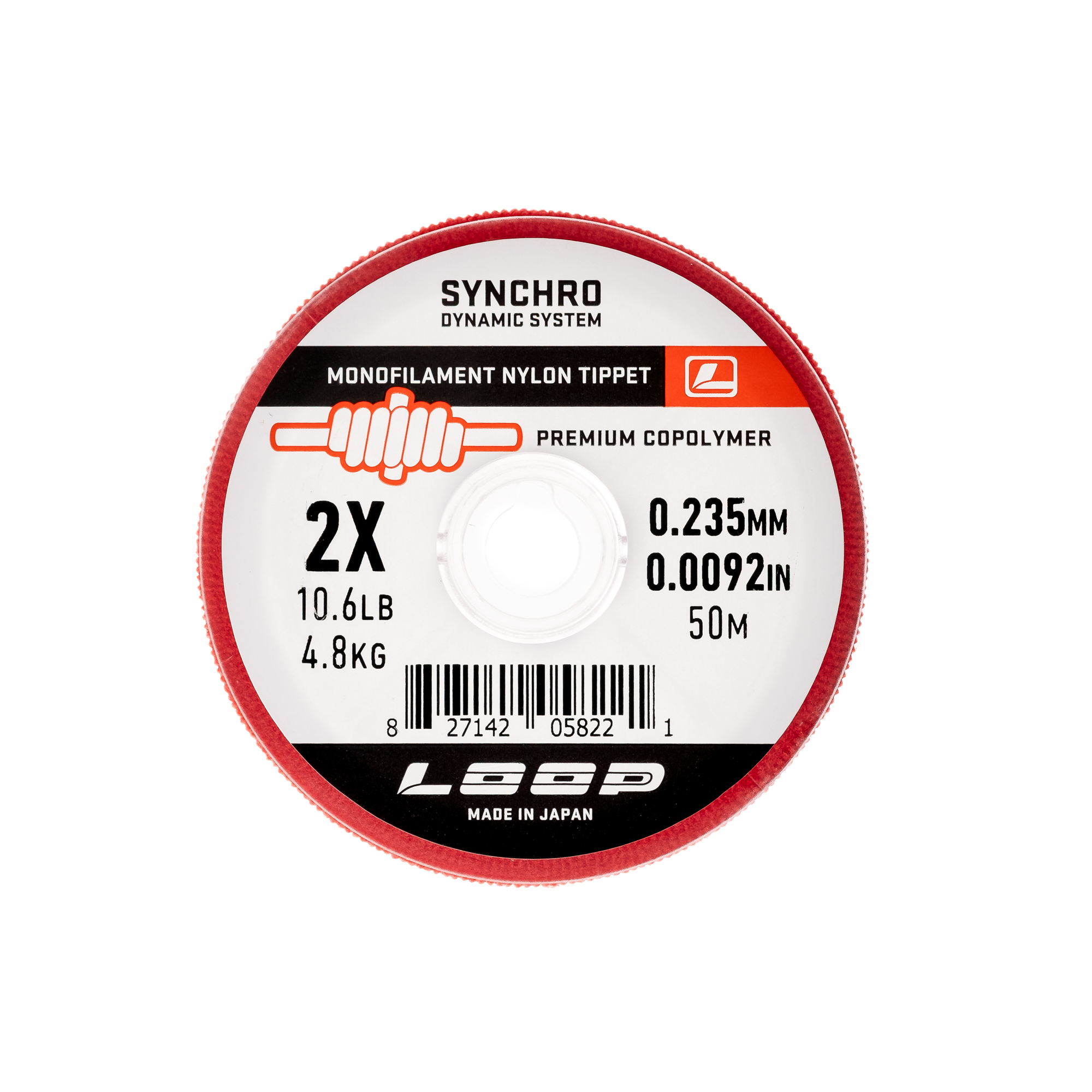
Credit: www.looptackle.com
Quick Reference: Monofilament Storage Do’s And Don’ts
A summary for easy decision-making:
| Do | Don’t |
|---|---|
| Store line in a cool, dark place | Leave spools in hot cars or direct sun |
| Use sealed containers or bags | Keep line open to air or humidity |
| Label spools with dates | Rely only on looks to judge age |
| Test old line before use | Trust old line for important trips |
| Recycle old line properly | Throw used line in the water or trash |
Frequently Asked Questions
How Can I Tell If My Monofilament Line Is Too Old To Use?
Look for cloudiness, stiffness, memory, or brittleness. If the line breaks easily when you tie or pull, or the knots slip, it’s time to replace it. Testing a short piece for strength is a simple way to check before heading out.
Can Sunlight Damage Monofilament Line Even If It’s Not Used?
Yes, UV light from the sun breaks down nylon, even if the line stays on a spool. Store spools in total darkness to prevent weakening, and replace line exposed to sunlight for long periods.
Is It Safe To Use Monofilament Line That’s Five Years Old?
Usually, no. Even if the line looks fine, invisible chemical changes may have weakened it. For important fishing trips or big fish, always use fresh line. Use old line for practice or crafts instead.
What Is The Best Way To Store Monofilament Line For Long-term Use?
Keep it in a cool, dry, dark place. Use sealed bags or boxes to block air and moisture. Add a silica gel packet if possible, and avoid temperature swings. Always label your line with the purchase date.
How Often Should I Replace The Monofilament Line On My Reel?
For most anglers, once a year is a safe rule, even if you haven’t used the reel much. More frequent replacement is wise if you fish often, in saltwater, or notice any signs of aging.
For more on fishing line materials and care, check the Wikipedia Fishing Line Guide.
Monofilament fishing line is reliable and affordable, but it doesn’t last forever. By understanding how storage affects its lifespan and following simple care tips, you can avoid frustrating break-offs and enjoy more time on the water with confidence. Don’t let old line ruin a great day—replace it when in doubt and you’ll always be ready for the next big catch.