
Every angler knows that choosing the right bait can turn a slow day into an unforgettable catch. When it comes to live bait, two names stand out: red worms and nightcrawlers. These humble earthworms are favorites in tackle boxes around the world. Yet, the debate continues—when should you reach for red worms, and when are nightcrawlers the better choice? Understanding their differences is more than just worm trivia; it can directly impact your success on the water.
This in-depth guide dives into the practical details that matter. You’ll learn how each worm performs, which fish they attract, and how to get the most from them in different fishing conditions. Whether you’re a weekend hobbyist or an experienced angler, you’ll discover insights that can help you catch more fish—and make your next fishing trip more rewarding.
Understanding Red Worms And Nightcrawlers
Before comparing their fishing performance, it’s important to know what makes red worms and nightcrawlers unique.
What Are Red Worms?
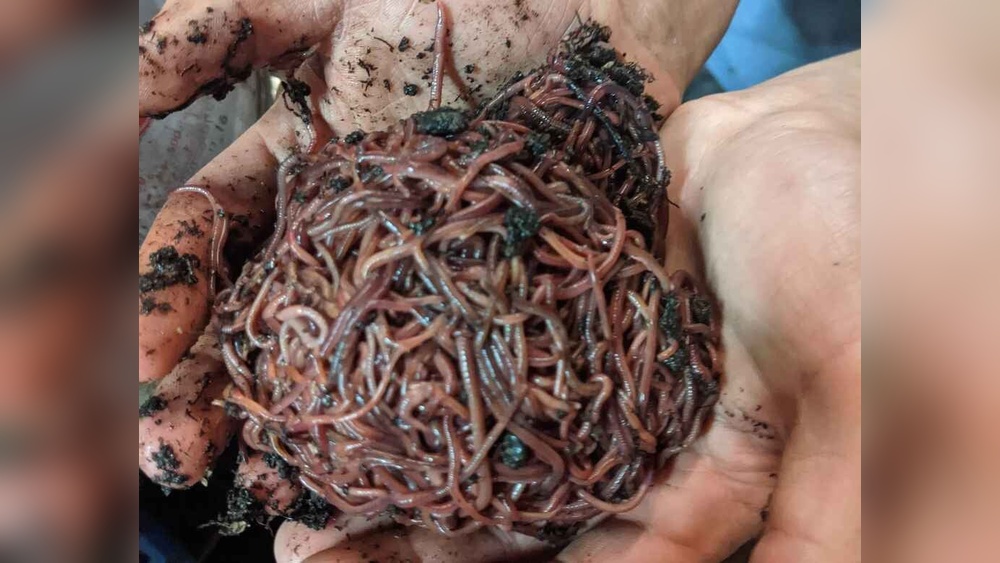
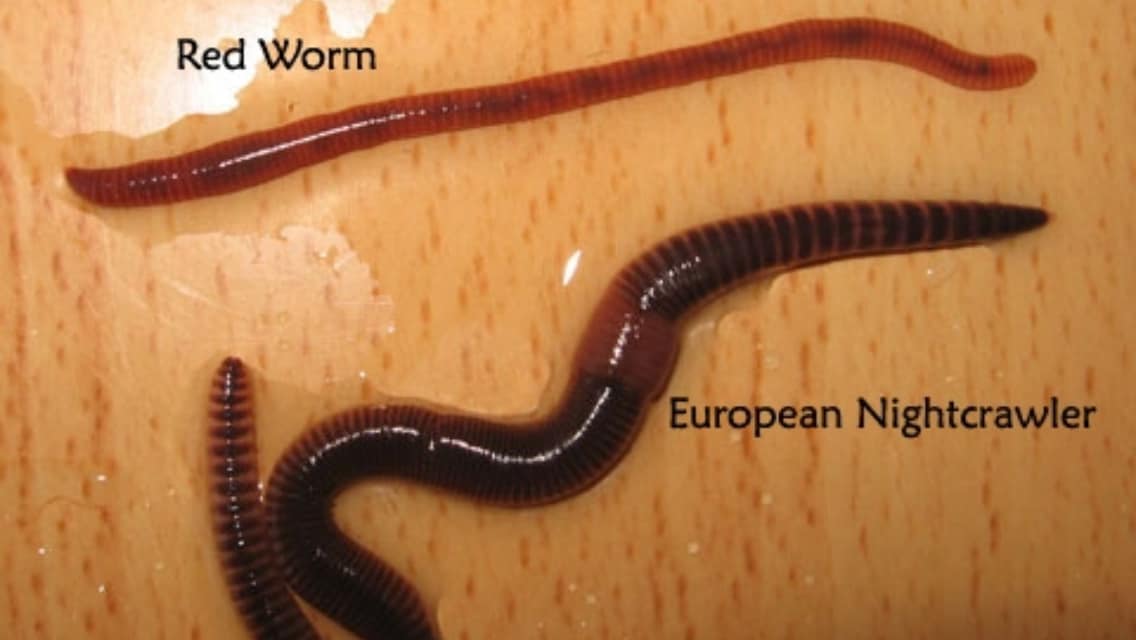
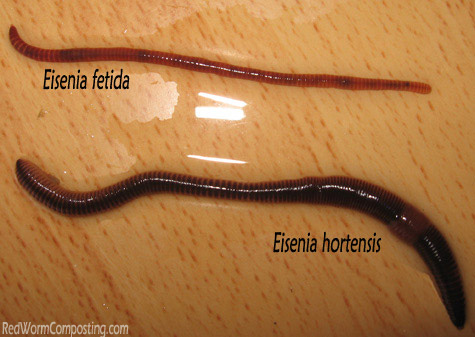
Red worms (Eisenia fetida) are small, reddish-brown earthworms. You might hear them called red wigglers or manure worms. They grow 2–4 inches long and have a quick, squirmy movement. Red worms thrive in organic-rich soil, compost piles, and rotting vegetation. Their size and activity make them popular for both fishing and composting.
What Are Nightcrawlers?
Nightcrawlers (Lumbricus terrestris) are much larger, usually 6–8 inches or even longer. Their bodies are thicker and darker, with a slick, shiny appearance. Nightcrawlers prefer cool, moist environments like lawns or garden beds. They are less active than red worms, but their size and toughness make them stand out as fishing bait.
Key Differences At A Glance
Here’s a quick comparison to help you visualize the main distinctions:
| Feature | Red Worms | Nightcrawlers |
|---|---|---|
| Average Size | 2–4 inches | 6–8+ inches |
| Color | Reddish-brown | Dark brown/gray |
| Preferred Habitat | Organic-rich, compost | Moist soil, lawns |
| Movement | Quick, squirmy | Slower, steady |
| Durability on Hook | Moderate | High |
Understanding these basics helps you see why anglers choose one over the other in different situations.
Which Fish Prefer Red Worms Vs Nightcrawlers?
Not all fish are attracted to the same bait. The size, scent, and movement of your worm can influence what you catch.
Fish That Love Red Worms
Red worms are perfect for targeting panfish (like bluegill and crappie), trout, and even some small catfish or perch. Their smaller size fits perfectly in the mouths of smaller fish, and their active movement makes them irresistible.
- Bluegill and crappie: These fish are curious and love the quick movement of red worms.
- Trout: In streams and lakes, trout often go after red worms, especially when fished on light tackle.
- Perch: Smaller perch respond well to the smaller profile of red worms.
- Kids and beginners: If you want fast action and many bites, red worms are a fantastic choice.
Fish That Prefer Nightcrawlers
Nightcrawlers are legendary for attracting big fish. Their size, scent, and durability make them ideal for larger species.
- Bass: Both largemouth and smallmouth bass can’t resist a juicy nightcrawler.
- Walleye: Nightcrawlers are a top bait for walleye, especially when drifted or trolled.
- Catfish: Larger catfish look for bigger, meatier bait—nightcrawlers deliver.
- Carp and larger panfish: These fish often want a bigger meal, and nightcrawlers fit the bill.
Matching Worms To Fish Size
A common mistake is using the wrong size worm for your target fish. If your bait is too large, smaller fish may nibble without ever getting hooked. If it’s too small, you may miss out on bigger catches.
For example, splitting a nightcrawler into smaller pieces can help attract panfish but still delivers the scent and movement of a larger worm. On the other hand, using a red worm for a trophy catfish will likely go unnoticed.

Credit: www.redwormcomposting.com
Performance On The Hook
How a worm acts on the hook affects your success. Let’s look at the practical side.
Hooking Red Worms
Red worms are soft and lively. You can thread them onto small hooks (size 8 to 12 works well), letting part of the worm dangle and wiggle. Their quick movement attracts fast strikes.
However, red worms can be delicate. If you cast too hard or fish in fast current, they might come off the hook easily. For best results, use a gentle cast and check your bait often.
Hooking Nightcrawlers
Nightcrawlers are tougher and longer. You can thread them onto bigger hooks (size 2 to 6 is common), or hook them through the head and let the rest trail freely. Some anglers even use a whole nightcrawler for big fish or break them into segments for smaller bites.
Nightcrawlers stay on the hook longer, even after multiple casts. Their large size makes them visible in murky water, and their natural scent spreads over a wide area, drawing in fish.
Durability Comparison
Here’s a closer look at how each worm holds up during fishing:
| Factor | Red Worms | Nightcrawlers |
|---|---|---|
| Survival on Hook | Shorter (soft bodied) | Longer (thicker skin) |
| Withstand Casting | Gentle casts best | Handles hard casts |
| Multiple Fish | Often replaced | Lasts for several bites |
Nightcrawlers have a clear edge in durability, but red worms can produce more bites when fish are picky.
Where And When To Use Each Worm
The right worm often depends on your location, season, and fishing style.
Best Situations For Red Worms
- Small ponds and creeks: Red worms shine in shallow water with plenty of small fish.
- Early season trout fishing: As water warms, trout feed actively on smaller prey.
- Busy family outings: If you want kids to catch a lot of fish quickly, red worms are ideal.
- Ice fishing: Their size and movement make red worms perfect for small jigs through the ice.
Best Situations For Nightcrawlers
- Deep lakes and rivers: Nightcrawlers are visible and tough, perfect for deeper water.
- Targeting trophy fish: For big bass, walleye, or catfish, nothing beats a fat nightcrawler.
- Night fishing: The scent and size of nightcrawlers attract fish in low light or muddy water.
- Drifting and trolling: Nightcrawlers stay on the hook during movement, making them great for covering water.
Adjusting For Season And Water Conditions
- Cold water: Both worms work, but slower fish may respond better to smaller red worms.
- Warm water: Nightcrawlers become more active and release more scent, drawing in hungry fish.
- Clear water: Red worms look natural and less threatening; fish see them clearly.
- Muddy water: Nightcrawlers’ size and scent help fish find them.
Practical Fishing Tips For Each Worm
Knowing when and where to use each worm is only part of the story. Presentation, storage, and rigging all affect your results.
Red Worms: Tips And Mistakes To Avoid
- Use light tackle. Thin line (2–6 lb test) and small hooks help red worms move naturally.
- Thread, don’t ball up. Avoid bunching the worm on the hook, which looks unnatural.
- Fresh is best. Red worms lose their wiggle quickly; keep them cool and moist until use.
- Check local regulations. Some waters ban live bait—always know the rules.
Common mistakes:
- Using hooks that are too big for the worm.
- Letting the worm dry out in the sun.
- Casting too hard and losing your bait.
Nightcrawlers: Tips And Mistakes To Avoid
- Break into pieces for smaller fish, but use whole worms for big targets.
- Store in cool soil. Nightcrawlers die fast in heat; a cooler or insulated container helps.
- Hook through the collar (the band around the worm) for best action.
- Change bait often. Even tough nightcrawlers lose scent and movement after a while.
Common mistakes:
- Overcrowding worms in containers, causing them to suffocate.
- Using stiff or heavy rigs that prevent natural movement.
- Forgetting to check bait after long casts or missed bites.
Non-obvious Insights
- Worm “juice” matters: When you break a nightcrawler, the scent released can attract fish from a distance. Some anglers squeeze the worm slightly before casting to increase this effect.
- Matching hatch: If you notice fish feeding on small insects or larvae, red worms will match their natural prey better than nightcrawlers.
Comparing Cost And Availability
For many anglers, cost and convenience are important factors.
Price Differences
- Red worms: Usually sold by the cup or bait box, with dozens per container. Lower cost per worm.
- Nightcrawlers: Sold by the dozen, with higher cost per worm but greater durability.
Availability
- Red worms are easy to raise at home in a simple compost bin. They reproduce quickly and are ready for fishing almost year-round.
- Nightcrawlers are harder to farm in large numbers but can be collected from lawns at night with a flashlight and damp ground.
Some tackle shops may run out of nightcrawlers during peak season, while red worms are usually available.
Storage And Care For Fishing Success
Keeping your bait healthy is a key part of fishing.
How To Store Red Worms
- Use moist, not wet, bedding: Shredded newspaper or peat moss works well.
- Keep cool: 50–70°F is ideal; avoid direct sunlight.
- Feed with vegetable scraps: But remove uneaten food to prevent rot.
How To Store Nightcrawlers
- Cool temperatures: 40–50°F in a refrigerator or bait cooler.
- Damp soil or commercial bedding: Never let them dry out.
- Handle gently: Nightcrawlers bruise easily.
A surprising tip: Nightcrawlers can sometimes escape from containers. Secure the lid, but make sure they have air holes for breathing.
Environmental Impact And Responsible Use
Live bait fishing comes with some responsibility. Both red worms and nightcrawlers are non-native to many regions, and improper disposal can disrupt local ecosystems.
- Never release unused worms into the wild. Instead, dispose of them in the trash or keep them for your compost bin at home.
- Check local guidelines. Some parks and lakes have restrictions on live bait to protect native species.
- Clean your gear. Avoid carrying soil or worms from one waterway to another to prevent the spread of invasive species.
For more on responsible fishing, see the U.S. Fish & Wildlife Service.
Credit: memesworms.com
Advanced Techniques: Getting The Most From Each Worm
Experienced anglers use several tricks to boost the effectiveness of their bait.
Enhancing Red Worms
- Scent boosters: Dip red worms in attractant oils or flavored sprays for extra appeal.
- Float rigs: Use a small float to suspend red worms just off the bottom where panfish feed.
- Multiple worms: Thread two or three red worms on a single hook for a bigger target and more movement.
Enhancing Nightcrawlers
- Spinner rigs: Combine a nightcrawler with a small blade or bead to add flash and vibration—deadly for walleye.
- Worm harnesses: Special rigs that keep nightcrawlers straight and spinning in the current, making them irresistible.
- “Juicing”: Pinch the tail of the nightcrawler before casting to release more scent.
Don’t be afraid to experiment. Some days, fish want a big, lively worm; other days, a smaller, subtle presentation works best.
Pros And Cons Summary
For a quick recap, here’s a side-by-side look at the main advantages and disadvantages.
| Worm Type | Pros | Cons |
|---|---|---|
| Red Worms | – Great for small fish – Easy to raise at home – Active movement attracts bites |
– Less durable on hook – Not ideal for big fish – Can be hard to cast far |
| Nightcrawlers | – Perfect for big fish – Tough and long-lasting – Visible in deep/murky water |
– More expensive – Harder to store – Oversized for small fish |
Choosing The Right Worm For Your Next Trip
Both red worms and nightcrawlers have earned their place in fishing history. Your choice depends on what you want to catch, where you’re fishing, and how you like to fish. For kids and fast action, red worms are hard to beat. For big fish and deeper water, nightcrawlers are the classic pick.
The most successful anglers are flexible. They bring both types, experiment with presentation, and always pay attention to what fish are biting on any given day. Try different rigs, pay attention to the details, and you’ll quickly discover which bait works best for you.
Frequently Asked Questions
What Size Hook Should I Use With Red Worms And Nightcrawlers?
For red worms, use small hooks (size 8 to 12). For nightcrawlers, medium to large hooks (size 2 to 6) work best. Always match hook size to bait and target fish.
Can I Keep Red Worms And Nightcrawlers Together In The Same Container?
It’s not recommended. Red worms and nightcrawlers need slightly different moisture and temperature levels. Keeping them separate helps each type stay healthy and lively.
Are Red Worms Or Nightcrawlers Better For Beginners?
Red worms are often better for beginners, especially kids. They attract more bites from a variety of small fish, making fishing more exciting for new anglers.
How Do I Keep My Worms Alive For Several Days Before A Fishing Trip?
Keep red worms in a cool, moist container with organic bedding. Store nightcrawlers in a refrigerator or bait cooler with damp soil or bedding. Check regularly and remove dead worms to prevent rot.
Is It True That Bigger Worms Always Catch Bigger Fish?
Not always. While nightcrawlers can attract larger fish, sometimes smaller fish will bite off pieces, or big fish may prefer a smaller, easier meal. It’s smart to adjust bait size to the fish you see biting.
Fishing is as much about observation and adaptation as it is about gear and bait. With these tips, you’ll be ready to make an informed choice—and enjoy every moment on the water.
Credit: www.redwormcomposting.com