
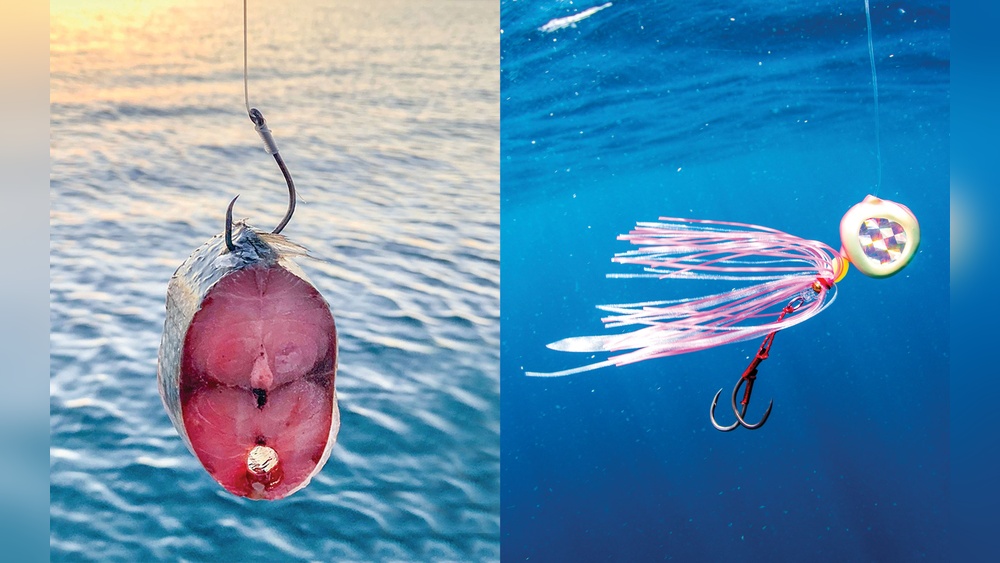
Fishing is more than just a way to catch dinner—it’s an art, a science, and for many, a lifelong passion. With so many tools and techniques available, even experienced anglers sometimes debate the best method. One of the most common questions is about the difference between a fishing jig and a lure. While some use these terms interchangeably, they are not the same. Understanding these differences can make your fishing trips more successful, save you money, and help you catch more fish. Let’s dive deep into what sets fishing jigs and lures apart, how to use them, and which might be best for your next adventure.
What Is A Fishing Jig?
A fishing jig is a type of fishing lure, but with a very specific design and purpose. Jigs have a weighted head, usually made from lead, and a hook. The hook often has a soft or feathered body, which adds movement and color. Jigs are designed to be jerked or “jigged” up and down in the water, making them move in a way that attracts fish.
Jigs come in many sizes and styles, from tiny 1/64 ounce heads for panfish to heavy 2-ounce models for saltwater species. The most common shape is a round head, but there are also football, tube, and shad heads, each with a unique action.
Many jigs are dressed with soft plastic baits that imitate worms, minnows, or crawfish.
The key feature of the jig is its vertical movement. By lifting your rod and letting it drop, the jig mimics a wounded or fleeing prey. This action triggers a fish’s hunting instinct, making it an effective choice for species like bass, walleye, crappie, and more.
What Is A Lure?
The term lure is much broader. A lure is any artificial bait designed to attract fish and trigger a bite. Lures can be made from metal, plastic, wood, or even feathers. They may float, sink, wobble, spin, or dive, depending on their design.
Some common types of lures include:
- Spinners: These have a spinning blade that flashes and vibrates in the water.
- Crankbaits: Hard-bodied lures that imitate small fish or other prey, often with a lip that makes them dive.
- Spoons: Curved metal lures that wobble as they are retrieved.
- Topwater lures: These float and move along the surface, imitating insects or frogs.
- Soft plastics: Flexible bodies shaped like worms, grubs, or creatures, often rigged on a hook.
Unlike jigs, which usually move up and down, many lures are designed for horizontal movement—they are cast and reeled in to create different actions. Some lures, like crankbaits, dive to a certain depth, while others, like poppers, stay on top.
Main Differences Between Jig And Lure
Though a jig is a type of lure, not all lures are jigs. To clear up confusion, let’s break down the main differences:
| Feature | Fishing Jig | Lure (General) |
|---|---|---|
| Design | Weighted head, hook, soft or feathered body | Many shapes: hard, soft, metal, floating, sinking |
| Movement | Vertical (up and down) | Horizontal, topwater, or varied actions |
| Technique | Jigging (lift and drop) | Retrieve, twitch, or steady reeling |
| Target Species | Bass, walleye, crappie, panfish | All species, depending on type |
| Water Depth | All depths, excels in deep water | Varies by lure; some for surface, some for deep |
How Jigs And Lures Work
Both jigs and lures are designed to trick fish, but their methods differ.
Jig Action
Jigs rely on a stop-and-go motion. You cast out, let the jig sink, then lift your rod tip to make the jig jump. As you drop the rod, the jig falls back down, often with a fluttering motion. Fish often bite as the jig falls, so it’s important to watch your line carefully.
This technique lets you cover different depths. Because jigs sink quickly, you can target bottom-dwelling fish or fish holding at mid-depth.
Lure Action
Most lures are designed for a steady retrieve. You cast out and reel in, with the lure imitating a swimming prey. Some lures, like crankbaits, wiggle or shake as they move. Spinners add flash and vibration to attract fish from a distance.
Topwater lures stay on the surface and create splashes or noise. Spoons flutter as they fall and can be retrieved at various speeds. Each type of lure has a unique action, and choosing the right one depends on the fish you are targeting and the water conditions.
When To Use A Jig
Jigs are especially effective in certain situations:
- Cold Water: Fish are less active in cold water. Slow-moving jigs can tempt bites when faster lures fail.
- Deep Water: Jigs sink quickly, making them perfect for fishing at depth.
- Heavy Cover: Jigs can be flipped or pitched into weeds, logs, or brush where fish hide.
- Vertical Structure: When fishing around docks or steep drop-offs, the up-and-down motion of a jig is ideal.
- Finesse Fishing: Light jigs with small plastics can tempt picky fish.
One insight beginners often miss: line watching is key with jigs. Many bites happen on the fall, and you may only see a small twitch or slack in the line. Paying attention can make the difference between catching fish or going home empty-handed.
When To Use A Lure
Lures are more versatile and cover a wide range of fishing styles:
- Covering Water Fast: Lures like crankbaits or spinners can be retrieved quickly, letting you search for active fish.
- Surface Action: Topwater lures create excitement and can trigger aggressive strikes.
- Imitating Specific Prey: Some lures look and move exactly like minnows, frogs, or insects.
- Clear Water: Flashy or natural-looking lures can fool wary fish.
- Aggressive Fish: When fish are feeding hard, a fast-moving lure can trigger reaction strikes.
A common mistake with lures: retrieving too fast or too slow. The right speed depends on water temperature, fish species, and the lure type. Testing different speeds is often necessary to find what fish want that day.
Pros And Cons Of Fishing Jigs
Let’s look at the main advantages and drawbacks of using jigs.
Advantages
- Versatile: Can be used in fresh and saltwater, for many species.
- Works in All Depths: Effective from shallow to deep water.
- Great for Structure: Can be fished in heavy cover where other lures snag.
- Customizable: Change bodies, trailers, and colors easily.
Disadvantages
- Steeper Learning Curve: Takes practice to master the right motion.
- Hard to Detect Bites: Many bites are subtle and easy to miss.
- Can Snag: Though good in cover, still possible to get stuck.
One advanced tip: trimming the skirt on a jig can give a more natural profile and sometimes improves your catch rate, especially with pressured fish.
Pros And Cons Of Lures (other Types)
Lures come in many forms, so their pros and cons depend on the style. Here’s a general overview.
Advantages
- Wide Variety: Many shapes, sizes, colors, and actions.
- Easy to Use: Most lures work with a simple cast and retrieve.
- Covers Water Quickly: Great for finding fish fast.
- Visual and Auditory Attraction: Some lures make noise, flash, or splash.
Disadvantages
- Species-Specific: Some lures only work for certain fish.
- May Not Work in Heavy Cover: Easier to snag than jigs in weeds or brush.
- Can Spook Fish: In clear, pressured waters, flashy or noisy lures may scare fish.
A non-obvious insight: matching lure color to water clarity is critical. Bright colors work in stained water; natural colors are better in clear water.
Jig Vs Lure: Best Use Cases
Let’s look at real-world examples of when each shines.
Jig Example: Winter Bass Fishing
In cold water, bass are sluggish and hold close to the bottom. A 1/4 oz. Jig with a craw trailer, fished slowly around rocks or ledges, can tempt bites when nothing else works.
Lure Example: Spring Pike Fishing
When water warms in spring, northern pike chase baitfish in shallow bays. A flashy spinner or spoon covers water quickly and triggers aggressive strikes.
Jig Example: Crappie In Brush Piles
Drop a tiny marabou jig into a sunken brush pile. Let it fall, then lift and drop. Crappie often bite as the jig hovers or falls.
Lure Example: Topwater For Early Morning Bass
At dawn, cast a popper or frog lure over lily pads. The surface action can draw explosive bites from bass looking for breakfast.
Table: Common Jig Types And Their Uses
| Jig Type | Best For | Weight Range | Typical Target Fish |
|---|---|---|---|
| Football Jig | Rocky bottoms | 1/4 – 1 oz | Bass, walleye |
| Swim Jig | Weeds, shallow water | 3/16 – 1/2 oz | Bass, pike |
| Finesse Jig | Clear water, pressured fish | 1/16 – 1/4 oz | Bass, crappie |
| Saltwater Bucktail | Inshore saltwater | 1/4 – 2 oz | Striped bass, snook |
| Tube Jig | Vertical fishing, deep water | 1/8 – 1 oz | Lake trout, smallmouth bass |

Credit: woolyyarn.com
Table: Popular Lure Types And Their Best Conditions
| Lure Type | Water Condition | Action | Common Fish |
|---|---|---|---|
| Spinnerbait | Stained or muddy | Flash, vibration | Bass, pike |
| Crankbait | Clear, deep water | Wobble, dive | Bass, walleye |
| Topwater Popper | Calm, shallow | Surface splashes | Bass, panfish |
| Spoon | Deep or moving water | Flutter, flash | Trout, salmon |
| Soft Plastic Worm | All waters | Subtle, lifelike | Bass, walleye |
Key Factors When Choosing Between Jig And Lure
Choosing between a jig and a lure depends on several factors. Here’s what to consider:
- Water Depth: Jigs excel at reaching deep or specific depths quickly. If fish are deep, start with a jig.
- Fish Activity: If fish are active and chasing prey, lures that cover water fast are better.
- Water Clarity: In muddy water, lures with vibration or flash may help fish find your bait. In clear water, subtle jigs or natural lures work well.
- Cover Type: For thick weeds or brush, weedless jigs are less likely to snag. Open water is good for most lures.
- Experience Level: Jigs take more skill to use well, while many lures are easier for beginners.
- Target Species: Match your bait to the fish. Some species prefer certain presentations.
One advanced tip: experiment with both on the same trip. Sometimes, fish will only bite one style on a given day—even if the other worked yesterday.
Cost And Accessibility
Jigs are often less expensive than high-end lures. A simple lead-head jig with a plastic body can cost less than a dollar, while a premium crankbait or spinner can be $5–$15 each. This makes jigs a good choice if you fish in areas where snags are common.
However, lures can last longer if you avoid losing them. Some anglers build a large collection of lures for different situations, which can become expensive over time. But starting with a few basics—like a small selection of jigs and a few multipurpose lures—is enough for most beginners.
Maintenance And Storage
Both jigs and lures should be rinsed and dried after use, especially after saltwater fishing. Hooks can rust, and soft plastics may melt if left in hot tackle boxes. Store jigs and lures in separate compartments to avoid tangling and to keep them organized.
A non-obvious tip: replace dull hooks or sharpen them regularly. A sharp hook can make a big difference, especially with subtle bites.
Common Mistakes To Avoid
Some errors can reduce your catch rate or cost you gear. Here are mistakes to watch for:
- Using the wrong size: Too big a jig or lure can scare off smaller fish; too small may not attract larger fish.
- Ignoring conditions: Using flashy lures in clear water can spook fish. Use natural colors in clear water, bright in muddy water.
- Not varying retrieve: Fish may want a slow, steady retrieve one day and a fast, erratic one the next.
- Tying poor knots: Weak knots lead to lost fish and lures. Use strong, reliable knots like the Palomar or improved clinch.
- Fishing too fast with jigs: The magic of a jig is in its slow fall and subtle motion.
Practical Tips For Better Results
- Carry both jigs and lures: Having options lets you adapt to changing conditions.
- Watch your line: Especially with jigs, bites can be very light.
- Fish slow in cold water: Both jigs and slow-moving lures work best when fish are sluggish.
- Try different colors: Sometimes changing from chartreuse to white, or from silver to gold, makes all the difference.
- Keep a log: Note what works in each spot and season. Patterns will emerge.
Environmental Impact
Modern jigs often use lead, which can be harmful if lost in water. Some states and countries have banned lead fishing tackle. Look for eco-friendly jigs made from tungsten, bismuth, or tin. Many lures are now made with safer materials as well.
Notable Brands
Some trusted brands for jigs include Strike King, Z-Man, and Buckeye Lures. For lures, Rapala, Mepps, Berkley, and Heddon are highly respected. Beginners don’t need to buy the most expensive options—many affordable products work just as well.

Credit: www.reddit.com
Learning More
If you want to expand your fishing knowledge, resources like the Wikipedia Fishing Lure page offer deep dives into lure history, design, and use.
Frequently Asked Questions
What Is The Main Difference Between A Jig And A Lure?
The main difference is that a jig is a specific type of lure designed for vertical movement—lift and drop—while “lure” is a general term for all artificial baits. Most lures move horizontally or with a steady retrieve, while jigs are worked with an up-and-down action.
Can I Catch The Same Fish With A Jig And A Lure?
Yes, many fish will bite both. However, some situations favor one over the other. For example, bass might hit a jig in cold water or a spinnerbait when active. Matching your bait to the fish’s mood and environment increases your chances.
Is A Jig Easier For Beginners Than Other Lures?
Jigs have a steeper learning curve because bites can be subtle and the action takes practice. Lures like spinners or soft plastics are often easier for beginners since they work with a simple cast and retrieve.
Do I Need Special Rods Or Reels For Jigs Or Lures?
Most modern spinning or baitcasting setups work for both. However, a sensitive rod helps with jigs to detect light bites, while a medium or fast action rod suits most lures. Always match rod power and line to your bait size and target fish.
How Do I Know Which To Use If I’m Not Catching Fish?
If one method isn’t working, try the other. Switch from a jig to a lure (or vice versa), change colors, or adjust your retrieve speed. Fish preferences change daily—being flexible is key to success.
Fishing is a journey of discovery. Understanding the difference between jigs and lures opens up more possibilities and can make every trip more rewarding. Whether you’re targeting bass in a local lake or chasing trout in a rushing river, the right choice and technique can turn a slow day into a memory you’ll never forget. Equip yourself with both, keep learning, and enjoy every moment on the water.

Credit: www.youtube.com