
When winter covers lakes and rivers with thick ice, many anglers look forward to the unique challenge of ice fishing. But even within this frozen sport, there are important choices to make. One of the most debated topics is tip up vs tip down ice fishing. These two tools may sound similar, but they work in different ways, suit different techniques, and can impact your day on the ice. Understanding the differences helps you pick the right tool for your fishing style, target species, and personal comfort.
Both tip ups and tip downs help you catch fish while keeping your hands free from the cold. They let you fish more holes at once and detect bites without holding a rod all day. But each has strengths, weaknesses, and special uses. This guide explores every angle of tip up and tip down ice fishing—from how each works, to when and why you’d choose one over the other, to real-world experiences that matter on the ice. Whether you are new to ice fishing or looking to improve your setup, you’ll find clear answers and practical advice here.
What Is A Tip Up?
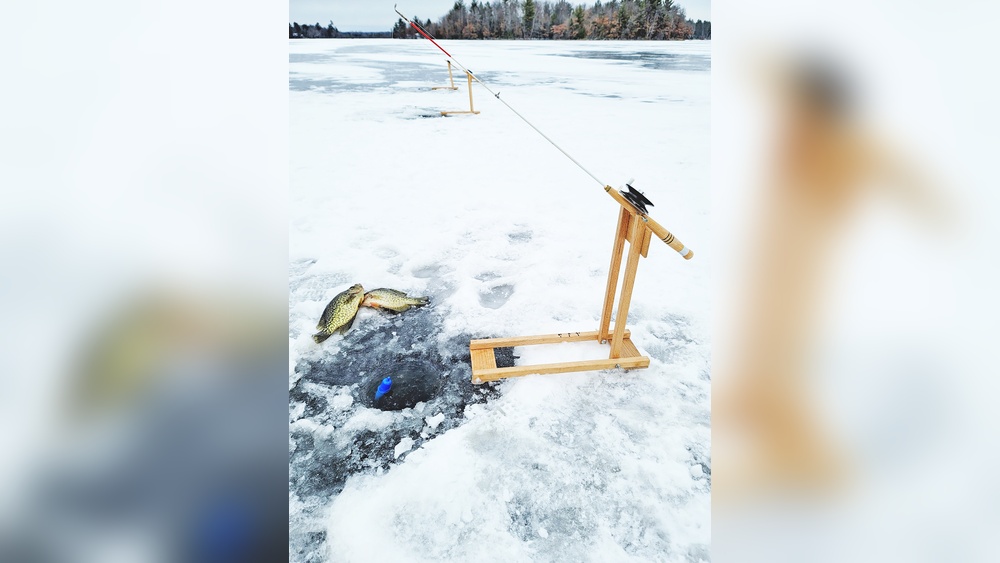
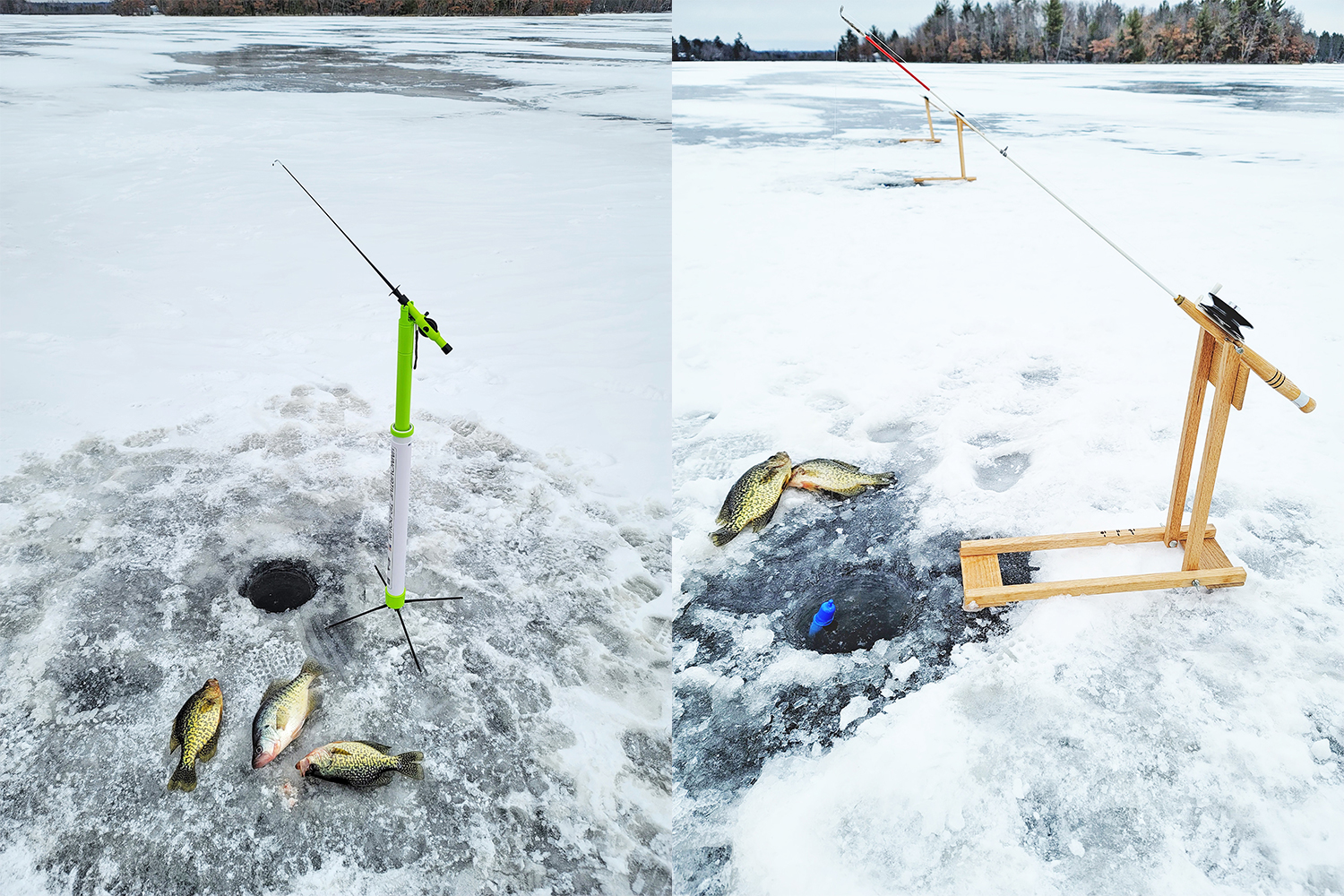
A tip up is a device that sits over a hole in the ice and holds your fishing line. It uses a flag or indicator to show when a fish bites. Most tip ups have a simple design: a frame or base, a spool for line, and a spring-loaded flag. When a fish takes the bait and pulls the line, the flag pops up to signal a bite.
Tip ups are popular for set-and-forget fishing. You can place several tip ups across an area, cover more water, and wait for a flag to go off. They’re especially common when fishing for pike, walleye, trout, and larger predatory fish that hit hard and run with the bait. Tip ups keep your hands free so you can stay warm, chat with friends, or manage other holes.
What Is A Tip Down?
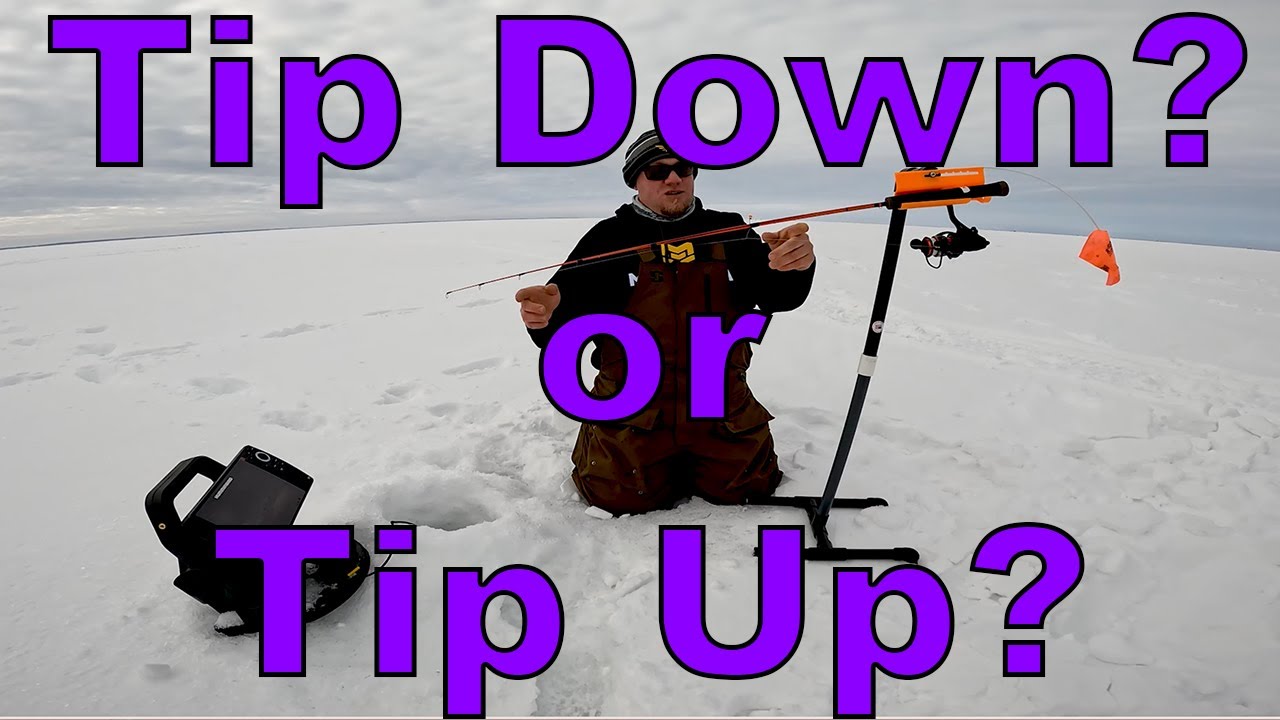
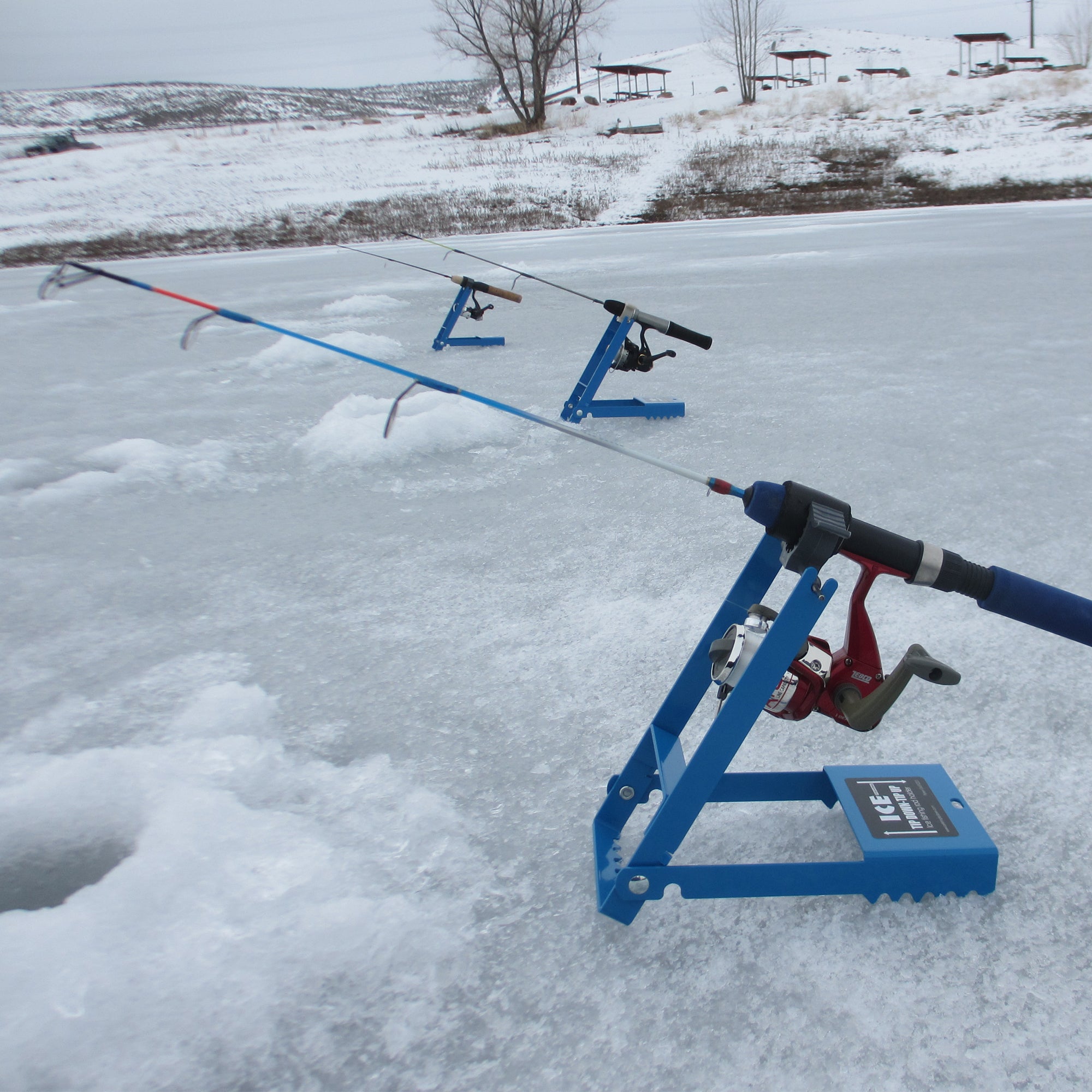
A tip down is also used for ice fishing, but it works differently. Instead of a flag, a tip down holds a rod balanced on a pivot point. The rod tips downward when a fish bites, showing a clear visual signal. The line is connected to a real fishing rod and reel, so you fight the fish with the rod in your hands.
Tip downs are best for panfish like crappie, perch, and bluegill. These species often bite softly, and the rod’s motion gives a better sense of delicate bites. Tip downs are more active than tip ups—you need to pay attention and grab the rod quickly when it tips.
Credit: www.youtube.com
How Tip Ups Work
A classic tip up sits over your ice hole and uses a spool with fishing line. The line runs below the ice to your bait. The spool is connected to a flag held down by a trigger arm. When a fish pulls the line, the spool turns, releasing the trigger and making the flag spring upright.
This system is simple and effective. Most tip ups let you adjust the sensitivity, so the flag only pops for a real bite, not just a bump from the current. Some models have insulated bases to keep the hole from freezing and handles for easy carrying.
Tip ups are not made for actively jigging or moving the bait. They are designed for passive fishing, which is perfect for cold, windy days or when you want to fish many holes at the same time.
How Tip Downs Work
A tip down works by balancing a rod on a stand or cradle. The rod sits nearly horizontal, with the tip just above the ice hole. The balance point is set so the weight of a biting fish causes the rod tip to drop toward the ice, creating a clear signal.
The line runs from the reel, through the rod guides, and into the water. When a fish bites, you see the rod tip move down. You then grab the rod and set the hook. This method is more hands-on than using a tip up, but it lets you feel the fish and use light tackle.
Tip downs are more sensitive than tip ups. They are perfect for light-biting fish that might not trigger a heavy flag. Some advanced tip downs even have built-in alarms or lights for night fishing.
Main Differences: Tip Up Vs Tip Down
Understanding the differences helps you decide which tool fits your fishing style. Here is a side-by-side view:
| Feature | Tip Up | Tip Down |
|---|---|---|
| Action Type | Passive/Set-and-wait | Active/Watch and grab |
| Best For | Predatory fish (pike, walleye, trout) | Panfish (crappie, perch, bluegill) |
| Bite Detection | Flag pops up | Rod tips down |
| Number of Holes | Many at once (often 3-5+) | Usually fewer, more attention needed |
| Line Control | Hand-over-hand | Use rod and reel |
| Setup Time | Quick to set, low maintenance | Needs balance, more fine-tuning |
| Price Range | Usually $10-$40 | Usually $15-$50 |
When To Use A Tip Up
Tip ups shine in certain situations. Here’s when they are the best choice:
- Targeting Big Fish: Tip ups are strong enough for large predators like northern pike and lake trout. These fish hit hard and may run far with the bait. A tip up’s spool holds more line and is built for power.
- Fishing Multiple Holes: Most states allow you to fish several holes at once. Tip ups are perfect for spreading out across a bay or drop-off. This way, you cover more water and increase your chances.
- Cold or Windy Conditions: With tip ups, you don’t need to hold a rod or watch a bobber. You can stay warm in your shelter and keep an eye on flags from a distance.
- Night Fishing: Many tip ups can be fitted with lighted flags for night fishing. This lets you fish after dark without missing bites.
- When Fish Are Less Active: On slow days, fish may not bite a moving lure. Tip ups let you present live bait in a natural way and wait for bites.
When To Use A Tip Down
Tip downs are best in other scenarios. Here’s where they excel:
- Fishing for Panfish: Crappie, perch, and bluegill often bite very lightly. Tip downs are sensitive enough to detect these small nibbles.
- Clear Water or Light Line: In clear lakes, fish can be line-shy. Tip downs let you use ultralight rods and thin line, making your presentation more natural.
- Active Watching: If you enjoy watching your rod and reacting fast, tip downs are more engaging. You get to fight the fish with a rod, which adds excitement.
- Learning and Teaching: For kids or beginners, tip downs help teach how to detect bites, set the hook, and handle fish.
- Jigging Combination: Some anglers use a tip down as a second rod while jigging with another. This covers both active and passive styles.
Advantages Of Tip Ups
There are good reasons why tip ups are so popular:
- Hands-Free Fishing: Once set, you don’t need to hold the rod. This makes long, cold days much easier.
- Multiple Lines: You can set up several tip ups, greatly increasing your chances of catching fish.
- Works with Big Baits: Tip ups can handle large minnows, suckers, or even dead bait for big pike.
- Simple Mechanism: Fewer moving parts mean less can go wrong. Repairs are easy, even in the cold.
- Low Cost: Basic tip ups are affordable and last for years.
Credit: bullnoseproducts.com
Advantages Of Tip Downs
Tip downs offer a different set of benefits:
- High Sensitivity: The rod shows the smallest bites, perfect for finicky fish.
- Fun Fight: You use a real rod and reel to fight the fish, giving more control and enjoyment.
- Light Tackle Friendly: Tip downs are made for light line and small hooks, which helps when fish are cautious.
- Immediate Response: You see the rod move and can set the hook fast, reducing missed fish.
- Easy to Adjust: Changing weight, bait, or depth is quick—just adjust the rod or reel.
Disadvantages Of Tip Ups
Tip ups are not perfect for every situation. Here are some drawbacks:
- No Rod and Reel: Fighting a fish hand-over-hand is less sporting and you may lose fish if the line tangles.
- Slower for Small Fish: Panfish often don’t trigger the flag, so you miss bites.
- Frozen Holes: Uninsulated tip ups can let ice build up, especially in windy weather.
- Less Active: Some anglers find tip ups boring because you wait and only act when a flag goes up.
Disadvantages Of Tip Downs
Tip downs also have weaknesses:
- Fewer Holes Covered: You can only watch a couple at a time, limiting your coverage.
- More Attention Needed: You must stay close and watch for bites, or you’ll miss fish.
- Wind False Alarms: A strong wind can move the rod tip, making you think a fish is biting.
- Breakage Risk: Light rods can break if a big fish hits and you’re not ready.
- Setup Can Be Tricky: Balancing the rod just right takes practice, especially with different baits.
Species Comparison: Which Tool For Which Fish?
Certain species are better matched to tip ups or tip downs. Here’s a quick guide:
| Fish Species | Tip Up | Tip Down |
|---|---|---|
| Northern Pike | Excellent | Poor |
| Walleye | Good | Fair |
| Lake Trout | Excellent | Poor |
| Crappie | Poor | Excellent |
| Perch | Fair | Excellent |
| Bluegill | Poor | Excellent |
| Burbot | Good | Fair |
Common Mistakes And How To Avoid Them
Even experienced anglers make mistakes with tip ups and tip downs. Here are some to watch for:
- Setting Sensitivity Wrong: Too tight, and small fish can’t trigger your tip up. Too loose, and the flag pops for no reason. Adjust for the target species and conditions.
- Not Checking Bait Often: Dead bait or stolen worms won’t catch fish. Check your bait every 30-60 minutes.
- Ignoring Hole Placement: Putting all your tip ups or tip downs in one spot rarely works. Spread out to find fish.
- Not Clearing Ice: Tip up holes freeze fast. Use an insulated base or skim ice regularly.
- Missing Flags or Rod Drops: Keep your eyes open. Use high-visibility flags and face your tip downs toward your shelter.
- Poor Hooksets: With tip ups, don’t yank too soon or too hard. Wait a few seconds, then pull smoothly to avoid tearing the hook out.
- Using the Wrong Line: Heavy line on tip downs spooks panfish; light line on tip ups can break on pike. Match gear to fish size.
Choosing Between Tip Ups And Tip Downs
Selecting between tip up and tip down ice fishing depends on your goals, the fish you target, and even your personality. Here are some decision factors:
- Are you after big, aggressive fish? Tip ups are the traditional choice.
- Do you want to fish as many holes as the law allows? Tip ups are easier to manage.
- Is your lake full of perch and crappie? Tip downs will catch more light biters.
- Do you enjoy an active style of fishing? Tip downs are more engaging.
- Are you teaching kids or beginners? Tip downs help them learn rod control and bite detection.
- Do you hate cold hands? Tip ups let you relax in a shelter until the flag goes up.
Many experienced ice anglers bring both. They set tip ups in the background and use a tip down or jigging rod for more action at their main hole. This way, you get the best of both worlds.
Real-life Examples And Insights
Tip ups are a tradition on big northern lakes. In Minnesota and Wisconsin, it’s common to see groups of anglers using five or more tip ups at once. They spread them in a grid pattern, using live suckers for trophy pike.
The excitement when a flag goes up is real—everyone rushes to see if it’s a big fish.
On the other hand, tip downs are almost an art form for perch and crappie lovers. In Illinois and Michigan, you’ll see anglers watching a row of tip downs, waiting for the gentle drop of a rod tip. They use light lines and tiny jigs, catching dozens of panfish in a good afternoon.
A non-obvious insight is that weather matters: On windy days, tip downs can give too many false alarms. In these cases, tip ups with heavier triggers are more reliable. On calm, sunny days, tip downs outfish tip ups because panfish are more cautious.
Another tip most beginners miss: use color and light. Bright flags or small LED lights on your tip ups make it much easier to see bites in snow or at dusk. For tip downs, a bright tape on your rod tip helps track movement, especially when fishing multiple holes.
Gear Recommendations And Setup Tips
If you’re just starting, don’t overspend on fancy gear. Many classic wooden tip ups last for years and cost under $20. Look for models with an insulated base if you fish in extreme cold.
For tip downs, start with a simple design. Many homemade tip downs work just as well as store-bought ones. Use a light, sensitive rod—about 24 to 30 inches—with a soft tip. A small spinning reel and 2-4 lb test line is ideal for panfish.
A few setup pointers:
- Space tip ups 20-30 feet apart to cover more water.
- Use fresh live bait and keep it moving, if possible.
- For tip downs, balance the rod so it tips with just a little weight.
- Check local regulations—some lakes limit the number of lines or have special rules for ice fishing devices.
Safety And Legal Considerations
Always check ice thickness before setting up. At least 4 inches of clear ice is needed for walking safely. Bring safety picks, wear a float suit, and fish with a buddy.
Most U. S. states and Canadian provinces have rules about how many tip ups or tip downs you can use. Some limit the total number of lines, others regulate how close you must stay to your devices. Read the current regulations on your state or province’s website or in the fishing guidebook.
For more details, you can visit the official Minnesota DNR Ice Fishing page.
Maintenance And Storage
Tip ups and tip downs both last longer with a little care. After each trip:
- Dry all parts to prevent rust or mold.
- Check lines for nicks and replace old hooks.
- Store flags and rods in a cool, dry place.
- Lubricate tip up spools if needed, especially after exposure to water and ice.
Tip downs with wooden parts need extra care—wipe them dry and avoid leaving them in the sun to prevent warping.
Credit: www.in-fisherman.com
Frequently Asked Questions
How Many Tip Ups And Tip Downs Can I Use At Once?
The number varies by state or province. In many places, you can use 2-5 lines total, combining tip ups, tip downs, and regular rods. Always check local fishing regulations before you go.
Can You Use A Tip Up For Panfish?
Tip ups are designed for larger fish. Most panfish bites are too gentle to trigger the flag. For crappie or perch, a tip down or jigging rod works better.
What Is The Best Bait For Tip Ups And Tip Downs?
Tip ups work best with live minnows, suckers, or dead bait for pike and walleye. Tip downs shine with small minnows, waxworms, or tiny jigs for panfish. Match your bait to your target fish.
How Do I Keep Tip Up Holes From Freezing?
Use insulated tip ups, hole covers, or slush scoops to keep holes clear. Some anglers pour a little vegetable oil on the water surface, but check if this is allowed where you fish.
Are Tip Downs Legal Everywhere?
No. Some regions ban tip downs or have strict rules about unattended devices. Always check the laws for your lake before using tip downs or tip ups.
Choosing between tip up and tip down ice fishing is not just about tools—it’s about matching your approach to the fish, the conditions, and your own style. Try both, learn from each trip, and you’ll find the setup that brings you the most fish—and the most fun—on the ice.