
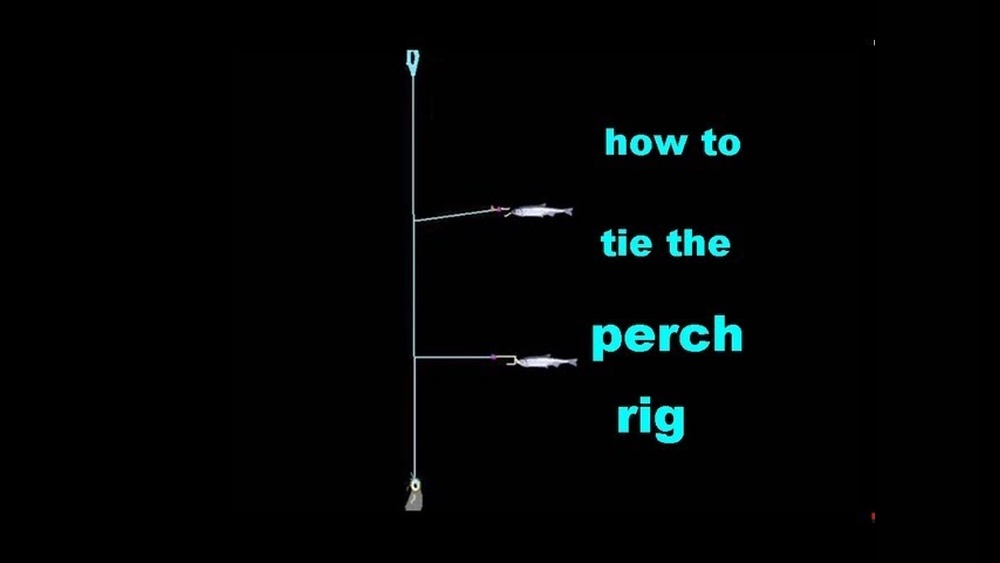
Perch fishing is one of the most rewarding ways to spend time outdoors. The perch is a lively fish, found in many lakes and rivers around the world. They are famous for their beautiful stripes and aggressive strikes. But catching perch is not just about luck. You need the right fishing rig, and you must know how to tie it correctly. Many beginners struggle with this part. They often lose fish because the hook is not presented naturally or the rig tangles up. If you want to catch more perch and enjoy your time by the water, learning how to tie a perch fishing rig is essential.
In this guide, you will discover every step you need, from choosing the right materials to tying the knots and understanding why each step matters. You’ll get clear examples, real-world tips, and answers to common questions. Whether you’re new or have some experience, this article will help you tie a perch rig with confidence, avoid beginner mistakes, and enjoy more successful fishing trips.
Why The Right Rig Matters For Perch Fishing
Many anglers think any rig will do for perch. This is a big mistake. Perch are curious but can also be cautious. If your rig looks unnatural or scares them, they will swim away. The right rig helps your bait move in a life-like way.
It also keeps your hook at the right depth, so you reach where the perch are feeding.
A well-tied perch rig will:
- Present your bait naturally
- Reduce line tangles
- Improve hook-up rates
- Make it easier to feel bites
These benefits can make the difference between a slow day and a bag full of perch. Choosing the right rig and tying it well is a skill that grows with practice, but the basics are simple and easy to learn.
Types Of Perch Fishing Rigs
There are several rigs you can use to catch perch, but three are most popular. Each has its own strengths and best situations.
| Rig Name | Best Use | Main Components |
|---|---|---|
| Drop Shot Rig | Precise depth control, clear water | Drop shot hook, weight, line |
| Paternoster Rig | Bottom fishing, moving water | Swivel, hook, weight, loop |
| Float Rig | Shallow water, weedy areas | Float, shot, hook, line |
Let’s look at each rig more closely.
Drop Shot Rig
This rig is very popular for perch, especially in clear water. It lets your bait hang just above the bottom, moving naturally. The weight sits at the end of your line, while the hook is tied a short distance above.
You can twitch the bait in place without moving the weight.
Paternoster Rig
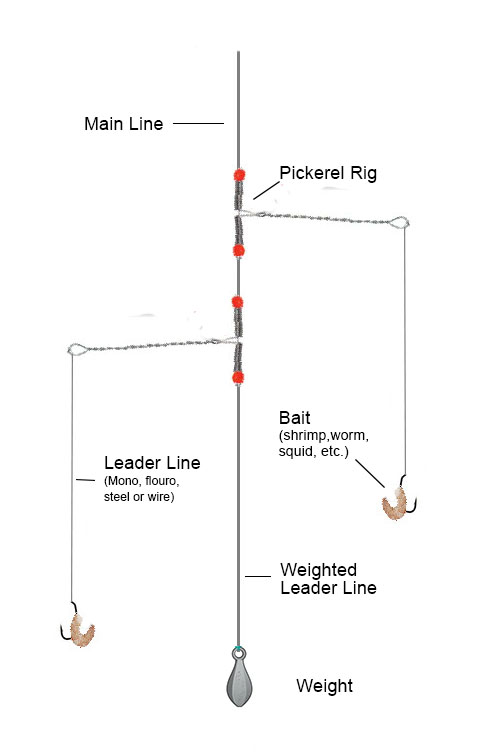
This is a classic rig for bottom fishing. It works well in rivers or lakes with a rocky or muddy bottom. The hook is attached to a side loop, while the weight sits at the bottom. It keeps the bait off the ground and reduces snags.
Float Rig
A float rig is ideal in shallow or weedy water. The float keeps your bait above the weeds, making it easy for perch to find. You can adjust the depth by sliding the float up or down the line. This rig is also great for watching for bites—the float will bob or disappear when a perch takes the bait.
What You Need To Tie A Perch Fishing Rig
Before you start, gather the right equipment. Using the correct gear makes tying and fishing much easier. Here’s a list of what you’ll need for a basic perch rig:
- Fishing line: 4–8 lb (1.8–3.6 kg) monofilament or fluorocarbon is best for perch.
- Hooks: Size 6–10 for worms or live bait. Use drop shot hooks for drop shot rigs.
- Weights: Split shot or small sinkers for float rigs; drop shot weights for drop shot rigs.
- Swivels: Small barrel swivels prevent line twists (mainly for paternoster rigs).
- Floats: Slim, sensitive floats for float rigs.
- Bait: Worms, minnows, soft plastics, or maggots.
You will also need scissors or line cutters and, if possible, a small tackle box to keep everything organized.
| Item | Recommended Size | Purpose |
|---|---|---|
| Fishing Line | 4–8 lb | Main line, leader |
| Hooks | Size 6–10 | Bait presentation |
| Weights | 1–10 g | Sink bait or rig |
| Swivels | Small | Stop line twist |
| Floats | 2–5 g | Hold bait off bottom |
Step-by-step: How To Tie The Drop Shot Rig
Let’s start with the drop shot rig, as it’s one of the easiest and most effective for perch. This rig is also less likely to tangle and can be fished from shore or boat.
Materials Needed
- Main line (4–8 lb)
- Drop shot hook (size 6–10)
- Drop shot weight (3–10 g)
- Soft plastic lure or live bait
Steps
- Tie the Hook: Use a Palomar knot to tie the drop shot hook to your line. Leave a long tag end (30–60 cm) below the hook.
- Position the Hook: Make sure the hook point faces up. This helps with hook sets and keeps the bait natural.
- Attach the Weight: Tie the drop shot weight to the tag end of your line, 20–50 cm below the hook. If using a clip-on weight, just pinch it on.
- Add the Bait: Thread a worm or soft plastic onto the hook. For live bait, hook it gently to keep it alive.
- Adjust for Depth: If you’re fishing deeper water, you can make the tag end longer.
Non-obvious tip: Always wet the knot before tightening. This prevents heat and friction, which can weaken the line.
Common Mistakes To Avoid
- Using too heavy a weight. Perch can be line shy. A lighter weight lets the bait move more naturally.
- Tying the hook upside down. The point should face up, not down.
Tying The Paternoster Rig
The paternoster rig is excellent for bottom fishing. It’s a bit more advanced but offers great results in deeper water or where there’s current.
Materials Needed
- Main line (4–8 lb)
- Small barrel swivel
- Hook (size 6–10)
- Weight (5–20 g)
Steps
- Tie the Swivel: Attach a barrel swivel to your main line using an improved clinch knot.
- Make a Side Loop: About 30–50 cm below the swivel, create a loop in the line using a dropper loop knot. This is where your hook will go.
- Attach the Hook: Thread the hook onto the side loop and secure it with a simple knot or loop-to-hook method.
- Add the Weight: Tie a weight to the end of the main line, 20–40 cm below the hook loop.
- Bait the Hook: Use worms, minnows, or maggots.
Practical insight: If you fish in rocky areas, use a breakaway weight. This way, if the weight snags, you lose only the weight, not the whole rig.
Common Mistakes To Avoid
- Making the side loop too long. This can tangle your rig.
- Using a swivel that is too large. Small swivels are less visible to perch.
How To Tie A Float Rig For Perch
Float rigs are classic, easy to use, and very effective, especially in the right conditions.
Materials Needed
- Main line (4–8 lb)
- Small float (2–5 g)
- Split shot weights
- Hook (size 6–10)
- Small swivel (optional)
Steps
- Thread the Float: Slide the float onto your main line.
- Add a Stopper: Use a rubber or knot stopper to set the float depth.
- Attach the Hook: Tie the hook to the end of the line with a clinch knot.
- Add Split Shot: Pinch one or two small split shot weights 10–20 cm above the hook. This helps the bait sink.
- Adjust Depth: Slide the stopper up or down to fish deeper or shallower.
- Bait the Hook: Worms or maggots work best.
Non-obvious tip: Use a small float for perch. A float that is too large makes bites hard to see.
Common Mistakes To Avoid
- Using too much weight. The float will sink and you won’t see bites.
- Setting the float too shallow. Perch often feed just above the bottom.

Credit: www.youtube.com
Choosing The Right Knot
Knot choice is a small detail, but it matters. The right knot is strong, easy to tie, and does not damage the line.
Best Knots For Perch Rigs
- Palomar Knot: Very strong and reliable for hooks.
- Improved Clinch Knot: Good for swivels and hooks.
- Dropper Loop Knot: Used for the side hook on paternoster rigs.
| Knot Name | Strength | Best Use |
|---|---|---|
| Palomar Knot | Very high | Hooks, drop shot rigs |
| Improved Clinch Knot | High | Hooks, swivels |
| Dropper Loop Knot | Medium | Paternoster rig side loop |
Practical tip: Practice tying these knots at home. Use old line and a large hook until you can tie them quickly and without mistakes.
Baiting The Perch Rig
The way you put bait on the hook is as important as the rig itself. Perch love movement and smell. The bait should look alive and tempting.
Best Baits For Perch
- Worms: Earthworms or red worms are top choices.
- Minnows: Small live fish or dead baits.
- Soft plastics: Small lures, shads, or grubs.
- Maggots: Especially good in cold water.
Practical insight: Hook the bait so it can wiggle. For worms, thread them only partway. For minnows, hook through the lips or back so they swim naturally.
How To Fish Your Perch Rig
Once your rig is tied and baited, you need the right technique to catch perch. Many beginners just cast and wait. For perch, a little action goes a long way.
Techniques For Each Rig
- Drop Shot Rig: Cast out, let the weight hit bottom, and gently twitch the rod tip. Pause often. Perch may take during the pause.
- Paternoster Rig: Cast and let the rig settle. Keep the line tight and watch for bites. You can also gently lift the rod to move the bait.
- Float Rig: Cast out, let the float settle, and watch for any movement. Sometimes, small twitches attract perch.
Non-obvious tip: Perch often bite best at dawn and dusk. Try fishing during these times for better results.
Advanced Tips For More Success
After you master the basics, a few advanced tricks can make a big difference.
Use Fluorocarbon Leaders
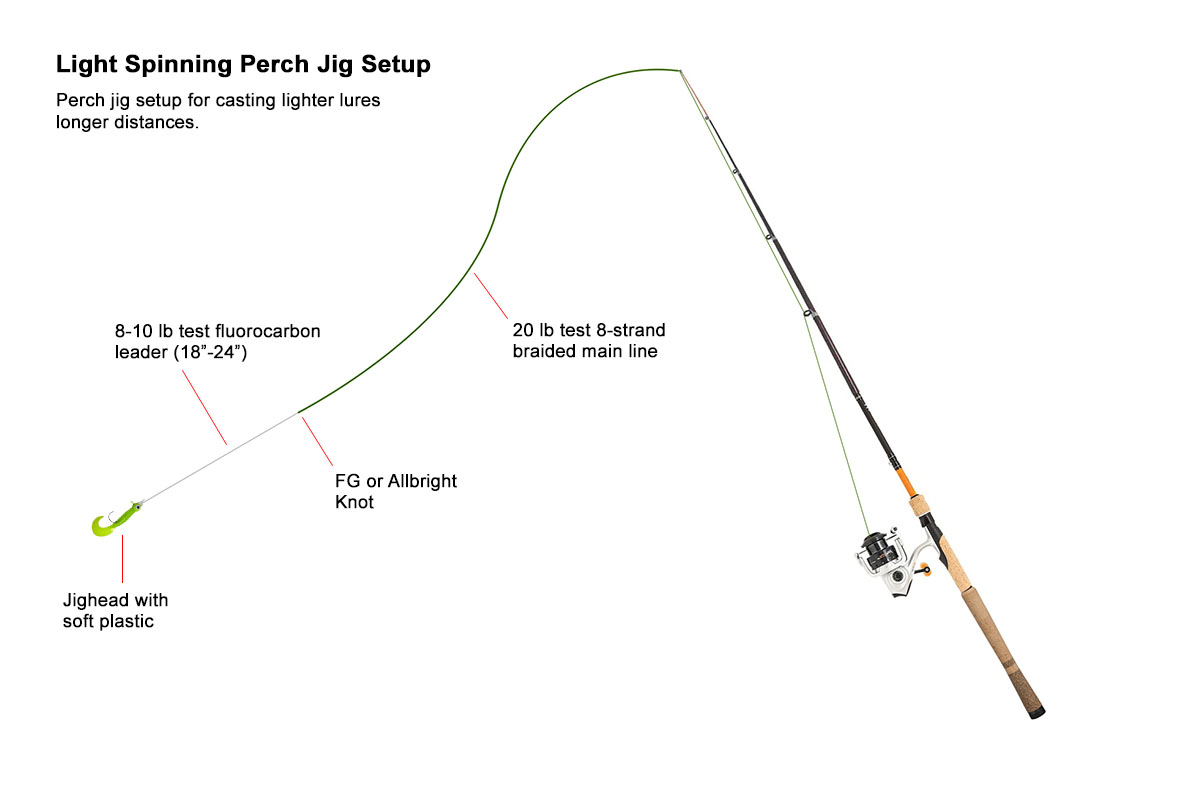
Fluorocarbon is nearly invisible in water. Adding a short fluorocarbon leader can help when perch are shy.
Adjust Rig For Conditions
If the water is murky, use larger bait. If perch are small, use a smaller hook and lighter line. Adjust your rig to match the size of perch you catch.
Watch The Weather
Perch are more active on cloudy days or just before a storm. On sunny days, fish deeper.
Keep Hooks Sharp
A dull hook misses bites. Check your hook tip often and sharpen or replace if needed.
Credit: norrik.com
Real-world Example: Simple Drop Shot Success
Jacob, a weekend angler, was struggling to catch perch in his local lake. He used heavy line and random rigs with little success. After learning the drop shot rig and switching to a 6 lb fluorocarbon leader with a size 8 hook, he noticed an immediate difference.
By casting near weed edges and gently twitching the bait, he caught over 20 perch in one afternoon. His key change was using a lighter weight and letting the bait pause often.
Common Beginner Mistakes And How To Avoid Them
- Using heavy tackle: Perch have small mouths. Heavy gear scares them off and makes bites harder to detect.
- Not adjusting depth: Perch move up and down in the water. If you don’t change your rig’s depth, you may miss them.
- Poor knots: Weak knots break easily. Always check your knots before casting.
- Too much weight: This makes your bait look unnatural and can spook perch.
- Ignoring the weather: Perch are less active on bright, sunny days. Try fishing in low light for better results.
Non-obvious insight: Learn to feel the difference between a perch bite and a snag. Perch often nibble lightly before taking the bait fully.
Credit: norrik.com
Caring For Your Catch
If you plan to release perch, handle them gently. Wet your hands before touching the fish. Remove the hook quickly and let them go as soon as possible. This keeps the perch healthy and ensures good fishing for others.
If you want to keep some for eating, follow local laws. Perch are tasty but don’t keep more than you need.
Safety And Legal Tips
- Always check local rules before fishing. Some places have size or bag limits for perch.
- Wear a life jacket if fishing from a boat.
- Be careful with sharp hooks and knives.
You can find more about fishing regulations and safe practices at U.S. Fish & Wildlife Service.
Frequently Asked Questions
How Deep Should I Fish For Perch?
Perch often feed near the bottom, but their depth changes with the season and weather. In spring and autumn, start with your bait just above the bottom. In summer, perch may move deeper, especially on sunny days. Adjust your float or rig depth until you find where they are biting.
What Is The Best Bait For Perch?
Live worms are usually the best bait for perch. They are easy to find and perch love their movement and smell. Small minnows, maggots, and soft plastic lures also work well. Try different baits to see what works best in your local water.
How Can I Stop My Perch Rig From Tangling?
Use the right amount of weight and keep loops short. For drop shot and paternoster rigs, make sure knots are tight and hooks face up. Practice casting gently. If tangles are still a problem, switch to a stiffer leader or try using a swivel.
Should I Use A Leader For Perch Fishing?
A fluorocarbon leader is helpful, especially in clear water or if perch are shy. It is less visible than normal line and can improve bites. Use a leader about 30–50 cm long, attached with a small swivel.
What Size Hook Should I Use For Perch?
Size 6–10 hooks are best for perch. Use size 8 for worms and size 10 for maggots or small bait. For larger perch or using minnows, a size 6 hook is a good choice. The hook should match the bait, not just the fish size.
Fishing for perch is easy to start but has many layers to master. With the right rig, good knots, and a little practice, you can enjoy success on almost any water. Try the steps above, avoid common mistakes, and soon you’ll be catching more perch—and having more fun—every time you go.