Fishing is more than just casting a line in the water. The right gear can turn a slow day into a memorable catch. Among all the equipment, fishing line is one of the most important—but also the most debated. Many anglers find themselves choosing between two popular types: copolymer and fluorocarbon fishing lines. If you want to improve your fishing success, understanding the differences, advantages, and ideal uses for each is essential. This guide will help you make the best choice for your style, conditions, and target fish.
What Are Copolymer And Fluorocarbon Fishing Lines?
Before comparing them, it helps to know what each type of line is.
Copolymer fishing line is made by combining two or more types of nylon polymers. This process creates a line that takes the best qualities from each polymer. The result is usually a line that is softer, less stretchy, and more sensitive than standard monofilament.
Fluorocarbon fishing line is made from polyvinylidene fluoride. This material is denser and more resistant to water absorption. It also has a refractive index close to water, making it nearly invisible when submerged. Fluorocarbon is usually stiffer than copolymer but offers unique advantages in certain fishing situations.
How Copolymer And Fluorocarbon Lines Are Made
Copolymer Line Production
Copolymer lines start with two or more nylon polymers. These are melted and combined under controlled conditions. By mixing different nylons, manufacturers can adjust stretch, strength, and flexibility. For example, adding a softer polymer can make the line more manageable and easier to tie knots with.
Fluorocarbon Line Production
Fluorocarbon lines are made using polyvinylidene fluoride resin. This resin is melted and pushed through tiny holes to form long, continuous filaments. These filaments are then cooled, stretched, and treated for extra strength. Unlike copolymer, fluorocarbon is not nylon-based. Its unique material gives it low visibility in water and better resistance to abrasion.

Credit: www.youtube.com
Key Differences Between Copolymer And Fluorocarbon
It’s easy to confuse these lines at first glance, but they perform very differently on the water. Here are the main differences:
| Feature | Copolymer | Fluorocarbon |
|---|---|---|
| Material | Nylon blends | Polyvinylidene fluoride |
| Visibility Underwater | Low (but not invisible) | Nearly invisible |
| Stretch | Low to moderate | Very low |
| Strength | Good | Excellent (especially abrasion resistance) |
| Flexibility | Higher | Lower (stiffer) |
| Sensitivity | High | Very high |
| Price | Lower | Higher |
Performance In Real Fishing Situations
Casting Distance
Copolymer lines are popular for long casts because they are flexible and have less memory (the tendency to coil). This means the line comes off the reel smoothly, resulting in longer, more accurate casts.
Fluorocarbon lines are stiffer, which can reduce casting distance, especially with lighter lures or in cold weather. However, modern fluorocarbons are improving, and many anglers find little difference for heavier lures.
Line Memory
Line memory can be frustrating. It causes your line to form loops and tangles, making it hard to cast and retrieve. Copolymer lines have less memory than fluorocarbon, so they lay flatter on the spool and are easier to handle.
Fluorocarbon’s higher memory can lead to coils and tangles if the line isn’t managed properly. This is more noticeable in cold conditions or if the line has been on the reel for a long time.
Knot Strength
Strong knots are critical for holding big fish. Copolymer lines, with their softer texture, are easier to knot and usually hold knots better than fluorocarbon.
Fluorocarbon is stiffer and slicker, which can cause some knots to slip or break if tied incorrectly. Using the right knot (like the Palomar or San Diego Jam) is important for fluorocarbon. Wetting the line before tightening helps prevent friction and breakage.
Sensitivity
Both lines are more sensitive than basic monofilament. Sensitivity means you feel more bites, even subtle ones. Fluorocarbon, being denser and less stretchy, gives you the best sensitivity—ideal for detecting light bites or fishing deep water.
Copolymer is also sensitive but has a bit more stretch, which can sometimes help when fighting fish, acting as a shock absorber.
Abrasion Resistance
Rocks, logs, and sharp fish teeth are common underwater threats. Fluorocarbon is known for excellent abrasion resistance, making it the top choice in heavy cover or rocky areas.
Copolymer is better than monofilament but not as tough as fluorocarbon. If you fish in places with lots of snags, fluorocarbon is less likely to get damaged.
Water Absorption And Longevity
Fluorocarbon does not absorb water, so its strength and sensitivity stay the same even after hours in the water. Copolymer absorbs a small amount of water, which can slightly reduce its strength over time. However, many modern copolymer lines are treated to resist this issue.
Visibility
Fluorocarbon’s refractive index is close to water, making it almost invisible underwater. This is critical in clear water or when fish are easily spooked.
Copolymer lines are less visible than standard monofilament but not as “invisible” as fluorocarbon.
Price And Value
Copolymer lines are usually cheaper than fluorocarbon. For anglers on a budget or those who change line often, copolymer offers a good balance of performance and price.
Fluorocarbon costs more, but its durability, invisibility, and resistance to damage can make it a better investment for serious anglers.
))/4494720.json "Copolymer Vs Fluorocarbon Fishing Line: Which Is Best for You?")
Credit: www.cabelas.com
Situations Where Copolymer Excels
Copolymer lines are a smart choice in several scenarios:
- Long casting: Their flexibility and low memory mean you can cast farther and smoother.
- Topwater fishing: Copolymer floats better than fluorocarbon, making it perfect for lures that need to stay on the surface.
- Cold weather: Softer copolymer lines stay manageable and less prone to coiling in low temperatures.
- General use: For beginners or casual anglers, copolymer is forgiving and less expensive to replace.
- Using lighter lures: The flexibility helps with casting small baits without tangles.
Non-obvious tip: Many anglers overlook copolymer for leader material. In some situations, especially when fish are not line-shy, copolymer leaders can offer better knot strength and flexibility than fluorocarbon.
Situations Where Fluorocarbon Shines
Fluorocarbon lines are often the choice for:
- Clear water: Fish can see less of your line, making them more likely to bite.
- Fishing around rocks and debris: The high abrasion resistance helps prevent break-offs.
- Deep water techniques: Fluorocarbon sinks faster, helping lures get down quickly.
- Finesse fishing: The sensitivity helps detect the lightest nibbles.
- Leader material: Even braided line users often tie on a fluorocarbon leader for stealth.
Non-obvious tip: Fluorocarbon can be a game-changer for ice fishing. Its low water absorption and stiffness remain consistent in freezing temperatures, which helps with bite detection and hooksets.
Pros And Cons At A Glance
Here’s a quick comparison of the main advantages and disadvantages:
| Copolymer | Fluorocarbon | |
|---|---|---|
| Pros | – Soft and flexible – Long casting – Good knot strength – Lower price – Low memory |
– Nearly invisible – High sensitivity – Abrasion resistant – Sinks quickly – No water absorption |
| Cons | – Slightly more visible – Absorbs some water – Not as abrasion resistant – May stretch under heavy loads |
– Higher price – More memory – Stiffer (harder to handle) – Knots can slip or break |
Which Line Is Best For Different Fish Species?
The right fishing line depends not just on water and weather, but also on what you’re targeting.
Bass
Bass are strong and often live in heavy cover. Fluorocarbon is a favorite for its abrasion resistance and low visibility, especially in clear lakes. Copolymer is also used when fishing topwater lures or in mixed cover.
Trout
Trout are shy and live in clear streams or lakes. Fluorocarbon’s invisibility helps, especially with light lines for small lures. Copolymer works well for beginners or for fishing in cloudy water.
Pike And Muskie
These fish have sharp teeth and live near rocks and weeds. Fluorocarbon leaders (often heavy, up to 80 lb test) are common to prevent bite-offs. Copolymer is less common but can be used as mainline in certain situations.
Panfish And Crappie
These smaller fish don’t need heavy lines. Copolymer is a good pick for its flexibility and low cost, especially for kids or casual anglers.
Saltwater Species
Saltwater brings extra challenges: salt, strong fish, and sharp coral. Fluorocarbon is popular for leaders due to its toughness and resistance to saltwater damage. Copolymer can be used as mainline for surfcasting or in situations where stealth is less important.
Experience-based advice: If you’re targeting a new fish species, talk to local anglers or tackle shops. They often have tips about which line types work best for that area.
Credit: outdoorempire.com
Choosing The Right Line For Your Reel
Spinning Reels
Both copolymer and fluorocarbon can be used on spinning reels. Copolymer is easier to manage, especially for beginners. If you use fluorocarbon, avoid overfilling the spool and use line conditioner to reduce memory.
Baitcasting Reels
Fluorocarbon lines are popular on baitcasting reels for bass and other larger fish. Copolymer is also used, especially for techniques that need long casts and low stretch.
Fly Fishing
Neither copolymer nor fluorocarbon is used as fly line, but fluorocarbon is a top choice for tippets and leaders due to its invisibility and strength.
How To Spool And Maintain Your Line
Spooling Tips
- Always spool under light tension to avoid loose coils.
- For copolymer, fill the reel almost to the rim for longer casts.
- For fluorocarbon, leave a small gap to prevent overruns from memory.
- Check the manufacturer’s instructions for best results.
Maintenance
- Check for nicks and abrasions after every trip.
- Rinse lines with fresh water if you fish in saltwater.
- Store your reels out of direct sunlight to prevent UV damage.
- Change lines often—copolymer every season, fluorocarbon as needed (often lasts longer).
Practical tip: Many anglers forget to check the last few feet of line. This part sees the most wear. Replacing just this section before each trip can save you from losing a big fish.
Common Mistakes When Choosing And Using Line
- Ignoring line size: Thicker lines are stronger but more visible. Match the line to your target fish and fishing conditions.
- Using the wrong knot: Not all knots work with all lines. Practice and use the right knot for your chosen line.
- Overfilling the reel: Leads to tangles, especially with stiffer fluorocarbon.
- Not wetting knots: Friction can weaken or break lines. Wet knots before tightening.
- Leaving old line on the reel: Weak, old line breaks easily. Replace it regularly.
Environmental Impact And Recycling
Fishing lines can harm wildlife if left in the environment. Both copolymer and fluorocarbon lines are non-biodegradable and can last for hundreds of years. Always collect old line and recycle it if possible. Many tackle shops have recycling bins for used fishing line. You can learn more about the impacts and recycling programs from the BoatUS Foundation.
Popular Brands And Product Examples
If you want to try these lines, here are some popular choices:
Copolymer:
- P-Line CXX X-Tra Strong
- Sufix Elite
- Gamma Polyflex
Fluorocarbon:
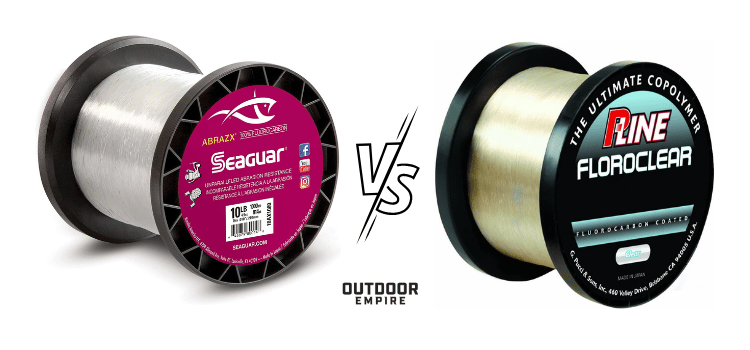
- Seaguar InvizX
- Sunline Super FC Sniper
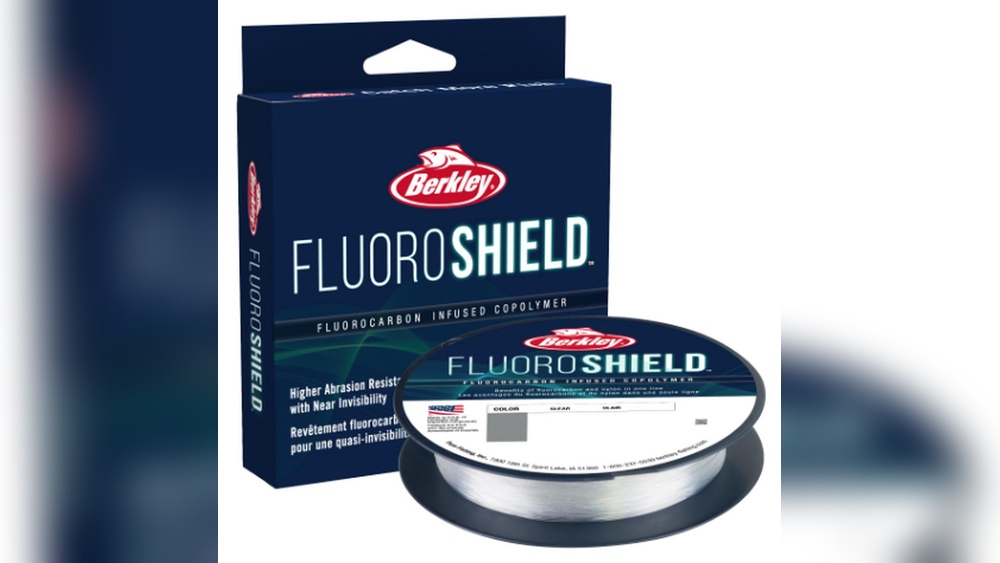
- Berkley Trilene 100% Fluorocarbon
Always check the latest reviews and try different brands to see what works best for you.
When To Use Both: Hybrid Setups
Many experienced anglers use braided line for the main spool and tie on a fluorocarbon or copolymer leader. This combines the strength and low stretch of braid with the invisibility or flexibility of a leader. For example, you might use a braided mainline, a fluorocarbon leader for clear water, or a copolymer leader for topwater lures.
This approach gives you the best of both worlds and allows quick changes based on conditions.
Frequently Asked Questions
What Is The Main Advantage Of Copolymer Over Fluorocarbon?
Copolymer lines are softer, easier to handle, and offer longer casting with less tangling. They are also cheaper and more forgiving for beginners. While not as invisible as fluorocarbon, their flexibility makes them great for topwater lures and general fishing.
Why Is Fluorocarbon Better For Clear Water?
Fluorocarbon has a refractive index similar to water, making it almost invisible underwater. This is important in clear water where fish can be easily spooked by visible lines. It also resists abrasion from rocks and debris.
Can I Use Copolymer Or Fluorocarbon On Any Fishing Reel?
Yes, both can be used on spinning and baitcasting reels. However, copolymer is easier to manage on spinning reels, while fluorocarbon is popular on baitcasting reels for techniques that need high sensitivity and abrasion resistance.
How Often Should I Change My Fishing Line?
Copolymer lines should be changed at least once per season or more often if you fish a lot. Fluorocarbon lasts longer but should be checked regularly for nicks and damage. Replace any line that looks worn, cloudy, or has lost strength.
Is It True That Fluorocarbon Sinks And Copolymer Floats?
Fluorocarbon is denser than water and sinks, making it good for deep water or sinking lures. Copolymer floats better, making it ideal for topwater fishing where you want your lure to stay on the surface.
Fishing is both science and art. By understanding the differences between copolymer and fluorocarbon fishing lines, you can pick the right tool for every situation. Whether you chase bass in heavy cover or trout in crystal-clear streams, the right line helps you catch more fish—and enjoy every trip even more.