Braided Fishing Line Vs Regular: Which Should You Use?
Fishing is a sport of patience, skill, and choosing the right equipment. One of the most important choices anglers face is picking the best fishing line. There are two main types: braided fishing line and regular fishing line (often called monofilament or fluorocarbon). Each has unique qualities. Understanding these differences can make your fishing trips more successful and enjoyable.
Many beginners focus only on rods and lures, but the line is what connects you to your catch. Using the wrong line can mean missed bites, lost lures, or even broken records that slip away. In this guide, we’ll break down the key features, pros, and cons of both braided and regular fishing lines.
You’ll learn where each type shines, what to watch out for, and which line best fits your fishing style and environment.
What Is Braided Fishing Line?
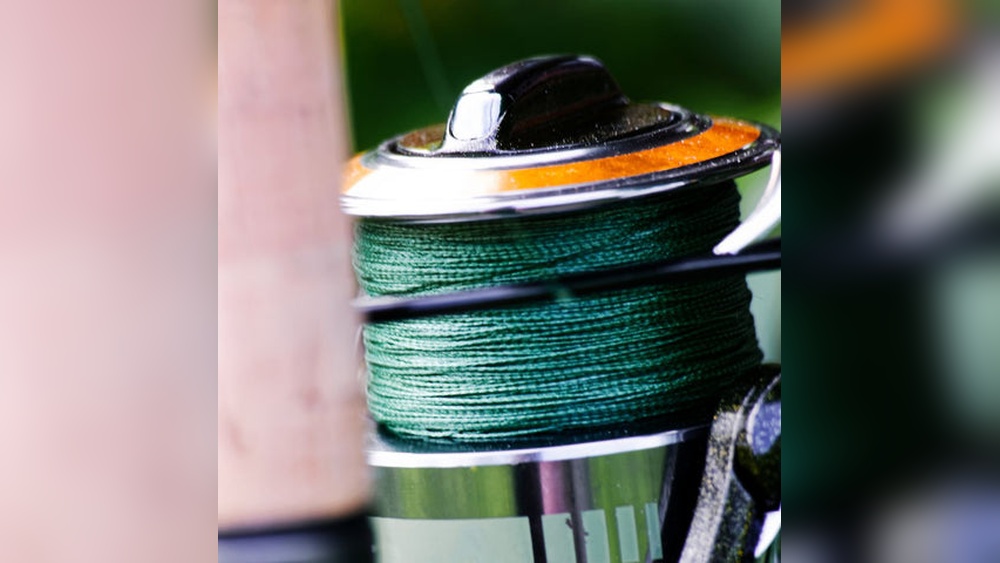
Braided fishing line is made by weaving together several strands of synthetic material. Most often, these are fibers like Spectra or Dyneema. The result is a strong, thin line with almost no stretch.
Some important features:
- Thin diameter: For the same strength, braid is much thinner than regular lines.
- High strength: Braid can handle heavy fish despite its slim profile.
- No stretch: This means better sensitivity—you feel every tap and bump.
- High visibility: Most braids are easy to see above water, which can be good or bad.
Braid has a long history in fishing, but today’s versions are much improved compared to older cotton or linen lines.
What Is Regular Fishing Line?
When people say regular fishing line, they usually mean monofilament or fluorocarbon. Both are single-strand lines but have different properties. For this article, we’ll focus on monofilament as it’s the most common, but will also mention fluorocarbon where important.
Key traits of regular (mono) line:
- Single strand: Made from nylon, it’s a smooth, flexible line.
- Stretch: Mono stretches under tension, acting like a shock absorber.
- Low visibility: It’s nearly invisible underwater, which can fool wary fish.
- Easy handling: It knots well and resists tangling.
Fluorocarbon is similar but less stretchy and even harder to see underwater. It’s often used as a leader with both braid and mono.
Strength And Diameter: Which Is Stronger?
Strength is a major reason many anglers choose braid. Let’s look at how these lines compare for the same test strength (how much weight they can handle before breaking).
| Line Type | Strength (lb test) | Average Diameter (mm) |
|---|---|---|
| Braided | 20 lb | 0.18 |
| Monofilament | 20 lb | 0.40 |
| Fluorocarbon | 20 lb | 0.38 |
As you can see, braid is much thinner than mono or fluoro at the same strength. This lets you spool more line onto your reel, make longer casts, or use heavier tackle with a small reel.
But keep in mind: the thin diameter can also mean less abrasion resistance. In rocky or snaggy areas, braid may fray faster if not handled carefully.
Stretch And Sensitivity
One of the biggest differences is stretch. Mono and fluoro stretch, while braid barely does.
- Braided line: Almost zero stretch. This means when a fish bites, you feel it right away. You can also set the hook faster and with less effort.
- Mono/fluoro: These lines stretch under load. This acts like a shock absorber, helping to keep the hook from tearing out if a fish jumps or thrashes.
For techniques that need high sensitivity—like jigging or fishing deep water—braid is a clear winner. But if you’re after species that make sudden runs or jumps, a little stretch can help keep them on the hook.
Non-obvious insight: Many beginners don’t realize that too much sensitivity can be a problem. If you use braid on a stiff rod for hard-fighting fish, you may pull the hook out more easily. Sometimes, a bit of stretch is your friend.

Credit: www.youtube.com
Knot Strength And Handling
Knot strength is an area where regular lines often win. Monofilament is soft and grips itself well, making knots strong and reliable. Braided lines are slippery and can slip or unravel if not tied correctly.
To get the best results with braid, use knots designed for it, such as the Palomar or Double Uni knot. Wetting the line before tightening helps avoid heat damage. For mono, most standard fishing knots work well.
Handling is also different. Mono is easier to untangle if you get a knot or “bird’s nest. ” Braid can dig into itself on the reel and is harder to untangle once knotted. Some beginners get frustrated with braid for this reason.
Casting Distance And Accuracy
Many anglers switch to braid for longer casts. The thin diameter reduces air and water resistance, letting you cast farther with less effort. This is helpful for shore anglers or when you need to cover more water.
Accuracy can also improve, since less stretch means the line responds instantly to your movements. However, in windy conditions, ultra-light braid can be blown off course more easily.
Mono is heavier and has more friction, so casts are a bit shorter. But its stretch can help cushion casting mistakes, making it more forgiving for beginners.
Non-obvious insight: If you want maximum casting distance, pair a smooth braid with a quality spinning reel. But always check your rod guides—older or rough guides can wear out braid faster.
Visibility In Water
Fish can be smarter than you think. In clear water, a visible line may scare them away. This is where regular lines like mono and especially fluorocarbon shine.
- Braid: Usually bright colors (yellow, green, blue) for easy above-water visibility. Underwater, these lines can stand out, especially in clear conditions.
- Mono/fluoro: Nearly invisible to fish. Fluorocarbon, in particular, has a refractive index close to water, making it almost disappear.
Many anglers use a short fluorocarbon leader with braid. This gives the best of both worlds: sensitivity and invisibility.
Abrasion Resistance
When fishing around rocks, wood, or heavy cover, your line will rub against rough surfaces. Mono and fluorocarbon are generally better at resisting abrasion. The single, smooth strand can take more rubbing before breaking.
Braid, while strong in pulling force, can fray and snap if dragged over sharp edges. Some modern braids are coated for extra protection, but they still tend to wear faster in tough environments.
For heavy cover, many anglers use a strong mono or fluoro leader even if their main line is braid.

Credit: www.youtube.com
Buoyancy And Water Absorption
- Braided line floats. This is great for topwater lures or fishing in shallow water.
- Monofilament also floats, but less than braid. It can be used for both surface and subsurface lures.
- Fluorocarbon sinks, making it a popular choice for deep or bottom fishing.
Another point: braid absorbs very little water, so it stays consistent. Mono can absorb water over time, which slightly weakens it and affects handling.
Cost And Value
Cost is often a deciding factor, especially for beginners. Braided line costs more per spool than monofilament or fluorocarbon. However, braid lasts longer because it does not degrade from sunlight (UV) or water as quickly as mono.
Mono is affordable and easy to replace. It is a good choice for those on a tight budget or who fish infrequently.
Here’s a quick price comparison for popular brands (approximate, based on 300 yards of 20 lb test):
| Line Type | Average Price (USD) | Average Lifespan |
|---|---|---|
| Braided | $25 | 2-3 years |
| Monofilament | $8 | 1 year |
| Fluorocarbon | $20 | 1-2 years |
So, while braid is more expensive up front, you may save money over time by changing it less often.
Applications: When To Use Braid Vs. Regular
Choosing the right line depends on your fishing style, target species, and location. Here are some typical scenarios:
When To Use Braided Line
- Heavy cover: Fishing in thick weeds, lily pads, or wood where you need to pull fish out fast.
- Deep water: For jigging or bottom fishing where sensitivity matters.
- Long casts: Surf fishing or casting long distances from shore.
- Saltwater: Where fish are big and runs are long.
- Frogging/topwater: Floating lures on the surface.
When To Use Regular (mono/fluoro) Line
- Clear water: Where line visibility can spook fish.
- Light lures: Mono’s stretch helps with casting small baits.
- Beginner-friendly: Easy to handle, knot, and manage.
- Leader material: Fluorocarbon leaders for invisibility and abrasion resistance.
- Trolling: Stretch helps keep fish hooked during boat movement.
Pros And Cons At A Glance
To help you decide, here’s a side-by-side comparison:
| Feature | Braided Line | Regular (Mono/Fluoro) |
|---|---|---|
| Strength for Diameter | Very high | Moderate |
| Stretch | Almost none | High (mono), low (fluoro) |
| Visibility | High above, moderate below water | Low (mono), very low (fluoro) |
| Knot Strength | Good with proper knots | Very good |
| Abrasion Resistance | Lower | Higher |
| Cost | Higher upfront, lasts longer | Lower, needs replacing sooner |
| Ease of Use | Requires practice | Beginner-friendly |
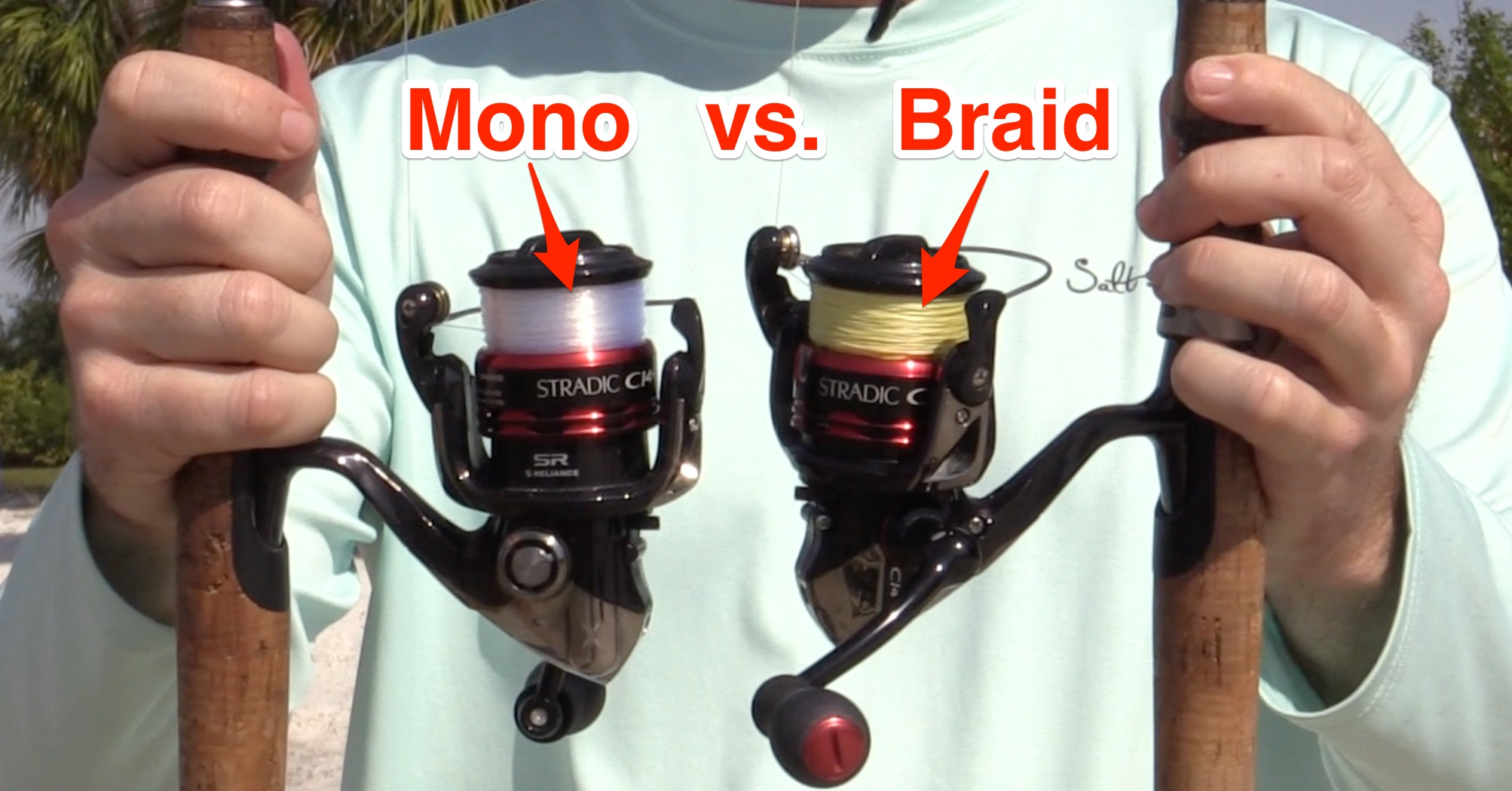
Credit: www.saltstrong.com
Common Mistakes When Choosing Fishing Line
Many anglers, especially beginners, make the following mistakes:
- Using only braid or only mono for all situations. Each line type has strengths and weaknesses. Using braid in clear water or mono in heavy cover can lead to missed catches.
- Ignoring knot type. Braided lines need special knots to avoid slipping. Using a basic knot can cause lost fish and lures.
- Not checking rod and reel compatibility. Some reels and rods are made for specific line types. Braid can cut into soft rod guides, so always check before spooling up.
- Skipping the leader. If you use braid, adding a mono or fluoro leader can improve invisibility and abrasion resistance.
- Not replacing old line. Even strong lines wear out. Frayed braid or cloudy, stiff mono should be replaced to avoid break-offs.
Environmental Impact
This is something many anglers overlook. Monofilament can last for hundreds of years in the environment and is dangerous to wildlife if left behind. Braided lines are made from synthetic fibers that also do not break down quickly.
Always dispose of old fishing line properly. Many tackle shops and fishing areas have recycling bins for used line. This small step helps protect fish, birds, and other animals.
For those who want to learn more about line recycling and environmental effects, the U.S. Fish & Wildlife Service provides helpful resources.
Braided Vs. Regular Line: Expert Tips
- Test before you fish. Always check knot strength and casting distance with your setup before hitting the water.
- Mix and match. Many pros use braid for the main line and mono or fluoro for leaders. This combines the best features of each.
- Check drag settings. With braid, use a lighter drag to avoid pulling hooks out due to low stretch.
- Inspect your guides. Braided line can wear out soft or cracked rod guides. Replace damaged guides to avoid line breakage.
- Store lines properly. Keep all lines out of direct sunlight and heat to extend their life.
Frequently Asked Questions
What Is The Main Difference Between Braided And Regular Fishing Lines?
Braided lines are made from several woven fibers and have almost no stretch, making them very strong for their size and highly sensitive. Regular lines (monofilament/fluorocarbon) are single-strand, stretch more, are less visible underwater, and are usually easier for beginners to handle.
Is Braided Fishing Line Better For Saltwater Fishing?
Braided line is popular in saltwater fishing because it offers high strength and allows more line on the reel. Its low stretch helps with powerful fish. However, always use a fluorocarbon or monofilament leader for abrasion resistance and to reduce visibility.
Does Braided Line Last Longer Than Monofilament?
Yes, braided line usually outlasts monofilament. It does not break down as quickly from sunlight or water exposure. With proper care, braid can last several years, while monofilament often needs replacing every season.
Can Fish See Braided Fishing Line Underwater?
Most braided lines are more visible underwater than mono or fluorocarbon. In clear water, this can spook fish. Using a fluorocarbon leader with your braid can help make the final section of your line less visible to fish.
What Is The Best Knot For Braided Fishing Line?
The Palomar knot is highly recommended for braid, as it holds well and is easy to tie. For joining braid to a leader, the Double Uni knot or FG knot are strong and reliable choices.
Choosing the right fishing line can make a huge difference on the water. By understanding the unique features of braided and regular lines, and matching them to your fishing needs, you’ll catch more fish and enjoy your time outdoors even more. Remember, the best line is the one that fits your fishing situation—don’t be afraid to experiment and find what works for you.