
Thank you for your message and your willingness to clarify. Based on your request, here’s a detailed, well-structured article comparing 2000 and 3000 size fishing reels. This article is written for readers who may not be native English speakers, so the language is simple and clear.
The information is expanded across all sections, with practical examples and insights to help you understand the differences and make the right choice for your fishing needs.
—
2000 Vs 3000 Size Fishing Reel: Which One Should You Choose?
Choosing the right fishing reel size can make a big difference in your fishing experience. Many anglers, especially beginners, often face confusion when deciding between a 2000 and a 3000 size reel. Both sizes look similar, but they have important differences.
These differences affect what kind of fish you can catch, the type of fishing you can do, and how comfortable your fishing trip will be. If you are not sure which size is best for you, this guide will explain everything in simple words, so you can feel confident the next time you buy or use a fishing reel.
What Do “2000” And “3000” Reel Sizes Mean?
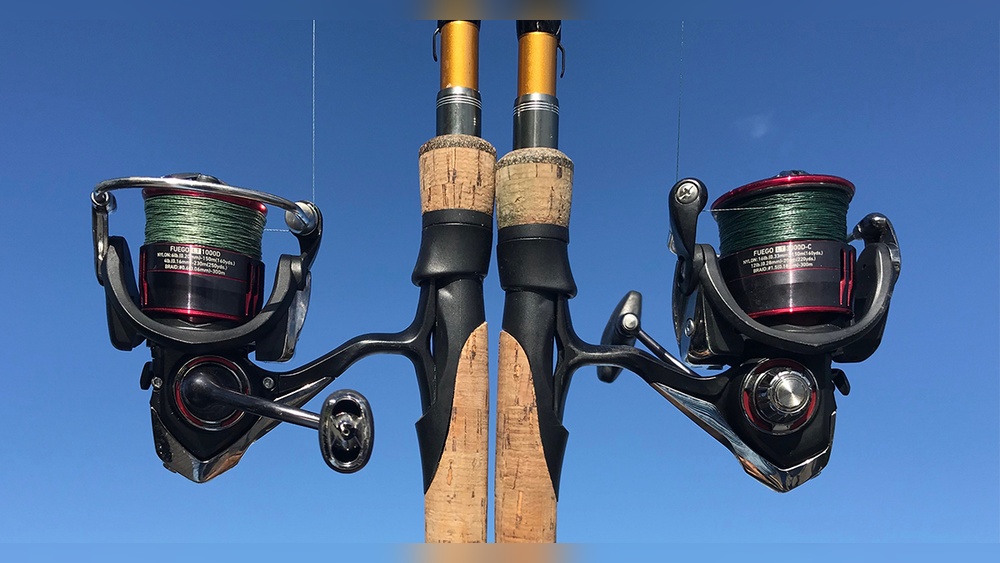
Fishing reels come in different sizes, and the numbers like 2000 and 3000 are part of the manufacturer’s system to show how big each reel is. Usually, the smaller the number, the smaller and lighter the reel. A 2000 size reel is smaller than a 3000 size reel.
However, these numbers are not always exact or the same across all brands. For example, a 2000 size reel from Shimano may be slightly different from a 2000 size reel from Daiwa.
The number mainly shows:
- The spool size (how much fishing line the reel can hold)
- The reel’s overall weight and size
- The reel’s strength and how much drag it can provide
You do not need to know every technical detail, but it is important to understand that a higher number usually means a bigger, stronger reel that can hold more line and handle bigger fish.
Main Differences Between 2000 And 3000 Size Reels
It may seem like a small jump from 2000 to 3000, but the changes can affect your fishing in important ways. Here are the main differences:
1. Line Capacity
A 3000 size reel can hold more fishing line than a 2000 size reel. This is important if you plan to fish in deeper water or need to cast your line far from the shore. For example:
- A typical 2000 size reel might hold about 100-120 yards of 6-8 lb test monofilament line.
- A typical 3000 size reel might hold 140-160 yards of 8-10 lb test monofilament line.
If you use braided line, the difference can be even more. With more line, you have a better chance of landing a big fish that might run far after being hooked.
2. Drag Power
The drag system is what helps you control the fish when it pulls against your line. A 3000 size reel usually has a stronger drag system than a 2000 size reel. This means it can handle bigger, stronger fish without breaking.
For example, a 2000 reel might offer 8-10 lbs of drag, while a 3000 reel can go up to 13-15 lbs or more.
3. Reel Weight And Size
A 2000 size reel is smaller and lighter. This makes it more comfortable if you want to fish for many hours, or if you are hiking to your fishing spot and want to carry less weight. A 3000 size reel is a bit bigger and heavier, but the difference is usually not extreme—often just 1-2 ounces (about 30-60 grams).
Still, if you want the lightest setup, the 2000 size is better.
4. Target Fish Species
The size of your reel should match the fish you want to catch. A 2000 size reel is best for smaller fish like trout, panfish, perch, or small bass. A 3000 size reel can handle medium fish, such as larger bass, walleye, pike, or small saltwater species.
If you try to catch big, powerful fish with a small 2000 reel, the reel may not handle the fight and you could lose the fish or damage your reel.
5. Types Of Fishing
- 2000 size reels are perfect for light freshwater fishing, like streams, lakes, or small rivers.
- 3000 size reels are more versatile. You can use them for larger freshwater fish or even light saltwater fishing, such as inshore fishing for species like sea trout, redfish, or small snappers.
6. Rod Pairing
The size of your reel should match your fishing rod for the best balance. A 2000 size reel pairs well with ultralight or light rods, usually 5 to 7 feet long. A 3000 size reel works best with medium-light to medium rods, often 6 to 8 feet long.
If your reel and rod are not balanced, your setup may feel awkward and tiring to use.
When Should You Use A 2000 Size Reel?
A 2000 size reel is a great choice if you plan to fish for smaller species, use lighter lines, and want a lightweight setup. Here are some good situations for a 2000 size reel:
- Trout fishing in streams or rivers: The smaller reel is perfect for casting light lures or bait and gives you better control.
- Panfish or perch fishing: You do not need a heavy reel for small fish, and the 2000 size is easy to handle.
- Fishing with kids or beginners: The lighter reel is easier to use and less tiring for young or new anglers.
- Long days on the water: If you fish all day, a lighter reel means less wrist and arm fatigue.
Example
Imagine you are fishing for trout in a clear mountain stream. The fish are small and shy, so you use 4-6 lb test line and tiny lures. A 2000 size reel is perfect for this because it is light, sensitive, and easy to handle.
Non-obvious Insight
Many beginners think bigger is always better, but using a reel that is too big can make casting small lures harder. With a 2000 size reel, you can make gentle, accurate casts, which is important for spooking less fish.

Credit: www.reddit.com
When Should You Use A 3000 Size Reel?
A 3000 size reel is better if you want more power, line capacity, and the flexibility to catch larger fish. Here are some good situations for a 3000 size reel:
- Bass fishing in lakes or rivers: You may need heavier line and bigger lures, which the 3000 size can handle.
- Inshore saltwater fishing: If you fish in saltwater bays or near the coast, a 3000 reel lets you handle the stronger, faster fish found there.
- Fishing in deeper water: When you need to cast farther or fish at greater depths, the extra line capacity is helpful.
- Targeting multiple species: If you want one reel for different fish, the 3000 size is a good all-around choice.
Example
Suppose you are fishing for bass in a large lake, using 10 lb test line and bigger soft plastics or crankbaits. A 3000 size reel is strong enough to handle big fish, thick weeds, and long runs.
Non-obvious Insight
Some anglers use a 3000 size reel for both freshwater and light saltwater fishing. This makes it a good “one-size-fits-most” choice if you want to save money and reduce the number of reels you need.
How To Decide: Key Questions To Ask Yourself
Still not sure which size is right for you? Answering these questions can help you decide:
1. What Fish Do You Want To Catch?
Small fish (trout, bluegill): Go for 2000.
Bigger fish (bass, redfish): Choose 3000.
2. Where Will You Fish Most Often?
Small rivers, ponds: 2000 is enough.
Large lakes, saltwater: 3000 gives more power.
3. What Line And Lures Do You Use?
Light line (4-8 lb), small lures: 2000 is better.
Heavier line (8-15 lb), bigger lures: 3000 handles it better.
4. Do You Want A Light Setup?
If your main goal is a light, easy-to-carry combo, the 2000 reel is best.
5. Are You New To Fishing?
For most beginners, a 2000 size is easier to learn with, unless you know you will chase bigger fish.
Common Mistakes When Choosing Reel Size
Many anglers make simple mistakes when picking a reel size. Here are a few to avoid:
- Ignoring rod and reel balance: If your reel is too big for your rod, the setup feels heavy and awkward. If your reel is too small, it may not hold enough line.
- Overestimating line needs: Most people do not need 200+ yards of line for freshwater fishing. Picking a 3000 size just for extra line is often unnecessary.
- Buying “just in case”: Some buy a bigger reel thinking they might catch big fish someday. But if you mostly catch small fish, a big reel just adds extra weight.
- Not checking the drag system: A high-quality 2000 reel can have better drag than a cheap 3000 reel. Always check the drag specs.
Real-world Examples
Let’s look at two common fishing trips and which reel size works best:
Example 1: River Trout Fishing
You plan to hike along a river, fishing for trout with light lures and 6 lb test line. You expect to catch fish up to 2 pounds. Here, a 2000 size reel is perfect. It is light, holds enough line, and gives you great control.
Example 2: Lake Bass And Pike Fishing
You are fishing from a boat in a big lake. You use 10-12 lb test line and bigger lures for bass and the chance of hooking a pike. A 3000 size reel gives you more line, stronger drag, and a better chance if you hook something big.

Credit: sixgillfishing.com
What About Other Sizes?
You may see even smaller reels (1000 size) or bigger ones (4000, 5000, or more). Here is a quick guide:
- 1000 size: Best for ultralight fishing, very small fish, or kids.
- 2000 size: Light freshwater fishing, small to medium fish.
- 3000 size: Versatile, can handle bigger fish and light saltwater.
- 4000+ size: For big fish, heavy lines, or serious saltwater fishing.
If you are just starting, stick to 2000 or 3000 unless you have a special need.
Maintenance And Durability: Does Size Matter?
Larger reels like the 3000 size often have more robust parts. This means they can last longer if you fight big fish often. However, a well-made 2000 size reel can last for years if you take care of it. Always rinse your reel with fresh water after fishing (especially in saltwater), oil the moving parts, and store it in a dry place.
Price Differences
Usually, there is little price difference between 2000 and 3000 size reels of the same model. Sometimes the 3000 size costs a bit more because of the extra material, but often it is just a few dollars. What matters more is the brand, the quality of the drag, and the smoothness of the reel.
Do not buy a bigger reel just because it is only a little more expensive—make sure it fits your needs.
Final Tips For Choosing The Right Reel
- Try before you buy: If possible, visit a local tackle shop and hold both sizes. See which feels better in your hand and on your rod.
- Ask experienced anglers: People who fish in your area can give great advice about what works best for local fish.
- Read reviews: Look for feedback on durability and drag performance, not just size.
- Think about your future plans: If you might start fishing in saltwater or for bigger fish soon, a 3000 size can be a good investment.

Credit: www.youtube.com
Summary Table: 2000 Vs 3000 Reel
Here’s a simple comparison to help you see the differences at a glance:
| Feature | 2000 Size Reel | 3000 Size Reel |
|---|---|---|
| Line capacity | Less (good for light line) | More (good for heavier line) |
| Drag power | Lower (for small fish) | Higher (for bigger fish) |
| Weight | Lighter | Slightly heavier |
| Best for | Trout, panfish, perch | Bass, walleye, inshore saltwater |
| Rod pairing | Light rods | Medium rods |
| Versatility | More limited | More versatile |
| Typical use | Freshwater streams/lakes | Freshwater lakes, inshore saltwater |
Further Learning
If you want to dive deeper into the technical details of fishing reel sizes, line capacity, and drag systems, check out this helpful guide from [Take Me Fishing](https://www.takemefishing.org/how-to-fish/fishing-gear/how-to-choose-fishing-reel/), a trusted resource for anglers.
The Bottom Line
The choice between a 2000 and 3000 size fishing reel depends on your fishing style, target species, and personal preferences. If you fish for small species in light conditions, the 2000 size offers comfort and control. If you want more versatility and the ability to handle bigger fish, the 3000 size is a smart pick.
By understanding these differences, you can avoid common mistakes and enjoy your time on the water even more. Remember, the “best” reel is the one that fits your needs—not just the biggest or most expensive one. Happy fishing!