Fishing is more than just a pastime in Indiana—it’s a tradition that connects friends and families to the state’s rich natural resources. Whether you’re casting a line in a quiet pond or heading to the famous waters of Lake Michigan, timing matters.
The right season can mean the difference between an empty bucket and a day full of excitement. But with so many species, rules, and local variations, when exactly is the fishing season in Indiana? This guide gives you everything you need to know, from opening dates to species-specific windows, with practical tips and expert insights to help you plan your next fishing adventure.
Understanding Indiana’s Fishing Seasons
Indiana’s fishing seasons are shaped by a mix of biology, conservation, and tradition. Unlike some states, Indiana allows fishing year-round for many species, but certain fish have special rules to protect their populations during spawning. For example, while you can fish for catfish and bluegill almost any time, species like trout, salmon, and walleye have more specific windows and limits.
The Indiana Department of Natural Resources (DNR) sets these rules, updating them regularly to adapt to changing fish populations and environmental conditions. This means dates and regulations can shift, so checking the latest updates is always wise. But the general structure remains steady, giving anglers plenty of opportunities throughout the year.
General Fishing Season Overview
In most Indiana waters, you can fish for common species like bluegill, crappie, sunfish, bass, catfish, and carp all year. There are no closed seasons for these popular fish, making Indiana a flexible state for recreational fishing. However, trout, salmon, walleye, and paddlefish have more detailed rules.
Special regulations often apply to state parks, trout streams, and Lake Michigan, so always look for posted signs or official documents before you cast. Below is a snapshot of the general fishing season for Indiana’s most popular fish.
| Species | Open Season | Special Notes |
|---|---|---|
| Bluegill, Crappie, Sunfish | Year-round | No closed season; daily limits apply |
| Largemouth, Smallmouth, Spotted Bass | Year-round (special size restrictions) | 15-inch minimum in some waters |
| Catfish (Channel, Flathead, Blue) | Year-round | Some rivers have size and bag limits |
| Trout & Salmon | Varies (see below) | Spring and fall runs; special sites |
| Walleye | Year-round (exceptions in some rivers) | Closed in some rivers during spring spawning |
| Paddlefish | March 15 – April 30 | Ohio River only; permit required |
Species-specific Seasons And Regulations
While many fish are open for harvest all year, others have precise seasons or limits. Let’s look at how Indiana handles some of the most sought-after species.
Trout And Salmon
Indiana’s trout and salmon fisheries are unique. Stocked annually in streams and lakes, these fish have their peak seasons in spring and fall. The main trout season for inland waters typically starts in late April, often the last Saturday of April. This is when most streams and lakes open for trout fishing, and it’s a much-anticipated event for local anglers.
Lake Michigan, which borders Indiana in the northwest, has a different calendar. Here, the salmon and trout runs are highly seasonal, with the best fishing from March through May and again in September and October during the fall migration.
Special trout streams and designated waters may have unique rules, such as catch-and-release only or limited creel counts. Always check if a stamp or trout/salmon permit is required, as fishing for these species often needs an extra endorsement on your license.
Bass: Largemouth, Smallmouth, And Spotted
Bass fishing is allowed year-round, but there are important size and bag limits. The minimum legal size is usually 14 or 15 inches, depending on the lake or river. In some regulated waters, such as certain reservoirs or state parks, you might find special rules—like slot limits or catch-and-release periods in spring when bass are spawning.
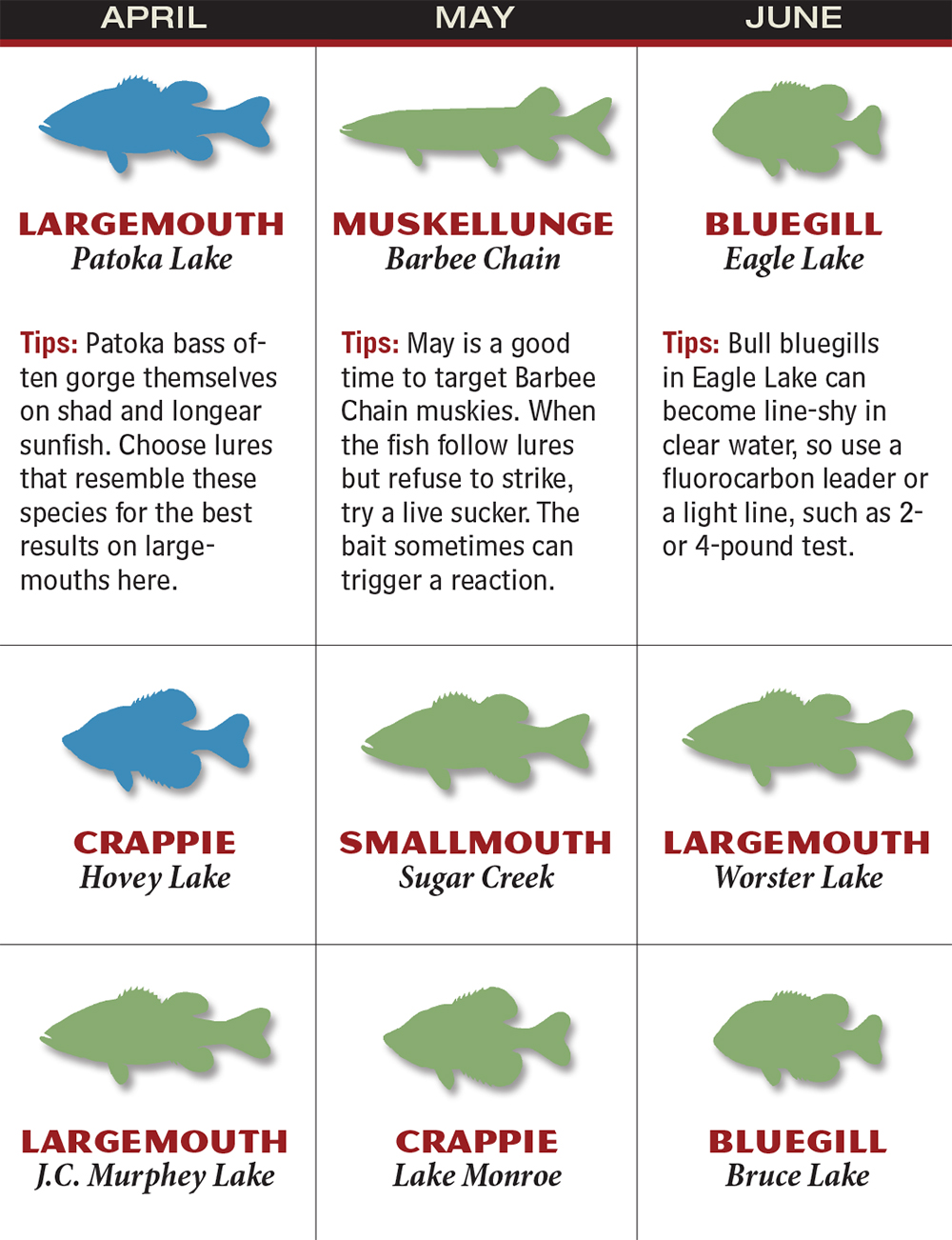
The most active bass fishing is in late spring and early summer, especially during the pre-spawn and spawning periods (April to June). That’s when bass are closest to shore and more aggressive.
Walleye
For most of Indiana, walleye fishing is open all year. However, some rivers and streams close during the spring spawning season to protect breeding fish. For example, the St. Joseph River and some stretches of the Tippecanoe River may prohibit walleye harvest from March 15 to May 1. Always check local regulations before fishing walleye in rivers.
Paddlefish
Paddlefish are a special case. They’re only legal to catch in the Ohio River during a very short window—from March 15 through April 30. You must have a valid paddlefish permit, and there are strict size and bag limits. Paddlefish are monitored closely due to their slow growth and low reproduction rates.
Catfish, Bluegill, Crappie, Sunfish, And Carp
Indiana offers great fishing for catfish, bluegill, crappie, sunfish, and carp throughout the year. These species are resilient and widespread, making them ideal for both beginners and experienced anglers. The best times for bluegill and crappie are in the spring and early summer, while catfish bite well in summer and early fall.
Size and bag limits apply in most waters, but you won’t find closed seasons for these fish.
Indiana Free Fishing Days
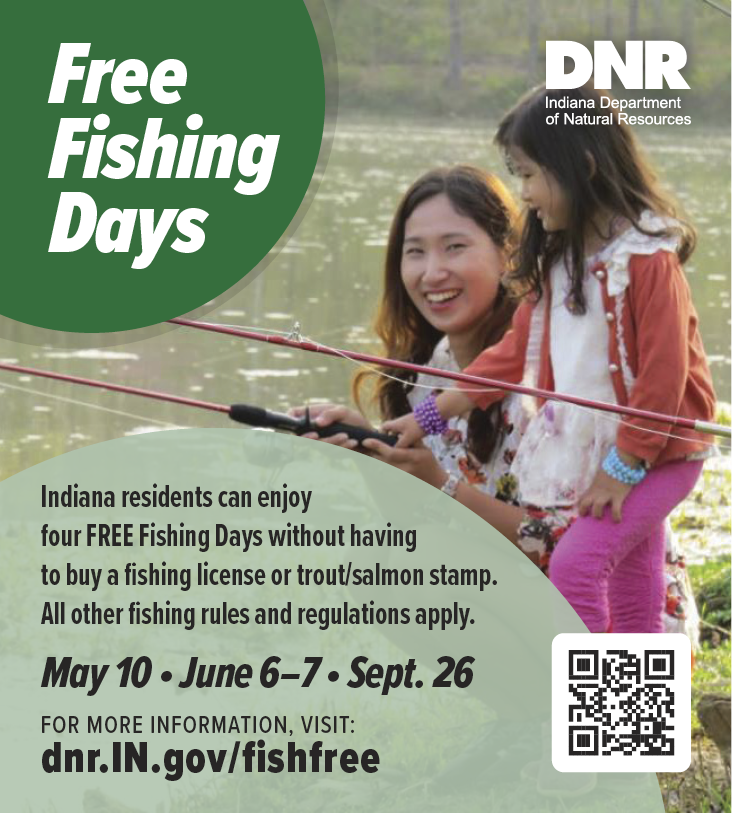
Every year, Indiana designates a few Free Fishing Days when residents can fish public waters without a license. This is a great chance for families and newcomers to try fishing at no cost. These days usually fall in late spring and summer, often in May and June.
On Free Fishing Days, normal bag and size limits still apply, but you don’t need a fishing license or trout/salmon stamp. It’s a popular time to visit state parks and community lakes, as special events and kids’ tournaments are often organized.
The Indiana DNR announces the exact dates each winter for the following year.
Credit: www.purdue.edu
Lake Michigan: Unique Seasons And Rules
Lake Michigan is Indiana’s gateway to Great Lakes fishing, with special rules and seasons for trout, salmon, perch, and smallmouth bass. The lake’s open water means fishing can vary widely with the weather and fish migrations.
- Trout and Salmon: Fishing is best during the spring (March–May) and fall (September–October) runs. Both shore and boat anglers target these species as they move close to the Indiana shoreline.
- Yellow Perch: The season is usually open year-round, but the daily limit can change. In some years, the DNR has closed perch fishing in July to protect the population. Check the current year’s rules for updates.
- Smallmouth Bass: Catch-and-release is sometimes required early in the season, usually through mid-June, to protect spawning fish. After that, harvest is allowed with size and bag limits.
Because Lake Michigan is shared with other states, Indiana’s rules can change quickly. Always check for the latest updates before fishing.
Special Waters And Managed Areas
Indiana’s most popular fishing spots often have their own rules. These include state parks, fish & wildlife areas, and urban lakes. Here’s what you need to know:
- State Park Lakes: Many state park lakes are open year-round, but some have special rules for bass, trout, or muskie. Pay attention to posted signs.
- Urban Lakes: In cities like Indianapolis and Fort Wayne, urban lakes are stocked regularly and open to public fishing. Watch for “catch and keep” or “catch and release” only periods, especially after stocking.
- Trout Streams: Special regulations apply to certain trout streams, including catch-and-release only or restricted gear (like artificial lures only). The opening day for these streams is usually in late April.
Fishing in these managed areas is often more closely monitored. Rangers and conservation officers may check licenses, creel limits, and gear, especially during busy seasons.
Credit: www.eregulations.com
Indiana Fishing License Requirements
No matter when you fish, you’ll need a valid Indiana fishing license if you’re 18 or older (except on Free Fishing Days). Licenses are available for residents and nonresidents, and you can buy them for a day, a week, or the whole year. Special stamps are required for trout and salmon.
Children under 18 don’t need a license, making Indiana a family-friendly fishing state. Seniors, disabled veterans, and some military members may qualify for reduced-fee or free licenses.
| License Type | Resident Fee | Nonresident Fee | Notes |
|---|---|---|---|
| Annual Fishing License | $23 | $60 | Required for most anglers |
| One-Day Fishing License | $10 | $15 | Great for occasional trips |
| Trout/Salmon Stamp | $11 | $11 | Needed for trout/salmon fishing |
| Paddlefish Permit | $20 | N/A | Ohio River only |
Licenses can be purchased online, at sporting goods stores, or at DNR offices. Always carry your license with you while fishing.
Timing Your Trip: Best Months For Each Species
While you can fish for many species all year, some months stand out for certain fish. Here’s a handy reference for planning your Indiana fishing trips:
| Month | Best Species | Notes |
|---|---|---|
| March–April | Trout, Salmon, Walleye | Spring runs, walleye spawning |
| May–June | Bluegill, Crappie, Bass | Spawning season; shallow water action |
| July–August | Catfish, Carp, Bluegill | Warm water, night fishing for catfish |
| September–October | Salmon, Trout, Bass | Fall runs; bass moving shallow again |
| November–February | Carp, Pike, Panfish | Ice fishing possible in north Indiana |
Keep in mind that weather, water levels, and local stocking schedules can affect these patterns. Calling ahead or checking online reports is always smart before a trip.
Common Mistakes And Lesser-known Rules
Many anglers, especially beginners, miss a few key details when planning their fishing trips in Indiana. Here are two non-obvious insights:
- Ignoring Special Regulations: Many popular lakes and rivers have unique rules that are not obvious from the main DNR guide. For example, some lakes have experimental slot limits for bass or unique size limits for crappie. Always check the latest signs at the boat ramp or fishing pier.
- Fishing Closed Waters: Some stretches of rivers or small ponds are closed during certain times for habitat restoration or to protect spawning fish. If you’re fishing in a new area, ask locals or check the DNR website for any temporary closures.
Another detail many overlook is the requirement to have a valid trout or salmon stamp, even if you’re just practicing catch-and-release. Enforcement officers do check for these stamps, especially in well-known trout waters.
Practical Tips For A Successful Indiana Fishing Season
- Check the weather and water conditions before you go. Heavy rain or flooding can close access to streams and rivers quickly.
- Arrive early for the best spots, especially on opening day for trout or during Free Fishing Days.
- Use the right bait and gear for the season. Live bait works well in spring, while artificial lures are good for summer and fall.
- Be mindful of invasive species rules. Clean your gear and boat to prevent spreading unwanted plants or animals.
- Keep a copy of the DNR regulations on your phone or in your tackle box for quick reference.
- Talk to local anglers at bait shops or boat ramps. They often know about recent changes in limits or the best spots for the week.
Credit: www.gameandfishmag.com
Conservation And Responsible Angling
Indiana’s fishing seasons are designed to balance recreation with conservation. Following the rules not only keeps you legal but also helps protect fish populations for the future. Always practice catch-and-release with rare or out-of-season species and respect bag and size limits.
If you see someone breaking the rules, you can report it to the DNR’s Turn in a Poacher (TIP) line. Responsible anglers are the backbone of Indiana’s fishing tradition.
Where To Find The Latest Information
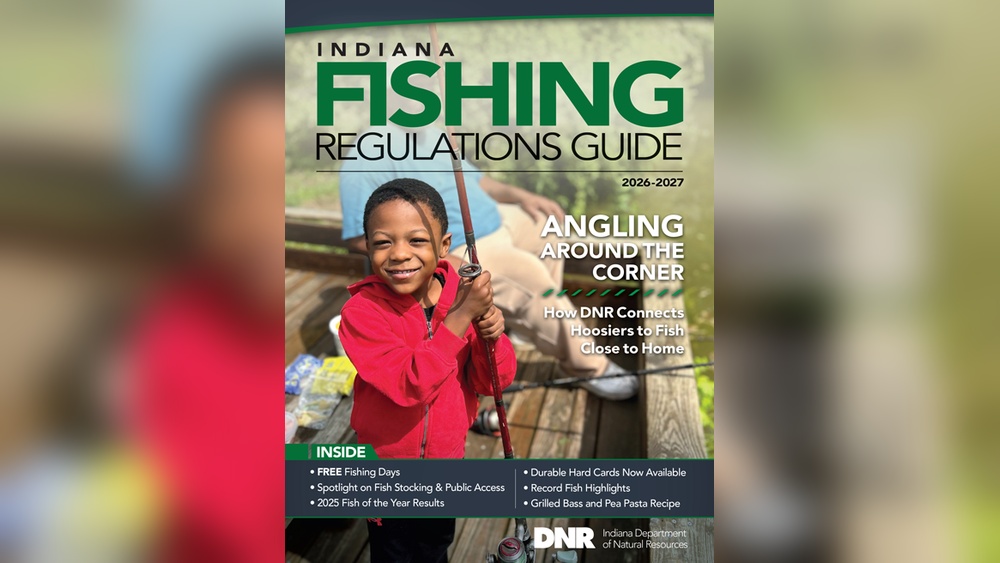
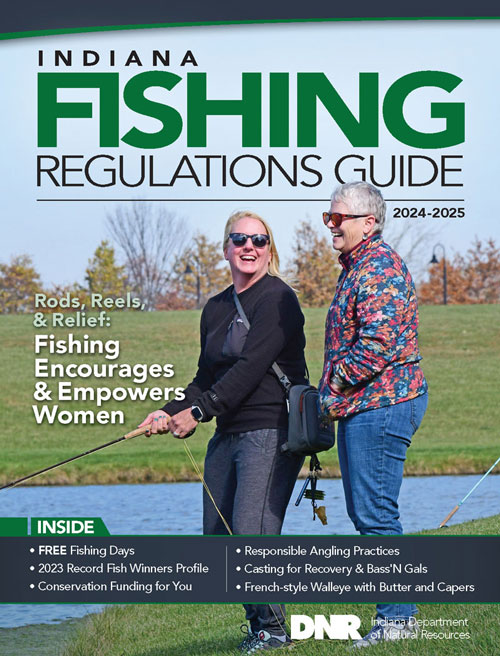
Fishing regulations and seasons can change. The best source for up-to-date details is the Indiana Department of Natural Resources website. They publish annual guides, emergency rule changes, and stocking schedules. You can also find maps, reports, and contact information for local conservation officers.
If you want more insight into fishing in the Midwest, check out the Indiana DNR Fish & Wildlife page for real-time updates and resources.
Frequently Asked Questions
When Does Trout Season Start In Indiana?
Trout season for most inland waters in Indiana opens on the last Saturday in April. Some stocked lakes and special trout streams may have different opening days or year-round fishing, but the late April opener is the most common. Always check specific regulations for your chosen fishing spot.
Do I Need A Fishing License All Year In Indiana?
Yes, anyone age 18 or older needs a valid fishing license to fish in public Indiana waters, except on Free Fishing Days. Special stamps or permits are required for trout, salmon, and paddlefish. Children under 18, certain disabled veterans, and active-duty military may be exempt.
Are There Any Closed Seasons For Bass In Indiana?
No, there is no closed season for bass (largemouth, smallmouth, spotted) in most Indiana waters. However, there are size and bag limits, and some lakes may have special catch-and-release periods during spring spawning. Always check for posted rules at your fishing location.
What Are Free Fishing Days In Indiana?
Free Fishing Days are special dates when residents can fish Indiana’s public waters without buying a license. They usually happen in May and June. All other fishing rules, such as bag and size limits, still apply. It’s a great time to try fishing or introduce a friend or child to the sport.
Can I Fish During The Winter In Indiana?
Yes, you can fish during the winter, especially for panfish, carp, and northern pike in the northern lakes. Ice fishing is popular when conditions are safe. However, always use caution and check ice thickness before venturing out.
Fishing in Indiana is both flexible and rewarding, with generous seasons and diverse species. By understanding the rules and planning your trips around the best seasons, you’ll enjoy safe, successful outings all year long. Remember to respect the waters, follow conservation guidelines, and share the experience with others for a tradition that lasts a lifetime.