Bass fishing is a sport filled with excitement, skill, and the thrill of the catch. Whether you’re casting from the shore, a boat, or even a kayak, your fishing reel plays a crucial role. But picking the right size reel for bass fishing can be confusing, especially for beginners.
With so many numbers, models, and types on the market, how do you know which reel size will help you catch more bass and enjoy the experience? This guide will walk you through everything you need to know, from understanding reel sizes to matching them with the right rods and lines.
You’ll learn what works, what doesn’t, and some practical tips that most new anglers miss. By the end, you’ll feel confident about choosing the best reel size for bass fishing—no matter your skill level.
Understanding Reel Sizes
Fishing reels come in different types and sizes. The size affects how much line the reel holds, how heavy the gear is, and the ease of casting. For bass fishing, the most popular reels are spinning reels and baitcasting reels. Each has its own sizing system.
Spinning Reel Sizes
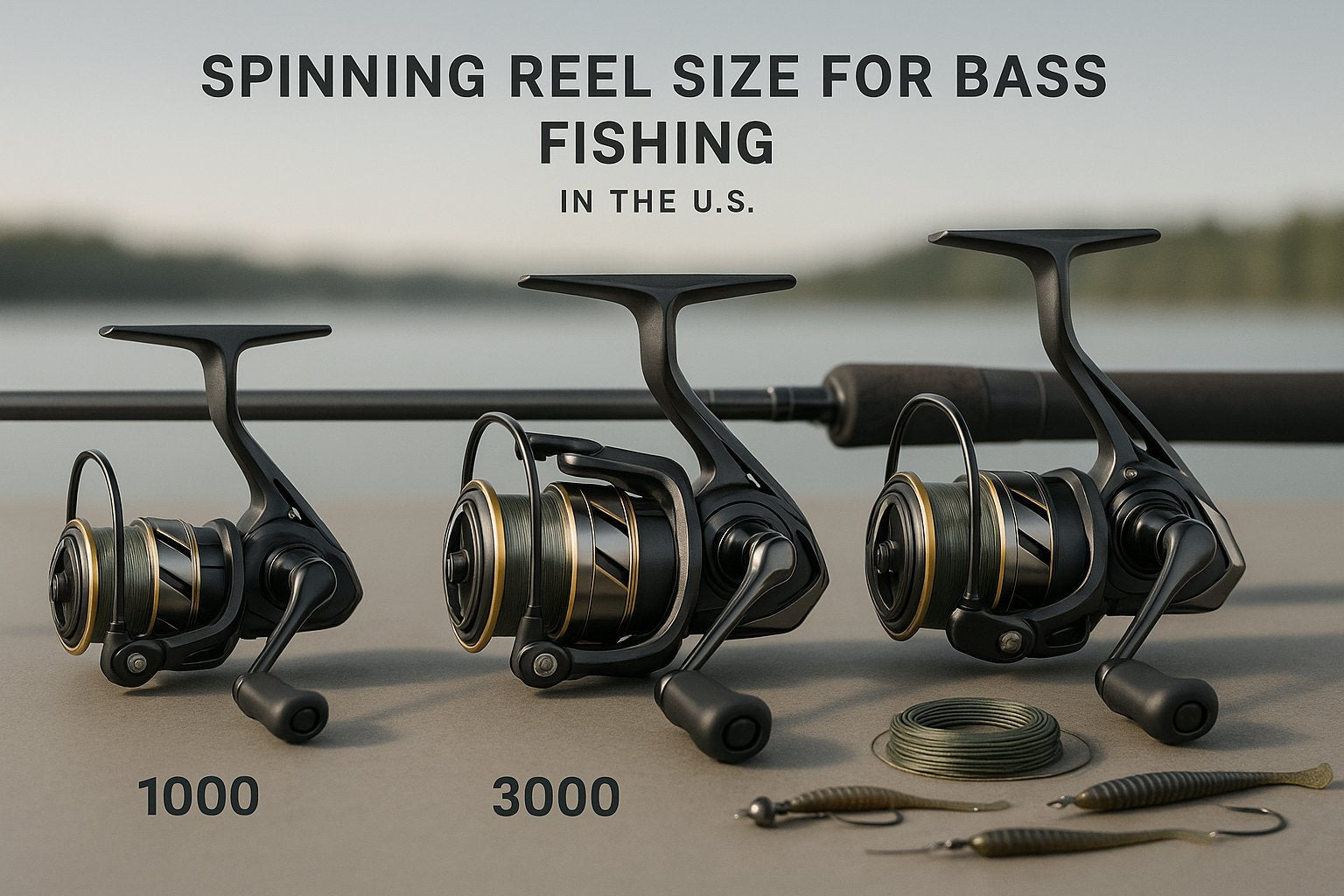
Spinning reels use a number system (like 1000, 2000, 2500, 3000, 4000). The higher the number, the bigger the reel. For bass fishing, most anglers use reels between 2000 and 4000. Here’s a quick breakdown:
- 1000–1500: Very small, best for light panfish or trout, not ideal for bass.
- 2000–2500: Light and balanced, suitable for finesse bass fishing.
- 3000: Good for all-round bass fishing; balances power and weight.
- 4000: More line capacity and power; heavier, used for bigger bass or heavy cover.
Baitcasting Reel Sizes
Baitcasting reels use size ratings like 100, 200, 300, etc. Unlike spinning reels, these numbers are less standardized between brands. Most bass anglers use 100–200 size reels.
- 100: Light, great for finesse techniques, smaller lines.
- 200: Most popular for bass, handles heavier lines and lures.
- 300: Used for bigger lures, heavy cover, or trophy bass.
What The Numbers Really Mean
The numbers indicate the spool size—how much fishing line the reel can hold. A larger spool means more line, but also more weight. For bass fishing, you generally don’t need huge amounts of line, so smaller reels are often better.
Why Reel Size Matters For Bass Fishing
Choosing the right reel size isn’t just about comfort; it’s about performance. Bass can be aggressive, and the wrong reel size can make your fishing day frustrating. Here’s why reel size is important:
- Casting Distance: Larger reels hold more line, which helps with long casts.
- Retrieve Speed: Bigger reels usually pick up more line per turn.
- Line Strength: Larger reels handle thicker lines for heavier bass.
- Rod Balance: Matching reel size to your rod keeps the setup balanced.
- Fatigue: Heavy reels tire your wrist and arm faster.
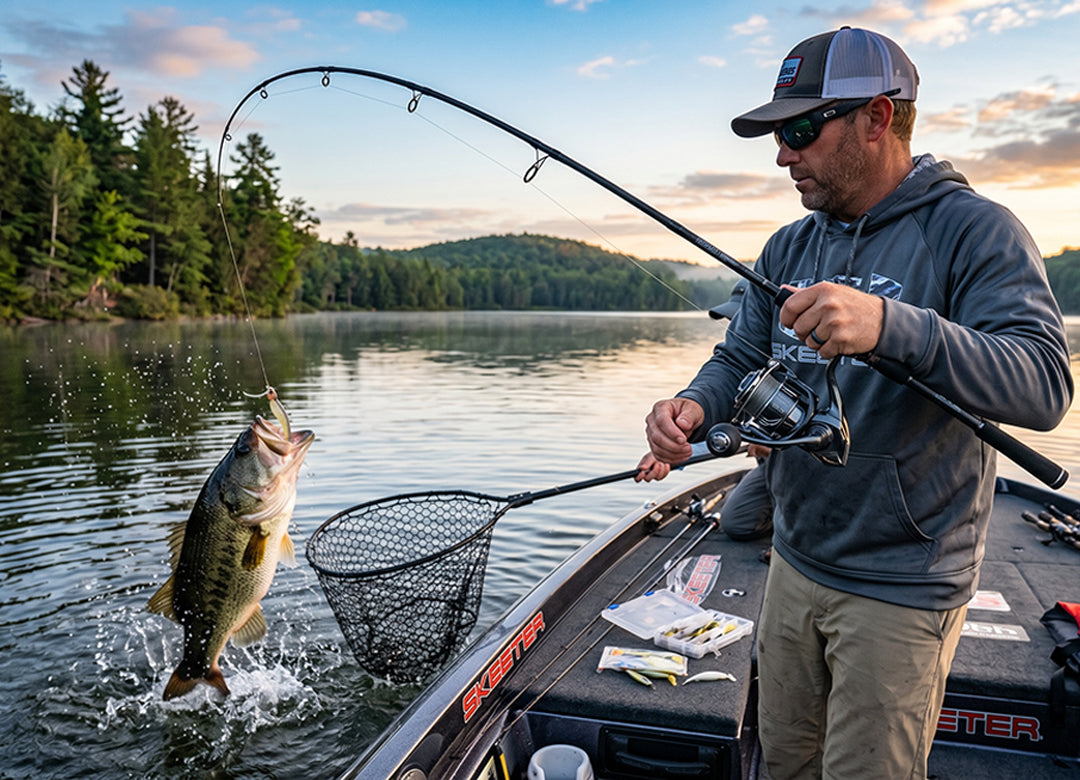
Most beginners overlook how reel size affects fatigue during a long day. A reel that’s too big can make your arm sore, especially if you’re casting a lot. On the other hand, a reel that’s too small may not handle a strong bass or thick cover.
Credit: ardentoutdoors.com
The Best Reel Sizes For Different Bass Fishing Situations
Bass fishing covers many styles—from light finesse to heavy power fishing. The right reel size depends on your technique, lure, and location.
Finesse Fishing (light Lines And Small Lures)
Spinning reels are ideal for finesse fishing with light lines and small lures. Go with a 2000 or 2500 size. These reels are light, easy to handle, and work well for drop shot, wacky rig, or Ned rig techniques.
- Rod pairing: 6’–7’ medium-light spinning rods
- Line: 6–10 lb monofilament or fluorocarbon
Power Fishing (heavy Cover And Big Lures)
For heavy cover, thick weeds, or big lures, you need more power. Use a 3000–4000 size spinning reel or a 200 size baitcasting reel. These reels handle heavier lines and bigger bass.
- Rod pairing: 7’–8’ medium-heavy or heavy rods
- Line: 12–20 lb braided or fluorocarbon
All-purpose Bass Fishing
If you want a versatile setup, go with a 2500–3000 spinning reel or a 150–200 baitcasting reel. These sizes handle most bass fishing situations, from lakes to rivers.
- Rod pairing: 6’6”–7’ medium rods
- Line: 8–15 lb monofilament, fluorocarbon, or braid
Comparing Reel Sizes: Spinning Vs. Baitcasting
Here’s a simple comparison to help you see the differences between spinning and baitcasting reel sizes for bass fishing:
| Technique | Spinning Reel Size | Baitcasting Reel Size | Line Type | Typical Rod |
|---|---|---|---|---|
| Finesse | 2000–2500 | 100 | 6–10 lb mono/fluoro | Medium-light |
| All-Purpose | 2500–3000 | 150–200 | 8–15 lb mono/braid | Medium |
| Heavy Cover | 3000–4000 | 200–300 | 12–20 lb braid | Medium-heavy/Heavy |
This table shows the most common combinations. Notice how finesse techniques use smaller reels and lighter lines, while heavy cover needs bigger reels and stronger lines.

Credit: bassforecast.com
Matching Reel Size With Rod And Line
You can’t just pick a reel size randomly. It needs to match your rod and line for best results. Here’s how to do it:
Matching With Rod
- Rod Power: Light rods need small reels; heavy rods need big reels.
- Rod Length: Longer rods can use bigger reels for better balance.
Matching With Line
- Line Capacity: Check how much line the reel holds; match with line strength.
- Line Type: Braid is thinner, so you can use a smaller reel; mono is thicker and needs a bigger spool.
A common mistake is pairing a big reel with a light rod. This makes casting harder and leads to poor control.
Reel Size And Bass Species
Not all bass are the same. In the US, the main targets are largemouth bass, smallmouth bass, and spotted bass. Their size and fighting style can influence your reel choice.
Largemouth Bass
- Average size: 1–5 lbs; trophy: 8+ lbs
- Best reel sizes: 2500–3000 spinning, 150–200 baitcasting
Smallmouth Bass
- Average size: 1–4 lbs
- Best reel sizes: 2000–2500 spinning, 100–150 baitcasting
Spotted Bass
- Average size: 1–3 lbs
- Best reel sizes: 2000–2500 spinning, 100 baitcasting
If you’re fishing for trophy bass (8+ lbs), go up one reel size to handle the extra power and line capacity.
Factors To Consider Before Choosing Reel Size
Picking the right reel size isn’t just about the numbers. Consider these factors:
- Fishing location: Rivers and lakes may need different reels. Lakes often use bigger reels for longer casts.
- Lure size: Big lures require bigger reels for more control.
- Line strength: Stronger lines need larger spools.
- Casting distance: Longer casts need bigger reels.
- Cover type: Heavy weeds or wood call for more power.
- Personal comfort: Choose a reel that feels good in your hand.
Many beginners miss how cover type affects reel size. Fishing heavy vegetation? Use a bigger reel and stronger line.
Reel Size Recommendations For Beginners
If you’re new to bass fishing, here are some safe bets:
- Spinning reel size 2500: Great for most bass fishing, easy to use, handles 8–12 lb line.
- Baitcasting reel size 200: Good all-rounder, works with heavier lines.
Avoid very small or very large reels unless you have a specific technique in mind. Start with a middle size and adjust as you gain experience.
Credit: quorelynx.com
Advanced Reel Size Tips Most Beginners Miss
Even experienced anglers sometimes overlook these details:
- Gear Ratio: The reel’s gear ratio affects how fast it retrieves line. For bass, a ratio between 6.2:1 and 7.1:1 is ideal. Higher ratios are better for fast-moving lures.
- Drag System: Strong drag helps fight big bass. Make sure your reel’s drag matches the line strength.
- Weight: Lighter reels reduce fatigue; heavier reels offer more durability. Balance weight with your rod for comfort.
- Line Capacity Markings: Many reels have line capacity info printed on the spool. Use this to avoid overfilling or underfilling.
- Saltwater vs Freshwater: If you fish in brackish or salty water, choose a reel with corrosion-resistant materials.
A practical example: If you use a 2500 spinning reel with 8 lb line, but switch to a 3000 reel with 15 lb braid, you’ll notice longer casts and more power, but the setup may feel heavier.
Real-world Reel Size Data
Let’s look at some real-world data from popular reel brands:
| Brand | Model | Reel Size | Line Capacity (Mono) | Weight |
|---|---|---|---|---|
| Shimano | Stradic FL | 2500 | 8 lb/140 yd | 7.9 oz |
| Abu Garcia | Revo SX | 200 | 12 lb/135 yd | 7.3 oz |
| Daiwa | BG | 3000 | 10 lb/200 yd | 10.8 oz |
This data shows how reel size affects line capacity and weight. Notice that the Daiwa BG 3000 holds more line but weighs more than the smaller Shimano Stradic FL 2500.
How To Avoid Common Reel Size Mistakes
New anglers often make these mistakes:
- Choosing too big a reel: Makes the setup heavy and hard to cast.
- Under-sizing for heavy cover: Leads to line breakage and lost fish.
- Ignoring gear ratio: Slow reels make it hard to fish fast-moving lures.
- Mismatch with rod: Causes poor balance and casting issues.
- Not checking line capacity: Overfilling or underfilling reduces performance.
Always check your rod specs, line strength, and fishing location before choosing a reel size.
How Reel Size Affects Your Bass Fishing Success
Your reel size isn’t just about numbers—it changes your fishing experience. Here’s how:
- Smaller reels: Easy to handle, less fatigue, great for finesse, but may lack power for big fish.
- Medium reels: Best balance, works for most situations, easy to learn.
- Large reels: More power, handles big fish and heavy cover, but heavier and harder for beginners.
For most anglers, a medium reel size (2500–3000 spinning, 150–200 baitcasting) is ideal. This lets you fish most bass waters comfortably.
Reel Size And Tournament Bass Fishing
In tournaments, speed and efficiency matter. Most pros use:
- 2500–3000 spinning reels for finesse and quick casts
- 200 baitcasting reels for power and heavy lures
Tournament anglers often have multiple setups with different reel sizes to match their technique.
Reel Size And Youth/beginner Anglers
For kids or those new to fishing, go with smaller, lighter reels:
- 2000 spinning reel: Easy for small hands, light, less fatigue.
- 100 baitcasting reel: Best for teaching casting skills.
A lighter reel lets beginners focus on technique rather than fighting the gear.
Reel Size And Seasonal Bass Fishing
Seasons affect bass behavior. In spring, bass are active and near the shore. Small to medium reels work well. In summer and fall, bass move deeper; bigger reels help with longer casts and heavier lines.
Spring: 2000–2500 spinning, 100–150 baitcasting
Summer/Fall: 3000 spinning, 200 baitcasting
Adjust your reel size as the season changes and bass move.
Reel Size And Modern Technology
Today’s reels are lighter and stronger thanks to new materials. Carbon fiber, magnesium, and advanced alloys make reels lighter without losing strength. This means you can use a smaller reel size for the same performance as older, bigger reels.
Some reels also have digital line counters or automatic drag systems. These features help, but the right size still matters most.
Reel Size And Line Type: Practical Examples
Let’s look at how reel size affects line choice:
| Reel Size | Line Type | Line Capacity | Best Use |
|---|---|---|---|
| 2000 | 8 lb mono | 150 yd | Finesse bass |
| 3000 | 15 lb braid | 180 yd | Heavy |