Wade fishing is a simple, immersive way to connect with water, nature, and the thrill of catching fish. Unlike traditional fishing from a boat or the bank, wade fishing means you’re actually in the water, moving through rivers, lakes, or coastal flats on foot.
For many anglers, it’s not just about catching fish—it’s about being part of the environment, feeling the current, and noticing details that you’d miss from a distance.
Many people choose wade fishing because it doesn’t require expensive gear or a boat. All you really need is basic equipment, a sense of adventure, and a willingness to get your feet wet. This approach is growing in popularity in the United States, especially along the Gulf Coast and in freshwater streams.
Some seasoned anglers say it’s the most authentic way to experience fishing. If you’re curious about wade fishing—how it works, what you need, and why so many people love it—read on. This guide will give you a clear, complete overview, from essential gear to safety tips and advanced strategies.
What Is Wade Fishing?
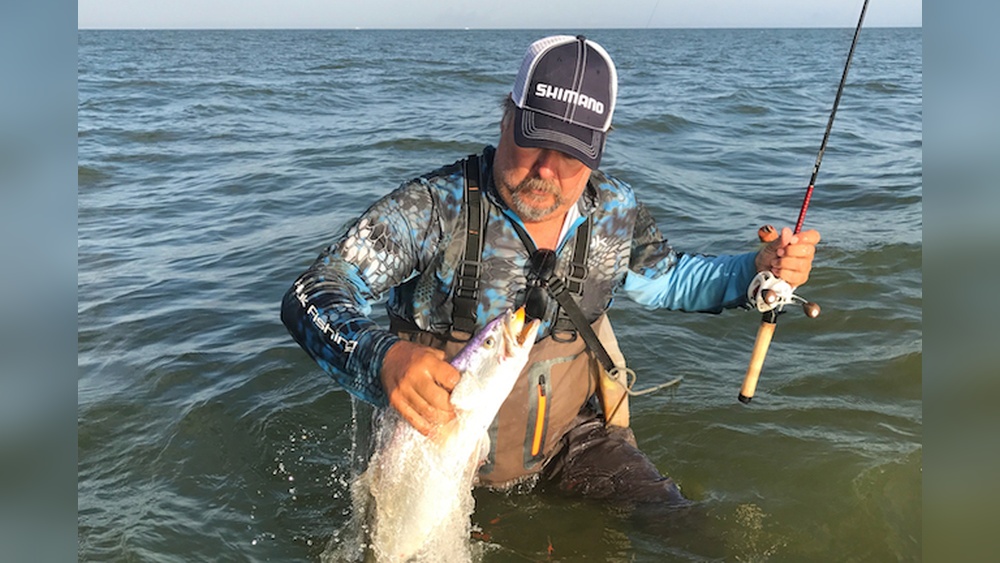
Wade fishing means fishing while standing or walking in the water. The water is usually shallow, reaching anywhere from ankle to waist height. This can be in rivers, streams, lakes, or coastal flats. The idea is simple: by entering the water, you can reach spots that are too far from the shore, too shallow for boats, or just untouched by other anglers.
You wear waders (waterproof pants and boots), water shoes, or sometimes just old sneakers or sandals if the water is warm and safe. You carry your fishing rod and tackle and move quietly through the water, casting as you go. This style of fishing is especially popular for catching fish like trout, redfish, snook, bass, and flounder.
Wade fishing is often called “wet wading” if you’re not wearing waders. In warm climates, many anglers just wear shorts and water shoes. In colder regions, waders help keep you dry and warm. Some people even use float tubes or small rafts, but classic wade fishing means you’re standing or walking, not floating.
Why Choose Wade Fishing?
Wade fishing offers unique benefits that make it appealing to many anglers, both beginners and experienced.
Closer To Nature
When you’re in the water, you feel more connected to the environment. You notice the flow of the current, the movement of fish, and the texture of the riverbed. This close contact lets you spot fish that boaters might miss and watch how they react to your presence.
Affordable And Accessible
No need for a boat, trailer, or fuel. Most wade fishing requires only basic tackle and simple gear. You can access many spots by foot, which means you don’t have to pay for a launch ramp or boat storage.
Stealth And Mobility
Fish in shallow water are easily spooked. Wade fishing lets you move quietly and get closer to them without making noise or stirring up mud with a motor. You can change locations quickly, explore hidden corners, or follow fish as they move.
Great Exercise
Wading is physical. You’re walking, sometimes against a current, carrying your gear, and staying balanced on slippery rocks or soft sand. It’s a workout—and you’re outdoors, away from screens and noise.
Less Crowded
Because it takes effort to get into the water, wade fishing spots are often less crowded than boat launches or popular docks. You might find stretches of river or coastline all to yourself.
Types Of Waters For Wade Fishing
Wade fishing can be done almost anywhere with shallow water. Each type of waterway has its own appeal and challenges.
Rivers And Streams
Trout anglers in mountain streams, especially in states like Colorado or Montana, often wade to reach undercut banks, riffles, and pools. Rivers can have slippery rocks, fast currents, and changing depths, so you need good balance and awareness.
Lakes And Ponds
In lakes, wading gives you access to shallow coves, weed beds, and drop-offs where fish feed. Many bass anglers wade along the edge of weedy lakes at dawn or dusk.
Coastal Flats And Estuaries
Wade fishing is extremely popular in coastal areas like the Texas Gulf Coast, Florida flats, and the Carolina marshes. Here, anglers target species like redfish, snook, and flounder in ankle-to-knee-deep water. Tides, wind, and water clarity are important factors in saltwater wade fishing.
Urban Waters
Some city parks, canals, and urban rivers allow wading. These spots can be surprisingly productive, especially early in the morning or late in the day.
Essential Gear For Wade Fishing
You don’t need a lot of expensive equipment to start wade fishing. Here’s what most people bring:
Waders Or Water Shoes
- Waders: Waterproof pants with attached boots or booties. Chest waders are best for deeper water or cold conditions. Hip waders work for shallow streams.
- Water shoes or sandals: Good for warm water and sandy or soft bottoms. Make sure they have sturdy soles to protect against sharp rocks or shells.
Fishing Rod And Reel
- Medium-light to medium rods (6–8 feet) are common for most wade fishing.
- Spinning reels are popular because they’re easy to use, but fly rods are common in trout streams.
Tackle
- Small tackle box or sling bag: Holds lures, hooks, pliers, and line.
- Lures or bait: What you use depends on the fish. Soft plastics, jigs, spoons, and topwater lures are favorites for saltwater and bass. Flies or live bait work for trout.
Safety Gear
- Polarized sunglasses: Help you see underwater structure and spot fish.
- Hat and sunscreen: Protect against sun exposure.
- Personal flotation device (PFD): Recommended in deep or fast water.
- Wading staff: Useful for balance in strong currents or rocky rivers.
Other Useful Items
- Landing net: Makes handling fish easier.
- Stringer or fish basket: For keeping your catch fresh.
- Dry bag: Keeps your phone, wallet, and keys dry.
Here’s a comparison of different wading gear options:
| Gear Type | Best For | Price Range (USD) | Key Features |
|---|---|---|---|
| Chest Waders | Cold, deep water | $80–$300 | Full body coverage, waterproof |
| Hip Waders | Shallow streams | $40–$120 | Lightweight, easy to put on |
| Water Shoes | Warm, sandy areas | $20–$80 | Comfortable, quick drying |

Credit: www.gulfshores.com
How To Start Wade Fishing: Step-by-step
Getting started with wade fishing is straightforward, but a careful approach helps you stay safe and catch more fish.
1. Choose The Right Location
Research local water bodies that allow wading and have fish you want to catch. Check maps, ask at bait shops, or look online for tips. Avoid private property or areas with dangerous currents.
2. Check The Weather And Tides
Weather affects fish activity and your safety. For saltwater, check tides; low tide often exposes sandbars and flats, while high tide can bring fish closer to shore. Avoid wading during storms or when water is rising quickly.
3. Dress Appropriately
Wear waders in cold water or colder months. In summer, lightweight clothing and water shoes may be enough. Always wear a hat, sunglasses, and sunscreen.
4. Pack Light, Pack Smart
Take only what you can carry comfortably. Use a small tackle bag or vest. Make sure you have pliers, a knife, spare line, and a way to store caught fish.
5. Enter The Water Safely
Walk slowly into the water. Use a wading staff to check depth and for balance. Shuffle your feet to avoid stepping on sharp objects or surprising stingrays in saltwater.
6. Fish Methodically
Cast in a fan pattern—start by casting straight ahead, then move slightly left and right. Move slowly, covering each area before wading forward. Watch for fish movement, ripples, or underwater structure.
7. Stay Aware
Keep an eye on water depth, current speed, and weather changes. If you feel unsafe or water rises quickly, head back to shore.
8. Practice Catch And Release
Handle fish gently, use barbless hooks if possible, and release fish quickly if you’re not keeping them.
Safety Tips For Wade Fishing
While wade fishing is generally safe, there are risks. Being prepared and cautious makes your experience enjoyable.
Mind The Current
Fast-moving water can knock you off balance. Always face upstream and move sideways or diagonally. Use a wading staff for support.
Watch Your Step
Rocks, holes, and debris can be hidden underwater. Shuffle your feet instead of stepping high. In saltwater, this also helps avoid stepping on stingrays.
Avoid Deep Water
Stay in water below your waist, especially if you’re new to wading. Deeper water makes it harder to move and increases drowning risk.
Stay Visible
Wear bright clothing or a hat if you’re fishing in areas with boats or other anglers. If possible, fish with a buddy.
Protect Against Wildlife
In freshwater, be aware of snakes or leeches. In saltwater, be careful of stingrays, jellyfish, or even alligators in some regions.
Weather And Lightning
Never wade during thunderstorms. Get out of the water immediately if you hear thunder or see lightning.

Credit: www.saltstrong.com
Popular Fish Species For Wade Fishing
Different regions offer unique fish for wade anglers. Here are some common and exciting species:
- Trout: Especially rainbow, brown, and brook trout in cold streams and rivers.
- Bass: Largemouth and smallmouth in lakes, ponds, and rivers.
- Redfish: Popular along the Gulf Coast and Florida flats.
- Snook: Sought after in Florida’s coastal waters.
- Flounder: Found in sandy flats and estuaries along the Atlantic and Gulf coasts.
- Panfish: Bluegill, crappie, and sunfish are great for beginners in lakes and ponds.
Here’s a quick look at where you might target these fish and what bait or lure works best:
| Species | Best Location | Popular Bait/Lure |
|---|---|---|
| Trout | Mountain streams | Flies, small spinners |
| Bass | Lakes, ponds | Soft plastics, crankbaits |
| Redfish | Coastal flats | Spoons, soft plastics |
| Flounder | Estuaries | Jigs, live shrimp |
Advanced Wade Fishing Strategies
Once you have the basics, you can use more advanced techniques to catch more fish and enjoy your time on the water.
Reading The Water
Look for places where fish like to hide or feed—such as riffles, pools, weed beds, and sandbars. In rivers, fish often stay behind rocks or in slower water near the bank. In saltwater, look for dark patches (grass beds), sandy holes, or channels.
Using The Current
Cast your lure or bait upstream and let it drift naturally with the current. This makes your presentation look more natural, increasing your chances of a bite.
Timing Your Trip
Fish are often most active at dawn and dusk, especially in summer. Tides play a big role in saltwater wading; moving water usually means hungry fish.
Minimal Gear, Maximum Flexibility
Experienced wade anglers often carry only what they need—one rod, a small box of lures, and a landing net. This allows you to move easily and cover more water.
Staying Hidden
Wear neutral-colored clothing to blend in. Move slowly and avoid splashing. The less you disturb the water, the more likely you are to get close to fish.

Credit: www.bayflatslodge.com
Common Mistakes Beginners Make
Wade fishing seems simple, but there are common errors that can ruin your experience or even cause accidents.
Moving Too Fast
Many new anglers rush through the water, spooking fish or missing good spots. Slow down—fish each area carefully before moving on.
Overpacking
It’s tempting to bring lots of gear, but heavy packs make wading hard. Bring only essentials, and choose a small, waterproof bag or vest.
Ignoring Safety
Skipping a PFD or wading staff can be dangerous, especially in strong currents or unknown waters. Always put safety first.
Poor Footwear Choices
Regular sneakers can fill with sand or slip on rocks. Use proper wading boots or shoes with good grip.
Not Checking Local Regulations
Some places have special fishing rules, such as catch limits or seasonal closures. Always check before you go.
Environmental Considerations
Wade fishing gives you a close connection to nature, but it also means you need to protect the environment.
Respect Wildlife
Avoid nesting areas, spawning beds, and sensitive habitats. Don’t disturb birds or mammals along the shore.
Leave No Trace
Pack out all trash, fishing line, and leftover bait. Even small items like plastic wrappers can harm wildlife.
Use Barbless Hooks
Barbless hooks make catch and release easier and reduce injury to fish.
Be Careful With Wading
Wading in certain areas can damage underwater plants or disturb spawning beds. Step lightly and avoid sensitive areas during breeding seasons.
How Wade Fishing Compares To Other Fishing Styles
Wade fishing isn’t the only way to fish, but it offers a unique set of pros and cons compared to fishing from a boat or the bank.
| Fishing Style | Mobility | Cost | Access to Fish | Physical Effort |
|---|---|---|---|---|
| Wade Fishing | High | Low |