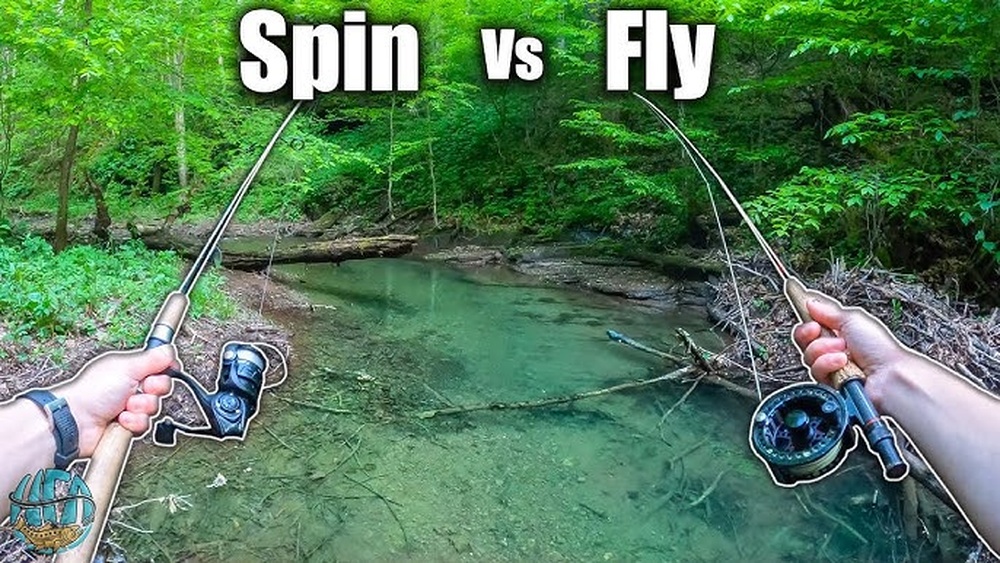
Have strong points and some challenges. Understanding these helps you make a smart choice.
Pros Of Fly Fishing
- Closer to Nature: You often stand in rivers and feel part of the environment. Many fly fishers say this makes fishing more peaceful.
- Skill Development: Casting and fly selection are complex. You constantly improve your technique and knowledge.
- Creativity: Tying your own flies or choosing different patterns adds a creative side.
- Selective Targeting: You can target specific fish species, especially those that feed on surface insects.
- Less Impact: Flies are usually less harmful to fish than some heavy lures or hooks, making catch-and-release easier.
Cons Of Fly Fishing
- Steep Learning Curve: Casting and reading water take time. Beginners may get frustrated.
- Higher Costs: Gear is more expensive, and specialty items like waders add up.
- Limited Environments: Works best in rivers or streams; less flexible for ponds or deep lakes.
- Physical Demands: Wading and long casting sessions can be tiring and tough for some people.
Pros Of Regular Fishing
- Easy to Start: Basic gear is cheap and simple to use. You can learn casting quickly.
- Versatile Locations: Fish from shore, dock, boat, or ice. Almost any water is possible.
- Wide Range of Species: More types of fish are available, from bass to catfish to ocean fish.
- Flexible Styles: You can fish actively or passively. Sit and relax, or move and explore.
- More Social: Regular fishing is often a group activity—easy for families and friends to join.
Cons Of Regular Fishing
- Less Skill Needed (at first): The basics are easy, but advanced methods like baitcasting can be tricky.
- Environmental Impact: Some lures and baits can harm fish or pollute water if lost.
- Bait Dependency: Success often depends on having the right bait or lure.
- Crowded Spots: Popular lakes or ponds can get crowded, especially on weekends.
Non-obvious insight: Many people think fly fishing is always a solo activity, but some rivers are famous for group outings and even competitions. In regular fishing, solo trips can be just as rewarding as group ones.
Common Misconceptions And Mistakes
Many myths surround both types of fishing, especially among beginners.
Fly Fishing Myths
- “Only for trout or salmon”: Fly fishing can target bass, panfish, and even saltwater species.
- “Too difficult for beginners”: While the learning curve is real, basic casting can be learned with practice and patience.
- “Always expensive”: Entry-level gear is affordable. You don’t need premium equipment to start.
Regular Fishing Myths
- “Always easy”: Some methods, like baitcasting or trolling, require skill and practice.
- “Only for lazy anglers”: Many regular fishing styles are active and challenging.
- “No skill required”: Advanced anglers compete in tournaments and use complex techniques.
Practical tip: Visit a local fishing shop or club. Staff or members often help beginners with gear selection and technique, and can clear up these misconceptions.
Which Should You Choose?
The right style depends on your goals, location, and personality. Consider these questions:
- Do you want a challenge or simplicity? Fly fishing is more challenging and artistic; regular fishing is straightforward.
- Are you fishing alone or with friends? Regular fishing is often more social, but both can be enjoyed solo.
- Where will you fish? If rivers and streams are nearby, fly fishing may be best. For lakes, ponds, or oceans, regular fishing is easier.
- Budget matters? Regular fishing is cheaper to start, but fly fishing offers unique rewards for those willing to invest.
Experience-based insight: Many anglers start with regular fishing, then move to fly fishing as they seek a deeper connection with nature or a new skill challenge. Trying both expands your options and helps you decide what fits your style.

Credit: www.youtube.com
Practical Steps To Try Both
If you’re curious, here’s how you can sample each method without breaking the bank or feeling overwhelmed:
- Start with regular fishing: Buy a simple spinning rod, some hooks, and worms. Visit a local lake or pond. Practice casting and catching fish.
- Take a fly fishing lesson: Many shops offer beginner classes. Try casting and see if you enjoy the rhythm and technique.
- Borrow gear: Friends, clubs, or shops often lend equipment. This lets you try without buying.
- Research local spots: Some areas are better for fly fishing, others for regular fishing. Ask locals or check online forums.
- Join a fishing group: Many communities have clubs for both styles. You can learn faster and make friends.
External resource: If you want to dive deeper into fly fishing basics, the [Trout Unlimited](https://www.tu.org/get-involved/angler-resources/) website offers beginner guides and resources.
Final Thoughts
Fly fishing and regular fishing each offer unique experiences. Fly fishing is about art, skill, and being close to nature. Regular fishing is versatile, easy to start, and social. Both can bring joy, relaxation, and adventure. The best way to know what fits you is to try both.
Remember, fishing is not just about catching fish. It’s about enjoying the water, learning new skills, and making memories. Whether you cast a delicate fly or toss a shiny lure, the world of fishing is waiting for you.