Snag fishing is a hot topic among anglers, wildlife experts, and lawmakers. Some see it as a thrilling way to catch fish, while others view it as unfair and even cruel. Laws about snag fishing are different depending on where you live or fish. This raises a key question for anyone interested in fishing: Is snag fishing illegal? The answer is not as simple as a yes or no. It depends on the location, the species, and the method used.
This article offers a clear, detailed look at the legality of snag fishing. You’ll learn what snag fishing is, where it’s allowed or banned, and the reasons behind these laws. We’ll also compare snag fishing with other fishing techniques, explore the impact on fish and the environment, and explain what happens if you break the rules.
Whether you’re a beginner or a seasoned angler, understanding these points will help you fish responsibly and legally.
What Is Snag Fishing?
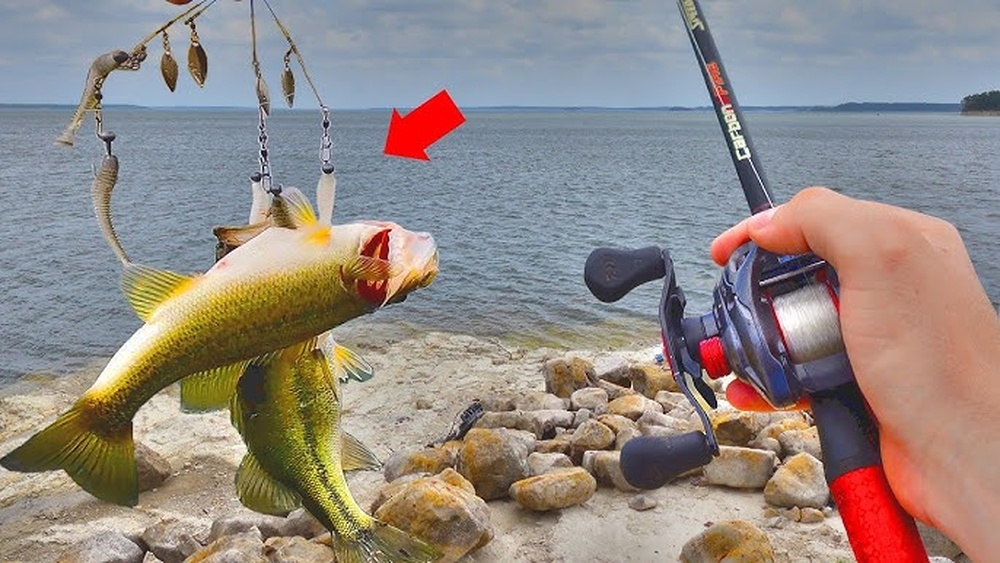
Snag fishing, sometimes called snagging or foul hooking, is a method where the hook is intentionally pulled through the water to catch a fish by hooking it anywhere on its body, not necessarily in the mouth. This is different from traditional angling, where the goal is to have the fish bite the bait or lure.
People use snagging for a few reasons:
- To catch fish that rarely bite hooks (like paddlefish or spoonbill)
- In crowded or competitive fishing spots
- To target large, hard-to-catch species
Snagging usually involves heavy tackle, large treble hooks, and strong fishing lines. Anglers cast out and yank the rod to try to “snag” a fish.
Where Is Snag Fishing Legal And Illegal?
The legality of snag fishing depends on both the location and the species. Laws can change from state to state, country to country, and even by body of water.
Snag Fishing Laws In The United States
In the US, snag fishing is often restricted or banned, but some states allow it under special rules. Here’s a summary:
| State | Snagging Status | Notes |
|---|---|---|
| Missouri | Legal (limited) | Allowed for paddlefish during specific seasons |
| California | Illegal | Snagging is prohibited for all species |
| Alaska | Legal (some areas) | Allowed for salmon in certain rivers, with strict rules |
| Florida | Illegal | Prohibited statewide |
| Illinois | Legal (limited) | Allowed for some rough fish, not for game fish |
Key Insight: Even where snagging is allowed, rules can be very strict. For example, some places only allow it for certain fish, during certain months, with a limited number of hooks.
Snag Fishing Laws Outside The Us
Many countries have strict laws against snagging. In Canada, for example, snagging is illegal in most provinces. In the United Kingdom and Australia, snagging is banned in almost all waters, especially for conservation reasons.
Why Laws Vary
Laws are different because every region manages fish populations in its own way. Some fish, like paddlefish, are almost impossible to catch without snagging. In other areas, conservation is the main concern, so snagging is not allowed at all.
Why Is Snag Fishing Banned In Many Places?
Many regions have banned or limited snag fishing for important reasons:
- Unfair Advantage: Snagging does not give fish a fair chance to bite. It’s often seen as unsportsmanlike.
- Injury to Fish: Fish caught by snagging are often hooked in the side, back, or fins, causing severe injuries. This can lead to a high rate of fish deaths, even if they are released.
- Conservation: Snagging can lead to overfishing, especially during spawning runs when fish gather in large numbers.
- Bycatch: Snagging can hook non-target species, including threatened or protected fish.
- Ethical Concerns: Many believe snagging is cruel, as it can injure fish more than traditional angling.
Practical Example: During salmon spawning runs, huge crowds may try to snag fish. This can quickly deplete the population and disrupt the breeding cycle.
Snag Fishing Vs. Traditional Fishing
To see why snagging is controversial, it helps to compare it with standard fishing methods.
| Method | How Fish Is Caught | Legal Status | Ethical Issues |
|---|---|---|---|
| Traditional Angling | Fish bites bait/lure, hook set in mouth | Usually legal | Low |
| Snag Fishing | Hook is jerked into fish’s body | Often illegal or restricted | High (harm to fish) |
| Netting | Fish trapped in net | Highly regulated | Moderate (bycatch risk) |
Insight: Beginners often think snagging is just another fishing style. In reality, it’s seen differently by law and by most anglers because of the harm it can do.
How Do Authorities Enforce Snag Fishing Laws?
Wildlife officers and local police are responsible for enforcing fishing laws. They use several methods:
- Regular Patrols: Officers check popular fishing spots during peak seasons.
- License Checks: Anglers must show a valid fishing license and sometimes a special permit if snagging is allowed.
- Gear Inspection: Officers look for illegal hooks, lines, or snagging devices.
- Surveillance Cameras: Some rivers and lakes have cameras to monitor illegal activities.
- Hotlines: Many states have tip lines for reporting illegal fishing.
If you’re caught snagging where it’s not allowed, the penalties can be serious.
Penalties For Illegal Snag Fishing
Penalties for breaking snag fishing laws depend on the region and the severity of the violation. Here’s what can happen:
- Fines: These can range from $100 to over $1,000 per offense.
- Loss of License: Your fishing license may be suspended or revoked.
- Confiscation: Authorities can take your fishing gear, boat, or even your vehicle.
- Criminal Charges: In extreme cases, you could face misdemeanor or felony charges.
- Restitution: You may be ordered to pay for the value of the fish taken illegally.
Example: In Missouri, illegal snagging during paddlefish season can lead to fines and the loss of fishing privileges for up to a year.
Species Commonly Targeted By Snag Fishing
Not all fish are targeted by snaggers. Certain species are more often caught by snagging because they rarely bite hooks or gather in large groups.
- Paddlefish (Spoonbill): These ancient fish eat plankton and rarely take bait. Snagging is often the only way to catch them, so some states allow it in limited seasons.
- Salmon: During spawning runs, some salmon stop feeding, making snagging tempting for unethical anglers.
- Carp and Suckers: These bottom dwellers may be snagged in some regions.
- Sturgeon: Illegal snagging of sturgeon is a big problem because they are slow to reproduce and can be threatened.
Important Note: Many of these species are protected or strictly regulated, so always check local laws.
Common Mistakes Anglers Make With Snagging Laws
Even well-meaning anglers can break the law if they’re not careful. Here are some common mistakes:
- Assuming All Waters Are the Same: Laws can change from one river to the next. Never assume that what’s legal in one spot is legal everywhere.
- Using the Wrong Gear: Some hooks or lures may be legal for regular fishing but illegal for snagging.
- Ignoring Seasonal Rules: Some states allow snagging only during short seasons. Fishing outside these times can result in heavy fines.
- Not Reading Updates: Fishing regulations can change every year. Always read the newest guide before heading out.
Pro Tip: Keep a printed or digital copy of your region’s fishing regulations with you. It can save you from an expensive mistake.
How To Tell If Snag Fishing Is Legal Where You Fish
To avoid breaking the law, always:
- Check Official Regulations: Visit your state or country’s wildlife agency website.
- Look for Posted Signs: Many fishing areas have signs showing what’s allowed.
- Ask Local Experts: Tackle shops, fishing guides, or conservation officers can offer advice.
- Use Official Apps: Some regions have mobile apps with current fishing rules.
Beginner Tip: If you’re unsure, don’t snag. Most areas ban snagging by default unless the rules clearly say it’s allowed.
Ethical Angling: Alternatives To Snag Fishing
If you want to fish responsibly and avoid trouble, consider these alternatives:
- Use Legal Baits and Lures: Try using natural or artificial baits that attract fish to bite.
- Practice Catch and Release: Release fish unharmed if you’re not keeping them for food.
- Fish During Legal Seasons: Respect the spawning and closed seasons.
- Respect Limits: Never keep more fish than allowed.
Many anglers find that traditional methods are not only legal but also more satisfying. The challenge is greater, and there’s less harm to fish populations.
Environmental Impact Of Snag Fishing
Snagging can be very hard on fish populations and the environment. Here’s why:
- High Injury Rate: Fish snagged outside the mouth are less likely to survive after release.
- Disrupts Spawning: Snagging during spawning seasons can wipe out future generations.
- Threatens Rare Species: Illegal snagging of protected fish can have long-term effects.
- Damages Habitat: Heavy tackle and frequent activity in one area can harm riverbeds and other wildlife.
Non-Obvious Insight: Many people don’t realize that snagging can also harm birds and mammals that live near the water, since leftover hooks and lines create hazards.
Snag Fishing In Special Circumstances
There are rare cases where snagging is allowed for scientific research or population control. For example, wildlife biologists may use snagging to catch and tag fish for research.
- Permits Required: Special permits are always needed. Ordinary anglers can’t use this as an excuse.
- Strict Oversight: Biologists follow procedures to reduce harm to fish.

Credit: www.youtube.com
How To Stay Informed And Avoid Legal Trouble
Fishing laws change often. Here’s how to stay updated:
- Subscribe to your state’s wildlife agency newsletter.
- Set reminders to check the latest regulations before fishing trips.
- Join local fishing clubs or online forums where rules are discussed.
- Be wary of “advice” from unverified sources—always confirm with an official guide.
If you want more details, the U.S. Fish & Wildlife Service keeps up-to-date information on fishing laws and conservation.
Real-world Examples Of Snag Fishing Cases
Understanding real cases can help you avoid mistakes:
- In 2020, several anglers in Alaska were fined over $2,000 each for snagging salmon in a closed area.
- A group in Illinois lost their fishing licenses after being caught snagging paddlefish out of season.
- In Canada, a man received a criminal record for repeatedly snagging sturgeon, a protected species.
These examples show that enforcement is serious and can affect your fishing future.

Credit: www.dfw.state.or.us
Comparison: Snag Fishing Gear Vs. Legal Gear
Let’s compare typical snagging gear and legal fishing gear to help you choose the right equipment.
| Snagging Gear | Legal Angling Gear |
|---|---|
| Heavy-duty rods | Medium/light rods |
| Large, weighted treble hooks | Single barbed hooks |
| Strong braided lines | Monofilament or fluorocarbon lines |
| No bait or attractant | Bait or artificial lures |
Takeaway: If you’re using gear designed for snagging, you’re likely to break the law in most places.
How To Report Illegal Snag Fishing
If you see illegal snagging, you can help protect fish and the environment:
- Don’t confront: Never put yourself in danger.
- Take notes: Record the location, time, and what you saw.
- Contact authorities: Use local tip lines or call the game warden.
- Share evidence: If safe, photos or videos can help officers.
Your report can stop poaching and protect local fisheries.

Credit: www.louisianasportsman.com
Frequently Asked Questions
Is Snag Fishing Ever Legal In The Us?
Snag fishing is legal in a few states, but only for certain species and often with strict rules. For example, paddlefish snagging is allowed in parts of Missouri and Oklahoma during limited seasons. Always check the latest local regulations.
What Happens If I Accidentally Snag A Fish While Angling?
If you accidentally snag a fish (outside the mouth) while using legal methods, most states require you to release it immediately. Keeping accidentally snagged fish can result in fines.
Why Do Some People Support Snag Fishing?
Supporters say snagging is the only way to catch certain species that don’t bite hooks, like paddlefish. They also argue that when done legally, it can be sustainable. However, most wildlife agencies still see it as risky for fish populations.
Can I Use Treble Hooks For Regular Fishing?
Treble hooks are allowed for some types of fishing, but not for snagging. In many areas, treble hooks are banned during certain seasons or for specific fish, so check your regulations.
Where Can I Find The Most Current Snag Fishing Laws?
The best source is your state or country’s official wildlife agency website. The U.S. Fish & Wildlife Service