
Is Fly Fishing Hard?
Fly fishing has a special place in the world of angling. To many, it looks elegant and peaceful, but for beginners, it often seems intimidating. Images of skilled anglers casting perfect loops across rushing rivers can make the sport appear difficult.
But is fly fishing really hard? Or is it simply misunderstood? By the end of this article, you’ll have a clear, honest answer—and a better sense of what to expect if you decide to try it.
What Is Fly Fishing?
Fly fishing is a method of catching fish using a lightweight lure called a fly. Unlike regular fishing, where the weight of the bait or lure pulls the line out, fly fishing uses the line’s weight to cast the fly. The goal is to imitate insects or other prey that fish naturally eat. Anglers use special rods, lines, and flies, often in rivers, streams, or lakes.
Fly fishing can be done for many types of fish, but it’s most famous for catching trout, salmon, and bass. The technique requires a different approach than spinning or bait fishing, and this is where many people start to wonder: Is it difficult to learn?
Why People Think Fly Fishing Is Hard
Many new anglers see fly fishing as challenging. Here are some reasons why:
- Complex Casting Techniques: The casting motion is unique. Beginners often struggle to control the line and place the fly accurately.
- Special Gear: There’s a lot of equipment—rods, reels, lines, leaders, tippets, and flies. Each has its own purpose.
- Matching the Hatch: You need to choose flies that imitate the insects present at your fishing spot.
- Reading the Water: Success often depends on understanding where fish hide and feed.
- Knot Tying: There are several knots to learn, like the improved clinch knot and surgeon’s knot.
- Presentation: Making the fly land softly and drift naturally can be tricky.
These factors can make fly fishing look complicated, but with the right approach, anyone can learn it.
What Makes Fly Fishing Different From Other Types Of Fishing
To understand the difficulty level, it helps to see how fly fishing compares to more common methods like spinning or bait fishing.
| Aspect | Fly Fishing | Spinning/Bait Fishing |
|---|---|---|
| Casting Method | Line weight carries fly | Lure/bait weight carries line |
| Gear Complexity | More specialized gear | Simpler gear |
| Skill Learning Curve | Steeper at first | Gentler for beginners |
| Water Reading | Very important | Somewhat important |
| Main Target Species | Trout, salmon, bass, panfish | Wide range of fish |
The table shows that fly fishing asks more from the angler, especially at the start. The payoff, though, is a more active and engaging experience.
The Learning Curve: What To Expect
Every new skill has a learning curve. Fly fishing’s curve is steeper in the beginning because you need to coordinate casting, manage the line, and select the right fly. The first few outings can be frustrating, but most people see real progress within a few days of practice.
Early Challenges
- Casting: This is the hardest part for most beginners. A good fly cast requires timing and technique, not strength.
- Line Control: Managing the line with your hands, especially in moving water, is a new skill.
- Choosing Flies: Picking the right fly for the conditions is confusing at first.
What Gets Easier
- With practice, muscle memory develops. Casting starts to feel natural.
- You begin to recognize common insects and match flies more confidently.
- Reading the water and spotting fish becomes easier with experience.
Non-obvious insight: Many people don’t realize that most fish are caught within 10–30 feet of the angler. You don’t need long, perfect casts to catch fish. Good technique matters more than distance.
Essential Skills In Fly Fishing
To answer “Is fly fishing hard? ” it’s important to break down the main skills you’ll need.
1. Casting
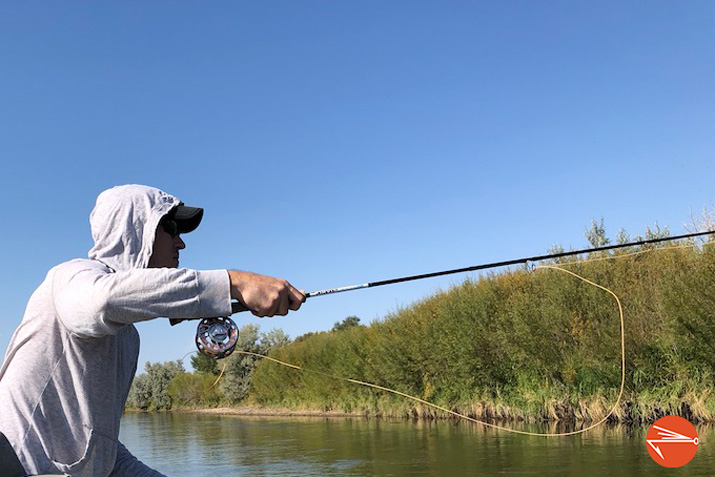
Casting is the most visible and challenging skill. The basic motion is an overhead cast, where you move the rod back and forth to send the line out. The goal is to deliver the fly gently to the water.
Practical tip: Start with short casts. Focus on control, not distance. Many beginners try to cast too far, too soon.
2. Line Management
You must control the fly line with your hands while fishing. This includes:
- Stripping line in and out
- Managing slack line on the water
- Setting the hook when a fish bites
This skill improves quickly with practice. On windy days, line management is even more important, so practicing in different conditions helps.
3. Knot Tying
Fly fishing requires several knots to connect the line, leader, tippet, and fly. Some common knots are:
- Improved clinch knot
- Surgeon’s knot
- Arbor knot
Learning these knots can seem hard at first, but many anglers master them in a single afternoon with good diagrams or videos.
4. Reading Water
You need to spot where fish are likely to be hiding or feeding. This means looking for:
- Riffles: Shallow, fast water with small waves
- Pools: Deep, slow areas where fish rest
- Undercut banks: Edges where water has carved space under the bank
Non-obvious insight: Fish spend most of their energy avoiding strong currents. Focus your efforts near slow water or structure, not just in the fastest moving parts.
5. Presenting The Fly
Making the fly drift naturally is key. Fish can spot an unnatural drift, so you must control the line to avoid drag. This skill, called mending, lets the fly move at the same speed as the current.
Gear And Equipment: Is It Complicated?
Fly fishing gear looks complex, but each part has a purpose. Here’s a basic breakdown:
Rods
Fly rods come in different lengths and weights. Most beginners start with a 9-foot, 5-weight rod. This setup works well for trout and many freshwater fish.
Reels
The reel holds the line. For most freshwater fishing, a simple reel with a smooth drag system is enough.
Lines
There are three main types of fly lines:
- Floating: Stays on the surface (best for beginners)
- Sinking: Sinks below the surface (for deeper water or bigger fish)
- Sink-tip: Only the tip sinks
Leaders And Tippets
The leader connects the thick fly line to the thin, nearly invisible tippet, which attaches to the fly. Most beginners use a 9-foot tapered leader.
Flies
Flies come in many types:
- Dry flies (float on the surface)
- Nymphs (sink below the surface)
- Streamers (imitate small fish)
It’s normal to feel overwhelmed at first, but most anglers only use a few patterns when starting.
Waders And Boots
Waders keep you dry and let you fish in the river. Boots with good grip help you walk safely on slippery rocks.
Practical note: You do not need expensive gear to start. Many successful anglers use affordable rods and flies.
Is Fly Fishing Harder For Beginners?
Fly fishing can be harder for complete beginners than other fishing styles. Here’s why:
- More skills to learn at the start: Casting, knot tying, fly selection, and reading water.
- Physical coordination: You need to use both hands and move your arms smoothly.
- Patience required: Early attempts often result in tangled lines or poor casts.
However, many beginners find the learning process rewarding. Progress feels noticeable, and small improvements quickly lead to more success.
What Makes Fly Fishing Easier?
Several factors can make learning fly fishing much easier:
- Taking a Lesson: A single lesson with an instructor can save weeks of frustration.
- Starting with Simple Flies: Using basic patterns like the woolly bugger or Adams dry fly keeps things simple.
- Fishing with Friends: Having a partner can make learning more fun and less stressful.
- Practicing on Grass: Many anglers practice casting on grass before going to the water.
- Using the Right Gear: Beginners who use gear designed for entry-level fishing (not ultra-light or heavy rods) learn faster.
Real-world example: A 2019 survey by the Recreational Boating & Fishing Foundation found that 20% of new anglers tried fly fishing as their first fishing method. Most reported good experiences when they started with lessons or mentors.
The Role Of Practice And Patience
Fly fishing rewards patience and regular practice. Most new anglers catch their first fish after a few trips. The most successful are those who focus on technique, not just catching fish.
Practical tip: Set small goals, such as making 10 straight casts without tangles, or learning one new knot per week. This keeps you motivated and helps you see progress.
Common Beginner Mistakes (and How To Avoid Them)
Every fly angler makes mistakes. Here are some of the most common, and tips to avoid them:
- Trying to cast too far: Most fish are close. Focus on accuracy, not distance.
- Using too many different flies: Stick to a few proven patterns at first.
- Ignoring the environment: Watch for overhanging trees and wind direction.
- Improper line management: Practice stripping and controlling your line.
- Not mending: Learn how to mend the line to make your fly drift naturally.
- Skipping knots practice: Spend time learning strong, simple knots.
- Fishing at the wrong time: Early morning or late evening often gives better results.
Practical tip: Keep a simple logbook. Write down what worked and what didn’t. This helps you learn faster.
How Long Does It Take To Get Good At Fly Fishing?
There’s no single answer, but most people start catching fish after 3–5 outings. With regular practice, you can become comfortable with the basics in a few weeks.
Key milestones:
- First 2–3 trips: Learning to cast and control the line.
- Trips 4–7: Tying knots quickly, choosing flies, catching your first fish.
- After 10 trips: Reading water, mending line, catching fish more consistently.
Advanced skills—like double hauling or fishing in tough conditions—take longer but are not needed to enjoy the sport.
Fly Fishing For Different Age Groups
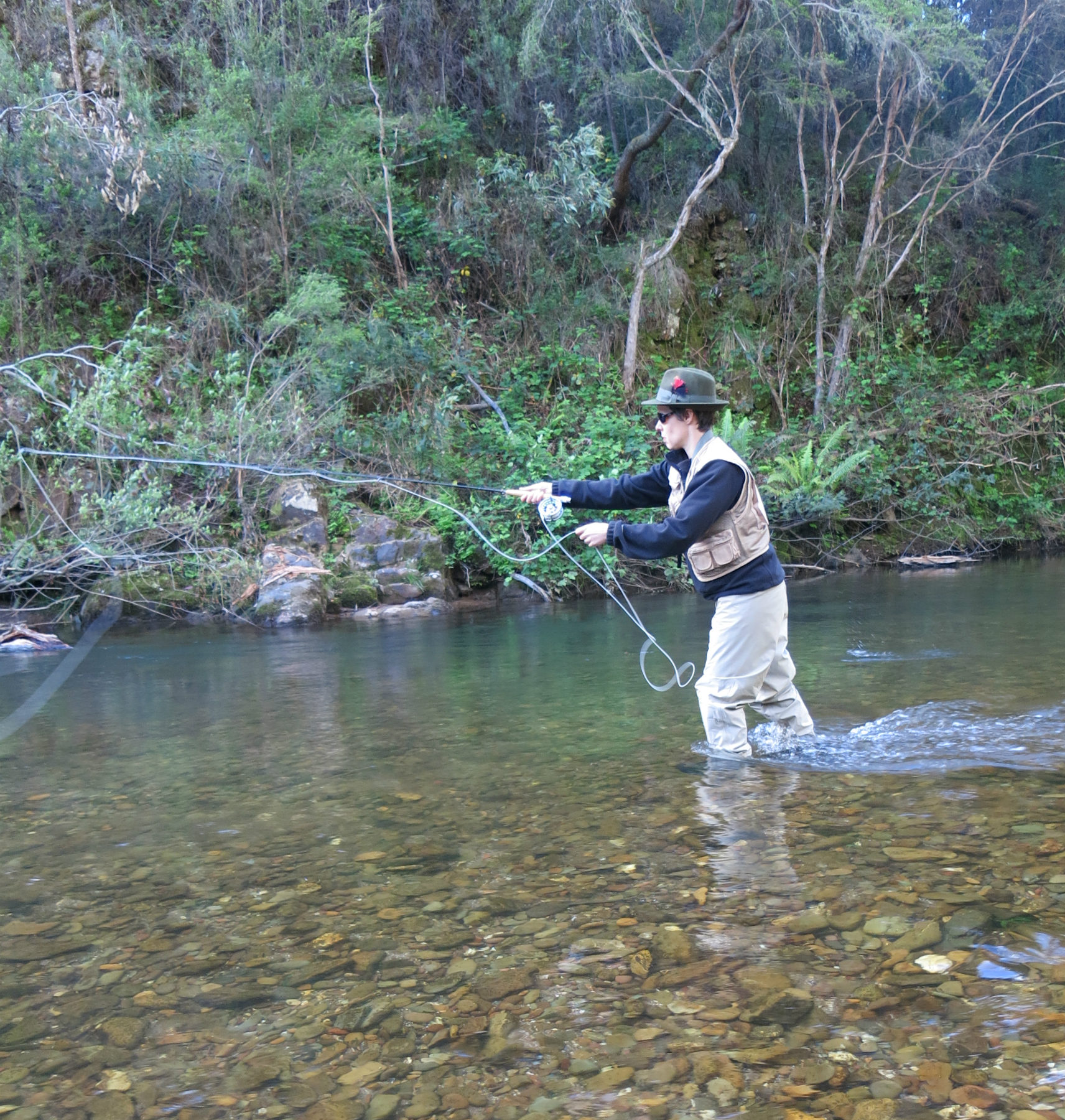
Fly fishing is suitable for almost all ages. Children as young as 7–8 can learn with supervision, and many people fish well into their 70s and 80s. Lightweight rods and safe, easy-access fishing spots make it accessible.
Practical tip: For children, use shorter rods (7–8 feet) and avoid deep water. For older anglers, choose spots with easy bank access.
Credit: www.charleymayflyfishing.com
The Mental Side: Focus And Relaxation
Many anglers say that fly fishing is as much about the mind as the body. The sport requires focus, patience, and observation. This can be challenging, but it’s also why many people find fly fishing relaxing and even meditative.
Non-obvious insight: The process of concentrating on casting, watching the line, and reading the water can help people forget daily stress. This mental benefit is a big reason why fly fishing is popular for those seeking peace and focus.
Comparing Fly Fishing Difficulty By Location
Where you fish can make a big difference. Some places are easier for beginners:
| Location | Difficulty Level | Why |
|---|---|---|
| Stocked ponds/lakes | Easy | Lots of fish, fewer obstacles |
| Small streams | Moderate | Need short, accurate casts |
| Large rivers | Harder | Longer casts, stronger current |
| Saltwater flats | Challenging | Wind, spooky fish, longer casts |
Tip: Beginners should start at stocked ponds or slow, shallow streams. These offer plenty of chances to practice and succeed.
The Role Of Weather And Conditions
Wind, rain, and temperature affect fly fishing. Wind makes casting harder. Cold water slows fish activity. Clear water makes fish more cautious.
Practical advice: Pick calm days when learning. If it’s windy, practice side-arm casts to keep the line low. Wear polarized sunglasses to see fish more easily.
Is Fly Fishing Worth The Effort?
Fly fishing takes more effort to learn than other fishing methods, but many find it more rewarding. It combines skill, patience, and observation in a way few sports do.
Benefits include:
- Greater connection to nature
- Chance to explore beautiful locations
- Satisfaction from mastering new skills
Many anglers say the challenge is part of the fun. Each success feels earned. Even failures teach valuable lessons.
Credit: flyfishingfix.com
Resources To Make Learning Easier
There are many resources to help you learn:
- Local fly shops: Offer classes and advice
- Clubs and groups: Many areas have beginner-friendly events
- Online videos: Platforms like YouTube have free lessons
- Books: Titles like “The Orvis Guide to Beginning Fly Fishing” are excellent
For more information on fly fishing basics, see this Wikipedia page on fly fishing.
Fly Fishing Myths
Some myths make fly fishing seem harder than it is:
- You need expensive gear: Many affordable rods perform well.
- It’s only for trout: You can catch bass, bluegill, carp, and more.
- You must be strong: Technique matters more than strength.
- It takes years to learn: Most people catch fish within weeks.
- It’s only for remote locations: Many city lakes and ponds are great for fly fishing.
Don’t let these myths stop you from trying.
Credit: tnwf.org
Real Angler Stories
Many experienced anglers started out struggling, but they all agree on one thing: the first fish caught on a fly rod is unforgettable. Some remember their first catch decades later.
Example: Emma, a teacher from Colorado, tried fly fishing at age 40. Her first casts were messy, but after three afternoons practicing in a local park, she landed her first trout. She says, “Fly fishing was harder than I thought, but not impossible. The feeling of that first fish was worth every tangle.”
When To Seek Professional Instruction
If you find yourself frustrated or stuck, a lesson can help. Instructors can spot and fix mistakes quickly. Many fly shops offer affordable group classes or one-on-one coaching. Even a single hour can make a big difference.
Final Thoughts: Is Fly Fishing Hard?
Fly fishing is not easy at first, but it isn’t impossible or reserved for experts. The main challenge is learning several new skills at once—casting, managing line, choosing flies, and reading water. With patience, practice, and the right resources, anyone can become a successful fly angler.
What’s most important is your attitude. Approach fly fishing as a journey, not a test. Celebrate small wins, learn from mistakes, and enjoy your time on the water. The challenge is real, but so are the rewards.
Frequently Asked Questions
Is Fly Fishing More Difficult Than Regular Fishing?
Fly fishing is harder at the beginning because you must learn special casting and line control. Spinning or bait fishing is easier to start, but fly fishing becomes more natural with practice.
How Long Does It Take To Learn Fly Fishing?
Most beginners feel comfortable after 3–5 outings. With regular practice, you can catch fish and master basic skills within a few weeks.
What Is The Hardest Part Of Fly Fishing?
For most, casting is the hardest part. Learning to present the fly gently and accurately takes practice. Knot tying and reading water are also challenging at first.
Can Children Or Older Adults Learn Fly Fishing?
Yes. Fly fishing is suitable for children (with supervision) and older adults. Choose safe locations and lightweight gear to make learning easier.
Do I Need Expensive Equipment To Start Fly Fishing?
No. Many entry-level rods and reels are affordable and work well. Focus on learning good technique before investing in high-end gear.
Fly fishing may be challenging, but it is also accessible and deeply rewarding for those willing to learn. The journey is worth every cast.