
Bass fishing has fascinated anglers for generations. From quiet ponds to vast lakes, bass remain one of the most sought-after freshwater fish. Yet, even experienced anglers often face days when the fish simply refuse to bite. Many wonder why bass behavior changes so much from day to day. One answer lies high above us: the moon phase. This natural cycle has a direct, sometimes surprising, effect on how bass feed, move, and react. Understanding moon phases is more than just folklore—it’s a practical tool that can turn an ordinary fishing trip into a memorable catch.
Many beginners overlook the moon phase, focusing only on weather, bait, or water temperature. But if you want to maximize your chances, you need to unlock the secrets of the moon. This article digs deep into how the moon’s cycle shapes bass habits, why it matters, and how you can use this knowledge to your advantage.
Whether you’re a weekend hobbyist or a dedicated angler, these insights will give you a new edge on the water.
What Are Moon Phases?
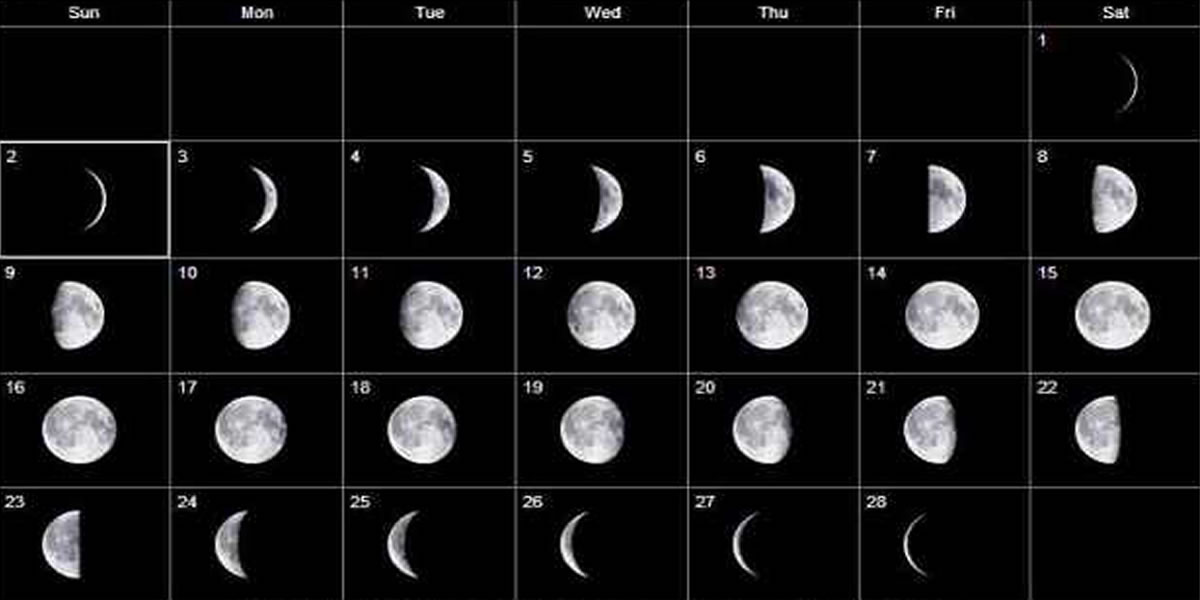
The moon phase describes the shape of the moon we see from Earth as it orbits our planet. This cycle repeats roughly every 29.5 days and creates different levels of moonlight at night. The main phases are:
- New Moon – The moon is between the sun and Earth, so it is not visible from Earth.
- Waxing Crescent – A sliver of the moon begins to appear.
- First Quarter – Half the moon is visible.
- Waxing Gibbous – More than half is visible, growing toward full.
- Full Moon – The entire face of the moon is illuminated.
- Waning Gibbous – The moon begins to shrink, but more than half is still visible.
- Last Quarter – Half the moon, but opposite side from first quarter.
- Waning Crescent – Only a small sliver remains before returning to new moon.
Each phase changes the amount of light at night and affects gravitational pull, which in turn influences water movement and animal behavior.
The Science Behind Moon Phase And Bass Behavior
You might wonder: how can something so far away change what happens underwater? The answer is twofold: moonlight and gravitational pull.
Moonlight And Visibility
Bass are visual hunters. During bright nights, especially around the full moon, there is more natural light. This can make bass more active at night and less hungry during the day. On dark nights, like the new moon, bass may feed more during daylight hours.
Gravitational Pull And Tides
While tides are strongest in the ocean, even lakes and large rivers experience subtle water movement due to the moon’s gravity. These changes can affect how baitfish and plankton move, which in turn affects where bass will hunt.
Activity Cycles
The combination of light and gravitational changes sets off activity cycles in bass. Fish are more likely to feed actively during certain times, often called major and minor feeding periods. These usually occur when the moon is directly overhead or underfoot.
How Each Moon Phase Affects Bass Fishing
Let’s look at how each phase impacts your chances on the water, and how to adjust your strategy.
New Moon
During a new moon, nights are very dark. Bass feel safer moving into shallow water to hunt because there is less risk from predators. This is a great time for anglers to fish during the day, especially early morning and late afternoon. Bass tend to be aggressive, and surface lures can be very effective.
Waxing Crescent & Waning Crescent
In these phases, there is only a small amount of moonlight. Bass start adjusting their feeding, but still rely mostly on daylight. These periods can bring stable conditions, making bass more predictable. It’s a good time to use slow, steady retrieves and natural-colored lures.
First Quarter & Last Quarter
Half-moon nights offer moderate light. Bass may split their feeding between night and day. During these times, timing becomes important. Focus on fishing during early morning and late evening. Try switching between moving lures and soft plastics to see what works best.
Full Moon
The full moon brings the brightest nights. Bass often feed heavily at night, making them less active during the day. Night fishing can be excellent, especially with topwater baits and spinnerbaits. During the day, bass may move deeper or become more sluggish, requiring slower presentations.
Waxing Gibbous & Waning Gibbous
These phases lead up to and away from the full moon. Bass behavior is in transition. You might notice flurries of activity at dawn and dusk. Pay close attention to weather changes, as they can combine with moon effects to trigger feeding.
Comparing Moon Phase Effects On Bass Activity
This comparison shows how different phases affect bass fishing conditions.
| Moon Phase | Night Activity | Day Activity | Best Tactics |
|---|---|---|---|
| New Moon | Low | High | Shallow water, topwater baits |
| Full Moon | Very high | Low | Night fishing, spinnerbaits |
| First/Last Quarter | Moderate | Moderate | Early morning, soft plastics |
| Crescent (Waxing/Waning) | Low-Moderate | Good | Natural colors, steady retrieve |
Major And Minor Feeding Times
Along with phases, the moon creates specific feeding windows—times when bass are most likely to feed. These are called major (longer, stronger) and minor (shorter, weaker) periods. They occur when the moon is directly overhead or underfoot (major), and when it is rising or setting (minor).
Many anglers use solunar tables, which predict these times, to plan their trips. You might notice bass feeding actively during a major period even if the conditions seem poor.
Example: Using A Solunar Table
Suppose the solunar table says a major period is 6:30–8:30 am. Even if it’s cloudy or windy, you could see a burst of action during this window. Over time, tracking your catches alongside solunar periods can reveal patterns that help you fish smarter.
Moon Phase And Spawning Cycles
Moon phase doesn’t just affect daily feeding. It also plays a key role in spawning. Bass often time their spawning with the full moon in spring. The extra light and gravitational effects trigger instinctive behaviors. If you want to target spawning bass (or avoid them to protect the population), watch for full moons when water temperatures reach 60–70°F (15–21°C).
Credit: bassonline.com
How To Adjust Your Bass Fishing Tactics By Moon Phase
Knowing the theory is helpful, but the real value comes from applying it. Here’s how to adapt your approach for each phase.
1. During The New Moon
- Fish shallow: Bass are less cautious and move into shallower water.
- Use noisy, flashy baits: With less light, bass rely on sound and vibration.
- Fish more during daylight: Early morning and late afternoon are prime.
2. During The Full Moon
- Try night fishing: Bass feed heavily after dark, often in open water.
- Use bright or reflective lures: These are easier for bass to see in the moonlight.
- Slow down during the day: Use slower presentations and fish deeper.
3. Quarter Moons
- Mix up tactics: Bass may be active at different times.
- Watch for sudden activity: Feeding can be unpredictable.
- Test lure speed: Sometimes fast-moving baits work, sometimes slow.
4. Transition Phases (crescents, Gibbous)
- Focus on consistency: Bass stick to established patterns.
- Use natural colors: Mimic local baitfish with your lures.
- Pay attention to weather: Moon phase effects are stronger when combined with stable weather.
Common Mistakes When Using Moon Phase For Bass Fishing
Many anglers make the same errors when trying to use the moon phase to their advantage. Avoid these pitfalls:
- Ignoring Other Factors: Moon phase is just one part of the puzzle. Weather, water temperature, and baitfish presence matter too.
- Fishing Only the Full Moon: While famous, the full moon is not always best. New moon and quarter phases can be just as productive.
- Not Tracking Results: Keeping a fishing log helps you see which phases work best in your local waters.
- Overcomplicating It: You don’t need advanced software or perfect predictions. Focus on the basics and adjust as you learn.
Real-world Examples And Data
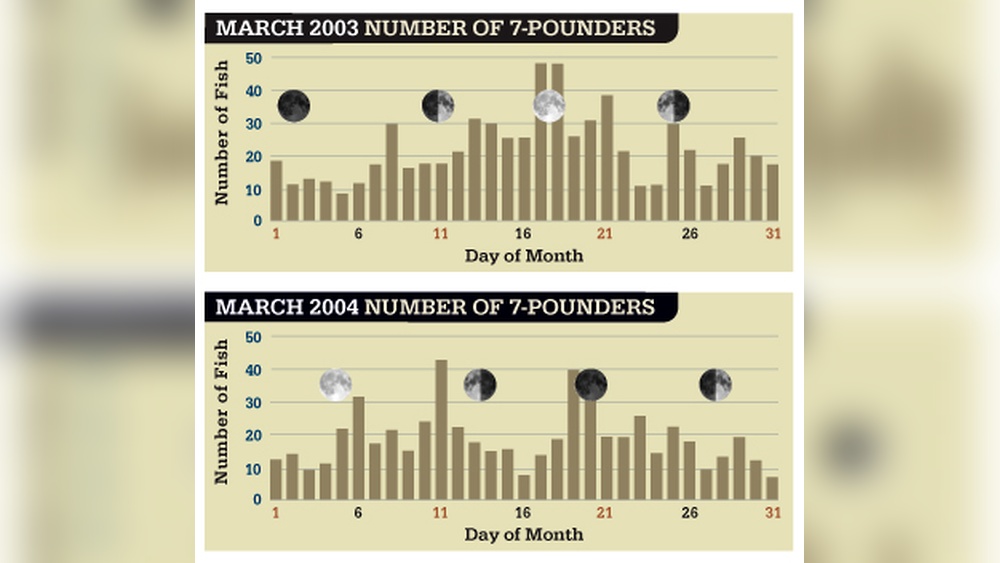
Research and angler reports confirm that moon phase matters. For example, a study in the journal “Transactions of the American Fisheries Society” found that black bass species were more active and fed more during certain moon phases—especially around new and full moons.
Professional tournament anglers often plan their efforts around these periods.
Let’s look at a comparison of tournament-winning catches during different moon phases.
| Moon Phase | Average Winning Weight (lbs) | Percentage of Tournaments Won |
|---|---|---|
| New Moon | 22.4 | 32% |
| Full Moon | 21.7 | 28% |
| Quarter Moons | 19.6 | 25% |
| Crescent Phases | 18.8 | 15% |
This data shows that new and full moons often see better results, but quarter and crescent phases can still produce big catches.
Additional Factors That Interact With Moon Phase
Moon phase doesn’t act alone. Here are some other elements that can combine with moon effects:
- Weather: Cold fronts can shut down feeding, even during a major moon phase. Stable, warm weather enhances moon phase effects.
- Water Clarity: In clear water, moonlight penetrates deeper, making night fishing more productive during bright phases.
- Fishing Pressure: Heavily fished areas may see less obvious moon phase effects, as bass become more cautious.
- Baitfish Activity: When baitfish follow moon-driven cycles, bass follow them.

Credit: bassforecast.com
Debunking Myths About Moon Phase And Bass Fishing
Some myths persist in the fishing world. Let’s clear up a few:
- Moon Phase Is Everything: It’s important, but not the only factor.
- Bass Don’t Feed on Full Moon Days: They do, but often feed at night instead of during the day.
- Only Night Fishing Matters: Daytime fishing can be great during certain phases, especially new moon.
Two Non-obvious Insights For Serious Anglers
- Subtle Water Movement Matters: Even in lakes with almost no tides, small changes in water flow during major moon phases can concentrate bass in certain areas. Watch for moving water near points, bridges, or creek mouths, especially around a new or full moon.
- Moonrise and Moonset Can Trigger Feeding: Many focus only on overhead/underfoot times, but bass sometimes respond strongly to the actual rise or set of the moon. If you notice sudden activity at these times, adjust your strategy to take advantage.

Credit: fishingbooker.com
Using Technology To Track Moon Phase For Bass Fishing
Today, you don’t need to rely on guesswork. Many apps and websites offer accurate moon phase calendars and solunar tables. These tools help you plan trips and log your results. Some anglers even use GPS fishfinders that display lunar data, helping them make quick decisions on the water.
How To Start Using Moon Phase Knowledge
If you want to make moon phase part of your fishing toolkit, try this:
- Choose one month to track your trips.
- Note the moon phase, time of day, and weather for each outing.
- Record your catches: Size, location, lure, and activity level.
- After a few weeks, look for patterns. You’ll likely see connections between moon phase and your best days.
This habit builds your own local knowledge, which is more valuable than any general advice.
Comparing Moon Phases And Bass Spawning Behavior
Bass spawning is a special time that can make or break your fishing season. The table below shows how moon phase aligns with typical bass spawning activity.
| Moon Phase | Spawning Activity | Best Fishing Tactic |
|---|---|---|
| Full Moon (Spring) | Peak | Bed fishing, sight fishing |
| New Moon (Spring) | High | Target shallow flats |
| Quarter Moons | Moderate | Search deeper beds |
| Summer Full/New Moon | Little/None | Focus on post-spawn patterns |
Should You Plan Your Trip Around The Moon?
Planning around the moon phase is not a magic solution, but it can give you an edge. If you only fish once a month, don’t worry about hitting the perfect moon. But if you have a choice, try to fish during a new or full moon, especially when the weather is stable and water temperatures are right for active bass.
For tournament anglers and serious hobbyists, combining moon phase with other data—like weather, water temperature, and local reports—can consistently boost your results.
For more background on the science behind moon phase and animal behavior, visit Wikipedia’s Lunar Effect page.
Frequently Asked Questions
What Is The Best Moon Phase For Bass Fishing?
The new moon and full moon phases often bring the highest bass activity. During the new moon, bass feed more during daylight. During the full moon, they feed heavily at night. However, local conditions like weather and water temperature also play a big role.
Do Bass Really Feed More At Night During A Full Moon?
Yes, bass often become more active after dark during the full moon. The extra light makes it easier for them to hunt, especially in clear water. This means daytime fishing might be tougher, but night fishing can be excellent.
Should Beginners Use Moon Phase Information?
Beginners can benefit from tracking moon phase, but should not rely on it alone. It’s a useful tool, but focusing on basics—like location, lure choice, and weather—remains most important until you gain more experience.
Can I Catch Bass During Any Moon Phase?
Absolutely. Bass are catchable at all times of the month. The moon phase just changes the best time and place to fish. With the right tactics, you can catch bass in any phase, as long as you adapt to conditions.
How Do I Find The Moon Phase For My Fishing Trip?
Many fishing apps and websites show current moon phases and solunar tables. You can also use printed calendars or check your local weather service. For the most accurate planning, try to combine moon data with your own fishing log.
Bass fishing is both an art and a science. Understanding the moon phase is one more way to stack the odds in your favor. By paying attention to the sky as well as the water, you’ll find more success and satisfaction on every trip.
Give these tips a try, and you may discover a whole new world of bass fishing opportunities.