
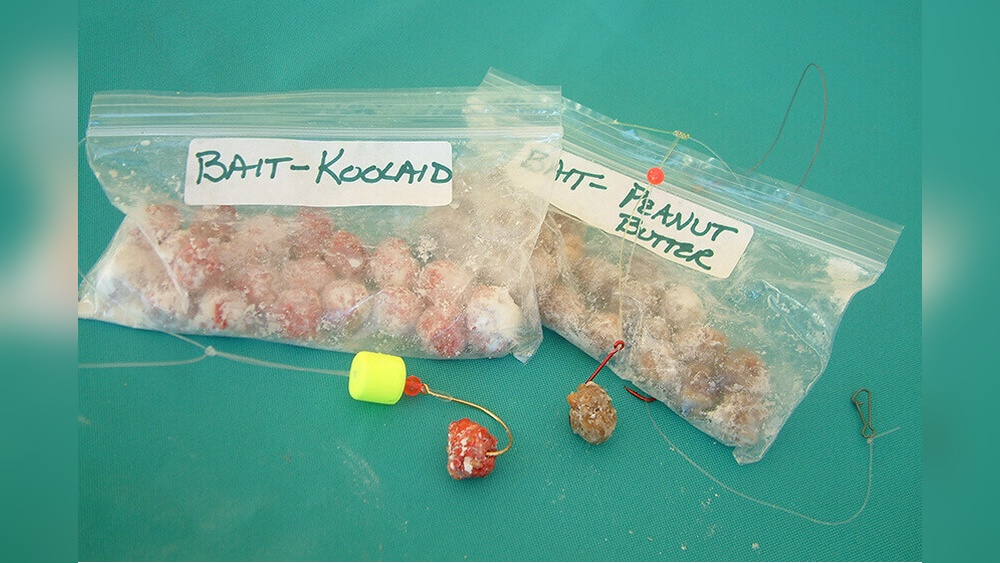
Many anglers, both beginners and experts, have used dough balls to catch fish for generations. These soft, round baits may look simple, but they are effective for catching carp, catfish, trout, and even panfish. If you’ve ever wondered why dough balls are so popular or how to make the perfect batch, you’re in the right place.
This guide will walk you through the process, from the basic ingredients to advanced tips for making irresistible dough balls. We’ll cover how to choose the right recipe, how to store your bait, and how to make your dough balls last on the hook.
Whether you want to catch more fish for fun or you’re preparing for a fishing competition, learning to make your own dough balls can give you an edge.
Why Use Dough Balls For Fishing?
Dough balls have become a go-to bait for many reasons. First, they are cheap and easy to make at home. You don’t need special equipment or hard-to-find ingredients—flour, water, and a few extras are all it takes. Second, you can adjust the texture and flavor to attract the exact type of fish you want.
Carp, for example, love sweet dough, while catfish often go for a savory, oily mix.
Another key advantage is that dough balls can be made in large batches and stored for weeks. This saves you time and money compared to buying live bait. Plus, homemade dough balls allow you to avoid common allergens or harmful chemicals sometimes found in commercial baits.
Perhaps most importantly, dough balls are extremely versatile. You can fish them on the surface, on the bottom, or even float them under a bobber. They work in lakes, rivers, and ponds. Some anglers even add scents or colors to match the local fish’s preferences.
The possibilities are endless.
Essential Ingredients For Fishing Dough Balls
At their core, dough balls need just a few basic ingredients:
- Flour: All-purpose flour is the most common base. It gives the dough structure and helps it stick together.
- Water: Needed to bring the flour together and create a pliable dough.
- Salt: Helps preserve the dough and adds a bit of taste.
- Sweetener or flavor: Sugar, honey, molasses, or corn syrup can make dough balls more attractive, especially to carp.
- Binder: Cornmeal, bread crumbs, or instant mashed potatoes can help keep the dough firm.
- Optional additives: Scents (vanilla, anise, garlic), colors (food coloring), or even oils and extracts to boost attraction.
Choosing The Right Flour
The type of flour you use impacts the texture and strength of your dough balls. All-purpose flour is a safe bet, but bread flour or whole wheat flour can give a tougher, chewier bait that lasts longer on the hook.
Gluten-free flour can work too, but may need extra binders.
Binder Comparison
Here’s a quick look at how different binders affect your dough balls:
| Binder | Texture | Hook Hold | Attraction |
|---|---|---|---|
| Cornmeal | Medium-firm | Good | Moderate |
| Bread Crumbs | Soft | Fair | High |
| Instant Potatoes | Firm | Excellent | Low |
Choosing the right binder can help your dough balls last longer in the water, especially if you need them to stay on the hook during long casts or when fishing in strong currents.
Credit: www.floridasportsman.com
Basic Dough Ball Recipe For Fishing
Let’s start with a simple, reliable recipe. This dough ball works well for carp, catfish, and even bluegill.
Ingredients:
- 1 cup all-purpose flour
- 1/2 cup cornmeal
- 1/4 cup sugar or honey
- 1/2 teaspoon salt
- 1/2 cup water (add more as needed)
- Optional: 1 teaspoon vanilla extract or anise oil for scent
Instructions:
- Mix the flour, cornmeal, sugar, and salt in a large bowl.
- Stir in the water slowly, mixing until you get a sticky, smooth dough.
- Add the vanilla or other scent if using.
- Knead the dough for 3-5 minutes to make it elastic.
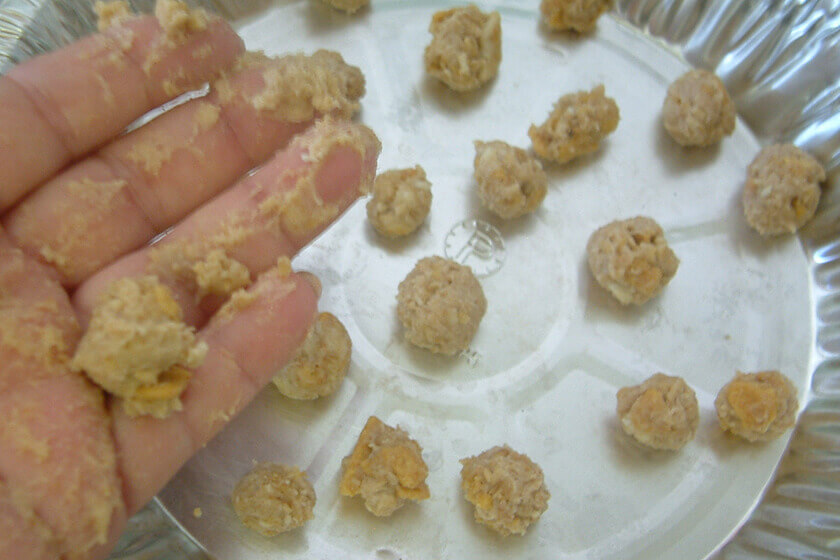
- Pinch off small pieces and roll them into balls about the size of a marble.
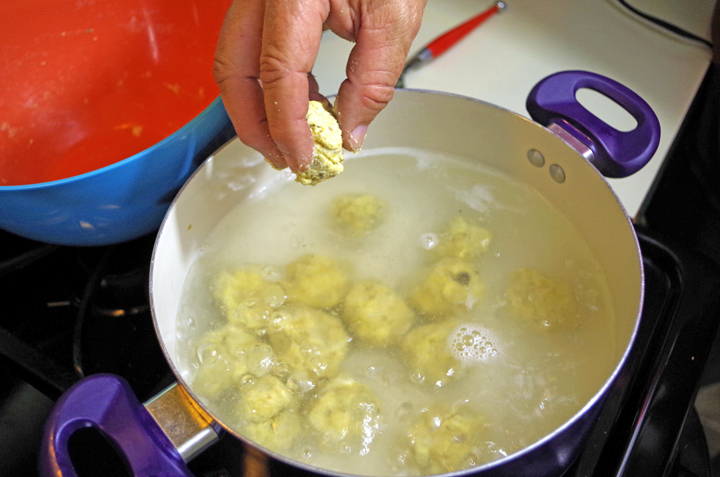
- Bring a pot of water to a gentle boil. Drop the balls in and boil for 2-3 minutes until they float.
- Remove with a slotted spoon and let cool completely.
Yields: About 20-30 dough balls, depending on size.
Prep time: 10 minutes
Cooking time: 5 minutes
Ready in: 20 minutes
Practical Tips
- If the dough is too sticky, add a bit more flour.
- If it’s too dry, sprinkle in water a teaspoon at a time.
- Boiling helps the dough balls firm up and stay on the hook longer.
- Cool dough balls on paper towels to remove extra moisture.
Advanced Dough Ball Recipes And Variations
Once you’re comfortable with the basic recipe, you can experiment with different ingredients to target specific fish or fishing conditions.
Sweet Corn Dough Balls
Great for: Carp, sucker fish
- Swap half the water for canned sweet corn liquid.
- Add 1/4 cup crushed sweet corn to the dough.
- Use honey instead of sugar for a stickier, sweeter bait.
Garlic Cheese Dough Balls
Great for: Catfish, bullhead
- Replace sugar with 1 tablespoon garlic powder.
- Add 1/4 cup shredded cheddar cheese.
- Use a pinch of chili powder for extra scent.
Gluten-free Dough Balls
- Use gluten-free flour and cornmeal.
- Add 1 tablespoon ground flaxseed for binding.
- Add 1/4 cup mashed potatoes for firmness.
Floating Dough Balls
- Mix in small pieces of bread crust or marshmallow.
- Use less water for a lighter, airier dough.
- Test in a bowl of water before fishing to check if they float.
Table: Recipe Variations And Target Fish
| Variation | Main Additive | Target Fish | Best Water Type |
|---|---|---|---|
| Sweet Corn | Crushed corn, honey | Carp, sucker | Ponds, slow rivers |
| Garlic Cheese | Garlic powder, cheese | Catfish | Lakes, rivers |
| Floating | Marshmallow, bread | Panfish, carp | Shallow lakes |
| Gluten-Free | Potato, flaxseed | Trout, carp | Clean streams |
Credit: www.gameandfishmag.com
Step-by-step: Making Dough Balls For Fishing
While the recipe is important, the actual process of making and handling dough balls can affect your fishing results. Here’s a clear, step-by-step guide for best results.
1. Prepare Your Workspace
Clean your hands and surfaces. Avoid strong soap smells—fish are sensitive to scent. Use stainless steel or glass bowls, as plastic can hold odors.
2. Mix Dry Ingredients
Combine all dry ingredients first. This helps even mixing and prevents clumps. If you want a stronger scent, add powdered attractants now.
3. Add Wet Ingredients Slowly
Pour in water or other liquids a little at a time. Mix until you have a dough that holds together but isn’t too wet.
4. Knead And Test
Knead the dough to activate the gluten, making it stretchier and stronger. Pinch off a small piece and press it on a hook. If it falls apart, knead more or add a bit more flour or binder.
5. Shape And Size
Roll dough into small balls, between the size of a pea and a marble. Uniform size helps with even cooking and casting.
6. Boil Or Steam
Boiling is common, but steaming works too. Both methods help the dough balls stay together in water. Boil for 2-4 minutes; don’t overcook or they’ll get hard.
7. Dry And Store
Lay dough balls on paper towels to cool and dry. Store in an airtight container in the refrigerator. For longer storage, freeze and thaw as needed.
8. Field Test
Before heading out, test a few dough balls in a bowl of water. Check if they float, sink, or dissolve too quickly. Adjust recipe as needed.
Common Mistakes To Avoid
Many anglers make simple mistakes that reduce their chances of catching fish with dough balls. Here are the most frequent problems, and how to fix them.
- Too Wet or Too Dry Dough: If your dough falls apart, it’s probably too wet. Add flour or binder. If it’s crumbly, add water a bit at a time.
- Ignoring Scent: Fish often rely on scent. If your dough balls have no smell, add vanilla, anise, garlic, or even commercial attractants.
- Overcooking: Boil or steam just until the balls float or firm up. Overcooking makes them too hard and less attractive to fish.
- Wrong Size: Large balls may not fit small fish mouths; tiny balls may fall off hooks. Adjust size for your target fish.
- Not Testing: Always test your bait in water before fishing. Some dough balls dissolve quickly, making them useless in the field.

Credit: www.gameandfishmag.com
How To Store And Transport Dough Balls
Freshness matters. Proper storage keeps your dough balls soft, scented, and ready to use.
- Short term: Store in an airtight container in the refrigerator for up to one week.
- Long term: Freeze in small batches. Thaw only what you need for the day.
- On the bank: Keep dough balls in a zip-top bag or plastic container, out of direct sun. A small cooler helps in hot weather.
- Avoid moisture: Too much moisture can lead to mold. Make sure balls are dry before storing.
Table: Storage Methods
| Method | Duration | Best Use | Notes |
|---|---|---|---|
| Refrigerator | 1 week | Short fishing trips | Use airtight box |
| Freezer | 2-3 months | Bulk prep | Freeze in batches |
| Cooler (on bank) | 1 day | Day trips | Keep in shade |
Customizing Dough Balls For Different Fish Species
Different fish have different preferences. With a few tweaks, you can make dough balls that appeal to nearly any freshwater species.
Carp
Carp love sweet, scented dough balls. Add molasses, honey, or fruit flavors. Use bright colors like yellow or orange for visibility.
Catfish
Catfish like strong, savory scents. Use cheese, garlic, or even canned tuna water. Adding oil helps scent spread in the water.
Panfish And Bluegill
Smaller balls, sometimes with a hint of vanilla or fruit, work best. Make them soft enough to break apart when bitten.
Trout
Trout prefer natural scents. Add a touch of anise, or use cornmeal and mashed potatoes for a mild, earthy flavor.
How To Use Dough Balls For Maximum Success
Making dough balls is only half the battle—you also need to use them properly.
- Choose the right hook: Use a small, sharp hook that matches your dough ball size. Size #6-#10 is common.
- Thread carefully: Press the dough ball onto the hook and gently squeeze. Make sure the hook tip is exposed for better hook sets.
- Use a hair rig: For carp, threading the dough ball on a hair rig can improve hook-up rates.
- Watch your cast: Dough balls can fly off if cast too hard. Use a gentle, smooth motion.
- Fish location: Place your bait where fish feed—near reeds, drop-offs, or slow-moving water.
- Check often: In fast water, dough balls may dissolve quickly. Check your bait every 10-15 minutes.
Two Advanced Insights Many Beginners Miss
1. Water Chemistry Affects Dough Ball Performance
Few anglers realize that water pH and temperature can change how dough balls behave. In very alkaline or acidic waters, dough balls can break down faster. Warmer water speeds up scent release but also makes bait softer and more likely to fall apart.
Test your dough balls in water similar to your fishing spot to avoid surprises.
2. Small Changes in Texture Make a Big Difference
Fish can be picky about bait softness. If you find fish biting but not hooking up, adjust your dough’s firmness. Softer dough may get more bites but fall off hooks, while firmer dough stays on longer but may not attract as many fish.
Experiment and write down what works.
Safety And Environmental Tips
- Avoid using toxic dyes or scents that could harm fish or water quality.
- Dispose of unused dough balls in the trash, not the water.
- Keep bait away from pets and small children, especially if using garlic or cheese.
Where To Find More Recipes And Tips
There are many resources online and in fishing books. For science-backed advice and more dough ball recipes, check out Wikipedia’s fishing bait page.
Frequently Asked Questions
How Long Do Homemade Dough Balls Last?
Homemade dough balls last about a week in the refrigerator. For longer storage, freeze them for up to three months. Always check for mold or off smells before use.
Can I Use Dough Balls For Saltwater Fishing?
Dough balls are mostly used for freshwater fishing. In saltwater, they tend to break apart quickly and are less effective.