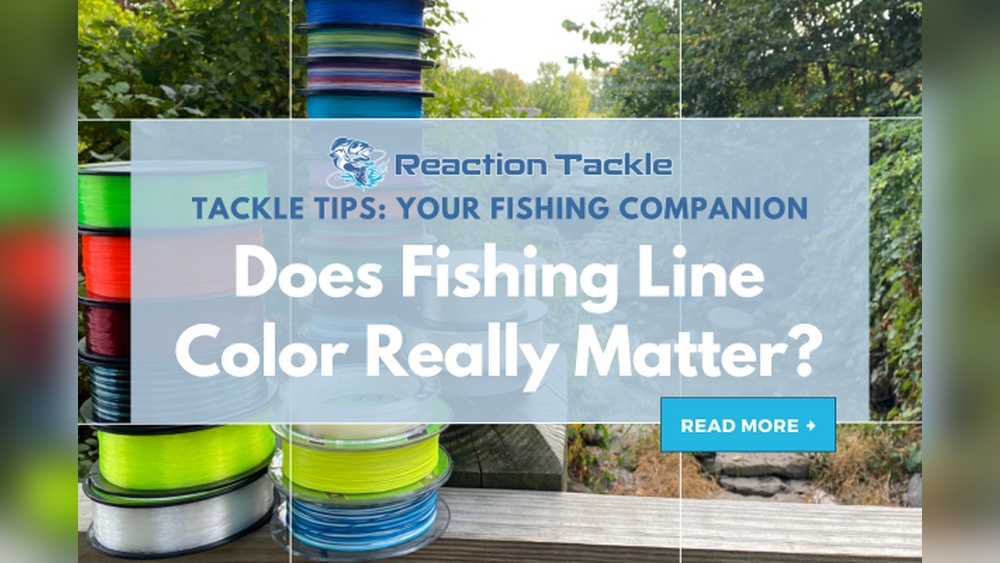
Fishing is a sport that balances skill, patience, and sometimes, a bit of luck. Anglers spend hours choosing the right lure, perfecting their casting technique, and studying fish behavior. But there’s one question that often sparks debate, from local ponds to online forums: Does fishing line color matter? Some people swear by clear lines, while others pick bold colors like green or even bright yellow. Manufacturers offer a rainbow of options, each claiming to provide an edge. But what does science say? And, more importantly, what do real-world results show?
If you’ve ever wondered whether fish really see your line or if it’s just marketing hype, this article is for you. We’ll break down the facts, myths, and practical insights about fishing line color, explaining how it can affect your success on the water. Whether you’re a beginner or a seasoned angler, understanding the impact of line color can help you make smarter choices and maybe even catch more fish.
The Science Behind Fishing Line Visibility
To answer whether fishing line color matters, it helps to first look at how fish see underwater. Fish vision is not exactly like human vision. Water absorbs and scatters light, and different colors fade at different depths. For example, red disappears first, often within the top 15 feet, while blue and green can be seen much deeper.
Fish eyes are adapted to their environment. Many species can see colors, but their sensitivity depends on water clarity, depth, and light conditions. In clear, shallow water, fish are more likely to notice unnatural objects—including your line. In muddy or deep water, most lines become less visible.
Researchers have found that some fish, like bass and trout, have color vision similar to humans. Others, such as catfish, rely more on vibrations and smell than on sight. This means that line color may matter more for some species and in certain conditions.
Types Of Fishing Line And Their Colors
There are three main types of fishing line: monofilament, fluorocarbon, and braided. Each has unique qualities and comes in different colors.
| Line Type | Common Colors | Main Features |
|---|---|---|
| Monofilament | Clear, green, blue, red | Stretchy, affordable, easy to handle |
| Fluorocarbon | Clear | Nearly invisible underwater, abrasion-resistant |
| Braided | Yellow, green, blue, camo | Strong, thin, little stretch, visible above water |
Monofilament is popular for its versatility and low cost. It comes in many colors, with clear being the most popular for visibility reasons. Fluorocarbon is known for its invisibility in water, making it a common choice for leader material. Braided line is very strong and visible, making it easy for anglers to see above water but sometimes more noticeable to fish.
How Water Conditions Affect Line Visibility
Water is not just “wet” — its color, clarity, and depth all change how lines look underwater.
Water Clarity
- Clear water: Fish can see better, so clear or light-colored lines are less likely to spook them.
- Stained or muddy water: Visibility is low, so line color is less important. Bright colors can help you watch your line for bites.
Water Depth
- Shallow water (0-10 ft): Most colors are visible. Fish can spot unnatural lines.
- Mid-depth (10-25 ft): Red, orange, and yellow begin to fade. Green and blue stay visible longer.
- Deep water (25+ ft): Almost all colors fade except blue, green, and sometimes black.
Light Conditions
- Bright sunlight: Increases visibility of all lines.
- Cloudy or low light: Makes lines harder to see for both fish and anglers.
Here’s a quick look at how colors fade with depth:
| Color | Visibility in Shallow Water | Visibility in Deep Water |
|---|---|---|
| Red | High | Low (fades quickly) |
| Green | High | Medium |
| Blue | High | High |
| Clear | Low (almost invisible) | Low |
| Yellow | High | Low (fades) |
Common Fishing Line Colors And When To Use Them
Choosing the right line color is about matching conditions and fishing style. Here are the most popular options and when each works best:
- Clear: Best for clear water and wary fish. It’s almost invisible underwater and works well in bright sunlight.
- Green: Blends with weedy or greenish water. A safe choice for many lakes and rivers.
- Blue: Good for offshore or deep water. It can blend with the blue tint of open water.
- Yellow (Hi-Vis): Easy for anglers to see above water, especially in low light or for detecting subtle bites. It’s more visible to fish but useful for certain methods, like float fishing.
- Red: Claims suggest it becomes invisible underwater, but in reality, it turns dark and may stand out as a black line.
- Camo: Multi-colored lines that try to blend with the background. Useful where bottom colors change.
Example Scenarios
- Bass fishing in clear lakes: Clear or green fluorocarbon is a top choice.
- Night fishing for catfish: Hi-Vis yellow braided line helps you track bites.
- Trolling offshore: Blue or clear monofilament blends well.
Does Line Color Really Affect Catch Rates?
Many anglers wonder if line color truly makes a difference in how many fish they catch. The answer depends on several factors:
- Water clarity: In crystal-clear water, using a bright line can reduce your catch, especially with cautious fish like trout.
- Fish species: Some fish are more sensitive to line visibility. For example, bass and trout can be line-shy, while catfish and carp often ignore line color.
- Fishing technique: When using lures that create a lot of motion or vibration, fish may focus more on the lure and less on the line.
Several studies and field tests have tried to answer this question. In most real-world cases, using a clear or natural-colored line in clear water results in more bites. However, in murky water or at night, line color becomes much less important.
A Surprising Insight
One beginner mistake is to focus only on line color and ignore other factors, such as line diameter and presentation. A thick, stiff line—even if it’s clear—can be more visible than a thin, colored one. Also, if your bait or lure looks unnatural, fish will be suspicious no matter what line you use.
The Role Of Leader Material
Many experienced anglers use a leader—a short section of different line attached to the end of the main line. The leader is often made of fluorocarbon, which is nearly invisible underwater, even if the main line is brightly colored.
This allows you to use a Hi-Vis main line for easy visibility and a stealthy leader near the bait. It’s a best-of-both-worlds solution, especially for techniques like jigging or drop-shotting.

Credit: www.youtube.com
Practical Tips For Choosing Fishing Line Color
Choosing the right color is not just about science; it’s also about your fishing style and needs. Here are some practical tips:
- Match water color: Use green in weedy or greenish water, blue in deep water, and clear in clear water.
- Consider your vision: If you have trouble seeing fine lines, a Hi-Vis color like yellow or orange can help, especially for detecting subtle bites.
- Use a leader: Combine a visible main line with a clear fluorocarbon leader for the best results.
- Adapt to conditions: Change line color as needed. Carrying extra spools with different colors can give you flexibility.
- Don’t ignore diameter: Thinner lines are less visible, no matter the color.
Real-world Angler Experiences
Ask ten anglers about line color, and you’ll get ten different opinions. Still, some patterns stand out:
- Tournament bass anglers often prefer clear or green fluorocarbon for finesse fishing in clear water, believing it gives them a slight edge.
- Saltwater fishermen in deep water may pick blue or clear lines to match the sea color.
- Crappie anglers like Hi-Vis lines for vertical jigging, where watching line movement is crucial.
A common beginner mistake is assuming that one color works everywhere. In truth, changing line color to fit the situation can make a real difference, especially with pressured or wary fish.

Credit: www.youtube.com
Myths And Misunderstandings About Fishing Line Color
There’s plenty of misinformation about this topic. Here are a few common myths:
- Myth: “Red line is invisible underwater.”
*Fact:* Red turns dark and may be more visible as a black line, especially in shallow water.
- Myth: “Fish can’t see any line.”
*Fact:* Many fish can see lines, especially in clear water and bright conditions.
- Myth: “Hi-Vis line always scares fish away.”
*Fact:* In stained water or with a clear leader, Hi-Vis line rarely affects catch rates.
Understanding these myths helps you avoid mistakes and choose lines based on facts, not rumors.
Case Studies: Does Line Color Matter In Different Situations?
Let’s look at three real-world situations to see how line color choice impacts results.
Case 1: Trout Fishing In Clear Streams
Trout are known for being cautious, especially in crystal-clear mountain streams. Many anglers report that using a clear fluorocarbon line increases bites compared to green or colored lines. In some cases, simply switching to a less visible line doubled catch rates.
Case 2: Bass Fishing In Weedy Lakes
In lakes with lots of plants, green monofilament or braided line is popular. It blends with the surroundings, making it harder for fish to spot. Anglers using bright lines often see fewer bites, especially on sunny days.
Case 3: Night Fishing For Catfish
At night or in muddy rivers, catfish rely more on smell and vibrations than sight. Here, line color has almost no effect. Hi-Vis yellow or orange lines are helpful for anglers to see strikes in the dark.
Pros And Cons Of Popular Fishing Line Colors
Here’s a quick comparison of the strengths and weaknesses of popular line colors:
| Color | Pros | Cons |
|---|---|---|
| Clear | Low visibility, good for clear water | Hard to see above water, tangles are difficult to spot |
| Green | Blends with vegetation, versatile | May stand out in very clear water |
| Yellow (Hi-Vis) | Easy to see, great for line watching | Visible to fish in clear water |
| Blue | Blends in deep or offshore water | Not ideal for shallow, clear water |
| Red | Fades out quickly underwater (in theory) | May appear as a dark line, visible in shallow water |
Extra Insights Anglers Often Miss
- Water type changes during the day: Early morning fog, rain, or sunlight can change how your line looks. Adapting your line color for time of day or weather gives you an advantage.
- Combination of factors matters most: Sometimes, a combination of line color, lure color, and bait movement is what triggers a bite. Don’t obsess over line color alone—consider all parts of your setup.

Credit: www.ginkandgasoline.com
When Line Color Doesn’t Matter Much
Some fishing situations make line color almost irrelevant:
- Bottom fishing in muddy rivers: Fish use smell or feel, not sight.
- Heavy cover: If your line is hidden by weeds or wood, color is less important.
- Fishing with large baits: If the bait is much bigger and moves fast, fish focus on the lure, not the line.
However, don’t ignore line color when fishing for shy or heavily pressured fish in clear water. Sometimes, small details matter.
How To Test Line Color For Yourself
If you’re still unsure, there’s a simple way to see what works: try different lines in the same spot. Watch how fish react. Take photos of your line in the water at different depths and times of day. You may be surprised by what you see—and what fish ignore.
Many experienced anglers keep several spools of different color lines in their tackle box. Testing is the best way to gain confidence and find what works for your local waters.
Expert Opinions And Research
Most professional anglers agree that while line color can matter, it’s not the only factor. Presentation, lure choice, and location often matter more. Still, in tough conditions, the right line color can make a difference.
Research from fisheries biologists supports these observations. Lines that blend with the water and bottom are less likely to be detected by fish that hunt by sight. For more on how fish vision works, you can read this summary from the Wikipedia page on Fish Vision.
Frequently Asked Questions
Does Fishing Line Color Matter In Saltwater?
In saltwater, line color matters mainly for species with good vision, like snapper or tuna, and in clear conditions. Blue and clear lines often work best offshore, while green can be good near reefs. For bottom fishing in deep or murky water, color is