
Do Fishing Lures Work At Night?
Fishing at night has a special mystery. The water is quiet, and the world feels different. Many anglers wonder: Do fishing lures work at night? Some say fish cannot see lures in the dark. Others believe night fishing brings bigger catches. This article will guide you through the facts, science, and real experiences of using lures after sunset. You will learn how fish behave, which lures work best, and how to boost your success when the sun goes down. Whether you are new to night fishing or want to improve, this guide will answer your questions and give you a confident plan for your next trip.
How Fish See And Hunt At Night
Understanding how fish behave after dark is important. Most fish do not see colors the same way humans do, especially at night. Their eyes are adapted for low light. Some species, like catfish and walleye, have special eyes that pick up movement and shapes in the dark. Others, like bass or pike, rely on their lateral lines—special sensors on their sides that feel vibrations in the water.
Fish also use smell and taste more at night. They may hunt by sensing the movement of prey rather than by sight. This is why some lures that make noise or give off smell often work better in the dark.
It’s not just about what they see, but what they feel and hear.
Types Of Fishing Lures That Work At Night
Not all lures are equal after sunset. Some are designed to attract fish using movement, sound, or scent. Here are the main types that work best at night:
1. Topwater Lures
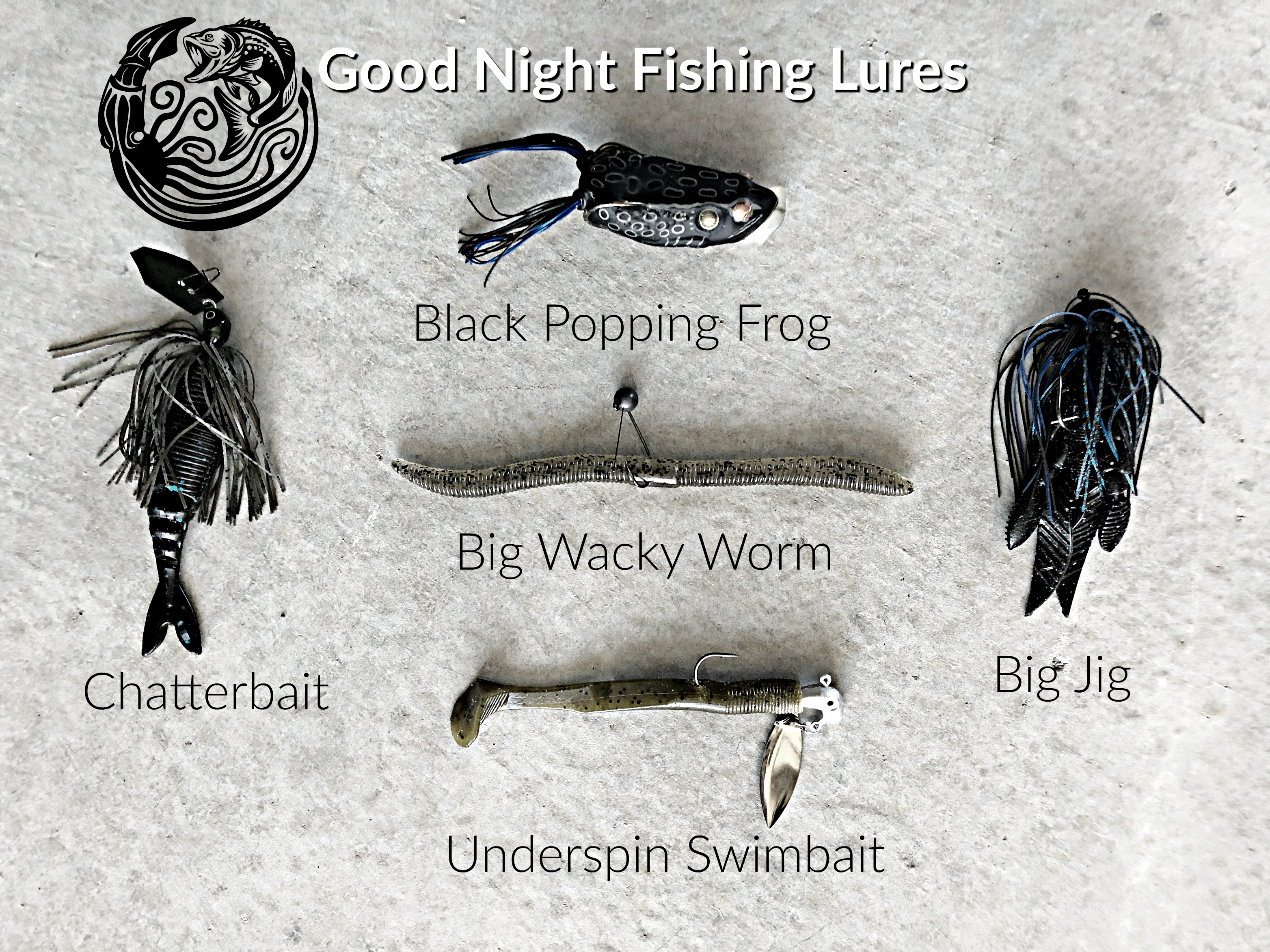
Topwater lures move along the surface, creating splashes and noise. These include poppers and buzzbaits. At night, the sound and movement attract fish that are hunting near the top. Predators like largemouth bass often strike surface lures in low light.
2. Spinnerbaits
Spinnerbaits have spinning blades that flash and vibrate. Even if fish cannot see the color, they feel the vibration and hear the noise. Slow-rolling a spinnerbait near the surface is a classic night fishing technique.
3. Jigs
Jigs can be tipped with live bait or soft plastics. Their slow, steady movement works well in the dark. Adding a rattle or scent makes them even more effective for species like walleye and catfish.
4. Soft Plastic Worms
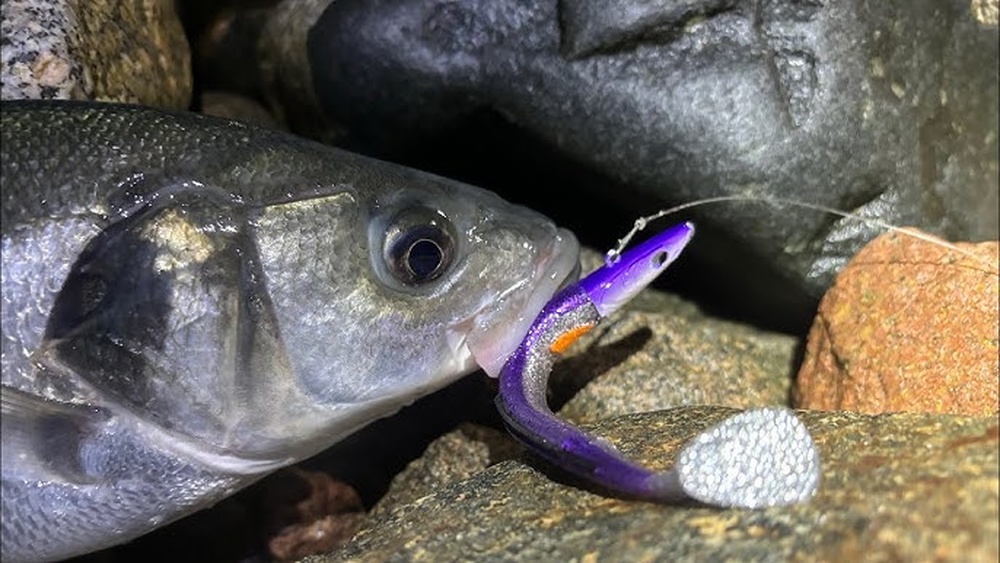
Soft plastic worms and grubs are good for night fishing, especially if fished slowly. Dark colors like black or purple create a strong outline that stands out against the night sky when viewed from below.
5. Crankbaits With Rattles
Crankbaits that make noise (rattling models) help fish locate them in darkness. Use steady, slow retrieves. Choose larger sizes so the sound travels farther.
6. Scented Lures
Some lures are made with strong scents. These are effective for species that hunt by smell, like catfish and some types of trout. Scented soft plastics or gels can be added to other lures.
7. Glow-in-the-dark Lures
Glow lures absorb light and shine underwater. They are useful in very dark water or for deep fishing. Some anglers charge them with a flashlight before casting.
When Night Lures Succeed (and When They Fail)
Fishing lures can work very well at night, but not always. Here are the main factors that affect your success:
Water Clarity
In clear water, fish can see silhouettes and movement better, so lures that move or make noise work well. In muddy or very dark water, lures with strong vibrations or scent are better.
Moonlight And Weather
Bright nights with a big moon help fish see lures. On cloudy or moonless nights, use lures that make more noise or glow. Some anglers plan their trips around the full moon for this reason.
Target Species
Not all fish are active at night. Catfish, walleye, and bass often hunt after dark. Other species, like bluegill or carp, are less likely to bite.
Water Temperature
In summer, fish move to shallow water at night to feed. In cold water, they may stay deeper and less active. Night lures work best in warm seasons.
Fishing Pressure
Popular lakes can be crowded during the day. At night, fish may be less cautious and more likely to bite lures.
Science Behind Night Fishing Lure Success
Studies show that fish senses change at night. The lateral line, which detects vibration, becomes more important. A 2018 research review found that bass use their lateral line 50% more during dark periods compared to daylight. Sound and vibration attract more strikes after sunset.
Color fades as light drops. In water deeper than three feet, most colors become shades of gray at night. That is why black or dark blue lures often work best—they make a clear outline against the sky.
Noise also matters. Underwater microphones show that fish respond quickly to rattles, blades, or splashes in low light. Scented lures have been proven to increase bites by up to 30% for catfish and other night feeders.
Here’s a simple comparison of how fish senses change between day and night:
| Sense | Daytime Importance | Nighttime Importance |
|---|---|---|
| Vision | High | Low |
| Vibration (Lateral Line) | Medium | Very High |
| Hearing | Medium | High |
| Smell | Low | High |
Credit: www.reddit.com
Best Practices For Night Lure Fishing
Night fishing is different from daytime. Here are some tips to help you succeed:
Use Slow, Steady Retrieves
Fish have more time to react at night but need help finding your lure. A slow retrieve lets them follow the vibration or sound.
Choose Lures That Make Noise
Lures with rattles, blades, or poppers catch more attention. Try different sounds to see what works best in your lake.
Go Dark With Color
Many anglers think bright colors are best, but at night, black or dark blue lures stand out better. They create a shadow that fish can see from below.
Fish Where There Is Structure
Fish gather near rocks, docks, logs, or weed lines at night. Cast close to these areas and work your lure slowly.
Use Scent
Adding scent to your lure helps fish find it. Scented sprays or gels are easy to use and can be found at most tackle shops.
Bring A Good Light
A headlamp with a red or green setting is best. Bright white lights can scare fish. Use lights only when needed to tie knots or land fish.
Stay Safe
Night fishing can be dangerous. Wear a life jacket, tell someone where you are going, and keep your phone charged. Bring extra batteries for your lights.
Try Different Depths
Fish may feed at different levels at night. Start shallow and move deeper if you do not get bites.
Comparing Popular Night Fishing Lures
Let’s compare some of the most popular night fishing lures for effectiveness, ease of use, and target species:
| Lure Type | Best For | Noise/Vibration | Effectiveness (1-5) | Ease of Use |
|---|---|---|---|---|
| Topwater (Poppers/Buzzbaits) | Bass, Pike | High | 5 | Medium |
| Spinnerbaits | Bass, Walleye | High | 4 | Easy |
| Jigs | Catfish, Walleye | Medium | 4 | Easy |
| Crankbaits (Rattling) | Bass, Pike | High | 4 | Medium |
| Soft Plastics | Bass, Walleye | Low | 3 | Easy |
| Glow Lures | Trout, Catfish | Low | 3 | Medium |
| Scented Lures | Catfish, Carp | Low | 4 | Easy |

Credit: www.tackletactics.com.au
Common Mistakes When Using Lures At Night
Even experienced anglers make mistakes when fishing with lures at night. Watch out for these problems:
- Using Fast Retrieves: Fish need more time to find your lure in the dark. Slow down for better results.
- Choosing Bright Colors: Bright lures can actually be less visible at night. Use dark colors for a stronger silhouette.
- Ignoring Structure: Fish hang around cover. Casting in open water rarely works at night.
- Not Using Scent or Sound: Silent or unscented lures are harder for fish to find.
- Fishing the Wrong Species: Not all fish feed at night. Focus on known night hunters.
- Overusing Lights: Too much light scares fish and ruins your night vision. Keep lights pointed away from the water.
- Not Checking Knots and Gear: It’s easy to make mistakes in the dark. Double-check everything before casting.
Real-world Examples Of Night Lure Fishing Success
Many anglers share stories of their biggest catches coming after dark. For example, in southern lakes, it’s common to catch largemouth bass over 5 pounds on spinnerbaits after midnight. In northern states, walleye are famous for biting jigs and crankbaits near rocky shorelines at night.
A 2022 survey of night anglers in the United States found that 63% of big catfish were caught using scented soft plastics or glow lures. On some rivers, local guides use only black topwater lures for bass after sunset, reporting higher strike rates than during the day.
One non-obvious tip is to try fishing during the first hour after sunset or right before sunrise. These times are known as the “magic hours” when fish are most active and likely to strike lures.
Special Considerations For Different Waters
Night fishing is not the same everywhere. Consider these points based on your local water:
Lakes
Lakes often have weed beds, docks, and rocky points. At night, bass and walleye move into shallow areas to feed. Use topwater and spinnerbaits around structure. In very clear lakes, moonlight can make a big difference.
Rivers
Current helps spread scent and sound. Fish near eddies, behind rocks, or close to the bank. Catfish and smallmouth bass are common night targets. Use jigs, scented baits, or glow lures in slower water.
Ponds
Smaller waters warm up quickly. Fish may be close to shore. Soft plastics and small spinnerbaits work well. Avoid lures that move too fast or make too much noise in small ponds.
Saltwater
Many saltwater predators, like snook or redfish, feed at night. Use large, noisy plugs or glow jigs near bridges and piers. Tides are very important—fish when water is moving.
Gear And Safety For Night Lure Fishing
Night fishing needs special gear for comfort and safety. Here’s what you should bring:
- Headlamp: Red or green light is best for tying knots without scaring fish.
- Reflective Clothing: Makes you visible to others, especially if boating.
- Backup Batteries: For all lights and electronic gear.
- Bug Spray: Mosquitoes are often worse at night.
- First Aid Kit: Always good to have in the dark.
- Pliers and Tools: Keep them handy for quick hook removal.
- Life Jacket: Wear it, especially when alone or in a boat.
- Phone/Radio: For emergencies; keep it dry and charged.
Night fishing is rewarding, but safety should come first. Always let someone know your location and expected return time.
Credit: krakenbass.com
How To Choose The Best Night Fishing Lure
Picking the right lure for night fishing depends on several factors. Consider these questions:
- What species am I targeting?
- How clear is the water?
- Is there moonlight or is it very dark?
- Am I fishing near rocks, weeds, or open water?
- Do I need a noisy, scented, or glowing lure?
Here’s a quick reference guide for the best lure choice:
| Condition | Lure Type | Color/Scent |
|---|---|---|
| Clear water, bright moon | Topwater, Spinnerbait | Black, Blue |
| Muddy water, no moon | Rattling Crankbait, Glow Jig | Glow, Scented |
| Shallow, weedy | Soft Plastic Worm, Buzzbait | Dark Green, Black |
| Deeper water | Jig, Rattling Crankbait | Dark, Scented |
| Targeting catfish | Scented Soft Plastic, Glow Lure | Scented, Glow |
Non-obvious Insights For Night Lure Fishing
- Sound Travels Farther at Night: Water is usually calmer after dark, so vibrations and noise from your lure carry farther. This means fish can detect your lure from a greater distance compared to daytime.
- Temperature Layers Shift: In summer, surface water cools quickly at night. Fish may move up to feed in the cooling layer, so fishing just below the surface can be more productive than expected.
- Scent Trails Last Longer: With less current and movement, scent from your lure spreads more slowly but stays longer, attracting fish over time.
- Don’t Ignore Small Fish: Sometimes, smaller fish are more active at night, especially in warm months. Downsizing your lure can bring more bites if big fish are slow.
Frequently Asked Questions
Do Fish Actually Feed More At Night?
Yes, many species like catfish, walleye, and bass feed more actively at night, especially during warm months. They hunt in shallow water, using senses other than sight.
What Is The Best Color Lure For Night Fishing?
Black, dark blue, or purple are best. These colors create a strong silhouette that fish can see against the night sky, even if other colors disappear.
Can I Use The Same Lures At Night As During The Day?
Some lures work both day and night, but noisy, vibrating, or scented lures are usually better at night. Slow retrieves and bigger profiles also help fish locate the lure.
Is It Safe To Fish With Lures At Night?
It can be very safe if you prepare. Use lights, wear a life jacket, and keep your gear organized. Always let someone know where you are going.
Do I Need Special Glow-in-the-dark Lures?
Glow lures help in very dark or deep water, but are not always necessary. Focus on lures that make noise or have scent. Glow can be an extra tool, not a must-have.
—
Fishing with lures at night opens up a new world for anglers. With the right approach, your chances of catching fish can be as good—or even better—than during the day. Remember, fish rely on sound, vibration, and scent after sunset. Choose the right lure for your conditions, use safe practices, and enjoy the calm and excitement of night fishing. For more on fish senses and night behavior, see the research at Wikipedia. Happy fishing!