
Fishing can look simple from the outside: a rod, a line, a hook, and a bit of patience. But anyone who’s spent real time on the water knows there are countless small details that make the difference between going home empty-handed and landing a catch to remember. One of the most important details is the fishing leader. While some beginners skip it, thinking it’s just “extra line,” experienced anglers know that the right leader can be the key to success—protecting your line, fooling wary fish, and handling sharp teeth or rough underwater terrain.
Understanding how to use a fishing leader will help you catch more fish, save money on tackle, and avoid many common frustrations. In this guide, you’ll discover what a leader is, why it matters, how to choose the right type, and step-by-step instructions for using it effectively in different fishing situations.
Along the way, you’ll learn tips and insights even many long-time anglers overlook.
What Is A Fishing Leader?
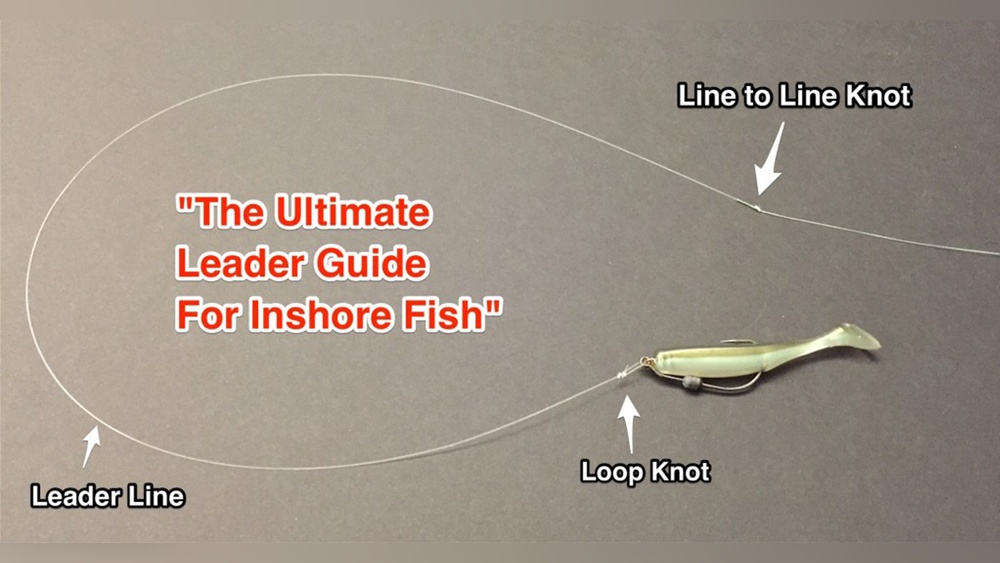
A fishing leader is a short length of fishing line attached between your main line and your hook, lure, or bait. Leaders are usually made from different materials than your main line and are chosen for their special properties, like being less visible, more abrasion-resistant, or tougher against sharp teeth.
Think of the leader as a “bodyguard” for your line. It takes the hits from rocks, shells, or fish mouths, so your main line stays safe. Leaders can be as short as a few inches or as long as several feet, depending on your fishing style and target species.
Main Types Of Fishing Leaders
There are three main types of leaders, each with unique advantages:
- Monofilament leader: Good all-around choice; stretches under pressure, which helps absorb shock.
- Fluorocarbon leader: Nearly invisible underwater; less stretch, sinks faster, very abrasion-resistant.
- Wire leader: Used for toothy fish like pike, barracuda, or sharks; resists being bitten through.
Choosing the right leader type is a crucial first step. More details on each type are covered later in this article.
Why Use A Fishing Leader?
Many beginners wonder if they really need a leader. After all, isn’t the main fishing line enough? In some situations, maybe. But in most cases, a leader offers several clear advantages:
- Abrasion resistance: Rocks, coral, shells, or a fish’s sharp mouth can easily cut standard fishing line. Leaders are built to handle this.
- Invisibility: Some leaders are hard for fish to see, especially in clear water. This means more bites.
- Bite protection: Tooth-filled mouths can slice through regular line. Wire leaders or heavy fluorocarbon help prevent this.
- Shock absorption: When a big fish strikes hard, a leader with some stretch can prevent your line from breaking.
Without a leader, you risk losing fish, lures, and time. A well-chosen leader helps you avoid these problems.
When Should You Use A Fishing Leader?
Not every fishing trip needs a leader, but in these situations, it’s highly recommended:
- Clear water fishing: Fish are easily spooked. Use a clear fluorocarbon leader.
- Fishing for toothy species: Pike, barracuda, bluefish, and some saltwater species require a wire or heavy fluorocarbon leader.
- Rocky or rough bottom: Monofilament or fluorocarbon leaders protect against abrasions.
- Using lures or bait that fish might inspect: A less visible leader means more strikes.
- Trolling or casting heavy lures: Leaders absorb shock from sudden strikes or snags.
Skipping the leader in these cases often leads to lost gear and missed catches.
How To Choose The Right Fishing Leader
Selecting the best leader involves several factors. Here’s what to consider:
1. Leader Material
Each material has pros and cons:
| Material | Best For | Main Advantage | Main Weakness |
|---|---|---|---|
| Monofilament | General use, topwater | Good stretch, easy knots | Visible in clear water |
| Fluorocarbon | Clear water, shy fish | Nearly invisible, abrasion resistance | Stiffer, can be pricey |
| Wire | Toothy fish (pike, shark) | Bite-proof | Very visible, stiff |
2. Leader Strength (pound Test)
The leader’s strength should match your fishing style and target species. For example:
- Light freshwater fish (trout, panfish): 4–8 lb test
- Bass or walleye: 10–20 lb test
- Saltwater inshore (redfish, snook): 20–40 lb test
- Toothy or big game fish: 40–100+ lb test
Going too heavy can reduce bites. Too light and you risk break-offs. Balance is key.
3. Leader Length
Typical lengths range from 12 inches to 4 feet. Shorter leaders are less visible and cast better. Longer leaders protect more line and work well in clearer water or with sharp-toothed fish.
A common setup:
- 12–24 inches for most freshwater fishing
- 24–48 inches for saltwater, especially when bottom fishing
4. Water Clarity
In clear water, choose fluorocarbon or thin monofilament. In murky water, visibility is less important, so abrasion resistance matters more.
5. Fishing Technique
Some techniques need special leaders:
- Fly fishing: Tapered leaders
- Lure fishing: Shock leaders for heavy strikes
- Live bait: Soft, flexible leaders for natural movement
6. Fish Species
If you’re targeting a species known for sharp teeth or rough mouths, upgrade your leader accordingly. Research your local fish before heading out.
How To Attach A Fishing Leader
Attaching a leader to your main line can be done in several ways. The method you choose depends on your gear and personal preference.
Using Knots
The most popular method is tying the leader to the main line using a strong knot. Here are some common knots:
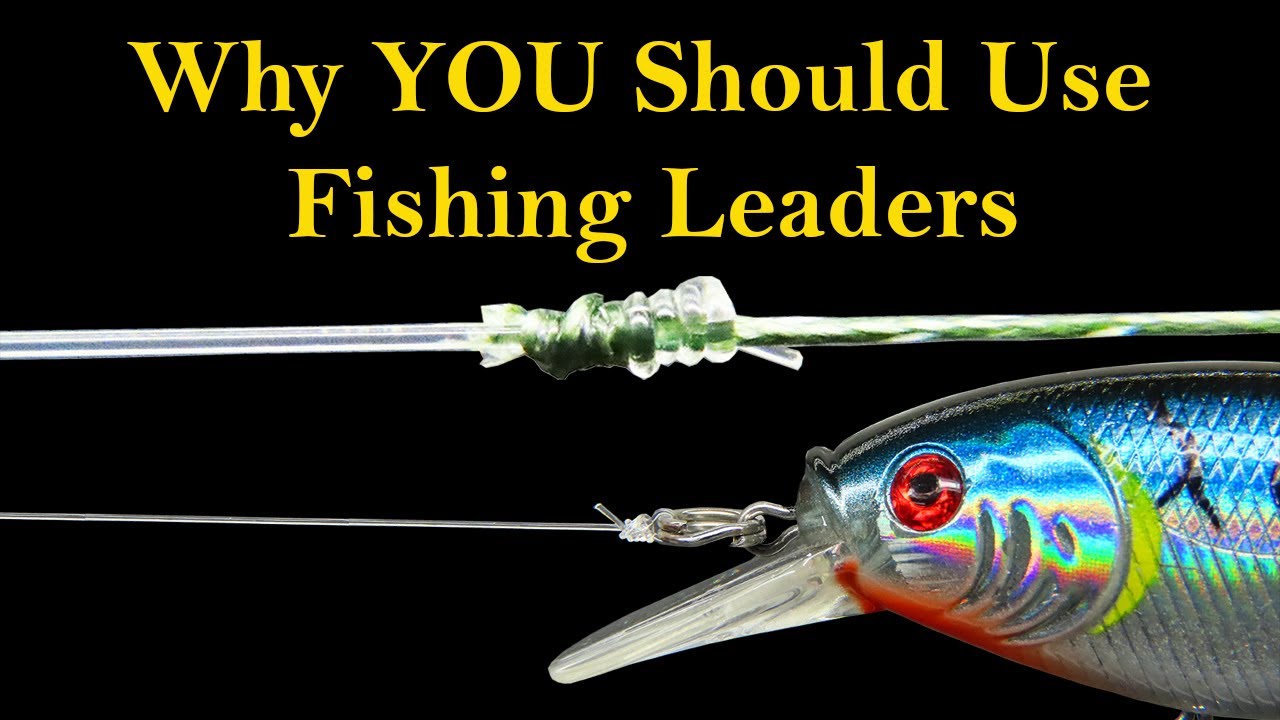
- Double Uni Knot: Reliable and easy to tie. Works well for joining lines of different diameters.
- Albright Knot: Good for connecting lines of very different sizes (like braid to mono or fluoro).
- Surgeon’s Knot: Quick and simple, especially for monofilament or fluorocarbon.
Let’s break down the Double Uni Knot, as it’s popular and beginner-friendly:
How to tie a Double Uni Knot:
- Overlap the end of your main line and leader by about 6 inches.
- With the main line, form a loop and make 4–6 wraps around both lines, passing through the loop each time.
- Pull the tag end to tighten.
- Repeat the process with the leader end, wrapping it 4–6 times around both lines.
- Pull both main lines to slide the knots together.
- Trim the tag ends close.
Using Swivels Or Snaps
Some anglers use small barrel swivels or snap swivels to join the leader and main line. This can make changing leaders or lures faster and helps prevent line twist, especially when using spinning lures.
The downside: Swivels can be more visible to fish and add a little weight to your setup.
Using Pre-tied Leaders
If tying knots feels intimidating, many shops sell pre-tied leaders with loops or snaps already attached. These are great for beginners and save time, but cost more per use.
Choosing Leader Knots: Strength And Visibility
The knot you use affects both strength and how visible your leader is to fish. For example, a bulky knot may spook fish in clear water, while a poorly tied knot can fail under pressure.
Here’s a quick comparison of common leader knots:
| Knot | Strength (%) | Best For | Notes |
|---|---|---|---|
| Double Uni Knot | ~90 | Most situations | Easy, reliable |
| Albright Knot | ~85 | Braid to mono/fluoro | Good for line size difference |
| FG Knot | ~95 | Braid to fluoro | Very slim, harder to tie |
| Surgeon’s Knot | ~80 | Mono to mono/fluoro | Quick, but bulkier |
Pro tip: Always wet your knots before pulling them tight. This reduces heat and friction, making the knot stronger and less likely to fail.

Credit: www.youtube.com
How To Use A Fishing Leader: Step-by-step
Using a fishing leader is more than just tying on an extra piece of line. Here’s how to do it properly:
1. Pick The Right Leader
Consider the water, the fish, and your method. For example, if fishing for bass in clear water, a 2-foot, 12-pound fluorocarbon leader is a common choice.
2. Measure And Cut
Cut your leader to the desired length with sharp scissors or line cutters. Avoid using teeth or rough tools, as these can weaken the line.
3. Tie To Main Line
Use one of the recommended knots (Double Uni is a good start). If using a swivel, tie one end of the leader to the swivel and the other to your lure/hook.
4. Tie To Hook, Lure, Or Bait
Use a strong knot, like the improved clinch or Palomar knot, to attach your terminal tackle.
5. Inspect Your Work
Check all knots for security. Pull hard to test them before you start fishing.
6. Monitor And Replace
After each fish or if you snag on rocks, check your leader for nicks or abrasion. Replace as needed. Many anglers lose fish because they don’t check their leader often enough.
7. Adjust As Needed
If you notice fish are “shy” or not biting, try using a thinner or longer leader.
Non-obvious insight: For braided main lines, always use a leader. Braid is visible underwater and has almost zero stretch. A leader adds invisibility and shock absorption.
Special Leader Setups For Different Fishing Styles
Different fishing techniques benefit from different leader setups. Let’s look at a few common examples.
Spinning And Baitcasting
For spinning reels and baitcasting, anglers often use braided main line for its strength and thin diameter. However, braid is highly visible underwater. Adding a 2–3 foot fluorocarbon leader combines the best of both worlds: strong casting with invisible presentation.
Fly Fishing
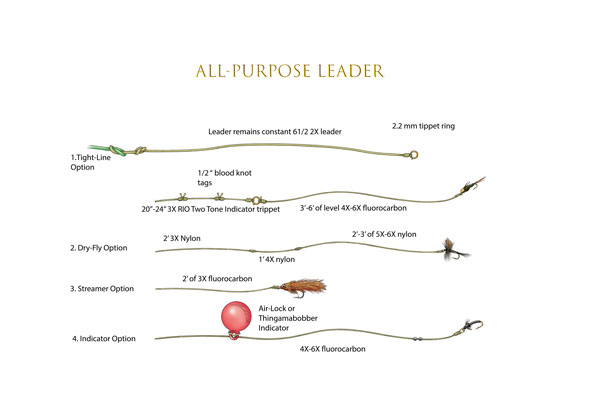
Fly fishing uses tapered leaders that start thick and end thin. This helps present the fly naturally. Most fly leaders are 7–12 feet long and made from monofilament or fluorocarbon.
Saltwater Fishing
Saltwater fish are often larger and more aggressive. Use heavier leaders (30–100+ lb test), and sometimes wire for toothy species. Shock leaders (short, very strong leaders) are used for surf casting or big game fishing to absorb powerful strikes.
Ice Fishing
For ice fishing, a short, thin fluorocarbon leader is common. Fish are often finicky in cold water, so invisibility is important.
Live Bait Fishing
When using live bait, a soft, flexible leader allows the bait to move naturally. Too stiff a leader can make the bait look unnatural and reduce strikes.
Credit: www.youtube.com
Common Mistakes When Using A Fishing Leader
Even experienced anglers sometimes make simple mistakes with their leaders. Avoid these to improve your success:
- Using a leader that’s too visible: Heavy or colored leaders can scare fish in clear water.
- Choosing the wrong length: Too short and you lose protection; too long and casting suffers.
- Poor knots: Weak or bulky knots break or scare fish.
- Ignoring abrasion: Failing to check for nicks can cost you fish.
- Overkill: Using a wire leader when not needed can reduce bites.
- Not matching leader to lure size: Heavy leaders can kill the action of small lures.
Non-obvious insight: In extremely clear water, some top anglers use a leader that’s several feet long—even up to 8 feet—to maximize stealth. This can be awkward to cast but makes a difference with wary fish.
Tips For Maximizing Leader Performance
- Change leaders often: Don’t be afraid to cut off and replace a leader after a few fish or snags.
- Use a leader wallet: Store pre-tied leaders in a small wallet or pouch to save time on the water.
- Try tinted leaders: Some companies offer lightly tinted fluorocarbon or monofilament to match water color for added stealth.
- Double up for surf fishing: Some surf anglers use two leaders in series: a short, thick shock leader, followed by a thinner, longer stealth leader.
Real-world Example: Leader In Action
Imagine you’re fishing for snook in Florida, known for sharp gill plates and clear water. Most anglers use 20–40 lb fluorocarbon leaders attached to braided main line. The leader protects against abrasions and is nearly invisible. Skipping the leader leads to frequent line breaks, while the right leader increases landed fish dramatically.
On the other hand, when fishing for northern pike in Canada, anglers switch to wire leaders to prevent bite-offs. Using only monofilament here means losing lures and fish.
Data: Leader Use And Catch Rates
A study by In-Fisherman magazine found that using a fluorocarbon leader in clear water increased catch rates for bass by over 25% compared to fishing with no leader or only monofilament main line. This shows the real impact a well-chosen leader can make.
For more in-depth technical information on leader materials and their properties, see this Wikipedia article on fishing line.
Credit: www.flyfisherman.com
Frequently Asked Questions
What Length Of Fishing Leader Should I Use?
Most anglers use a leader between 12 inches and 4 feet.