Fly fishing is more than just a way to catch fish—it’s a skill, a tradition, and for many, a peaceful escape into nature. Learning how to cast in fly fishing can feel confusing at first, especially if you’re used to other fishing styles. Unlike spinning or baitcasting, fly fishing uses the weight of the line, not the lure, to deliver the fly to your target. This unique technique requires practice, patience, and a bit of guidance. Whether you dream of catching trout in a mountain stream or simply want to master a new outdoor skill, understanding how to cast in fly fishing is the first step toward success.
Understanding Fly Fishing Gear
Before you start casting, it’s important to know the basic gear used in fly fishing. Each piece plays a key role in making your cast work smoothly.
The Fly Rod
The fly rod is longer and more flexible than most fishing rods. Most are between 7 and 10 feet long. The rod’s action (how much it bends) affects your casting style. Fast action rods bend less and cast farther, while slow action rods bend more and offer better control at short distances.
The Fly Reel
The fly reel holds the line and helps you manage it during casting and when reeling in a fish. For beginners, a simple, sturdy reel with a smooth drag system is best.
The Fly Line
This is one of the biggest differences from other fishing types. The fly line is thick and heavy, which lets you cast a nearly weightless fly. There are different types: floating, sinking, and intermediate lines. Most beginners start with a floating line because it’s easier to see and control.
Backing And Leader
Backing is a thin, strong line that goes on the reel first. It gives you extra length if a fish runs far. The leader is a clear line attached to the end of the fly line, usually 7-12 feet. It helps the fly land gently.
The Fly
Flies are artificial lures made to look like insects or small fish. They come in many styles, but for casting practice, a simple dry fly or even a small piece of yarn will do.
Essential Accessories
Some accessories can make your experience easier:
- Polarized sunglasses: Reduce glare and protect your eyes
- Hat: Offers sun protection and improves visibility
- Waders: Keep you dry when fishing in streams or rivers
- Fly box: Holds your flies
The Basics Of Fly Casting
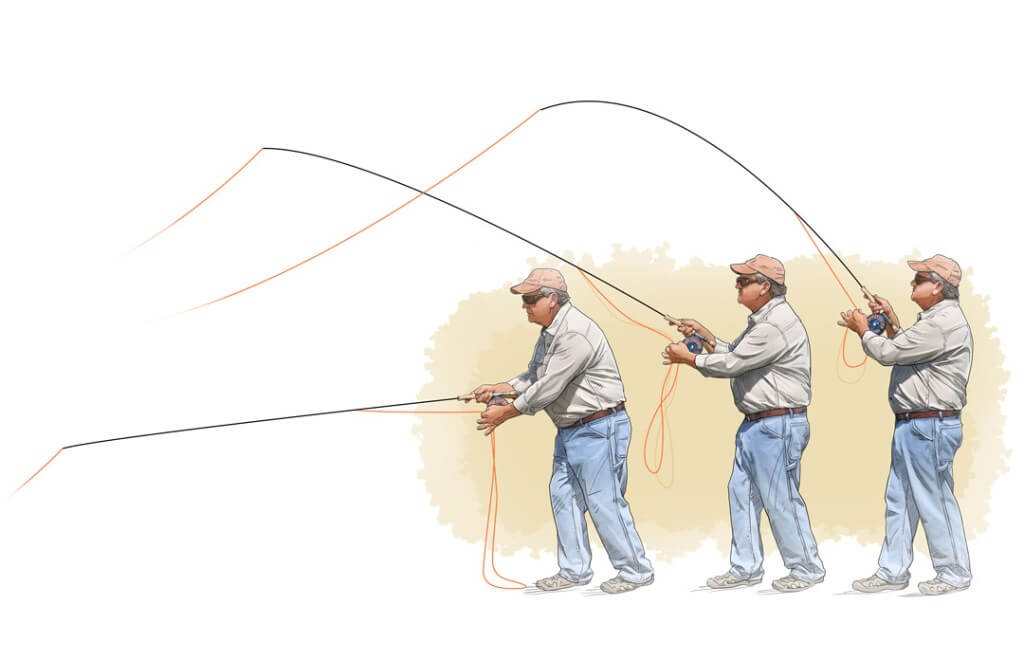
Fly casting is about moving the rod in a smooth, controlled way to “load” the rod with energy, then release that energy to send the line and fly forward. Unlike other fishing styles, your wrist and arm motion play a bigger role.
The Casting Stroke
The casting stroke is the motion you use to move the rod. Think of it like hammering a nail in the air: a straight, controlled movement backward and forward.
Line Control
Fly casting requires you to control the line with your non-dominant hand. This hand pulls or “strips” the line in and out as you cast or retrieve.
Timing
Timing is crucial. You need to pause at the end of your backward and forward strokes to let the line straighten. If you rush, the line piles up or tangles.
Step-by-step: How To Cast A Fly Rod
Let’s break down the basic overhead cast, which is the foundation for most fly fishing techniques. Practice these steps in an open area, free from trees or obstacles.
1. Grip The Rod Correctly
Hold the rod with your thumb on top of the handle, pointing forward. Your grip should be firm but relaxed. Avoid squeezing too tightly, as this can tire your hand and make your movements stiff.
2. Pull Out The Right Amount Of Line
Start with 10-15 feet of line outside the rod tip. Pull it out with your non-dominant hand and let it rest on the ground or water in front of you.
3. The Back Cast
Lift the rod smoothly, keeping your elbow close to your body. Raise the rod tip until it’s at about eye level, then flick your wrist slightly to send the line back. Pause for a split second, letting the line straighten behind you.
4. The Forward Cast
Once the line is straight behind, move the rod forward in a straight line. Accelerate smoothly, stopping the rod at about the 10 o’clock position (imagine a clock face). This sends the line and fly forward.
5. Let The Line Settle
As the line unrolls in front, lower the rod tip gently. Let the fly settle on the water or ground. This is called the presentation—a soft landing is key for not scaring fish.
6. Practice The Rhythm
Casting is about timing and smoothness. It’s not about force. Practice the motion until you can do it without thinking. Start slow, then build up speed as you gain control.
Common Fly Casting Mistakes (and How To Fix Them)
Even experienced anglers struggle with casting errors. Here are some of the most common mistakes and how you can avoid them.
- Breaking the Wrist Too Much: If your wrist bends too much during the cast, the rod loses power and accuracy. Keep your wrist firm and move your whole arm.
- Not Pausing Long Enough: If you start the forward cast before the line is straight behind you, the line will tangle. Wait for the “tug” when the line is fully extended, then cast forward.
- Casting Too Hard: Power comes from technique, not strength. Casting too hard causes the line to whip and the fly to land poorly.
- Too Much Slack: Keep the line tight between your hand and the rod tip. Slack reduces accuracy and control.
- Poor Aim: Your cast should move in a straight line, not in a wide arc. Picture painting a straight line in the air with your rod tip.
Credit: www.epicflyrods.com
Variations On The Basic Cast
Once you’re comfortable with the overhead cast, there are other casts you should learn. Each has a unique use, especially when fishing in tricky spots.
The Roll Cast
The roll cast is perfect when there’s no room behind you for a back cast, like when you’re close to trees or bushes. To do it, let some line rest on the water in front of you. Lift the rod slowly, keeping the line in contact with the water. When the rod is upright, flick it forward. The line will “roll” out in front.
The Sidearm Cast
This cast is useful for casting under overhanging branches. Hold the rod sideways, parallel to the water, and make the same casting motion as the overhead cast.
The Double Haul
The double haul is an advanced technique for longer casts and windy conditions. As you make the casting stroke, use your non-dominant hand to pull (haul) the line sharply downward. Do this on both the back and forward casts. This increases line speed and distance.
The Reach Cast
The reach cast is used to position your line for a better drift in moving water. After your forward cast, reach your rod to the side before the line lands. This puts slack in the line and helps your fly float naturally.
How To Practice Your Fly Cast
Practice is essential for building muscle memory and confidence. Here’s how you can make the most of your time:
Practice On Grass
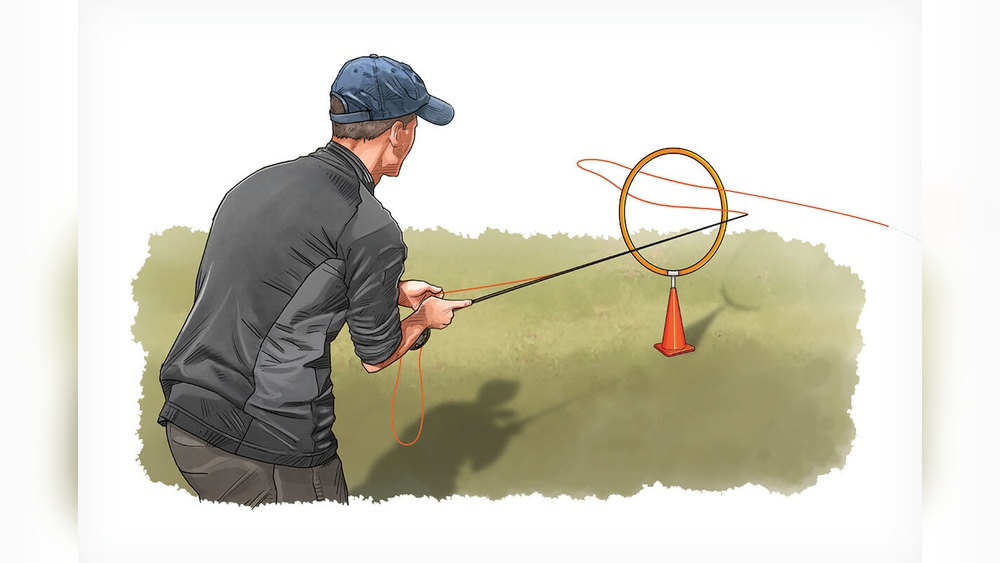
Use a small piece of yarn instead of a fly and practice in your backyard or a park. Lay out targets (like hoops or plates) at different distances and try to land your “fly” in them.
Focus On Short Distances
Most fish are caught within 30 feet. Practice making accurate, gentle casts at short range before trying for distance.
Video Yourself
Recording your practice sessions can help you spot mistakes, like poor timing or wrist movement.
Join A Local Club
Many areas have fly fishing clubs that offer casting clinics or group practice sessions. Learning with others can speed up your progress.

Credit: wesportfish.com
Reading The Water And Casting With Purpose
Knowing where to cast is as important as how to cast. Fish often hide in certain spots, so aim your casts where fish are likely to be.
- Behind rocks: Fish use rocks to hide from currents and predators.
- Under overhanging trees: Shade attracts fish, especially on hot days.
- Seams: Where fast and slow water meet, fish can hold in slower water and grab food from the current.
When you spot a likely area, approach quietly and make your casts upstream or across from your target. Let the fly drift naturally with the current.
Environmental Factors Affecting Casting
Wind, water conditions, and obstacles all play a role in how well you can cast.
Wind
Casting into the wind is tough. Use a tighter casting loop and a faster stroke. Sidearm casts help keep the line low, out of the wind.
Water Clarity
Clear water means fish are more easily spooked. Make longer, softer casts and use lighter leaders.
Obstacles
Trees, rocks, and bushes can snag your line. Adapt your cast—use roll casts or sidearm casts to avoid getting caught.
Comparing Fly Rod Actions
Choosing the right rod action can improve your casting. Here’s a quick comparison:
| Rod Action | Bend Amount | Best For | Drawbacks |
|---|---|---|---|
| Fast | Minimal | Long casts, windy days | Harder for beginners, less control up close |
| Medium | Moderate | All-around use | Not the best for extreme distance or accuracy |
| Slow | Maximum | Short casts, delicate presentation | Limited distance, less power |
Fly Line Types And Their Uses
Selecting the right fly line type makes casting easier in different situations:
| Line Type | Floats or Sinks? | Best Use | Beginner Friendly? |
|---|---|---|---|
| Floating | Floats | Most surface and shallow fishing | Yes |
| Sinking | Sinks | Deep water, fast rivers | No |
| Intermediate | Slow sink | Mid-depth fishing | Somewhat |

Credit: riverbum.com
Top Tips For Better Fly Casting
Improving your cast doesn’t have to be complicated. Here are some expert tips:
- Watch your rod tip: Keep your eye on the rod tip when learning. It should move in a straight line.
- Use your whole arm: Casting is not just wrist flicking. Your forearm and shoulder should move together.
- Adjust for distance: For short casts, use a shorter stroke. For long casts, lengthen your stroke and increase speed.
- Stay relaxed: Tension in your body leads to poor casts. Breathe and keep your grip gentle.
- Practice accuracy: Hitting a small target is more valuable than casting far.
Fly Fishing Vs. Other Casting Methods
Fly casting is unique. Here’s how it compares to other common fishing styles:
| Feature | Fly Fishing | Spin Casting | Baitcasting |
|---|---|---|---|
| Uses line weight to cast | Yes | No | No |
| Lure/bait weight needed | No | Yes | Yes |
| Best for | Light flies, small fish | All-around | Larger lures, heavy cover |
| Learning curve | Steep | Gentle | Moderate |
Two Non-obvious Insights For Beginners
Many newcomers overlook these helpful ideas:
- Practice with a Shorter Leader: Beginners often use a long leader, which makes casting harder. Start with a 7-foot leader to build confidence, then move to longer leaders as you improve.
- Casting from Your Non-Dominant Side: If wind or obstacles are a problem, try casting with your non-dominant hand leading. It feels strange at first, but it can save the day when the wind is blowing into your casting arm.
Building Confidence On The Water
Your first trips to the water will likely be challenging. Don’t worry if your casts don’t look perfect. Focus on accuracy and presentation rather than distance. Fish are often closer to the bank than you think. Remember, every angler started as a beginner. With patience, your casts will get smoother, longer, and more accurate.
Frequently Asked Questions
What Is The Best Fly Rod Length For Beginners?
A rod between 8.5 and 9 feet is ideal for most beginners. It offers a good balance of control, distance, and versatility for different fishing situations.
How Far Should I Be Able To Cast As A Beginner?
Most fish are caught within 30 feet. If you can cast accurately to 30–40 feet, you’re doing well. Focus on accuracy rather than distance.
Why Does My Fly Line Keep Tangling?
Tangles often happen because of poor timing or too much slack in the line. Make sure the line is straight behind you before starting your forward cast, and keep tension between your hand and the rod tip.
How Do I Cast In Windy Conditions?
Use a sidearm cast to keep your line low. Speed up your casting stroke and use a tighter loop. If the wind is strong, try casting with your non-dominant hand leading.
Where Can I Learn More About Fly Casting Techniques?
Many resources are available online and in print. A great place to start is the **Orvis Fly Fishing