Is Fishing Exercise? A Deep Dive into the Physical and Mental Benefits
Fishing is one of the oldest human activities, connecting us to nature and tradition. But is fishing truly exercise, or is it simply a relaxing pastime? Many people think of exercise as running, cycling, or lifting weights. Fishing, on the other hand, often brings to mind images of people sitting quietly by the water. However, the truth is more complex. Fishing can be both a gentle and vigorous physical activity, depending on the style, location, and how you approach it. In this article, we’ll explore whether fishing counts as exercise, examine its physical and mental benefits, compare it to other sports, and share insights that even seasoned anglers may not know.
What Counts As Exercise?
To answer the main question, we first need to define exercise. According to the Centers for Disease Control and Prevention (CDC), exercise is any activity that gets your body moving, burns calories, and improves health. This can include aerobic activities like walking or swimming, as well as muscle-strengthening activities such as carrying groceries or working in the yard.
Exercise is generally divided into two main types:
- Aerobic (cardio): Activities that raise your heart rate and breathing, like brisk walking or cycling.
- Strength training: Activities that make your muscles work harder, such as lifting weights or doing push-ups.
Fishing can fit into both of these categories, depending on the method and effort involved.
Physical Demands Of Different Fishing Styles
Not all fishing is the same. Some methods are very passive, while others are physically demanding. Understanding the differences helps clarify if fishing is exercise.
Bank Fishing
Bank fishing involves standing or sitting along the shore and casting a line. While this may seem easy, it often includes:
- Walking to and from fishing spots
- Carrying gear like rods, tackle boxes, and coolers
- Repeatedly casting and reeling in
For some, especially on uneven terrain, this can get the heart pumping and work various muscle groups.
Fly Fishing
Fly fishing is one of the most active forms. Anglers are often wading in rivers, moving against the current, and making hundreds of casts in a single day. This style works the shoulders, arms, core, and legs.
Deep-sea Fishing
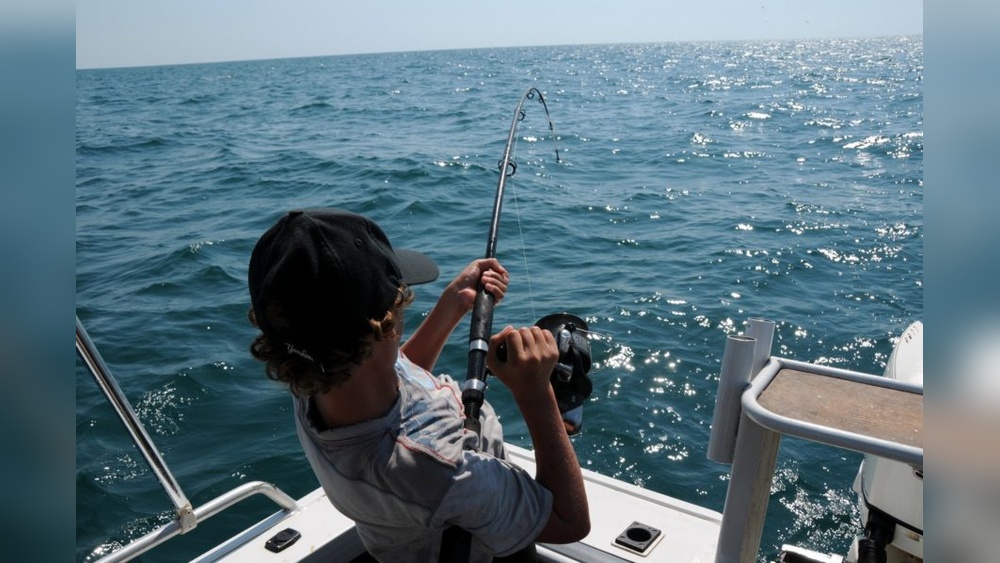
Deep-sea fishing can be very strenuous. Reeling in a large fish from deep water requires upper body strength and stamina. Balancing on a moving boat also works the legs and core.
Ice Fishing
Ice fishing combines walking on ice, drilling holes, and sometimes pulling sleds with gear. While the fishing itself is stationary, the setup and environment add physical challenges.
Kayak And Canoe Fishing
Fishing from a kayak or canoe adds paddling to the mix. Paddling for hours is a full-body workout, especially for the arms, shoulders, and core.
Comparing Fishing Styles By Physical Intensity
Here’s a visual comparison showing how different fishing styles stack up for physical activity.
| Fishing Style | Physical Intensity | Main Muscles Used |
|---|---|---|
| Bank Fishing | Low to Moderate | Legs, Arms, Back |
| Fly Fishing | Moderate to High | Shoulders, Arms, Core |
| Deep-Sea Fishing | High | Arms, Back, Core |
| Ice Fishing | Low to Moderate | Legs, Back, Arms |
| Kayak/Canoe Fishing | High | Arms, Shoulders, Core, Legs |
Calories Burned During Fishing
Many people want to know if fishing helps with weight loss or calorie burning. The answer depends on several factors: fishing style, duration, your body weight, and how active you are.
According to Harvard Medical School, a person weighing 155 pounds burns about:
- 149 calories per hour fishing while sitting
- 186 calories per hour fishing while standing
- 223+ calories per hour for more active forms like fly fishing or wading
These numbers are similar to walking at a moderate pace. More intense fishing activities, like paddling or reeling in large fish, can burn even more calories.
Here’s a quick comparison of calories burned per hour for different activities (155-pound person):
| Activity | Calories Burned/Hour |
|---|---|
| Sitting & Fishing | 149 |
| Standing & Fishing | 186 |
| Fly Fishing | 223 |
| Walking (3.5 mph) | 267 |
| Paddling (Kayak) | 298 |
Key insight: Even when it feels relaxing, fishing can burn more calories than many people expect—especially over a full day.
Strength And Flexibility Benefits
Fishing uses more muscles than you might think. Whether you are casting, reeling, paddling, or even just balancing on uneven ground, your body is working.
Upper Body Strength
- Casting and reeling: These movements work your shoulders, arms, wrists, and hands. Reeling in a big fish can be especially taxing, often engaging your back and core.
- Lifting gear: Transporting coolers, bait buckets, or even pulling a kayak adds resistance, building strength over time.
Balance And Core Stability
- Standing on rocks or boats: This requires constant micro-adjustments from your legs and core to stay upright.
- Wading: Walking against currents builds leg and core strength, and improves balance.
Flexibility And Range Of Motion
- Casting movements: The repetitive, controlled motion helps keep your shoulders and arms flexible.
- Bending and reaching: Setting up gear, baiting hooks, and landing fish all require a range of motion.
Non-obvious insight: Regular fishing, especially styles involving walking and casting, can help maintain joint mobility as you age. This is something many anglers notice over years of practice.

Credit: fishingbooker.com
Cardiovascular Health
Fishing may not seem like a traditional cardio workout, but it can improve heart health, especially with more active styles.
Walking And Wading
Walking along riverbanks or wading in streams is a low-impact form of aerobic exercise. Over hours, it can add up, helping to lower blood pressure and improve circulation.
Paddling
Kayak or canoe fishing is even more demanding. Paddling raises your heart rate and can be as effective as rowing or swimming for cardiovascular health.
Stress Relief
Fishing often takes place in peaceful, natural settings. The calming effect of nature, combined with gentle physical activity, can help reduce stress hormones. Lower stress is linked to better heart health.
A study published in the journal *Environmental Science & Technology* found that even five minutes of outdoor activity in a green space can improve mood and self-esteem.
Mental And Emotional Benefits
Many people overlook the mental health benefits of fishing. While not a direct form of exercise, these positives are just as important for overall well-being.
Mindfulness And Relaxation
Fishing encourages you to slow down, focus on the present, and enjoy your surroundings. This mindful state can help reduce anxiety and combat depression.
Social Connection
Fishing can be a social activity. Spending time with friends or family outdoors boosts mood and strengthens relationships. Even solo fishing can reduce feelings of isolation.
Problem-solving And Focus
Fishing requires patience, observation, and strategy. Choosing the right bait, reading water conditions, and adapting to changing weather all keep your mind engaged.
Non-obvious insight: The problem-solving aspect of fishing can be especially helpful for older adults, keeping the mind sharp and aiding in cognitive health.
Fishing Vs. Traditional Exercise
To better understand if fishing counts as exercise, it helps to compare it with more traditional forms.
| Activity | Physical Effort | Mental Benefits | Suitability for All Ages |
|---|---|---|---|
| Fishing | Low to High (varies by style) | High (mindfulness, stress relief) | Excellent |
| Walking | Low to Moderate | Moderate | Excellent |
| Jogging | Moderate to High | Moderate | Good (with limitations) |
| Cycling | Moderate to High | Moderate | Good |
| Swimming | High | High | Good |
Fishing stands out for its mental and social benefits, and for being accessible to people of all fitness levels.
How To Make Fishing More Physically Active
If you want to use fishing as a form of exercise, you can make small changes to boost the benefits.
- Walk to your fishing spot instead of driving close.
- Try wading or hiking along rivers for fly fishing.
- Carry your own gear instead of using carts or vehicles.
- Paddle a kayak or canoe to reach remote spots.
- Practice active casting: Use longer rods or heavier lures for more resistance.
- Stretch before and after: This helps prevent injury and increases flexibility.
These small adjustments can turn a relaxing fishing trip into a moderate workout.

Credit: www.indystar.com
Risks And Safety Considerations
While fishing is generally safe, there are some risks, especially with more active styles.
Overuse Injuries
Repetitive motions, like casting or reeling, can cause strain in the shoulders, elbows, or wrists. It’s important to use proper technique, take breaks, and stretch.
Weather And Environmental Hazards
Fishing often takes place outdoors, sometimes in extreme weather. Sunburn, dehydration, insect bites, or slipping on rocks are all possible risks.
Water Safety
If fishing on a boat or near deep water, always wear a life jacket. Cold water and changing currents can be dangerous, even for experienced anglers.
Lifting Heavy Fish Or Gear
Improper lifting can cause back injuries. Use your legs and keep your back straight when moving coolers or landing big fish.
Tip: Start slow if you’re new to fishing or returning after a break. Listen to your body, and don’t push through pain.
Who Should Consider Fishing As Exercise?
Fishing is suitable for a wide range of people, including:
- Older adults: Gentle on joints, easy to modify intensity
- People recovering from injury: Can be low impact and adaptable
- Families: Great for children and parents to enjoy together
- People with limited mobility: Many accessible fishing spots exist
For those who find running or team sports difficult, fishing is a real alternative that provides both physical and mental health benefits.
Research And Expert Opinions
Studies and health organizations recognize fishing as a form of physical activity, especially when it involves walking, paddling, or wading.
For example, the British Heart Foundation includes fishing in its list of recommended activities for heart health. The World Health Organization encourages outdoor recreation as part of a healthy lifestyle.
A study in the *Journal of Environmental Psychology* found that recreational fishing supports psychological well-being, lowers stress, and increases overall satisfaction with life.
For more data and research, see this Wikipedia page on the health benefits of fishing.
Two Surprising Insights Most Beginners Miss
- Fishing can improve grip strength significantly. Many beginners don’t realize how much gripping, holding, and pulling is involved, especially when landing larger fish. Over time, this can help with daily tasks like opening jars or carrying groceries.
- Fishing teaches patience and resilience. The need to wait, adapt, and sometimes face failure (empty hooks!) Builds mental toughness. This is a real-life skill that translates far beyond the water.

Credit: www.jonesday.com
Final Thoughts: Is Fishing Really Exercise?
So, is fishing exercise? The answer is yes—but with some nuance. Fishing can range from a light, relaxing activity to a vigorous, full-body workout. The physical demands depend on the style, intensity, and your personal effort. Even gentle fishing can provide health benefits, especially when combined with time outdoors and stress relief.
If you want more exercise from fishing, choose active styles, walk more, and use your body. If you need a low-impact start to fitness, fishing is an excellent choice. The best part? You don’t have to give up the joy and calm that makes fishing special. It’s a unique blend of physical activity, nature, and mindfulness—a combination that few other sports can offer.
Frequently Asked Questions
Does Fishing Help You Lose Weight?
Fishing can help with weight loss, especially if you choose more active styles (like wading, paddling, or fly fishing) and spend several hours outdoors. The key is consistency and combining fishing with other healthy habits, such as a balanced diet and regular movement.
Is Fishing Good For Seniors Or People With Limited Mobility?
Yes. Fishing is one of the most accessible outdoor activities. Many fishing spots are designed for people with disabilities or limited mobility. You can adjust the physical demands to match your abilities, making it ideal for seniors.
How Does Fishing Compare To Walking For Exercise?
Fishing and walking are similar in calorie burn if you are standing or moving while fishing. Active fishing styles (like fly fishing or kayak fishing) can burn even more calories than casual walking. Both activities are good for heart health and can be enjoyed at your own pace.