
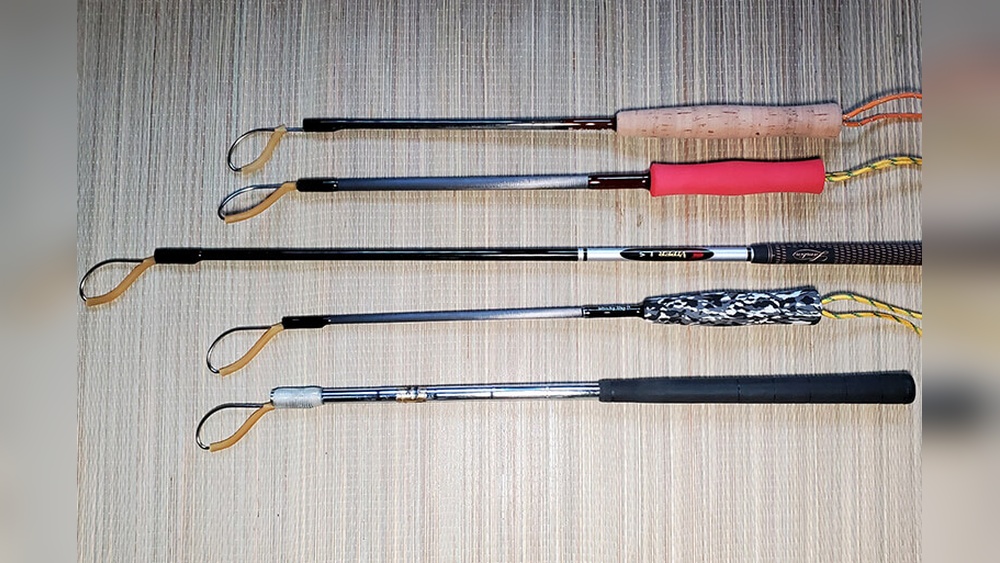
Making your own fishing gaff is a rewarding project for any angler. Not only can you customize it to fit your fishing style, but you also learn more about your gear and what works best for your local waters. For many, a fishing gaff is a tool that means the difference between landing a prize fish and watching it swim away.
With some basic tools, a few materials, and a little patience, you can build a sturdy and reliable gaff that serves you for years. This guide will show you step by step how to make a fishing gaff, share tips that most beginners miss, and help you avoid common mistakes.
What Is A Fishing Gaff?
A fishing gaff is a tool used by anglers to help land large fish. It is basically a pole with a sharp hook at one end. When a fish is too big to lift with a rod alone, the gaff is used to secure the fish and pull it onto the boat or shore. Gaffs come in different sizes, shapes, and materials, but all share the same basic purpose.
Gaffs are especially important for saltwater and big game fishing. While they’re not always allowed in catch-and-release situations, they are essential for landing fish that will be kept for food. Understanding what a gaff is and when to use it is the first step in making one that fits your needs.
Why Make Your Own Fishing Gaff?
Building your own fishing gaff can seem like extra work when store-bought options are available. However, there are several reasons why many anglers choose to make their own:
- Customization: You can choose the exact length, hook size, and grip to fit your style and target species.
- Cost Savings: Homemade gaffs can be cheaper than buying a high-quality model from a store.
- Learning Experience: Making your own gear gives you a better understanding of how it works and how to repair it.
- Pride of Craftsmanship: There’s a unique satisfaction in landing a trophy fish with a tool you made yourself.
Many anglers also find that store-bought gaffs sometimes lack the balance, grip, or hook design they want. By making your own, you solve these issues directly.
Types Of Fishing Gaffs
Before you start building, it’s important to know the main types of fishing gaffs. Different designs suit different fishing situations.
| Type | Main Use | Typical Length | Hook Style |
|---|---|---|---|
| Hand Gaff | Small to medium fish, close range | 1-2 feet | Short, wide hook |
| Pole Gaff | Larger fish, deeper water | 3-8 feet | Longer, curved hook |
| Flying Gaff | Very large fish (marlin, tuna) | Varies | Detachable hook with rope |
Most anglers start with a pole gaff because it’s versatile and suits both boat and shore fishing.
Tools And Materials Needed
Gathering the right materials is key to building a strong, reliable gaff. Here’s what you will need for a standard pole gaff:
- Handle/Pole: Fiberglass, aluminum, strong wood (like oak or hickory), or even a sturdy broom handle.
- Hook: Stainless steel rod (3/8″ or 1/2″ diameter works well), or a pre-made gaff hook.
- Epoxy or Marine-Grade Glue: For attaching the hook to the handle.
- Wrapping Thread or Heavy Cord: To reinforce the connection.
- Heat-Shrink Tubing or Non-Slip Tape: For the grip.
- Drill with Bits: To make holes for the hook.
- Bench Vise and Pliers: For bending the hook.
- File or Grinder: To sharpen the point.
- Saw (if cutting handle to size)
- Sandpaper: For smoothing rough edges.
- Protective Gear: Gloves and safety glasses.
Optional:
- Stainless steel screws or bolts for extra strength at the joint.
- Rubber end cap to protect the butt of the handle.

Credit: www.youtube.com
Choosing The Right Size And Materials
The size and materials of your fishing gaff affect its performance and safety. Here’s what to consider:
Handle Length
- Boat Fishing: 3 to 5 feet is common. Shorter gaffs are easier to handle in cramped spaces.
- Shore Fishing: 5 to 8 feet helps reach fish in the surf or off rocks.
- Species Targeted: For big fish (over 20 lbs), a longer, stronger pole is better.
Handle Material
- Fiberglass: Lightweight, strong, doesn’t rot. Slightly more expensive.
- Aluminum: Very strong and light, but can be slippery when wet.
- Wood: Classic look, good grip, can be heavy if not properly chosen.
Hook Size And Material
- Stainless Steel: Resists corrosion, strong, holds a sharp point.
- Diameter: 3/8″ for smaller species, 1/2″ for large fish.
- Hook Gap: 2–3 inches for most saltwater fish.
| Handle Material | Weight | Durability | Cost |
|---|---|---|---|
| Fiberglass | Light | High | Medium |
| Aluminum | Very Light | High | High |
| Wood | Heavy | Medium | Low |
Pro Tip: Beginners often overlook the balance between handle length and hook size. A long pole with a small hook can break, while a big hook on a short pole is hard to control.
Making The Gaff Hook
Making a strong, sharp hook is the most important part of building your fishing gaff.
Step 1: Selecting The Hook Material
Choose a stainless steel rod. For most fishing, a 3/8″ or 1/2″ diameter works well. Stainless steel is best because it resists rust and holds its shape under pressure.
Step 2: Bending The Hook
- Measure about 10–12 inches from one end of the rod. This will be the length of the hook.
- Secure the rod in a bench vise.
- Use a pipe or strong pliers to bend the rod into a smooth, tight curve. Aim for a hook gap (the distance from the point to the shank) of 2–3 inches.
- Leave a straight “tail” (about 3–5 inches) to insert into the handle.
Key Insight: Heat the rod with a torch before bending if it is very thick. This prevents cracks and makes bending easier.
Step 3: Sharpening The Point
Use a file or grinder to shape a sharp, slightly barbed point at the end of the hook. Don’t over-sharpen—it should pierce fish skin, but not be so fine that it bends easily.
Step 4: Smoothing Edges
Smooth all sharp or rough edges with sandpaper, especially where your hands will touch.
Attaching The Hook To The Handle
A secure connection between the hook and handle is vital for safety and strength.
Step 1: Preparing The Handle
- Cut the handle to your desired length (usually 3–5 feet).
- Sand the cut end until smooth.
- Drill a hole deep enough to fit the straight “tail” of the hook. Make sure the hole is snug.
Step 2: Inserting And Securing The Hook
- Fill the hole with epoxy or marine glue.
- Push the hook’s tail into the hole. Wipe away excess glue.
- For extra strength, drive a stainless steel screw or bolt through the handle and hook tail (perpendicular). This prevents the hook from twisting.
- Let the glue cure fully (usually 24 hours).
Step 3: Reinforcing The Joint
Wrap the area where the hook meets the handle with heavy thread or cord. Cover with a layer of epoxy for waterproofing.
Common Mistake: Many skip the wrapping step, but it adds much more strength and prevents the handle from splitting.
Adding The Grip
A good grip makes the gaff safer and easier to use, especially with wet hands.
Step 1: Choosing Grip Material
- Heat-shrink tubing: Easy to apply, provides a solid grip.
- Non-slip tape: Like tennis or hockey tape. Simple but can wear out.
- Rubber or foam sleeve: More comfortable for long fights.
Step 2: Applying The Grip
- Clean the handle where you will add the grip.
- Slide on heat-shrink tubing, then use a heat gun to shrink it tight. Or wrap tape tightly, overlapping as you go.
- Make sure the grip covers at least 12 inches of the handle, starting from the butt end.
Extra Tip: Add a rubber end cap to the handle for comfort and to stop the pole from slipping on wet surfaces.

Credit: www.youtube.com
Testing The Gaff For Safety
Never use a homemade gaff before testing it. Here’s how to check your work:
- Pull firmly on the hook to test the bond. It should not move or twist.
- Inspect the joint for cracks or gaps.
- Check the point for sharpness and smoothness.
- Test the grip by wetting your hand and holding the gaff. It should not slip.
If you find any problems, fix them before using the gaff on the water.
Customizing Your Gaff
One advantage of making your own gaff is customization. Here are a few ideas:
- Paint or varnish: Protects wood handles from water.
- Lanyard hole: Drill a hole at the butt end and attach a cord to avoid dropping the gaff.
- Floating handle: Add closed-cell foam under the grip so the gaff floats if dropped.
- Personal markings: Add your name or a bright color for easy identification.
Non-obvious insight: Many anglers forget to test whether their gaff floats. If you fish from a boat, floating features can save your gaff from sinking forever.
Maintenance And Care
A homemade fishing gaff can last many seasons with proper care.
- Rinse with fresh water after each use, especially in saltwater.
- Dry thoroughly to prevent corrosion.
- Check the joint and grip for signs of wear before every trip.
- Sharpen the hook as needed.
- Store in a dry place, not in direct sun.
Over time, replace the grip or re-wrap the joint if the cord or epoxy wears out. A well-maintained gaff is safer and more effective.
Legal And Ethical Considerations
Before using a gaff, check your local fishing regulations. Some areas ban gaffs for certain species or require barbless hooks. Gaffs are not for catch-and-release fishing, as they often injure the fish badly. Always use your gaff responsibly and only when you plan to keep the fish.
For more on fishing laws and ethical practices, visit the U.S. Fish & Wildlife Service.
Comparison: Homemade Vs. Store-bought Gaffs
Here’s how homemade and store-bought gaffs stack up:
| Feature | Homemade Gaff | Store-Bought Gaff |
|---|---|---|
| Cost | Low to Medium | Medium to High |
| Customization | High (fully customizable) | Limited |
| Strength | Depends on build quality | Consistently strong |
| Repairability | Easy to repair | May require special parts |
| Time Investment | Several hours | Ready to use |
Many experienced anglers prefer homemade gaffs for their unique feel and balance, but store-bought models are often more consistent and ready to use out of the box.
Safety Tips When Using A Gaff
A fishing gaff can be dangerous if used incorrectly. Follow these safety tips:
- Keep the point covered when not in use. A simple piece of cork or plastic tubing works.
- Never swing the gaff carelessly. Only use it when the fish is close and under control.
- Aim for the head or shoulder of the fish. This reduces suffering and secures the fish better.
- Wear gloves when handling large fish to avoid injury.
- Store the gaff safely when moving around the boat or shore.
Non-obvious insight: Many beginners forget to secure the gaff when not in use. A loose gaff rolling around a boat is a serious hazard.

Credit: www.youtube.com
Frequently Asked Questions
What Size Should My Fishing Gaff Be?
The ideal size depends on your fishing style and target species. For boat fishing, 3–5 feet is common. For shore or pier fishing, 5–8 feet helps reach fish in deeper water. The hook gap should be 2–3 inches for most saltwater fish.
Can I Use A Broom Handle As A Gaff Pole?
Yes, many anglers use broom handles as a budget-friendly option. Make sure it’s strong (prefer hardwood) and not cracked. Test the handle for strength before using it on large fish.
How Do I Keep My Gaff From Rusting?
Use stainless steel for the hook and rinse your gaff with fresh water after every use. Dry it well before storing. If you see any rust, clean it off and