
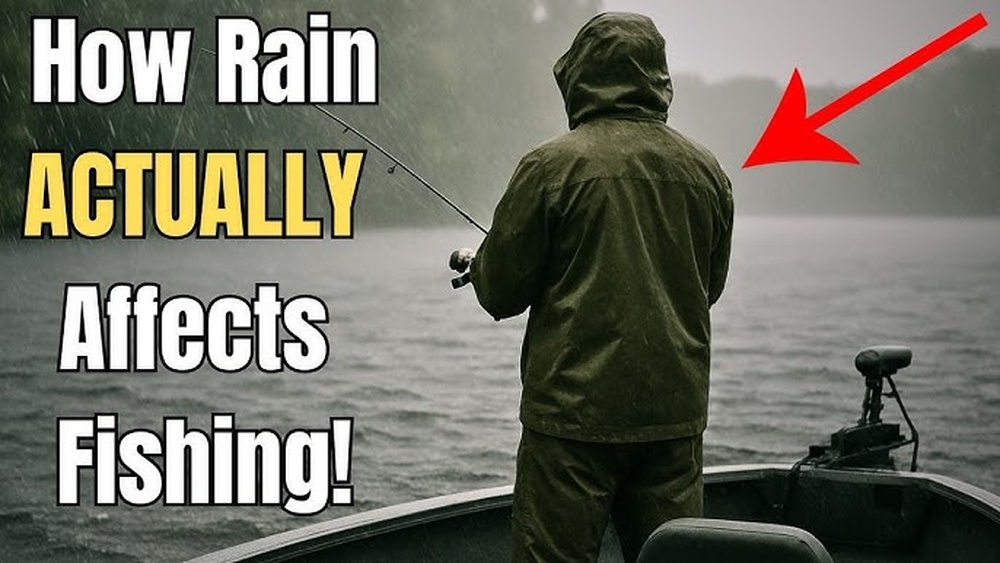
Can You Go Fishing In The Rain?
For many anglers, the idea of fishing in the rain sounds uncomfortable or even a bit risky. But experienced fishers know that sometimes, rainy weather can bring some of the most exciting and productive fishing days. If you’ve ever looked out at gray skies and wondered whether you should pack your gear or stay home, you’re not alone.
Understanding how rain affects fishing, what precautions to take, and how to make the most of wet conditions can turn a dreary day into an unforgettable adventure.
This article explores whether you can go fishing in the rain, the science behind fish behavior during rainy weather, practical tips for staying safe and successful, and common mistakes to avoid. Whether you’re a beginner or a seasoned angler, you’ll find clear answers, real-world examples, and expert advice to help you decide when and how to fish on rainy days.
Why Rainy Weather Changes Fishing
Rain doesn’t just make you wet—it changes the water environment in ways that can affect fish behavior and your fishing success. To understand why fishing in the rain can be different, it helps to look at what actually happens in the water.
How Rain Alters Water Conditions
When rain falls, it does several things:
- Cools the water surface: Especially during warm months, rain can lower the surface temperature, which often draws fish closer to the top.
- Increases oxygen: Raindrops add oxygen to the water, making fish more active.
- Boosts water movement: Rain can create currents, wash insects and food into the water, and stir up bottom debris.
- Reduces visibility: Raindrops break the water’s surface, making it harder for fish (and fishers) to see clearly.
These changes can make fish feed more aggressively, especially just before or during light to moderate rain. However, heavy or long-lasting storms may have the opposite effect if water becomes muddy or flooded.
Fish Activity Before, During, And After Rain
Fish are sensitive to changes in their environment. Here’s how they typically react:
- Before rain: Fish sense dropping air pressure and often feed more actively, preparing for the weather change.
- During light rain: Many fish species become less cautious because of lower light and more food entering the water.
- After heavy rain: Water may become cloudy or flooded, and fish can be harder to find.
One key insight many beginners miss is that it’s not just the rain, but the changes in pressure and water quality that matter. Sometimes, the best fishing is right as the rain begins or just after it ends.
Is It Safe To Fish In The Rain?
Fishing in the rain can be safe, but only if you’re prepared and pay attention to the weather. Not all rainy days are the same.
When It’s Safe (and Not Safe)
- Light to moderate rain: Usually safe for fishing if you wear the right clothing and avoid slippery banks.
- Thunderstorms: Never fish when there’s thunder or lightning. Water is a strong conductor, and holding a fishing rod makes you even more vulnerable.
- Heavy downpours or flooding: High water can create strong currents and hidden hazards. Avoid fishing in these conditions.
A surprising risk many people forget is hypothermia—even in summer, being wet and exposed to wind can lower your body temperature quickly. Always have a plan to get dry and warm.
Essential Rain Gear For Fishing
Investing in proper gear makes fishing in the rain much more comfortable and safe. Here’s what you need:
- Waterproof jacket and pants: Keeps you dry from the outside.
- Layered clothing: Wicks moisture away from your skin and keeps you warm.
- Non-slip boots: Essential for muddy or wet surfaces.
- Wide-brim hat or hood: Keeps rain off your face.
- Waterproof gloves: Keeps hands warm and prevents slipping.
- Dry bag: Protects your phone, keys, and valuables.
Remember, even the best gear won’t help if you ignore changing weather conditions. Always check the forecast before heading out.
How Rain Affects Different Types Of Fishing
Not all fishing styles are affected by rain in the same way. The impact of rain depends on where and how you fish.
Freshwater Vs. Saltwater Fishing
Let’s look at how rainy weather impacts freshwater and saltwater fishing:
| Type | Rain Impact | Best Practices |
|---|---|---|
| Freshwater (lakes, rivers) | Improved fish activity, especially near inlets or over cover | Use bright lures, fish near runoff areas |
| Saltwater (shore, offshore) | Minor impact, unless rain is heavy or water is muddy | Look for fish near structure, avoid stormy seas |
One less obvious tip: After steady rain, freshwater fish often move to places where streams or ditches enter the main water. These are food-rich spots.
Shore, Boat, And Fly Fishing
- Shore fishing: Rain can push fish closer to the bank, especially where streams enter the lake.
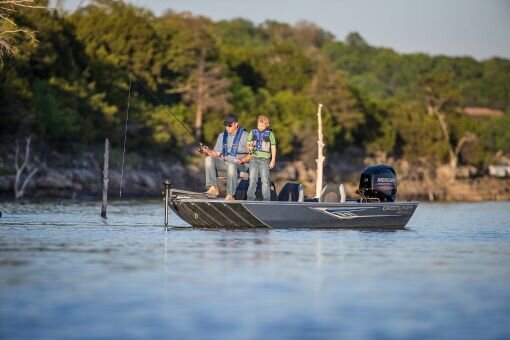
- Boat fishing: Safety becomes more important. Rain can reduce visibility and make surfaces slippery.
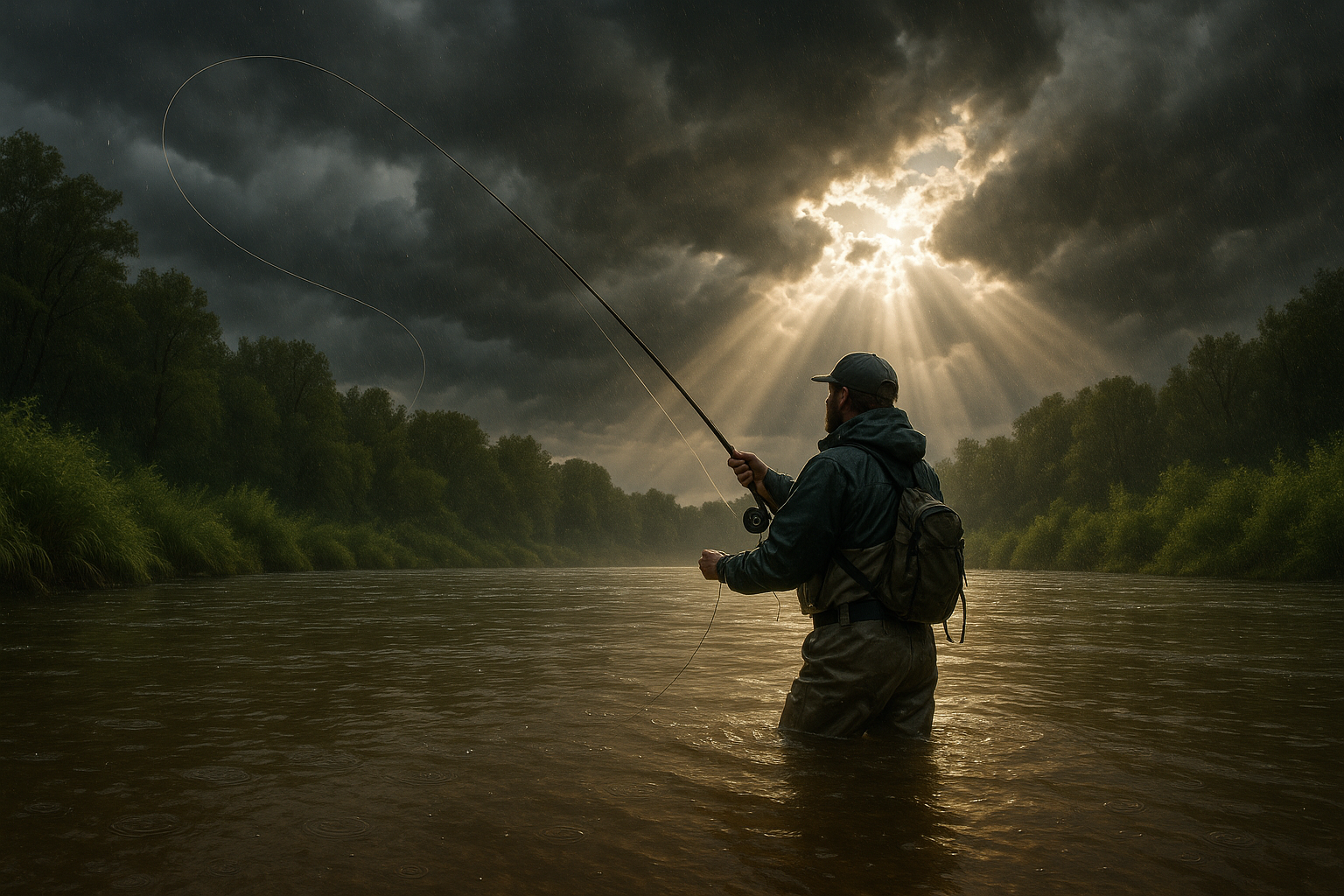
- Fly fishing: Rain brings more insects to the water, which can attract trout and other species.
A common mistake is staying in the same spot during a downpour. Moving to places where water is flowing into your lake or river can boost your chances.
Best Rainy Weather Fishing Techniques
Adapting your technique to rainy conditions can make a big difference. Here’s how to increase your odds of catching fish when it’s wet.
Choosing The Right Bait And Lures
When rain reduces visibility, fish rely more on sound and vibration. Here are smart choices:
- Loud or bright lures: Use spinnerbaits, crankbaits, or lures with rattles to attract attention.
- Live bait: Worms, minnows, or other live bait often work well, especially when washed into the water by rain.
- Topwater lures: These can be effective when rain breaks up the surface, making fish less wary.
Many new anglers overlook the value of matching your bait to what’s being washed in by rain—such as earthworms near muddy banks.
Adjusting Your Tactics
- Fish shallower water: Rain often draws fish closer to the surface.
- Target moving water: Look for places where rainwater enters the main body (creek mouths, ditches).
- Increase retrieval speed: Fish are more aggressive and may chase faster-moving lures.
Don’t forget to check your line and knots often—rain can make them slippery and more likely to fail.

Credit: www.rippton.com
Weather Patterns And Fish Behavior
Understanding the science behind weather changes can help you time your fishing trip for the best results.
The Role Of Barometric Pressure
Fish can sense changes in barometric pressure (the weight of the air above us). Here’s how it influences them:
- Falling pressure (before rain): Fish feed more as they sense a change coming.
- Low pressure (during steady rain): Fish are active but may become harder to find if the rain is heavy.
- Rising pressure (after rain stops): Fish activity slows down, and they may become less likely to bite.
Most experienced anglers plan their trips around these shifts. Using a simple barometer or weather app can give you an edge.
Water Clarity And Runoff
Rain can make the water cloudy, especially if it washes in dirt and organic matter. This affects fishing in two ways:
- Poor visibility: Fish are less able to see your lure, so use brighter colors or lures that make noise.
- More food: Insects and worms washed in by rain become easy meals for fish, so match your bait to what’s available.
A practical example: After a storm, bass often gather near muddy inflows in search of food.
Common Mistakes When Fishing In The Rain
Some errors can ruin a rainy day fishing trip or even put you at risk. Here’s what to watch out for:
- Ignoring weather warnings: Lightning, flash floods, and high winds can turn dangerous fast.
- Wearing the wrong clothing: Cotton gets heavy and cold when wet. Choose synthetic or wool layers instead.
- Not protecting gear: Electronics, tackle, and even your lunch can get ruined if not kept dry.
- Standing under tall trees or in open areas: This increases your risk during thunderstorms.
- Fishing muddy water with natural-colored lures: These become invisible. Use bright or noisy options instead.
One less obvious mistake: Failing to check your fishing license and local rules. Some areas restrict fishing during storms or high water for safety and conservation.
Pros And Cons Of Fishing In The Rain
To help you decide whether to go fishing when it’s raining, here’s a quick comparison:
| Pros | Cons |
|---|---|
| Fish are often more active and less cautious | Getting wet and uncomfortable |
| Less competition from other anglers | Risk of hypothermia or illness |
| More insects and food in the water | Danger from lightning or high water |
| Chance to catch larger fish | Some gear may not work well when wet |
If you’re prepared and keep an eye on the weather, the advantages often outweigh the downsides, especially during light rain.
Tips For A Successful Rainy Day Fishing Trip
Want to make the most of your next rainy fishing trip? Here are proven tips:
- Check the weather forecast: Avoid dangerous storms, and pick days with light, steady rain.
- Arrive early or stay late: Fish feed most actively at the beginning and end of a rain event.
- Use scent attractants: Rain can wash away scents, so adding a fish attractant to your bait helps.
- Keep spare dry clothes: Having a backup set in your car or dry bag can save your day.
- Bring a waterproof map or GPS: Rain can make landmarks hard to see.
- Stay flexible: Move to new spots if you’re not getting bites—rain often shifts where fish are feeding.
- Let someone know your plans: For safety, tell a friend or family member where you’ll be.
- Keep your hands dry: Wet hands make it harder to tie knots and handle gear, so use a towel often.
A pro tip most overlook: After your trip, rinse your gear in fresh water and dry it thoroughly. Rain can cause rust or mold if you store items wet.
Credit: www.discoverboating.com
Real-world Examples And Case Studies
Learning from others’ experiences can help you avoid mistakes and improve your results.
Case 1: Bass Fishing After A Summer Shower
In the southeastern US, many bass anglers know that a short, heavy summer rain can “turn on” the fish. One fisherman reported catching his biggest largemouth bass right after a rainstorm, using a chartreuse spinnerbait near a muddy creek mouth.
The fish were feeding aggressively on worms and insects washed in by the storm.
Case 2: Trout Fishing In Mountain Streams
In the Pacific Northwest, fly fishers often hope for light rain. Rain stirs up aquatic insects and makes trout less cautious. An experienced angler shared that he caught more trout in two hours during a drizzle than during a full day of dry weather—simply by switching to a bigger, more visible fly.
Case 3: Saltwater Success And Setbacks
On the Gulf Coast, an offshore fisherman described how a rainstorm cooled the surface water, drawing baitfish (and predators) closer to the boat. However, he also warned that heavy rain made navigation tricky and urged others to watch for changing tides and currents.
The key takeaway: Those who adapt their strategy to match rain conditions often have the best stories and results.
How To Stay Comfortable And Safe
Comfort is often the difference between a good trip and a miserable one. Here’s how to fish in the rain without suffering:
- Dress in layers: Start with moisture-wicking fabric, add insulation, then a waterproof shell.
- Protect your hands and feet: Cold, wet extremities can end your trip early. Use waterproof gloves and insulated boots.
- Eat and drink regularly: Rain can make you forget to stay hydrated and fueled.
- Use a brimmed hat or cap: Keeps rain off your face and helps you see your line.
- Take breaks: Don’t tough it out if you’re cold or tired—warm up in your car or under shelter.
One less obvious insight: Rain can make you less aware of sun exposure. Even on cloudy days, UV rays can cause burns, so consider wearing sunscreen.
Credit: flyfishinguniverse.com
Environmental And Ethical Considerations
Fishing in the rain can impact the environment and local fish populations. Here’s how to minimize your impact:
- Watch for erosion: Avoid muddy banks that can be damaged by foot traffic when wet.
- Release fish carefully: Wet hands before handling fish, and return them gently to the water.
- Follow local rules: Some areas may close to fishing during floods or after heavy rain to protect spawning grounds.
- Pack out all trash: Rain can wash litter into waterways, harming wildlife.
A tip many overlook: Check your hooks for rust after fishing in the rain—damaged hooks can harm fish and reduce your success.
When To Skip Fishing In The Rain
While fishing in the rain can be rewarding, there are times when it’s best to stay home:
- During thunderstorms: Lightning is a serious risk near water.
- When water is rising quickly: Floods can create dangerous currents and unstable banks.
- If you can’t stay dry and warm: Hypothermia can happen even in mild weather.
- When local regulations prohibit it: Some parks and fisheries restrict access after heavy rain.
If you’re unsure, it’s better to postpone than to risk your safety.
Frequently Asked Questions
Can Fishing In The Rain Improve My Chances Of Catching Fish?
Yes, fishing in the rain often increases your chances because fish become more active and less cautious. Rain can bring more food into the water and reduce visibility, making fish easier to catch if you use the right gear and techniques.
Is It Dangerous To Fish During Rain?
It depends on the conditions. Light rain is usually safe with proper clothing and awareness. However, fishing during thunderstorms or heavy rain can be dangerous due to lightning, flooding, and slippery surfaces. Always check the forecast and avoid risky conditions.