Pontoon boats are hard to miss on the water. Their wide, flat decks and stable platforms make them look inviting—even to those who have never set foot on a boat. But are pontoon boats actually good for fishing, or are they just for relaxing family outings and parties?
For anglers looking for a boat that balances comfort, space, and fishability, the answer is more interesting than you might think.
Let’s explore whether a pontoon boat is the right tool for your fishing adventures. We’ll look at what makes them unique, how they compare to traditional fishing boats, and which features matter most if you plan to fish from one.
You’ll also see real-world examples, tips, and even a few things beginners often miss when considering their first fishing pontoon.
What Makes Pontoon Boats Different?
Pontoon boats are built on two or three long, hollow tubes—called pontoons or toons. These pontoons support a wide, flat deck on top. This is different from traditional fishing boats, which usually have a single V-shaped hull. The design of a pontoon boat affects how it moves, how stable it feels, and what you can do on board.
Key Features Of Pontoon Boats
- Wide and stable platform: The large deck area means more room to move, set up chairs, or walk around.
- Shallow draft: Pontoons don’t sit deep in the water, allowing access to shallow spots.
- Comfortable seating: Many models include couches, sun pads, and even mini bars.
- Customizable layouts: Owners can add or remove furniture, fishing gear, and storage based on their needs.
Types Of Fishing Pontoons
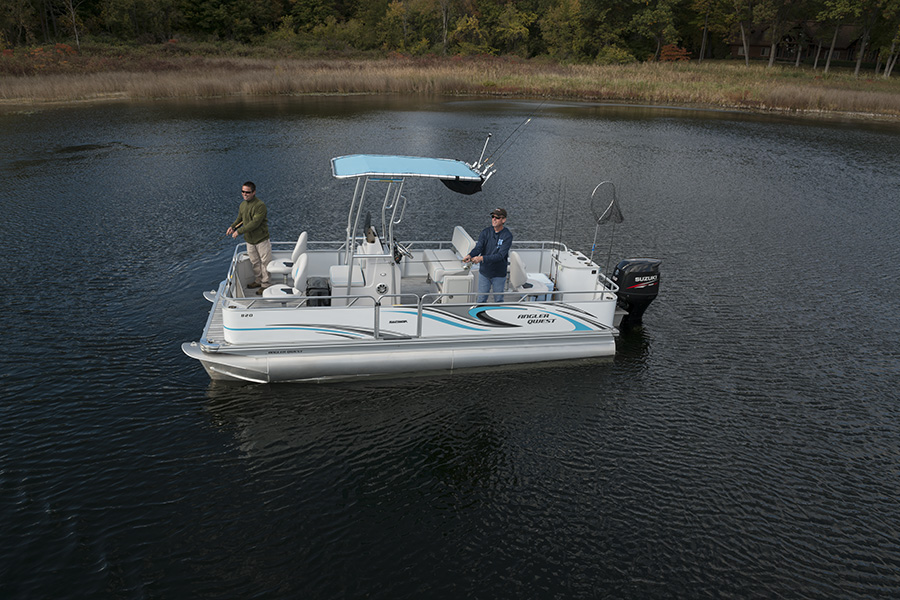
Some pontoon boats are built specifically for fishing. These models come with features like livewells, rod holders, and fishing chairs. Others are more focused on cruising and entertainment, but can still be customized for fishing.
Comparing Pontoon Boats And Traditional Fishing Boats
To understand if pontoon boats are good for fishing, it helps to see how they compare to popular fishing boat styles, like bass boats or deep-V aluminum boats.
| Feature | Pontoon Boat | Bass Boat | Deep-V Boat |
|---|---|---|---|
| Stability | Very high | Moderate | High |
| Deck Space | Very large | Limited | Moderate |
| Shallow Water Access | Good | Excellent | Fair |
| Speed | Moderate | Very high | High |
| Fishability (General) | Good | Excellent | Very good |
| Passenger Comfort | Excellent | Basic | Good |
Pontoon boats win when it comes to space and comfort, making them appealing for families or groups. Traditional fishing boats like bass boats are lighter, faster, and purpose-built for fishing efficiency, especially in tournaments. Deep-V boats are better for rough waters and big lakes, but often have less usable deck space.

Credit: www.barlettapontoonboats.com
Advantages Of Pontoon Boats For Fishing
1. Stability For All Ages
One of the biggest reasons anglers choose pontoon boats is the rock-solid stability. The wide deck makes it almost impossible to tip, even when people move around. This is especially helpful if you fish with kids, seniors, or anyone who needs extra balance support. You can stand, cast, or even fight large fish without feeling the boat sway.
2. Space To Spread Out
Pontoon boats are famous for their roomy decks. You can bring multiple anglers without feeling crowded. There’s space to set up several fishing chairs, coolers, and tackle boxes. Some pontoons are over 8 feet wide and up to 30 feet long—giving more square footage than most fishing boats.
3. Flexible Seating And Customization
It’s easy to change the layout of a pontoon. Need more open space for casting? Remove a sofa. Want a livewell or extra rod storage? Add them. Some fishing pontoons come ready-made with:
- Rotating fishing seats at the front and rear
- Built-in rod lockers
- Livewells for bait or catch
- Trolling motor mounts
4. Comfort For Long Days
If you like to spend hours on the water, comfort matters. Pontoon boats offer:
- Padded seating
- Shade canopies (bimini tops)
- Toilet enclosures (on larger models)
- Tables for lunch or gear
These features make it easier to fish with non-anglers, too—so your family or friends can relax while you fish.
5. Shallow Water Access
Pontoons have a shallow draft, meaning they float higher on the water. This lets you reach spots that deep-hulled boats can’t—like weedy bays or near shorelines. You can chase bass, crappie, or panfish right where they hide.
6. Quiet Approach
Because pontoons are lightweight and stable, you can use a trolling motor to move quietly. This is a big plus when fishing for species that spook easily, like bass or walleye.
7. Easy Loading And Unloading
With a flat deck and gates on three sides, it’s simple to get gear on and off a pontoon. There’s less risk of tripping or dropping rods in the water compared to narrow boats.
Disadvantages And Limitations Of Pontoon Boats For Fishing
1. Speed And Maneuverability
Pontoon boats are not built for high speed. Most models max out at 15–30 mph, while bass boats can reach 60+ mph. This makes it harder to fish tournaments where you need to move fast between spots. Turning is also wider and slower, so tight maneuvers are tricky.
2. Wind Challenges
The large, flat sides of a pontoon act like a sail. In windy conditions, you may drift or turn more than you’d like. Anchoring or using a trolling motor helps, but it’s not as easy as with a low-profile fishing boat.
3. Rough Water Performance
While pontoons are stable in calm lakes, they can struggle in big waves or rough water. Water can splash over the deck, and the ride can feel bumpier. Deep-V boats handle these conditions better.
4. Limited Access To Tight Spots
Pontoon boats are wide—usually 8 feet or more. This makes it tough to enter narrow coves or small backwaters. If you fish in places with lots of obstacles or very tight channels, a smaller boat might be better.
5. Not Ideal For Solo Anglers
Operating a pontoon alone can be a challenge, especially when launching or docking. The size and wind resistance make it less nimble than a small fishing boat.
6. Less Storage For Hard-core Gear
While there’s plenty of open deck space, pontoons may have less built-in storage for rods, tackle trays, or large coolers compared to purpose-built fishing boats.

Credit: www.fishtalkmag.com
Features To Look For In A Fishing Pontoon Boat
If you’re considering a pontoon boat mainly for fishing, here are the features that matter most:
Essential Fishing Features
- Livewell: Keeps bait or fish alive and fresh
- Rod holders: Secure rods while trolling or waiting for bites
- Trolling motor mount: Lets you add a quiet motor for sneaking up on fish
- Fishing seats: Swivel chairs at the bow and stern for casting and comfort
- Fishfinder/GPS mount: Electronics help you locate fish and navigate
Nice-to-have Options
- Washdown system: Makes cleaning up after fishing much easier
- Under-seat storage: For tackle, nets, and life jackets
- Anchor winch: Quickly lowers or lifts the anchor
- Built-in cooler: Keeps drinks and bait cold
Customization Potential
One overlooked benefit is how easy it is to customize a pontoon for your own fishing style. You can add:
- Removable cutting boards or bait tables
- Extra battery storage for electronics
- LED lighting for night fishing
Some anglers even install removable railings to make it easier to net big fish.
Real-world Examples And Case Studies
Let’s look at how pontoon boats have been used by real anglers.
Family Fishing Adventures
The Johnson family in Michigan uses a 22-foot fishing pontoon for weekend trips. With four rod holders, a livewell, and two swivel seats, they can fish for bass and panfish while their kids play onboard. The parents appreciate the safety and space, and say they catch more fish because they’re comfortable staying out longer.
Tournament Angling
While not common, some local tournaments allow pontoons. In 2026, an angler named Dave entered a crappie tournament with his 20-foot pontoon. He didn’t win, but finished in the top 10—proving that with the right setup, pontoons can compete.
Multi-purpose Use
For many owners, the real value is being able to fish in the morning and entertain guests in the afternoon. The flexibility of a pontoon means you don’t have to choose between fishing and family fun.
Credit: www.fishtalkmag.com
Key Factors When Deciding If A Pontoon Boat Is Right For You
Not everyone’s fishing style is the same. Here’s what to consider before making your choice:
1. Fishing Style And Target Species
If you like to move quickly from spot to spot, or fish rough water for big game fish, a traditional boat might be better. But if you prefer relaxed outings for bass, crappie, or catfish—especially with family or friends—a pontoon shines.
2. Lake Or River Size
Pontoons are best on small to medium lakes and calm rivers. For open water or big waves, look for a triple-tube (tri-toon) model for added stability.
3. Group Size
Do you fish alone or with a crowd? Pontoons excel with groups of 4–10 people. For solo anglers, a smaller, lighter fishing boat might be easier to handle.
4. Budget
Fishing pontoons range from $20,000 to over $80,000 new, depending on size and features. Used models can cost much less. Factor in the cost of a trailer, motor, and accessories.
5. Storage And Transport
Pontoons are large and wide, often requiring a special trailer and more parking space. If you have limited storage, this could be a drawback.
Surprising Insights About Pontoon Boats For Fishing
1. Pontoons Hold Their Value
Unlike many boats, well-maintained fishing pontoons keep a higher resale value. This is due to their popularity with families and older buyers.
2. Night Fishing Advantage
With their open decks, pontoons are perfect for night fishing. You can set up lanterns or LED lights without tripping over gear.
3. Accessibility For All
Pontoon boats are easier for people with mobility challenges. The flat deck and side gates help those who use wheelchairs or need extra support.
4. Multi-season Use
Add a portable heater or enclosure, and you can use your pontoon for fall and early winter fishing—something that’s tough in most open fishing boats.
Common Mistakes Beginners Make With Fishing Pontoons
- Ignoring wind drift: Many new owners are surprised by how much a pontoon drifts in wind. Always bring an anchor or use a trolling motor to control your position.
- Overloading with gear: It’s easy to bring too much. Stick to essentials to keep the deck clear for fishing.
- Choosing the wrong motor size: A small engine may not provide enough power, especially with a full crew. Check the manufacturer’s recommended horsepower.
- Forgetting about storage: Make sure your pontoon has enough built-in storage for safety gear, rods, and tackle.
- Not checking local rules: Some lakes have limits on pontoon size or speed. Always check before you buy.
How To Set Up A Pontoon Boat For Fishing
If you want to turn a standard pontoon into a fishing machine, here’s how to do it:
- Install rod holders along the rails at the front and back.
- Add a livewell (many portable models are available if yours doesn’t have one).
- Mount a trolling motor at the bow for quiet movement.
- Set up swivel fishing seats for easy casting.
- Use portable tackle boxes that fit under seats or in storage compartments.
- Add a fishfinder for locating underwater structures.
- Keep the deck uncluttered by removing unneeded furniture.
Cost Comparison: Pontoon Vs. Fishing Boat
Here’s a look at how fishing pontoons compare to traditional fishing boats in terms of price and value.
| Boat Type | Average New Price | Seating Capacity | Typical Features |
|---|---|---|---|
| Pontoon Boat (Fishing Model) | $30,000–$65,000 | 8–12 | Livewell, rod holders, bimini top, lounge seating |
| Bass Boat | $28,000–$55,000 | 2–4 | High-speed hull, multiple livewells, advanced electronics |
| Deep-V Aluminum Boat | $20,000–$50,000 | 4–6 | Deep hull, rod storage, basic seating |
Pontoons are typically more expensive up front but offer greater versatility for groups and family activities.
Environmental Impact And Maintenance
Environmental Considerations
Because pontoons use outboard motors, their environmental impact is similar to other boats. However, their shallow draft means less disturbance to underwater plants and habitats in shallow water.
Maintenance Needs
Pontoons are relatively easy to maintain:
- Clean the deck and pontoons after each trip