
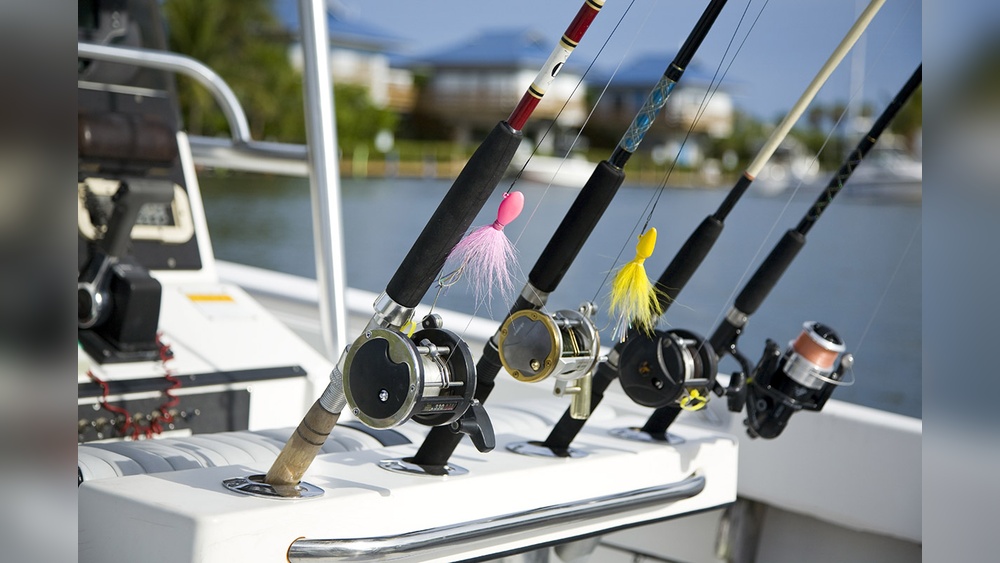
Fishing is a hobby enjoyed by millions around the world. Whether you fish at a quiet lake or by the sea, you probably use a fishing pole. If you look closely at your fishing pole, you’ll see several rings attached along its length.
These rings are not just decoration—they play an important role in fishing. But what are these rings called, and why do they matter so much? Let’s dive deep into their names, functions, types, materials, and how they affect your fishing experience.
By the end, you’ll know how to choose and care for these rings like a pro, and understand why even small details can make a big difference.
What Are The Rings Called On A Fishing Pole?
The rings you see on a fishing pole are officially called guides or line guides. Most anglers simply call them guides. Each guide is a circular loop, usually made from metal or ceramic, attached to the rod. The main job of guides is to control the fishing line, keeping it close to the rod and directing it from the reel to the tip. The guide at the very end of the rod is called the tip-top guide or tip guide.
Here are the basic names you’ll hear:
- Guides or line guides: All rings except the tip.
- Tip-top guide: The ring at the very end of the rod.
- Butt guide: The first and largest guide closest to the reel.
These names are used in fishing shops and by experienced anglers. If you ask for “rings,” most sellers will know you mean guides, but “guide” is the correct term.
Why Are Guides Important?
Guides are more than just holders for the fishing line. Their design, number, and placement affect your fishing in several ways:
- Casting distance: Good guides help you cast farther.
- Line control: Guides keep the line from tangling or rubbing against the rod.
- Sensitivity: Quality guides let you feel even small bites.
- Rod strength: Guides spread the stress across the rod, preventing breakage.
- Line protection: Smooth guides stop your line from getting damaged.
Beginners often think guides are just for holding the line, but they also affect how the rod bends and responds. Having more guides usually means a smoother bend, which helps with both casting and fighting fish.
Types Of Guides On Fishing Rods
There are several types of guides, each with its own purpose and design. The main types are:
- Casting guides: Used on baitcasting rods, these are usually larger and closer to the rod.
- Spinning guides: Used on spinning rods, these are often smaller and placed further apart.
- Fly rod guides: Thin and lightweight, designed for fly rods.
- Roller guides: Have a small roller inside, used for big game fishing.
Guide Types Compared
Here’s a quick comparison of the main types:
| Guide Type | Rod Type | Typical Use | Special Features |
|---|---|---|---|
| Casting | Baitcasting rods | Freshwater, saltwater | Larger, closer to rod |
| Spinning | Spinning rods | All-around fishing | Smaller, spaced out |
| Fly | Fly rods | Fly fishing | Lightweight, thin |
| Roller | Heavy rods | Big game fishing | Has rolling part |
Common Mistake
Many beginners use the wrong guides for their rod type. For example, using spinning guides on a casting rod will lower performance. Always check the guide type before buying or replacing.
Materials Used For Fishing Guides
Fishing guides are made from several materials. The main parts are the frame (the ring’s body) and the insert (the inner ring that touches the line). Let’s look at what they’re made of:
Guide Frames
- Stainless steel: Most common, strong and rust-resistant.
- Titanium: Lighter, stronger, and more expensive.
- Aluminum oxide: Used for lighter rods.
Guide Inserts
- Ceramic: Smooth, protects line, often found in quality rods.
- Silicon carbide (SiC): Very smooth, reduces friction, used in high-end rods.
- Aluminum oxide: Decent, budget-friendly option.
- Hard chrome: Durable, used in some fly rods.
| Material | Cost | Durability | Friction |
|---|---|---|---|
| Stainless steel | Low | High | Medium |
| Titanium | High | Very high | Low |
| Ceramic | Medium | High | Very low |
| Silicon carbide | Very high | Very high | Ultra low |
| Aluminum oxide | Low | Medium | Low |
Why Material Matters
If you use braided line, which is rougher than monofilament, you need guides with hard inserts (like SiC or ceramic). Weak inserts will wear out fast and damage your line. Titanium frames are best for saltwater, where corrosion is a problem.
How Many Guides Should A Fishing Rod Have?
The number of guides varies by rod length and type. A typical 6-foot spinning rod has about 6 guides plus a tip-top guide. Longer rods have more guides to control the line and spread stress.
General rule: One guide per foot of rod, plus the tip-top guide.
But some rods have extra guides for special purposes. For example, surf rods often have more guides for smoother casting.
Guide Spacing
Guides are not placed evenly. They’re closer near the tip, where the rod bends more, and further apart near the handle. This design spreads the load and keeps the line straight.
Practical Insight
A common mistake is thinking fewer guides mean less friction. Actually, fewer guides can make the rod bend unevenly and damage the line. Good rod makers balance guide number for best performance.
How Guides Affect Fishing Performance
Guides play a big role in how your rod works. Here’s how:
- Casting distance: Smooth, well-placed guides let the line flow easily, reaching farther.
- Line control: Guides keep the line from tangling, especially when casting or retrieving.
- Rod action: Guides help the rod bend evenly, making it easier to fight fish.
- Sensitivity: Quality guides let you feel light bites through the rod.
Example: Comparing Rods With Different Guides
Imagine two 7-foot spinning rods. One has cheap metal guides, the other has ceramic guides. The ceramic guides rod casts farther and feels more sensitive. Cheap guides may scratch the line, causing breakage.
How To Choose The Right Fishing Guides
If you’re buying a rod or replacing guides, consider these factors:
- Rod type: Spinning, casting, fly, surf, or trolling rods need different guides.
- Line type: Braided line needs hard inserts; monofilament is easier on guides.
- Fishing environment: Saltwater needs corrosion-resistant guides; freshwater is less demanding.
- Budget: Titanium and SiC are expensive but last longer. Stainless steel and aluminum oxide are cheaper.
- Number of guides: More guides mean smoother action but also more cost.
Mistakes To Avoid
- Using cheap guides with braided line—they wear out fast.
- Replacing guides with the wrong size or material.
- Ignoring guide placement—wrong spacing hurts casting.
Real-world Advice
If you fish often, invest in rods with ceramic or SiC inserts. If you fish in saltwater, choose titanium frames. For beginners, stainless steel with aluminum oxide is good enough.
How To Maintain And Repair Fishing Guides
Guides need care to stay smooth and strong. Here’s how you can keep them in top shape:
Cleaning
- Wipe guides with a damp cloth after each trip, especially in saltwater.
- Use a toothbrush to remove dirt from the inserts.
Checking For Damage
- Run a cotton swab through each guide. If the cotton catches, the guide is scratched.
- Replace damaged guides immediately—they can cut your line.
Repairing Guides
If a guide breaks, you can replace it yourself:
- Remove the old guide with a sharp blade.
- Clean the rod area.
- Attach the new guide with rod wrapping thread.
- Seal with rod epoxy.
Many fishing shops can do this for you if you’re unsure.
Practical Tip
Don’t ignore tiny cracks. Even small damage can ruin your line during a big catch.

Credit: www.youtube.com
Guide Placement: What Beginners Often Miss
Most beginners think all guides are equal, but guide placement is crucial. Guides closer to the tip handle more bend, while those near the handle keep the line straight. Bad placement leads to line slap, tangling, and poor casting.
Non-obvious insight: Rod makers use computer modeling to place guides for optimal performance. This is why copying guide spacing from another rod doesn’t always work.
Guide Size And Shape Explained
Guides come in different sizes and shapes. The butt guide is the largest, helping the line leave the reel smoothly. Guides get smaller as they move toward the tip, reducing weight and keeping the rod balanced.
Guide Size Chart Example
| Guide Position | Size (mm) | Purpose |
|---|---|---|
| Butt guide | 20-30 | Start line flow |
| Middle guides | 10-16 | Direct line |
| Tip guides | 6-8 | Finish line flow |
| Tip-top guide | 4-6 | Protect line end |
Shape Matters
Some guides are single-foot, others are double-foot. Double-foot guides are stronger, good for heavy rods. Single-foot guides are lighter, ideal for sensitive rods.
How Guides Are Attached To The Rod
Guides are attached with thread wraps and epoxy. The thread holds the guide to the rod, and the epoxy seals it against water and wear. Good wrapping is tight and smooth. Poor wrapping can let guides move or break.
Quick Steps For Guide Attachment
- Place guide on rod.
- Wrap thread tightly around the foot.
- Apply epoxy over the wrap.
- Let dry fully before using.
Rod builders use special tools, but you can do it at home with patience.
Upgrading Or Customizing Your Guides
Many anglers upgrade their guides for better performance. If you want longer casts or use braided line, changing to ceramic or SiC inserts helps. Custom guide placement can also improve rod action.
When To Upgrade
- If your rod feels “dead” or doesn’t cast well.
- If your line keeps breaking at the guides.
- If you switch to heavier fish or tougher line.
Upgrading guides is cheaper than buying a new rod and can make old rods feel new.
Guide Brands And Industry Standards
Top brands for guides include Fuji, PacBay, and American Tackle. These brands set industry standards for quality and performance.
- Fuji: Known for SiC and titanium guides.
- PacBay: Offers budget-friendly options.
- American Tackle: Good for custom builds.
Industry standards are important because not all guides are equal. Cheap, unbranded guides may look similar but perform worse.
Guide Troubleshooting: Common Problems
Here are problems anglers face with guides and how to solve them:
- Line breakage: Check for sharp edges or cracks.
- Guide rust: Use stainless or titanium for saltwater.
- Loose guides: Re-wrap with thread and epoxy.
- Line slap: Adjust guide spacing.
Pro Tip
Always check guides before each trip. It takes seconds but can save your catch.
History And Evolution Of Fishing Guides
Fishing guides have changed a lot over time. Early guides were simple wire loops. Modern guides use advanced materials like SiC and titanium. The move to ceramic inserts improved line life and casting.
Interesting fact: In the 1960s, the introduction of ceramic guides made fishing rods much more efficient and durable. Today, computer-designed guide placement helps rods bend more evenly.
Environmental Impact Of Guide Materials
Some materials are more eco-friendly. Titanium is recyclable but expensive. Stainless steel is common and less costly. Cheap guides often break and end up as waste, so quality guides help reduce environmental impact.
If you care about the environment, choose durable guides and recycle old ones.

Credit: www.reddit.com
Advanced Guide Technologies
Modern guides have features like:
- Tangle-free design: Prevents line wrap.
- Micro guides: Smaller, lighter guides for sensitive rods.
- Color coding: Makes it easier to match guides when replacing.
These technologies are mostly found in high-end rods but are becoming more common.
Real-life Example: Why Guide Quality Matters
Imagine you’re fishing for bass. You hook a big one, but your line snaps at the guide. On inspection, you find the guide insert is cracked. If you had checked and replaced it, you could have landed the fish.
Non-obvious insight: Guides are the most overlooked part of the rod, but they affect every cast and catch.

Credit: au.jackery.com
Summary Of Key Points
- The rings on a fishing pole are called guides.
- Guides control the line, affect casting, and protect your rod.
- Types include casting, spinning, fly, and roller guides.
- Materials matter: Ceramic and SiC are best for braided line.
- Guide placement and number affect rod performance.
- Maintaining guides prevents line damage and improves your fishing.
- Upgrading guides can boost your rod’s action and sensitivity.
Frequently Asked Questions
What Is The Tip-top Guide?
The tip-top guide is the final ring at the end of the rod. It protects the line and helps direct it out smoothly. It’s usually smaller and made from strong materials.
How Do I Know If My Guide Is Damaged?
Run a cotton swab through each guide. If the cotton catches, the guide is scratched or cracked. You should replace damaged guides quickly to avoid cutting your line.