Jug fishing is a unique and often overlooked method for catching freshwater fish. While many people are familiar with rod and reel fishing, jug fishing brings a different kind of excitement—and challenge—to anglers. This approach combines simple gear with clever strategy, making it popular among those who want to try something new on the water or catch more fish with less effort.
Whether you are a seasoned angler or just starting out, jug fishing offers an accessible way to boost your fishing success and enjoy the outdoors in a new way.
What Is Jug Fishing?
Jug fishing is a technique where anglers use floating containers—called jugs—to suspend baited fishing lines in the water. Each jug acts like a mini fishing rig. The jug floats on the surface, while a line hangs below, often with one or more hooks and weights. As fish bite the bait, the jug moves, signaling a catch.
Jugs can be anything from empty plastic bottles to purpose-built foam floats. The method is especially popular for catching catfish, though it works for other species too. Jug fishing can be done from the shore, a boat, or even by wading in shallow water. The key idea is to let the jug drift or anchor it in a promising spot, then wait for a bite.
Unlike traditional fishing, jug fishing lets you cover more water at once. You can set out multiple jugs, increasing your chances of catching fish. This method is legal in many parts of the United States but always check local regulations before starting.
The History Of Jug Fishing
Jug fishing has a long tradition, especially in the southern United States. Early versions of this method appeared as people looked for simple, effective ways to catch food for their families. Before plastic bottles were common, anglers used glass jugs, gourds, or wooden floats.
The rise of inexpensive, durable plastic containers in the mid-20th century gave jug fishing a boost. Suddenly, anglers could make lightweight, reusable jugs easily. Over time, jug fishing became a staple among catfish enthusiasts, particularly along rivers like the Mississippi and in large reservoirs.
Today, jug fishing remains popular for its simplicity and effectiveness. It’s often passed down through families, with each generation adding their own tricks and innovations. Some states now organize jug fishing tournaments, bringing together both newcomers and experts to celebrate this tradition.
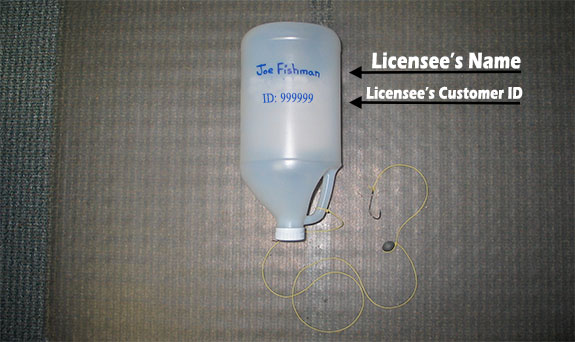
Credit: www.dnr.sc.gov
How Jug Fishing Works
At its core, jug fishing is about using floating devices to present bait at specific depths. Here’s how it typically works:
- Prepare several jugs (plastic bottles, foam floats, etc. ).
- Tie a strong fishing line to each jug.
- Attach weights to keep the bait at the desired depth.
- Add one or more hooks with appropriate bait.
- Set the jugs in the water, either anchored or free-floating.
- Watch for movement—when a jug drifts or bobs, you may have a fish.
- Retrieve the jug, land the fish, and reset if desired.
Jug fishing is often done at dawn, dusk, or overnight, especially in summer when catfish are most active. Many anglers set out their jugs in the evening and check them in the morning.
Types Of Jugs Used
Not all jugs are created equal. The type of jug you use can affect how well your setup works, how easy it is to spot, and even whether you comply with local laws. Here are the most common types:
Plastic Bottles
2-liter soda bottles or large water jugs are popular because they float well and are easy to find. Their shape makes them visible from a distance.
Foam Noodles
Pool noodles cut into short pieces make excellent jugs. They are lightweight, colorful, and easy to modify. Many anglers add reflective tape or paint for better visibility.
Commercial Jug Fishing Floats
Some outdoor brands sell ready-made floats designed for jug fishing. These are durable, often come in bright colors, and sometimes include built-in line holders.
Homemade Variations
Creative anglers use anything that floats. Milk jugs, bleach bottles, or even sealed PVC pipes can all become jugs with a little work.
Comparison Of Jug Types
Below is a comparison of popular jug types used in jug fishing:
| Jug Type | Visibility | Durability | Cost | Ease of Use |
|---|---|---|---|---|
| Plastic Bottle | Good | Medium | Low | Easy |
| Foam Noodle | Excellent | Medium | Low | Very Easy |
| Commercial Float | Excellent | High | Medium/High | Very Easy |
| Homemade (PVC) | Varies | High | Low/Medium | Moderate |
Essential Gear For Jug Fishing
Jug fishing does not require expensive equipment, but having the right gear can make a big difference. Here’s what you’ll need:
- Jugs or floats: As described above.
- Fishing line: 20–50 lb test line is common, strong enough for large fish.
- Weights: Sinkers (1–4 oz) to hold the bait at the right depth.
- Hooks: Size 2/0 to 6/0 for catfish; larger for bigger species.
- Bait: Live bait (shad, minnows), cut bait, worms, or even hot dogs.
- Knife and pliers: For cutting line and removing hooks.
- Reflective tape or paint: To make jugs easier to spot, especially at night.
- Boat or kayak (optional): Helps reach deeper water or spread out your jugs.
Safety And Legal Gear
- Life jackets: Always wear one if using a boat.
- Legal tags: Many states require you to label your jugs with your name and address.
Some anglers add small bells or glow sticks to their jugs for night fishing. These are not essential but can help you notice a bite.
Setting Up And Deploying Jug Lines
Setting up jug lines is simple, but small details matter for success. Here’s a step-by-step guide:
1. Rigging The Jug
- Tie your main fishing line to the handle or neck of the jug.
- Attach a weight to the end of the line.
- Tie one or more hooks 12–24 inches above the weight.
- Adjust the line length to match the depth of the water you’ll fish.
2. Baiting
- Hook your bait securely. Catfish, the top target, prefer strong-smelling baits like chicken liver, cut shad, or commercial catfish dough.
3. Deploying
- Space your jugs apart. Ten to fifteen feet between each jug is ideal if using several.
- Set jugs in likely spots: Near drop-offs, submerged logs, or along river channels.
- If allowed, let some jugs drift with the current and anchor others.
- Mark your jugs with bright colors or reflective tape.
4. Monitoring
- Keep an eye on your jugs. A jug that moves, tips, or disappears under water usually signals a fish.
- Retrieve each jug carefully to avoid pulling the hook free.
Example Jug Rig Setup
| Component | Recommended Option | Details |
|---|---|---|
| Jug | Foam Noodle (12″) | Bright color, easy to spot |
| Line | 30 lb test monofilament | Strong, easy to tie |
| Weight | 2 oz lead sinker | Holds bait at set depth |
| Hook | 4/0 circle hook | Good for catfish, reduces gut hooking |
| Bait | Chicken liver | Strong scent attracts fish |

Credit: gon.com
Where And When Is Jug Fishing Most Effective?
Jug fishing shines in larger bodies of water where fish roam widely. It’s especially effective in:
- Lakes: Large reservoirs, farm ponds, and state-managed lakes.
- Rivers: Slow-moving sections, channels, and backwaters.
- Reservoirs: Places with varying depths and submerged structures.
Catfish are the top target, but jug fishing also works for carp, drum, and even large bass. The best times are late spring through early fall, especially at night or early morning when fish are active near the surface.
Key Locations
- Drop-offs: Places where the bottom quickly gets deeper.
- Near logs or rocks: Fish use these for shelter.
- Channel edges: Catfish travel along these routes.
Seasonal Tips
- In summer, fish deeper during the day and shallower at night.
- In spring, focus on shallow areas where fish feed after spawning.
Legal Considerations And Common Rules
Jug fishing is not allowed everywhere, and rules vary by state, lake, or river. Before you start, check local regulations to avoid fines or confiscation of your gear.
Common Regulations
- Jug limit: Some states allow only a certain number of jugs per angler.
- Tagging: You may need to write your name, address, and phone number on each jug.
- Hook limit: There may be a maximum number of hooks per jug.
- Time limits: Some areas only allow jug fishing during certain months or hours.
- Distance from shore: Rules may dictate how far from shore you can place jugs.
- Type of bait: Live bait may be restricted in some waters.
Check your state’s wildlife or fisheries website for up-to-date information. For example, the Wikipedia jug fishing page offers a good overview and links to state rules.
Ethical And Environmental Considerations
Jug fishing is effective, but it comes with responsibility. Lost jugs can become litter and harm wildlife. To fish responsibly:
- Use sturdy jugs that won’t break apart.
- Retrieve all your jugs—even if you don’t catch fish.
- Don’t set more jugs than you can monitor.
- Avoid fishing in protected or spawning areas.
- Follow all size and bag limits to help maintain healthy fish populations.
Some anglers paint their jugs in unique patterns to distinguish them from others. This helps if you’re fishing in a crowded area or competing with other jug fishermen.
Advantages Of Jug Fishing
Jug fishing offers several unique benefits:
- Covers more water: Multiple jugs increase your chances of finding active fish.
- Low cost: Most jugs are made from recycled materials.
- Low skill barrier: Easy for beginners to learn.
- Fun for groups: Great for families or friends, as everyone can help watch the jugs.
Jug fishing is also less physically demanding than casting a rod for hours. You can relax, enjoy the outdoors, and still catch plenty of fish.
Disadvantages And Challenges
Despite its benefits, jug fishing has some drawbacks:
- Can be illegal or restricted in some places.
- Jugs may drift away if not anchored or watched closely.
- Lost gear can pollute waterways.
- Less sporting: Some anglers feel it’s less challenging than rod-and-reel fishing.
- Bycatch: Sometimes non-target species are caught.
It’s important to balance the efficiency of jug fishing with respect for the environment and other anglers.
Common Mistakes Beginners Make
Jug fishing seems simple, but beginners often make mistakes that reduce their success:
- Ignoring local rules: Always read and follow current fishing regulations.
- Using weak line: Strong fish like catfish can break light line or pull free.
- Overloading jugs: Too much line or too many hooks can tangle or sink the jug.
- Placing jugs too close together: This causes tangling and reduces coverage.
- Failing to mark jugs: Unmarked jugs are hard to find and may be illegal.
- Not checking frequently: Fish can escape or steal bait if jugs are left too long.
- Choosing the wrong bait: Match bait to your target species and local conditions.
- Setting jugs in poor locations: Learn where fish feed and travel.
A common beginner oversight is not adjusting line length for water depth. If your bait sits above or below the fish, you’ll catch less.
Advanced Tips For Jug Fishing Success
Once you master the basics, these tips can help you catch more and bigger fish:
- Vary your depths: Set some jugs shallow and others deep to find where fish are biting.
- Use circle hooks: They reduce deep hooking and make catch-and-release easier.
- Try different baits: Rotate between chicken liver, cut bait, and prepared dough to see what works best.
- Fish at night: Catfish are more active after dark.
- Set jugs near structure: Submerged trees, stumps, or rocks often hold more fish.
- Anchor some jugs: Keeps bait in productive spots, especially in wind or current.
- Retrieve jugs quickly when they move: Large fish can tangle or escape if given too much time.
Some experienced jug fishermen use GPS or marking apps to remember where each jug was set, especially on big lakes.
Comparison: Jug Fishing Vs Other Methods
How does jug fishing compare to other popular fishing methods? Here’s a quick look:
| Method | Effort Required | Gear Cost | Skill Needed | Best For |
|---|---|---|---|---|
| Jug Fishing | Low | Low | Beginner | Catfish, group fishing |