
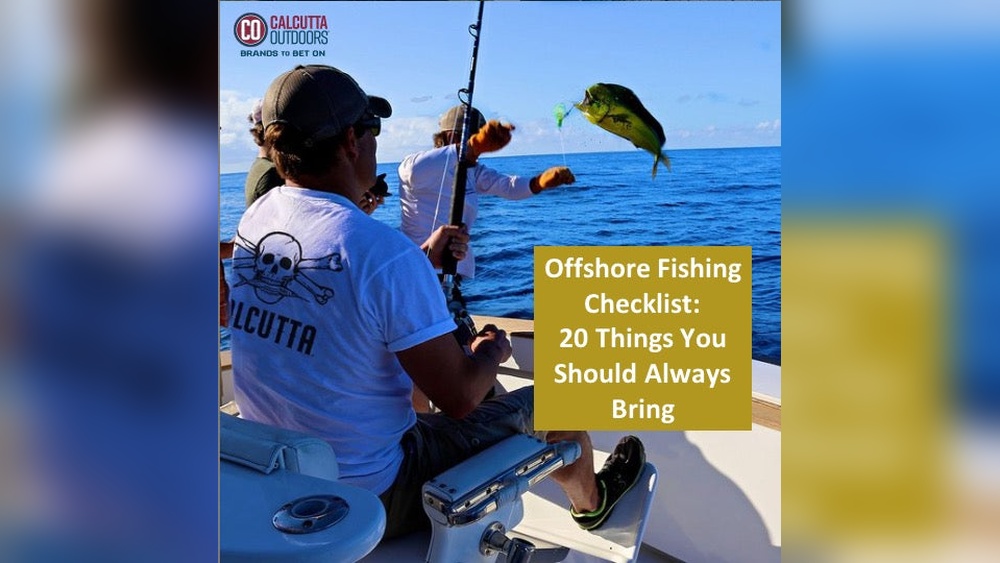
Deep sea fishing is an adventure that excites both new and experienced anglers. The ocean’s vastness, the thrill of catching big fish, and the chance to be surrounded by nature make it an unforgettable experience. But to enjoy your trip and stay safe, you need to bring the right gear and supplies.
Many beginners think only about fishing rods and bait, but there’s much more to consider. Packing well can make the difference between a fantastic day and a frustrating or even dangerous one. In this guide, you’ll learn exactly what to bring for deep sea fishing, why each item matters, and how to prepare like a pro.
Essential Fishing Gear
Without the right fishing gear, your chances of catching anything drop quickly. Deep sea fishing is very different from fishing in lakes or rivers. The fish are larger, the water is rougher, and the environment is unpredictable.
- Rods and Reels: Deep sea fishing requires heavy-duty rods and reels. These must handle the strong pull of big fish like tuna, marlin, or swordfish. If you’re using a charter service, they often provide gear. But if you bring your own, make sure it’s rated for saltwater use and can handle at least 50-100 lb test line.
- Fishing Line: Saltwater fish are powerful. Bring extra braided or monofilament line (50-100 lb test). Even experienced anglers sometimes lose line to sharp reefs or big fish. Packing an extra spool or two can save your trip.
- Hooks and Leaders: Saltwater fish have strong jaws. Use stainless steel hooks and thick leaders (wire or heavy fluorocarbon). Leaders prevent fish from biting through your line.
- Sinkers and Weights: Ocean currents can be strong. Bring a variety of weights (4 oz to 16 oz). Heavier sinkers keep your bait deep where the fish are.
- Lures and Bait: Live bait like squid or sardines works well, but artificial lures such as jigs, trolling skirts, and poppers are also popular. Ask locals or your captain what works best in your area.
- Tackle Box: Organize your gear with a waterproof tackle box. Use small containers for hooks and swivels. Bring extra tools like pliers, a line cutter, and a hook remover.
Non-obvious tip: Saltwater can damage gear quickly. Rinse everything with fresh water after your trip—even if it looks clean. This simple habit extends the life of your equipment.
Clothing And Personal Protection
Weather on the open sea changes fast. Sun, wind, and salt can be harsh. Dress properly to stay comfortable and safe.
- Waterproof Jacket: Even on sunny days, ocean spray and sudden showers are common. Bring a lightweight, breathable rain jacket.
- Quick-Dry Clothing: Cotton absorbs water and stays wet. Wear synthetic or moisture-wicking shirts and shorts. These dry fast and keep you comfortable.
- Non-Slip Shoes: Decks can be slippery. Wear closed-toe, non-slip shoes designed for boats. Flip-flops are dangerous in rough conditions.
- Hat and Sunglasses: A wide-brimmed hat protects your face and neck from the sun. Polarized sunglasses not only shield your eyes but also help you see beneath the water’s surface.
- Sunscreen and Lip Balm: The sun’s reflection off water can cause severe burns. Bring water-resistant sunscreen (SPF 30 or higher) and lip balm with UV protection. Reapply often.
- Gloves: Fish have sharp fins and teeth. Fishing gloves protect your hands when handling fish or pulling lines.
Beginner mistake: Many people forget to cover their feet and ears. Sunburn on these spots is common, painful, and easy to avoid with proper gear.
Safety Equipment
Deep sea fishing takes you far from shore. Safety must be a priority.
- Life Jacket: Even if you’re a strong swimmer, accidents happen. Bring a comfortable, US Coast Guard-approved life jacket. Most charters provide them, but if you have your own, make sure it fits well.
- First Aid Kit: Cuts, hooks in fingers, and motion sickness are common. Bring a waterproof first aid kit with bandages, antiseptic, seasickness pills, and tweezers.
- Motion Sickness Remedies: Ocean waves can upset your stomach. Bring motion sickness pills (like Dramamine), wrist bands, or ginger candies. Take medicine before boarding, not after you feel sick.
- Emergency Whistle and Signal Mirror: In rare cases, you may need to signal for help. Small, lightweight emergency signaling devices can save lives.
- Knife or Line Cutter: A sharp fishing knife or dedicated line cutter is essential for quickly freeing tangled lines or dealing with emergencies.
- Waterproof Phone Case: Saltwater destroys electronics fast. Use a waterproof case or dry bag for your phone and important documents.
Pro advice: Always tell someone on land your trip plan and expected return time. This safety habit is often overlooked but critical in emergencies.
Food And Hydration
Fishing trips can last all day. If you’re not prepared, dehydration and hunger can ruin your experience.
- Plenty of Water: Bring at least 2 liters of water per person for a full-day trip. Drink small amounts often, even if you don’t feel thirsty.
- Electrolyte Drinks: Sports drinks or electrolyte powders help replace salts lost from sweating.
- High-Energy Snacks: Bring protein bars, nuts, or jerky. These provide lasting energy and are easy to eat, even if the water is rough.
- Lunch and Fresh Fruit: Pack a simple sandwich or wrap and some fruit like apples or oranges. Avoid heavy, greasy foods; they can upset your stomach.
- Cooler with Ice: Use a cooler to keep drinks, snacks, and your catch cold. If you plan to bring fish home, you’ll need extra ice.
Expert tip: Avoid alcohol and coffee. Both dehydrate your body and may increase seasickness. Stick to water and light snacks for best results.
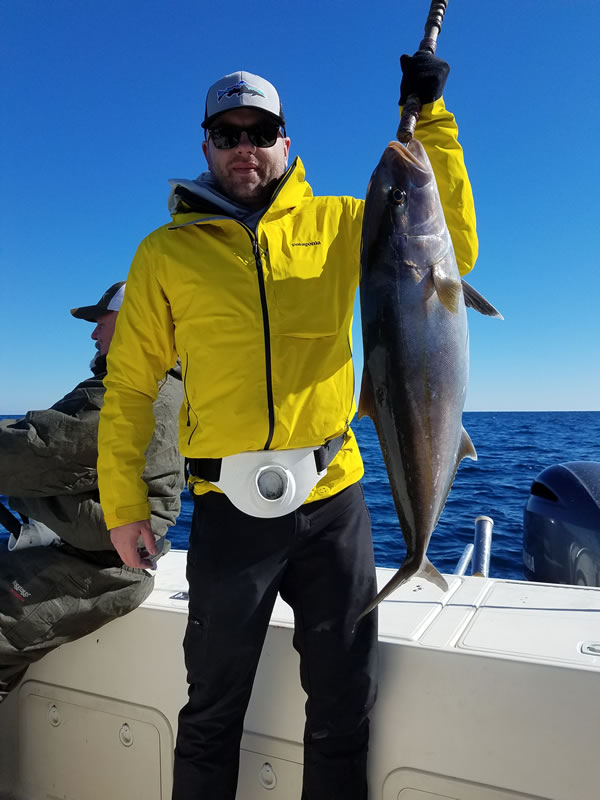
Credit: www.doubletimecharters.com
Legal And Licensing Requirements
Fishing regulations protect ocean life and keep you out of trouble.
- Fishing License: Most areas require a fishing license for deep sea fishing, even if you’re on a charter. Check local laws and buy your license in advance.
- Permits for Specific Species: Some fish, like bluefin tuna or snapper, need special permits. Research which species you may catch and get the right paperwork.
- Identification: Bring a photo ID (driver’s license or passport). Some charters require ID to verify your license.
- Regulation Booklet or App: Laws change often. Have a printed booklet or official app for your region’s fishing limits and seasons.
Insider tip: Some charters include all permits and licenses in their price, but not all do. Ask your captain before the trip.
Navigation And Communication
On the open sea, GPS and radios are your connection to safety.
- GPS Device: A portable marine GPS helps you track your location, especially if you’re piloting your own boat.
- VHF Marine Radio: Cell phones rarely work far from shore. A VHF radio lets you contact the Coast Guard or other boats in emergencies.
- Compass and Maps: Electronics can fail. A simple compass and nautical chart are vital backups.
- Boat Documentation: If you’re using your own boat, carry registration papers, insurance, and inspection certificates.
Less-known advice: Learn basic radio protocols. In emergencies, knowing how to call for help quickly can save lives.
Storage And Organization
Staying organized keeps your gear safe and your trip stress-free.
- Dry Bags: Store clothing, electronics, and important papers in waterproof dry bags. Even small splashes can ruin things.
- Tackle Storage: Use compartmented tackle boxes for hooks, lures, and sinkers. Label containers for fast access.
- Buckets and Fish Bags: Bring a sturdy bucket for rinsing gear or carrying bait. Use insulated fish bags for your catch.
- Trash Bags: Pack all your trash out. Bring extra bags for old line, wrappers, and fish scraps.
Smart tip: Use color-coded bags or boxes. It’s easier to find items fast, especially on a moving boat.
Comfort And Convenience Items
Fishing can mean long hours in the sun and wind. A few comfort items make a big difference.
- Seat Cushion: Boat benches can be hard. Bring a small cushion for sitting during slow periods.
- Hand Towels: Wet hands are common. Pack quick-dry towels for cleaning up.
- Portable Fan or Cooling Towel: In hot climates, a battery fan or cooling towel helps you stay comfortable.
- Camera or GoPro: Capture memories with a waterproof camera. Make sure batteries are fully charged.
- Notebook and Pen: Jot down locations, fish caught, or gear used. This helps you improve for future trips.
Practical insight: Don’t overload with gadgets. Every extra item takes up space. Prioritize what you’ll really use.
Special Considerations For Beginners
First-timers often overlook key details that experienced anglers never forget. Here’s what you need to know:
- Ask About Provided Gear: Many charters provide rods, reels, and bait. Confirm what’s included so you don’t bring unnecessary items.
- Understand the Weather: Check the forecast. High winds or storms can make trips dangerous. If you’re unsure, ask your captain for advice.
- Know Your Limits: Deep sea fishing is physically demanding. If you’re prone to seasickness or not used to long hours in the sun, pace yourself.
- Handling Fish: Learn to handle fish safely. Some have sharp spines or teeth. Ask your captain for a quick lesson if you’re unsure.
- Tipping the Crew: In many places, it’s customary to tip the crew (usually 10-20%). Bring small bills in a waterproof pouch.
Little-known detail: Some boats have strict rules about shoes, smoking, or food. Read all instructions before boarding.
Sample Packing Checklist
To help you remember, here’s a sample packing checklist for a full day of deep sea fishing:
- Heavy-duty rod and reel (if not provided)
- Extra fishing line and leader
- Variety of hooks, lures, and sinkers
- Waterproof tackle box with tools
- Rain jacket and sun-protective clothing
- Polarized sunglasses and wide-brim hat
- Non-slip, closed-toe shoes
- Sunscreen and UV lip balm
- Fishing gloves
- Life jacket (if not provided)
- First aid kit and seasickness remedies
- Emergency whistle or mirror
- Fishing knife or line cutter
- Waterproof phone case
- 2+ liters water and sports drinks
- Protein snacks and simple lunch
- Cooler with ice
- Fishing license, permits, and photo ID
- Compass, GPS, and VHF radio
- Dry bags for valuables
- Tackle storage and buckets
- Trash bags
- Seat cushion
- Hand towels
- Camera/GoPro (optional)
- Notebook and pen
- Small cash for tips
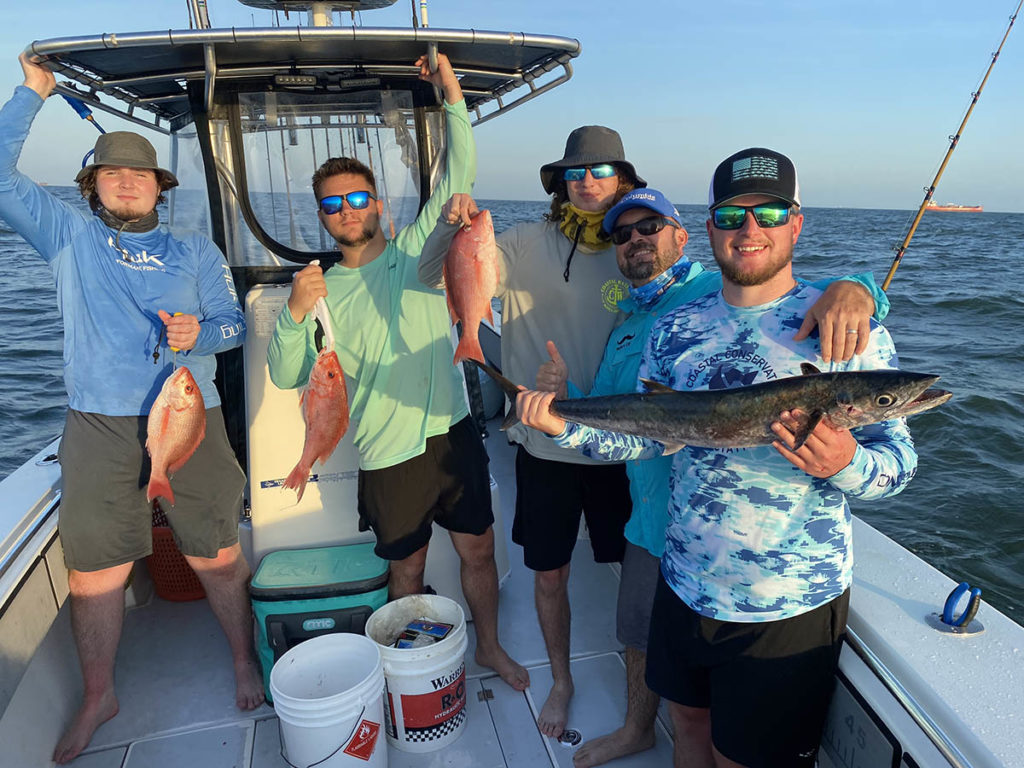
Credit: galvestonseaventures.com
Quick Comparison: Charter Vs. Private Boat Packing
If you’re deciding between a charter trip or using your own boat, what you need to bring changes. Here’s a side-by-side look:
| Item | Charter Trip | Private Boat |
|---|---|---|
| Rods & Reels | Usually Provided | Bring Your Own |
| Licenses & Permits | Sometimes Included | Always Required |
| Safety Gear | Provided | Bring Your Own |
| Navigation Devices | Captain Handles | You Provide |
| Bait & Tackle | Often Provided | Bring Your Own |
| Food & Water | Usually Bring | Always Bring |
Example: Packing For Different Weather
Weather affects what you pack. Let’s see how your gear changes for different conditions.
| Weather | Key Clothing & Gear | Extra Items to Pack |
|---|---|---|
| Hot & Sunny | Sun shirt, shorts, hat, sunglasses | Cooling towel, extra water, SPF 50+ sunscreen |
| Rainy | Rain jacket, waterproof pants, boots | Extra dry bags, spare socks, quick-dry towel |
| Windy/Cool | Windbreaker, layered clothing, gloves | Thermal shirt, hand warmers, hot drinks |
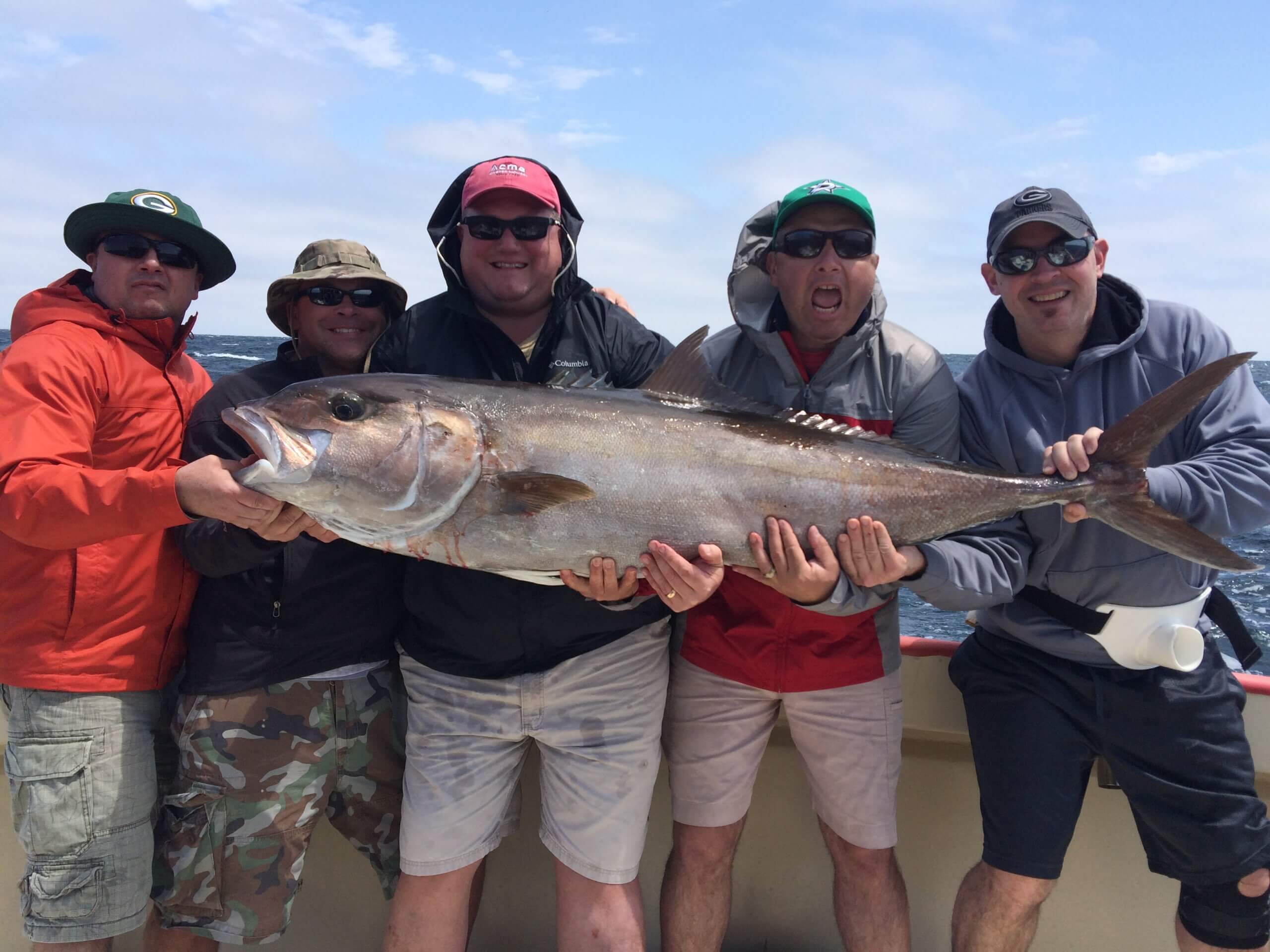
Credit: captmikecharters.com
Mistakes To Avoid When Packing
Even experienced anglers sometimes make packing mistakes that cause problems on the water.
- Overpacking: Too much gear makes moving around the boat difficult and increases the chance of dropping things overboard. Stick to essentials.
- Ignoring Weather Forecasts: Packing for the wrong weather leads to discomfort and safety risks. Always check the forecast before you pack.
- Forgetting Legal Documents: Not having your license or permits can lead to fines or your trip being cancelled.
- Poor Footwear Choices: Regular sneakers or sandals can be dangerous. Always use non-slip, closed-toe shoes.
- Not Labeling Gear: Many people fish together on charters. Label your gear to prevent mix-ups.
Advanced tip: Photograph your packed gear before leaving home. If something goes missing, you have a record to help recover it.
Where To Learn More
For more about safe fishing practices and regulations, the National Oceanic and Atmospheric Administration (NOAA) offers up-to-date information and tips. Visit the NOAA Recreational Fishing page for details.
Frequently Asked Questions
How Early Should I Arrive Before My Deep Sea Fishing Trip?
Arrive at least 30–45 minutes early. This gives you time to meet the crew, review safety instructions, and get your gear organized. Rushing leads to forgotten items and stress.
What Type Of Bait Works Best For Deep Sea Fishing?
It depends on the fish species and location. Common choices are live bait like squid, sardines, or mackerel. Artificial lures such as metal jigs and trolling skirts can also be very effective. Ask your captain or local bait shop for recommendations.
Can I Bring Children On A Deep Sea Fishing Trip?
Yes, but make sure the charter allows children and provides child-sized life jackets. Trips can be long and tiring, so consider shorter outings for younger kids. Always supervise children closely.
What Should I Do If I Get Seasick?
Take motion sickness pills before boarding, not after symptoms start. Stay hydrated, focus on the horizon, and avoid heavy foods. If you feel sick, get fresh air and try to rest.
Do I Need To Bring My Own Fishing Equipment?
Most charters provide basic fishing gear. If you prefer your own rod or reel, check with the company first. Always bring personal items like sun protection, snacks, and a camera.
Deep sea fishing is an amazing experience, but preparation is key. With the right gear and knowledge, you’ll be ready for anything the ocean brings. Good luck—and tight lines!