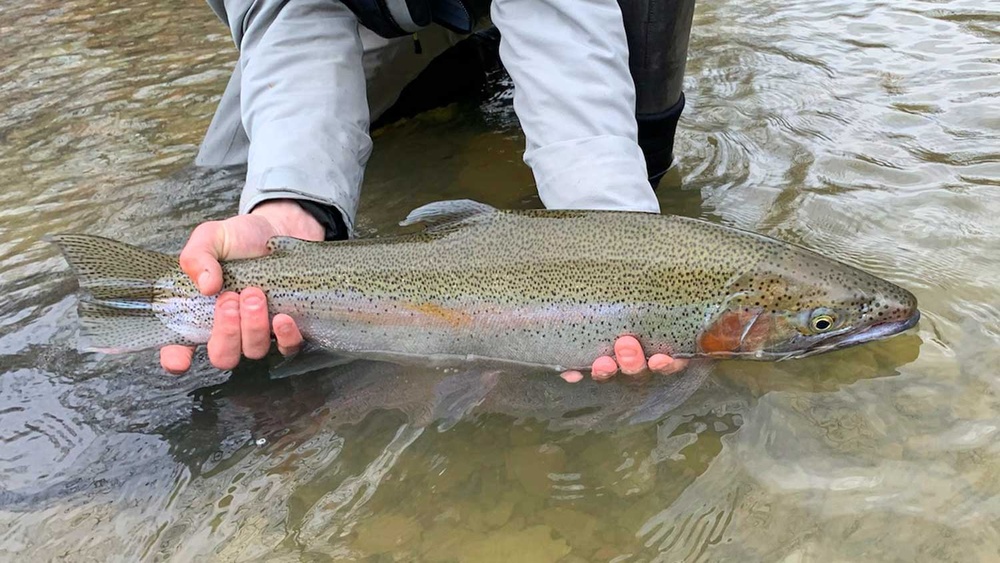
Fly fishing often appears as a sport for those with deep pockets. You might see photos of people in expensive gear, standing in beautiful rivers, holding pricey rods. But is fly fishing really expensive, or is it just a myth?
The answer is more complex than a simple yes or no. The cost depends on how you approach the sport, what you want from it, and the choices you make along the way. Let’s explore the truth about the cost of fly fishing, from the basics to the hidden details that beginners often miss.
What Is Fly Fishing And Why Does It Seem Expensive?
Fly fishing is a special way to fish using artificial flies as bait, a lightweight line, and a unique casting technique. Unlike regular fishing, where the weight is in the lure, in fly fishing, the weight is in the line. This method looks elegant but also requires different tools and skills.
Why does it seem expensive? Several reasons:
- Gear looks high-tech and exclusive.
- Many stores and guides promote premium products.
- The sport is linked with travel to famous rivers and remote areas.
- There’s a strong tradition of craftsmanship and brand prestige.
But the reality is that the cost barrier can be higher or lower depending on your choices. It’s possible to fly fish on a budget, but there are also opportunities to spend a lot.
The Essential Gear: Breaking Down The Costs
To get started in fly fishing, you need some essential items. Let’s look at what you’ll need and what they usually cost.
| Item | Budget Price (USD) | Mid-Range Price (USD) | Premium Price (USD) |
|---|---|---|---|
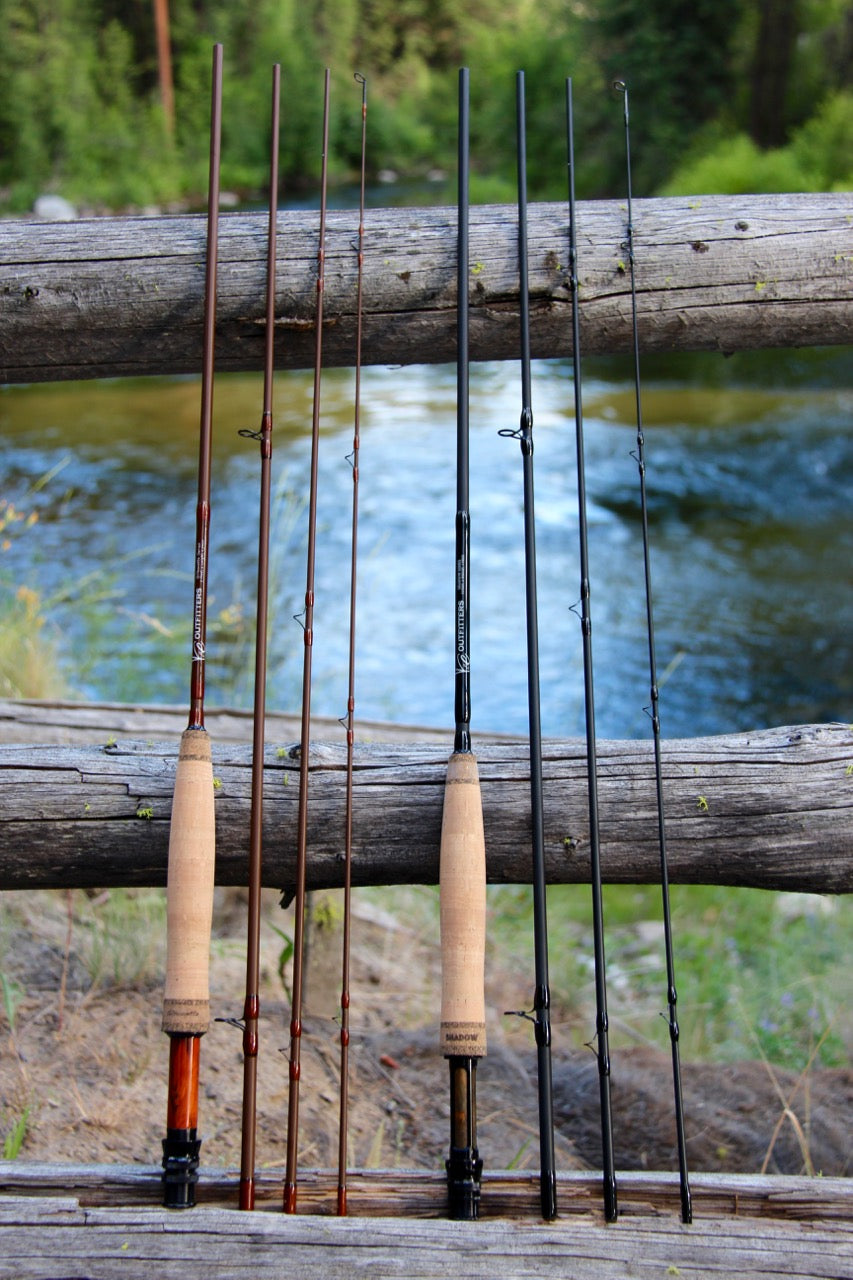
| Fly Rod | 40-100 | 150-350 | 400-1,000+ |
| Fly Reel | 30-60 | 80-200 | 250-900+ |
| Fly Line | 20-40 | 45-80 | 90-150 |
| Leader & Tippet | 5-15 | 15-30 | 30-50 |
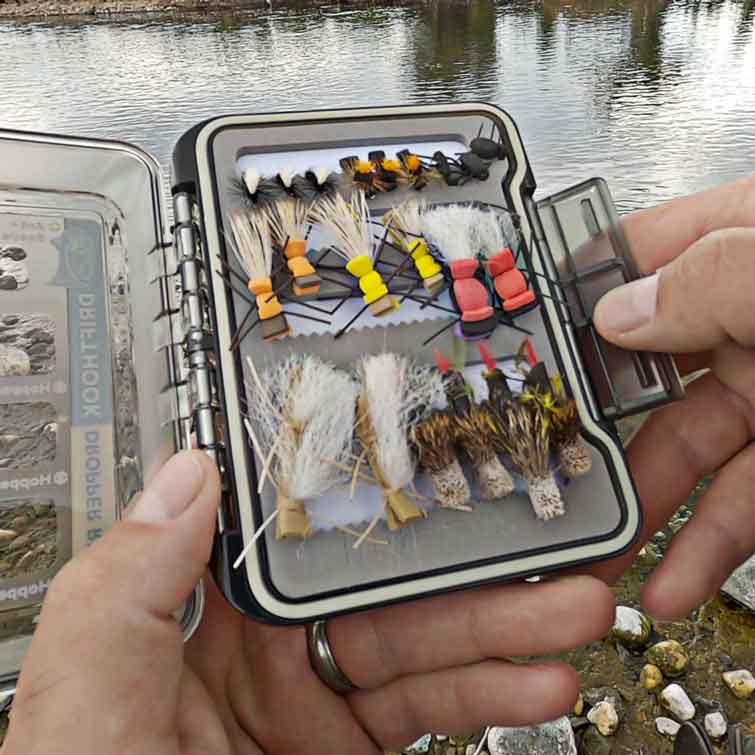
| Flies | 1-2 each | 2-4 each | 5-10 each |
| Waders & Boots | 60-150 | 200-400 | 500-1,200+ |
| Vest/Pack | 20-40 | 60-120 | 150-400 |
| Other Accessories | 20-50 | 75-200 | 250-600 |
If you add up only the basics at budget prices, you could start fly fishing for around $200–$350. On the other hand, a full set of premium gear can easily reach $2,500 or more.
Where Beginners Overspend (and How To Avoid It)
Many newcomers think they must buy the best gear from the start. But you don’t need a $1,000 rod to enjoy fly fishing or to catch fish.
Common beginner mistakes include:
- Buying expensive gear before learning the basics.
- Purchasing too many flies or accessories that are rarely used.
- Focusing on brand names over function.
A simple, well-matched setup at the budget or mid-range level is often enough for years of fun. Try gear in person if possible, and ask experienced anglers for honest advice.
The True Cost: Beyond Gear
Buying gear is just one part of fly fishing costs. There are other expenses that can add up, both obvious and hidden.
Fishing Licenses And Permits
Most places require a fishing license. The price depends on the country, state, or region, and sometimes on the species you want to catch.
- In the US, a basic annual license usually costs $20–$50 for residents. Non-residents may pay more, sometimes up to $100–$200.
- Special permits for trout or salmon may cost extra.
- Some private waters require daily or season access fees.
Travel And Accommodation
Travel is a big reason why fly fishing can become expensive. Some rivers and lakes are far from home or in remote places.
- Local trips: Just gas money or public transport fare.
- Weekend trips: Add accommodation, food, and perhaps guide fees.
- Destination trips: Flights, rental cars, hotels, and sometimes expensive guided packages.
A weekend trip to a famous trout river could cost $300–$1,000 depending on where you go and how you travel. International fly fishing trips, such as to Patagonia or New Zealand, can cost several thousand dollars.
Guided Trips And Lessons
Hiring a fly fishing guide is popular, especially for beginners or when visiting new places.
- Half-day guide: $200–$350
- Full-day guide: $350–$700
- Group lessons: $50–$200 per person
Guides can make a huge difference in learning and success. However, using a guide every time is not required.
Flies And Tackle Replacement
Flies get lost or damaged. Leaders and tippets need replacing after use. Over a season, this might add:
- Flies: $20–$100 per year (more if you lose many)
- Leaders/tippets: $20–$50 per year
Clothing And Weather Protection
Good clothing keeps you comfortable and safe. You may need:
- Waders and boots for cold rivers
- Rain jacket for wet weather
- Hat, sunglasses, sunscreen for sun protection
Basic clothing can be affordable, but high-end technical wear adds to the bill.
Maintenance And Repairs
Rods and reels need cleaning. Waders and boots may need patching. Occasional maintenance is cheap but repairs or replacement can be costly.
Fly Tying: A Hidden Cost Or A Savings?
Some anglers tie their own flies. This can save money if you fish a lot, but only after the initial investment in tools and materials.
- Basic fly tying kit: $50–$150
- Materials: $30–$100 to start
- Time: Tying flies takes patience and practice
Many enjoy tying flies as a hobby. But if you fish rarely, buying ready-made flies is often cheaper.
How Fly Fishing Compares To Other Types Of Fishing
Is fly fishing more expensive than other fishing styles? The answer depends on how you compare.
| Fishing Type | Basic Gear Cost (USD) | Typical Annual Expenses (USD) | Travel/Trip Cost (USD) |
|---|---|---|---|
| Fly Fishing | 200–500 | 100–500+ | 0–5,000+ |
| Spin Fishing | 50–200 | 50–200 | 0–2,000+ |
| Baitcasting | 100–300 | 50–300 | 0–3,000+ |
| Surf Fishing | 150–400 | 100–300 | 0–2,500+ |
| Ice Fishing | 100–400 | 100–400 | 0–1,500+ |
Fly fishing gear is often pricier than spin fishing gear, especially at the high end. But ongoing costs are similar, unless you travel often or use guides.
Ways To Save Money In Fly Fishing
Fly fishing doesn’t have to drain your wallet. With a few smart choices, you can enjoy the sport for less.
1. Start Simple
Buy only the essential gear at a budget or mid-range price. You don’t need the fanciest rod or reel to catch fish or to have fun.
2. Buy Used Gear
High-quality used gear can be found in local shops, online forums, or through friends. Many anglers upgrade regularly, so good bargains are common.
3. Join A Local Club
Fly fishing clubs often lend equipment, organize group trips, or offer lessons. Membership fees are usually low, and you can learn from others’ experience.
4. Fish Local Waters
Traveling far is not required. There may be good places to fish close to home, in city parks, rivers, or lakes. Local fishing cuts costs dramatically.
5. Limit Accessories
Focus on the basics. Many accessories are nice but not essential. Over time, you’ll learn what you actually use.
6. Learn To Tie Basic Flies
If you fish often, tying a few simple flies can save money and add to the experience. Start with easy patterns like the Woolly Bugger or Elk Hair Caddis.
7. Take Care Of Your Gear
Clean rods, reels, and waders after each trip. Store them properly. A little care can extend the life of your equipment by years.
8. Look For Sales And Off-season Deals
Shops often offer discounts at the end of the season or around holidays. Buying last year’s model is often much cheaper with little difference in performance.
9. Share Costs
Carpool to fishing spots or split accommodation with friends. Group trips can be more affordable and more fun.
10. Avoid Overbuying Flies
Buy only the flies you’ll use for your local waters and target fish. Many beginners buy dozens of patterns they never use.
When Is It Worth Spending More?
Sometimes, investing in better gear or services is wise. Here are a few situations where it pays to spend more:
- If you fish often, a higher-quality rod or waders last longer and perform better.
- For travel to remote or challenging waters, reliable equipment is essential.
- Hiring a guide for a day can speed up your learning, help you find fish, and keep you safe.
- If you have a specific health or comfort need (e.g., cold feet, back pain), premium waders or boots can be worth the extra cost.
Remember, the most expensive gear doesn’t always catch the most fish. Skill, experience, and local knowledge matter more.

Credit: www.internationalhobbyist.com
The Psychology Of Price: Why Fly Fishing Feels Pricey
Part of the reason fly fishing seems expensive is psychological. The sport is often marketed as exclusive, with glossy ads showing luxury travel and gear. There’s also a tradition of craftsmanship and history, with some brands and products becoming collectibles.
But fishing is for everyone. Plenty of skilled anglers use affordable gear and fish close to home. The social aspect and the love of nature are free.
A non-obvious insight: High prices can sometimes make us value the experience more, but they don’t guarantee better results or more enjoyment. Many lifelong anglers find their best memories come from simple days with basic gear.
Real-world Examples Of Cost
Let’s look at two scenarios to see how costs can add up or stay low.
Scenario 1: Budget Fly Fisher
- Buys entry-level rod/reel combo: $120
- Buys basic waders/boots: $100
- Buys flies and line: $40
- Local fishing license: $30
- Total first-year cost: $290
- Ongoing annual cost: $50–$100 (flies, leaders, license renewal)
This person fishes local waters, joins a club, and doesn’t travel far. The cost is affordable and the sport is accessible.
Scenario 2: Premium Experience Seeker
- Buys top-brand rod/reel: $1,000
- Buys high-end waders/boots: $800
- Buys advanced accessories: $300
- Books guided trip: $500
- Travel and accommodation: $700
- Total first-year cost: $3,300
- Ongoing annual cost: $500–$1,000 (trips, guides, upgrades)
This person enjoys premium gear, travels to famous rivers, and hires guides. The cost is high, but the experiences may be unique.
Credit: drifthook.com
Two Key Insights Beginners Often Miss
- Skill beats gear: Expensive equipment helps, but knowing how to read water, cast well, and choose the right fly matters more. Practice and learning are free.
- Local waters hold secrets: You don’t need to travel far for great fishing. Many urban and suburban areas have hidden spots with surprisingly good fish. Exploring close to home saves money and builds experience.
The Hidden Value Of Fly Fishing
While cost is important, fly fishing offers non-monetary value:
- Time in nature improves mental health.
- The sport teaches patience, focus, and observation.
- It’s a community activity—clubs and friendships form easily.
- Catch and release means sustainability for future generations.
Many anglers say the moments of peace on the water are priceless. The memories last longer than any piece of gear.
Credit: keoutfitters.com
Frequently Asked Questions
Is Fly Fishing More Expensive Than Regular Fishing?
Fly fishing gear often costs more than basic spin or bait fishing gear, especially for rods, reels, and waders. However, if you focus on local waters and avoid expensive travel or guides, the total annual cost can be similar.
Can I Start Fly Fishing On A Tight Budget?
Yes. Many beginners start with a basic setup for $200–$350. You can also buy used gear, tie simple flies, and fish close to home to keep costs low.
Do I Need To Buy All The Gear At Once?
No. Start with the essentials: rod, reel, line, a few flies, and maybe waders if needed. Add other items over time as you learn what you really need.
Are Expensive Rods And Reels Worth The Money?
Premium rods and reels offer better performance and durability, but they are not required for beginners. It’s better to invest in skill and knowledge first, then upgrade gear as your interest grows.
Where Can I Find More Information About Fly Fishing Costs And Gear?
Check out resources from reputable organizations like Fly Fisherman Magazine for detailed gear reviews and cost breakdowns.
Fly fishing can be as affordable or as expensive as you make it. The true value is not in the price of the gear, but in the experiences, learning, and memories it brings. Whether you fish a local creek with a simple rod or travel the world with top equipment, the most important thing is to enjoy the water and the moment.