
Nearshore Vs Offshore Fishing: Everything You Need To Know
The world of fishing is bigger than many people think. For some, fishing means standing by a quiet river with a simple rod. For others, it means going out on the ocean, chasing big and powerful fish. When people talk about fishing in the sea, two main types come up again and again: nearshore fishing and offshore fishing.
If you’re new to these terms, you might wonder: What’s the real difference? Is one better than the other? Which one is right for you? Understanding the difference between nearshore and offshore fishing will help you choose the best experience for your skills, budget, and expectations.
Many beginners only see the obvious: nearshore is closer to the coast, offshore is farther away. But there’s a lot more to consider. The type of boat, the equipment, the types of fish, safety, cost, and even the weather can all change depending on your choice. Let’s explore everything you need to know about nearshore vs offshore fishing, so you can plan your next adventure with confidence.
What Is Nearshore Fishing?
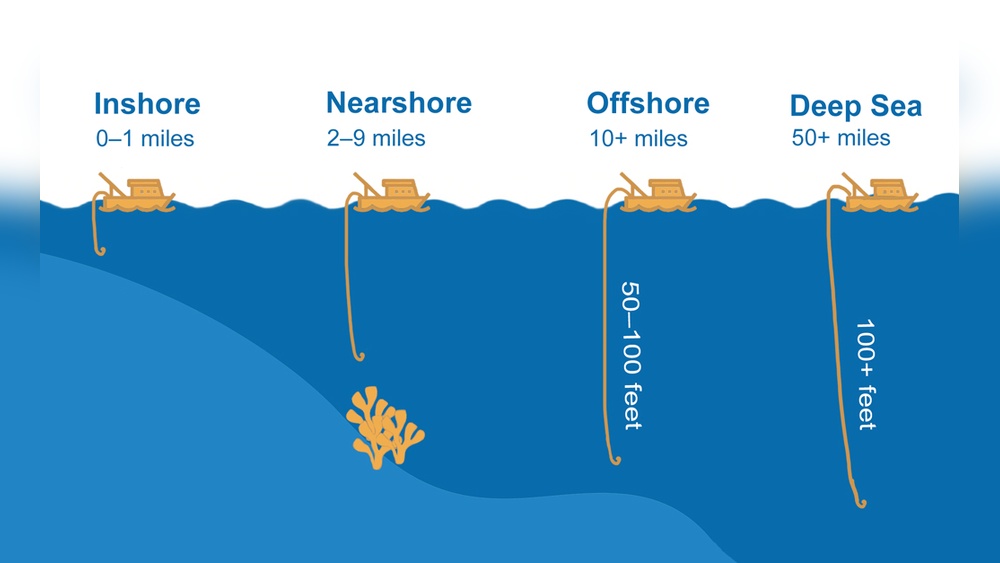
Nearshore fishing takes place in the waters just off the coast, usually between 1 and 9 miles from land. These waters are often shallower than 100 feet, and you can usually see the shoreline in the distance. Nearshore trips are popular for both beginners and experienced anglers because they offer a good mix of excitement and accessibility.
Some people call nearshore fishing “inshore,” but this isn’t quite correct. Inshore fishing is even closer to the land—think bays, estuaries, and coastal flats. Nearshore covers the area beyond the inshore zone but not as far as true offshore waters.
Common Nearshore Species
You can catch a surprising variety of fish near the coast. Some of the most popular nearshore species include:
- Snapper (such as Red Snapper)
- Grouper
- King Mackerel
- Spanish Mackerel
- Cobia
- Sheepshead
- Flounder
- Tarpon (seasonal)
- Amberjack
These fish range from small and tasty to large and strong. Some, like king mackerel and cobia, are famous for their fighting ability.
Typical Nearshore Boats And Gear
Nearshore fishing doesn’t require huge boats. Most trips use boats between 20 to 30 feet long. These boats have enough power to handle small waves but are still easy to maneuver and park. They often have center consoles and open decks for more fishing space.
The gear is also lighter than what you’d use offshore. Medium-strength rods and reels with lines rated for 15-30 pounds are common. You’ll often use both live bait (like shrimp or small fish) and artificial lures.
Nearshore Fishing Experience
A nearshore trip usually lasts 4 to 6 hours. You’ll often fish around natural or artificial reefs, wrecks, jetties, or rocky bottoms. The ride out is usually smooth, and seasickness is less of a concern. Nearshore fishing is great for families, people with limited time, or anyone who wants a fun day on the water without going far out.
Advantages Of Nearshore Fishing
- Short travel time: You spend less time getting to the fishing grounds and more time fishing.
- Lower cost: Smaller boats and less fuel make nearshore trips more affordable.
- Easier on beginners: Calmer waters and a shorter trip are less intimidating.
- Variety of fish: Good mix of edible and sport fish.
- Flexible schedules: Many trips can be half-day, making it easy to fit into a busy plan.
Limitations Of Nearshore Fishing
- Fewer chances for the largest trophy fish.
- Weather can still affect safety but usually less than offshore.
- Some species are seasonal and may not always be available.
- Popular spots can get crowded, especially in tourist areas.
What Is Offshore Fishing?
Offshore fishing, also called deep sea fishing, takes place much farther from land—often 10 miles or more out, sometimes 50 miles or beyond. The water is much deeper, often hundreds or thousands of feet. Offshore trips aim for big, powerful fish that live in open ocean waters.
These trips require more preparation, bigger boats, and stronger gear. Offshore fishing is an adventure, but it’s not for everyone.
Common Offshore Species
When you go offshore, you’re targeting some of the most exciting fish in the sea. Popular offshore species include:
- Mahi-mahi (Dolphinfish)
- Tuna (Yellowfin, Bluefin, Blackfin)
- Marlin (Blue, White)
- Sailfish
- Wahoo
- Swordfish
- Sharks (various types)
- Amberjack (larger than nearshore)
- Grouper (deep-water species)
These fish are strong, fast, and sometimes huge—some tuna can weigh over 500 pounds!
Typical Offshore Boats And Gear
Offshore boats are much larger, often 30 to 60 feet or more. They have powerful engines, deep hulls to handle big waves, and special safety equipment. Many have cabins, bathrooms, and even sleeping areas for overnight trips.
The gear is heavy-duty. Reels hold hundreds of yards of strong line (50-130 pounds or more). Rods are thick and built to handle long fights. You’ll also use outriggers, downriggers, and sometimes electric reels for deep drops.
Offshore Fishing Experience
Offshore trips are longer, usually 8 to 12 hours, and sometimes overnight. You may travel 1-3 hours just to reach the fishing grounds. The sea is rougher, and seasickness is more common, especially for beginners.
The rewards? The chance to battle giant fish, see dolphins or whales, and experience the open ocean like few people ever do.
Advantages Of Offshore Fishing
- Trophy fish: The biggest, most powerful species are found offshore.
- Less competition: Fewer boats reach these distances, so spots are less crowded.
- Adventure: Offshore trips feel like a true expedition.
- Rare species: Some fish can only be caught far from shore.
- Biggest catches: Offshore fish can be huge—over 1,000 pounds for some marlin.
Limitations Of Offshore Fishing
- High cost: Bigger boats, more fuel, and specialized gear mean higher prices.
- Longer trips: You’ll spend most of the day (or night) on the water.
- Weather risk: Conditions can change quickly, making trips dangerous at times.
- Physical challenge: Fighting big fish and rough seas can be exhausting.
- Not beginner-friendly: It can be tough for those with little fishing or boating experience.
Credit: www.youtube.com
Key Differences Between Nearshore And Offshore Fishing
While both types are exciting, they are very different experiences. Here’s a direct comparison to help you see the main differences at a glance.
| Factor | Nearshore Fishing | Offshore Fishing |
|---|---|---|
| Distance from shore | 1-9 miles | 10+ miles (often 20-50+ miles) |
| Water depth | 10-100 feet | 100-1,000+ feet |
| Trip duration | 4-6 hours | 8-12+ hours (sometimes overnight) |
| Boat size | 20-30 feet | 30-60+ feet |
| Target species | Snapper, Grouper, King Mackerel, etc. | Tuna, Marlin, Sailfish, Swordfish, etc. |
| Cost | Lower | Higher |
| Experience level | Beginner to intermediate | Intermediate to advanced |
| Weather impact | Less severe | Can be extreme |
Factors To Consider When Choosing Nearshore Or Offshore
Choosing between nearshore and offshore is not just about distance. Here are some important factors to help you decide which is right for your next trip.
1. Experience Level
If you are new to fishing or boating, nearshore fishing is a safer, easier place to start. The water is calmer, and the fish are easier to handle. Offshore fishing is better suited for those with some experience, as it can be physically and mentally demanding.
2. Budget
Nearshore trips are less expensive. Smaller boats, less fuel, and shorter trips mean you pay less. Offshore trips can cost $1,000 to $3,000+ for a full day, depending on the location and boat size. This is because of fuel, special gear, and the need for a professional crew.
3. Group Size And Age
Nearshore trips are better for families, children, and older adults. The calmer water and shorter duration make it more comfortable. Offshore trips are best for groups of adults or experienced teens.
4. Target Species
If you dream of catching a marlin, tuna, or swordfish, you’ll need to go offshore. For tasty fish like snapper or grouper (that are also easier to cook), nearshore is perfect.
5. Time Available
Nearshore trips can be done in a half-day, so they fit into a busy vacation schedule. Offshore trips need a full day, and sometimes an overnight commitment.
6. Seasickness And Comfort
If you or someone in your group gets seasick easily, nearshore is usually much easier to handle. Offshore trips can be rough, with big waves and lots of boat movement.
7. Safety
Both types of fishing can be safe with the right captain and preparation. However, offshore fishing carries more risk if bad weather hits or someone gets injured far from shore. Always check the safety record of the charter company you choose.
8. Regulations And Licensing
Fishing rules are strict in many places. Some species are protected, and seasons can change. Offshore fishing often requires special licenses and permits, which a good charter will provide. Nearshore fishing is usually simpler, but it’s always smart to check local regulations.
9. Weather Conditions
Weather affects both nearshore and offshore trips, but the risk is much higher offshore. Strong winds and storms can build quickly far from shore. Always listen to your captain and be ready for changes.
10. Fish Size And Fight
Nearshore fish can put up a good fight, but nothing compares to the power of a large tuna or marlin offshore. If you want to test your strength and skill, offshore is the ultimate challenge.

Credit: toadfish.com
Costs: What To Expect
Price can be a big deciding factor. Here’s a simple comparison to give you a sense of what you might pay.
| Type of Trip | Average Cost (per group) | What’s Included |
|---|---|---|
| Nearshore (4-6 hours) | $400 – $900 | Boat, captain, gear, bait, licenses |
| Offshore (8-12 hours) | $1,000 – $3,000+ | Boat, captain, crew, heavy gear, bait, licenses, meals (sometimes) |
Tip: Always ask what’s included. Some trips add fuel or cleaning fees, while others include everything.
Equipment Differences: What You’ll Use
The tools you use for nearshore and offshore fishing are very different. Choosing the right equipment is key for safety and success.
Nearshore Gear
- Medium spinning or baitcasting rods (6-7 feet)
- Reels with 15-30 lb test line
- Live bait (shrimp, small fish) or lures
- Light tackle for more fun fights
- Basic electronics (fish finder, GPS)
- Small coolers for keeping your catch
Offshore Gear
- Heavy trolling or stand-up rods (up to 8 feet, very strong)
- Reels with 50-130 lb test line (sometimes electric reels for deep drops)
- Big lures or live bait (bonito, squid)
- Outriggers and downriggers for spreading lines
- Fighting belts and harnesses to handle strong fish
- Safety gear: Life jackets, EPIRBs, satellite phones
A common mistake is using gear that’s too light offshore. Not only can you lose the fish, but you may also break your equipment or get hurt. Always match your tackle to your target species.
Safety: What You Need To Know
Safety is important for both nearshore and offshore, but the risks are much higher offshore. Here are some safety tips for each:
Nearshore Safety
- Always wear a life jacket
- Check the weather before you go
- Keep a VHF radio or cellphone in a waterproof case
- Know where you are (use GPS)
- Watch for other boats, swimmers, and shallow water
Offshore Safety
- Always go with a professional captain and crew
- Make sure the boat has emergency equipment: Life rafts, EPIRB, flares, first aid kit
- Let someone on land know your plan
- Carry extra food, water, and sun protection
- Watch the weather and be ready to return if conditions change
A mistake some beginners make is underestimating the ocean. Even experienced boaters can get into trouble offshore. Respect the sea and listen to your captain.
Tips For A Great Fishing Trip
Whether you choose nearshore or offshore, these practical tips will improve your trip:
- Plan ahead: Book early, especially during peak season.
- Ask about what’s included: Know if you need to bring food, drinks, or your own gear.
- Dress appropriately: Wear layers, non-slip shoes, and bring a hat and sunscreen.
- Pack light but smart: Only take what you need—space is limited on boats.
- Listen to your captain: They know the area and how to keep you safe.
- Prepare for motion sickness: Take medication before you leave if you’re worried.
- Follow regulations: Respect size and bag limits to protect fish populations.
- Be patient: Fishing is unpredictable—sometimes the best catches come when you least expect.

Credit: www.youtube.com
Two Non-obvious Insights Most Beginners Miss
- Changing Conditions Affect Both Types Differently: Many beginners think that bad weather only ruins offshore trips. In reality, nearshore fishing can also get tough when the wind changes direction or when tides are stronger than usual. Some of the best nearshore fishing happens just before a storm, but you need to watch the weather closely and be ready to leave quickly.
- Fish Movement and Seasons Matter More Offshore: Offshore fish often migrate long distances. If you go offshore without checking recent reports or migration patterns, you might spend hours without a bite. Nearshore fish are more likely to be around year-round, but offshore trips need more research and planning for the best results.
Which Is Right For You?
The choice between nearshore and offshore fishing depends on your goals, budget, and comfort level. If you want an easy, fun day with a chance to catch dinner, nearshore is perfect. If you dream of battling a giant fish in the deep blue, offshore is the adventure for you.
Don’t be afraid to ask questions when booking a trip. A good charter captain will help you choose the right trip based on your group and wishes. Many people start with nearshore, then move up to offshore as they gain experience and confidence.
For more detail on fishing safety and best practices, see the NOAA Fisheries overview.
Frequently Asked Questions
What Is The Main Difference Between Nearshore And Offshore Fishing?
Nearshore fishing happens close to the coast (1-9 miles out) in shallower water and usually targets smaller but still exciting fish. Offshore fishing is farther from land (10+ miles out), in much deeper water, and targets larger, more powerful species.
Is Offshore Fishing Dangerous?
Offshore fishing carries more risks because you’re far from land and in deeper, rougher water. With an experienced captain, good equipment, and the right safety gear, it is as safe as possible. Always check the weather and the safety record of your charter.
Can Beginners Go Offshore Fishing?
Beginners can try offshore fishing, but it’s a tough place to start. The trips are long, the seas are rougher, and the fish are stronger. Nearshore fishing is usually better for beginners. If you try offshore, go with a trusted, professional crew.
What Should I Bring On A Fishing Trip?
Bring weather-appropriate clothing, sunscreen, a hat, sunglasses, motion sickness medicine (if needed), snacks, drinks, and a camera. Check with your charter to see if you need to bring your own food, drinks, or cooler for your catch.
Do I Need A Fishing License?
Most charter boats provide all required licenses as part of the trip, but it’s smart to confirm when booking. If you fish on your own boat, you will likely need a license for both nearshore and offshore fishing. Always check local regulations.
Whether you’re looking for a relaxing day or a big adventure, understanding the differences between nearshore and offshore fishing helps you make the best choice for your next trip. The sea is waiting—pick your spot, and get ready for some unforgettable moments on the water!