
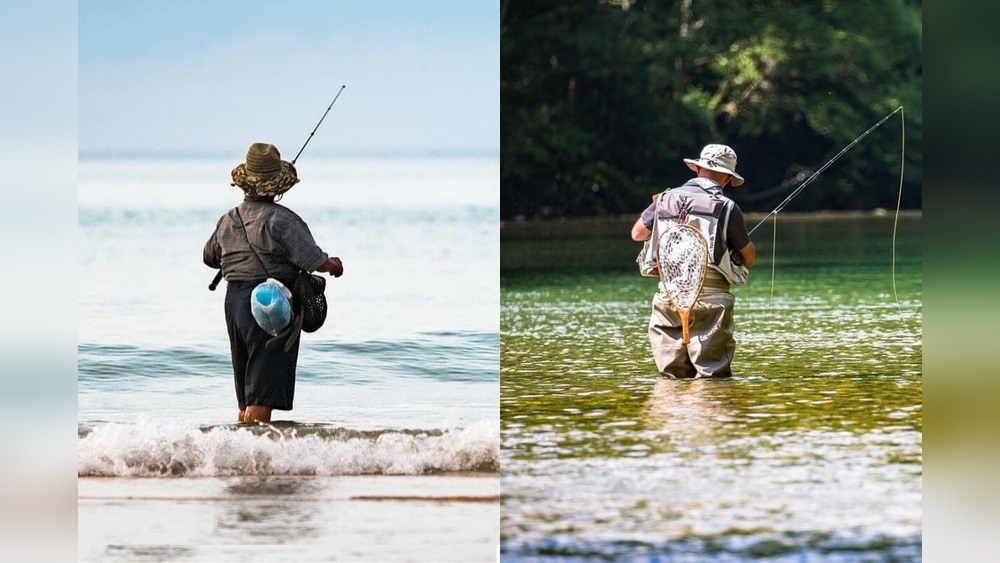
Freshwater Vs Saltwater Fishing
Fishing is one of the oldest and most rewarding outdoor activities in the world. For many, it’s more than just a hobby—it’s a way to connect with nature, challenge skills, and find peace. But before you start, you face an important choice: freshwater fishing or saltwater fishing. Each offers unique experiences, challenges, and rewards. Understanding the differences is key, whether you’re a beginner or looking to expand your fishing adventures.
This guide breaks down everything you need to know about freshwater versus saltwater fishing. You’ll learn how these two styles compare in terms of gear, fish species, techniques, locations, costs, and more. You’ll also discover hidden challenges and common beginner mistakes that aren’t obvious at first glance.
By the end, you’ll have the clarity to choose the best path for your next fishing trip.
What Is Freshwater Fishing?
Freshwater fishing takes place in lakes, rivers, ponds, and streams—anywhere the water does not contain significant salt content. This style is often the entry point for new anglers due to its accessibility and simplicity. In most countries, freshwater spots are easy to reach, and you don’t always need a boat or expensive equipment.
Common Freshwater Locations
- Lakes: Both small and large, lakes often have easy access points and piers.
- Rivers: Rivers provide moving water, which affects fish behavior.
- Ponds: Great for beginners and children—often stocked with fish.
- Reservoirs: Man-made lakes that can be deep and wide.
Popular Freshwater Fish Species
- Bass (largemouth, smallmouth)
- Trout (rainbow, brown, brook)
- Catfish
- Crappie
- Bluegill
- Carp
- Pike
Freshwater fish are typically smaller than their saltwater cousins, but landing a big bass or a strong catfish can still be a thrilling experience.
What Is Saltwater Fishing?
Saltwater fishing happens in the ocean or sea—environments with higher salt content. This type opens the door to bigger fish, more variety, and sometimes more dramatic conditions. Saltwater fishing can be done from shore, piers, boats, or even deep sea platforms.
Common Saltwater Locations
- Coastlines and Beaches: Shore-based fishing with simple gear.
- Piers and Jetties: Easy access to deeper water without a boat.
- Bays and Estuaries: Mix of salt and freshwater species.
- Offshore: Deep sea fishing far from land, often with specialized boats.
Popular Saltwater Fish Species
- Redfish
- Snapper
- Grouper
- Mackerel
- Tuna
- Marlin
- Tarpon
- Sharks
Saltwater fish are often larger and stronger, offering a different kind of challenge and excitement.
Key Differences At A Glance
To help you quickly compare, here’s an overview of the main differences between freshwater and saltwater fishing.
| Feature | Freshwater Fishing | Saltwater Fishing |
|---|---|---|
| Location | Lakes, rivers, ponds | Oceans, seas, bays |
| Fish Size | Small to medium | Medium to very large |
| Gear Needed | Basic rods, reels, lures | Heavier, corrosion-resistant gear |
| Accessibility | Easy, often walk-in | May require boat or travel |
| Cost | Lower | Higher |
| License Complexity | Simpler, local permits | May need special or multiple permits |
Gear And Equipment: What Changes?
Choosing the right fishing gear is crucial. The water type affects rod strength, line material, hooks, and even your tackle box. Beginners often overlook how saltwater can quickly damage regular gear.
Freshwater Fishing Gear
Most freshwater fishing can be done with affordable, lightweight gear:
- Rods and Reels: Medium or light action rods are common. Spinning reels are popular due to their ease of use.
- Fishing Line: Monofilament or fluorocarbon lines, usually 4-12 lb test depending on the fish.
- Hooks and Lures: Worms, spinners, soft plastics, and small jigs are effective.
- Accessories: Basic tackle box, pliers, landing net.
Freshwater gear is more forgiving. You can use the same rod and reel for different fish, and repairs are usually easy and cheap.
Saltwater Fishing Gear
Saltwater fishing demands tougher, often specialized equipment:
- Rods and Reels: Heavier, with strong drag systems. Look for corrosion-resistant materials like graphite or anodized aluminum.
- Fishing Line: Heavier test (15-80 lb), sometimes braided for extra strength.
- Hooks and Lures: Larger, made to withstand biting and fighting from strong fish.
- Accessories: Salt-resistant tackle box, pliers, gaff, and sometimes a fighting belt.
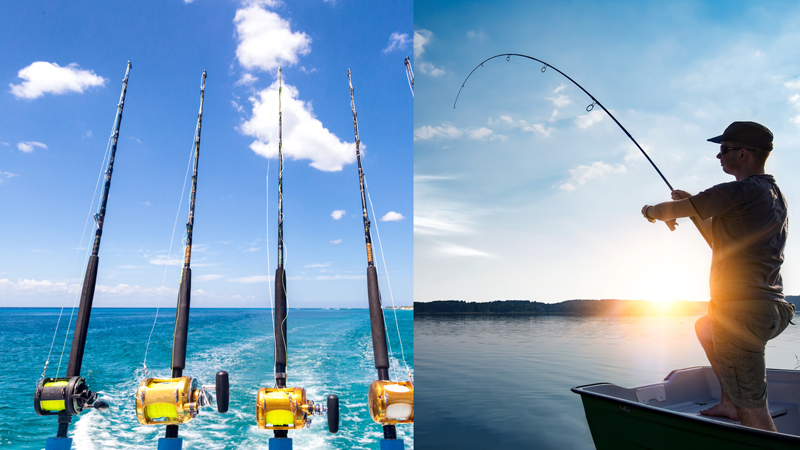
One key insight: Never use freshwater gear in saltwater without rinsing and maintenance. Salt causes rapid rust and gear failure. Always rinse your gear with fresh water after use.
Credit: www.g3boats.com
Technique And Approach: How Do They Differ?
The way you fish in freshwater is often different from saltwater, not just because of the fish, but also the environment and water movement.
Freshwater Techniques
- Casting and Retrieving: The most common method. Cast out your lure, then reel it back in, mimicking prey.
- Still Fishing: Letting bait sit on the bottom or suspended in water.
- Trolling: Moving the bait behind a slow-moving boat.
- Fly Fishing: Using a special lightweight lure (“fly”) and casting technique, especially for trout.
Freshwater fishing is often about stealth and precision. Fish can be easily spooked, and small changes in lure or retrieval speed can make a big difference.
Saltwater Techniques
- Surf Casting: Casting from the shore into the surf for fish like striped bass.
- Bottom Fishing: Dropping bait to the seafloor for snapper or grouper.
- Trolling: Pulling lures behind a boat for pelagic fish like tuna or mackerel.
- Jigging: Rapidly moving a lure up and down to attract predators.
- Deep Sea Fishing: Using heavy gear for large species far offshore.
Saltwater fishing often requires strength and endurance. Conditions can change quickly, and fish are usually more aggressive.
Fish Behavior And Habitat
Understanding how fish behave can dramatically increase your chances of success. This is an area where many beginners miss out—fish in freshwater and saltwater respond to different cues.
Freshwater Fish Habits
- Temperature Sensitive: Freshwater fish often move to deeper water in heat and come shallower in cool weather.
- Cover Seekers: Look for fish near structures like logs, rocks, or weed beds.
- Feeding Patterns: Many feed early morning or late afternoon.
A non-obvious tip: Pay attention to water clarity. If the water is muddy, use brighter lures. In clear water, natural colors work better.
Saltwater Fish Habits
- Tidal Influence: Saltwater fish are strongly affected by tides—rising and falling water changes feeding spots.
- Currents and Waves: Fish often gather where currents bring food, like around jetties or reefs.
- Migration: Many saltwater fish migrate seasonally, so timing is key.
An advanced insight: Learning tide charts can make or break a saltwater trip. High tide often brings fish close to shore, while low tide reveals hidden structure.
Cost Comparison: What Should You Expect?
Fishing can be affordable or expensive, depending on the choices you make. Here’s a direct comparison.
| Expense | Freshwater | Saltwater |
|---|---|---|
| Rod & Reel | $40–$150 | $80–$500+ |
| Fishing Line | $5–$15 | $10–$50 |
| Lures/Bait | $3–$20 | $5–$40 |
| License | $10–$50/year | $20–$150/year |
| Boat (optional) | $500–$20,000 | $2,000–$100,000+ |
Saltwater fishing generally costs more—gear must resist corrosion, and boat trips are pricier. However, you can minimize expenses by starting from shore or joining group charters.
Safety And Environmental Considerations
Both types of fishing require respect for safety and the environment, but the risks and responsibilities differ.
Freshwater Fishing Safety
- Weather Awareness: Sudden storms can cause rivers to rise or lakes to become dangerous.
- Wildlife: Watch for snakes, insects, or even bears in remote areas.
- Personal Flotation: Always wear a life jacket when fishing from a boat.
Saltwater Fishing Safety
- Sun and Heat: Open ocean means strong sun—use sunscreen and stay hydrated.
- Waves and Tides: Strong currents or waves can be dangerous. Check tide tables.
- Boating Risks: If you go offshore, carry a marine radio, GPS, and emergency gear.
Environmental Impact
- Catch and Release: Practice when possible to preserve fish populations.
- Avoid Invasive Species: Clean gear between trips to prevent spreading plants or diseases.
- Respect Local Regulations: Fishing rules protect both fish and ecosystems. Always check size and bag limits.
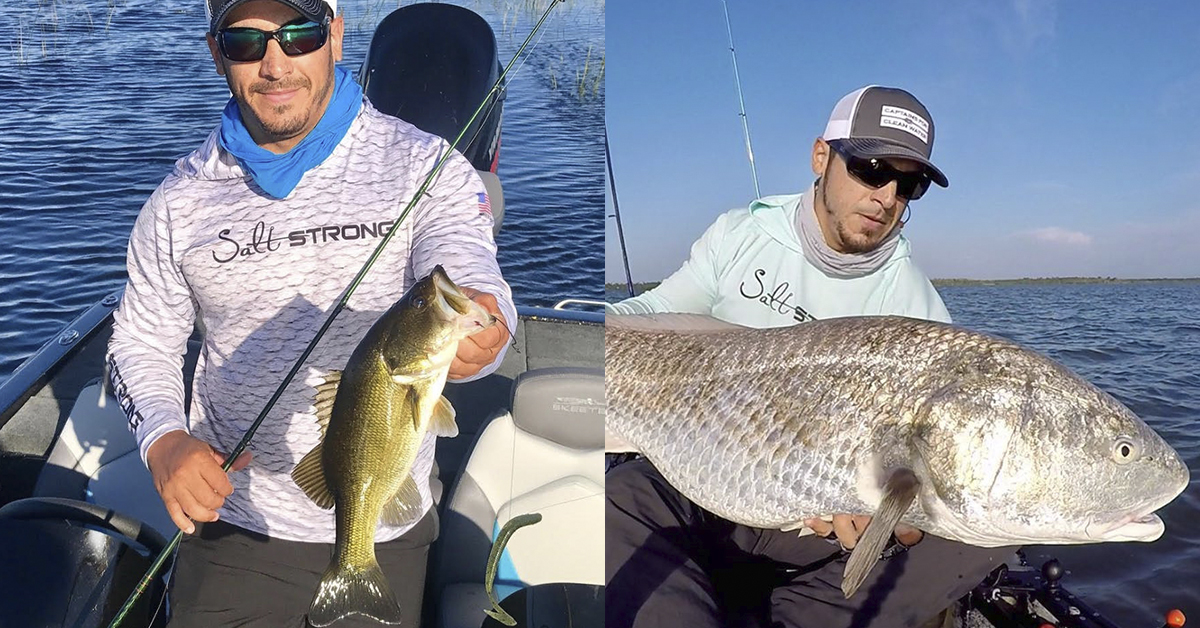
A subtle point: Saltwater environments are more sensitive to pollution. Even small amounts of oil, trash, or fishing line can have lasting effects. Always pack out what you bring in.
Credit: www.saltstrong.com
Pros And Cons: A Direct Comparison
Let’s look at the main advantages and disadvantages of each style.
Freshwater Fishing
Pros:
- Easier access, especially for beginners
- Lower equipment and travel costs
- Wide variety of local spots
- Great for family trips or solo relaxation
Cons:
- Typically smaller fish
- Can get crowded in popular areas
- Some waters are catch-and-release only
Saltwater Fishing
Pros:
- Larger, stronger fish
- More species diversity
- Exciting, high-adventure trips
- Beautiful ocean scenery
Cons:
- Higher costs for gear and boats
- Gear maintenance is critical
- Weather can limit outings
- Requires more advanced skills for offshore trips
Which Is Better For Beginners?
Most beginners start with freshwater fishing because it’s easier to learn and closer to home. You don’t need a boat, and simple gear is fine. However, if you live near the coast, saltwater fishing from a pier or beach is also beginner-friendly. Start with what’s available and comfortable, then expand as your skills grow.
A hidden insight: Joining a local fishing group or hiring a guide can speed up your learning and help you avoid costly mistakes.
Common Mistakes To Avoid
No matter which type you choose, these mistakes can spoil your experience:
- Ignoring Regulations: Always buy the correct license and follow local rules.
- Poor Gear Maintenance: Saltwater gear especially needs cleaning after every trip.
- Using the Wrong Bait: Research what your target fish eat in each environment.
- Fishing at the Wrong Time: Check local patterns for fish activity, like tide changes or dusk/dawn feeding.
- Neglecting Safety: Always carry basic first aid and emergency supplies.
A tip for both: Keep a fishing journal. Note where, when, and what you catch. Patterns appear over time, helping you become a better angler.
Freshwater And Saltwater Records
The size of fish you can catch varies dramatically. Here are some record catches that show the potential of each style.
| Fish Species | Freshwater Record | Saltwater Record |
|---|---|---|
| Bass | 22 lbs 4 oz (Largemouth) | N/A |
| Catfish | 646 lbs (Mekong Giant) | N/A |
| Tuna | N/A | 1,496 lbs (Atlantic Bluefin) |
| Marlin | N/A | 1,560 lbs (Black Marlin) |
As you can see, saltwater fishing offers access to some of the world’s largest fish.

Credit: www.youtube.com
How To Decide: Freshwater Or Saltwater?
Choosing between freshwater and saltwater fishing depends on a few factors:
- Location: What’s closer to you?
- Budget: How much do you want to spend?
- Adventure Level: Do you seek peace or excitement?
- Experience: Are you comfortable with boats and advanced gear?
- Fish Preferences: Are you after big game or a relaxing day by the lake?
There’s no “better” choice—just the best fit for your goals and lifestyle. Many anglers enjoy both, switching with the seasons or travel opportunities.
If you want more scientific background on fish environments, check out the excellent overview by the Wikipedia Fishing page.
Frequently Asked Questions
Is Freshwater Fishing Easier Than Saltwater Fishing?
Generally, yes. Freshwater fishing is easier for beginners. The gear is lighter, locations are easier to access, and fish are less likely to break your line. Saltwater fishing adds complexity with tides, weather, and gear maintenance.
Can You Use The Same Equipment For Both Types?
Not usually. Saltwater fishing requires corrosion-resistant gear. Using freshwater gear in saltwater can lead to rust and breakage. However, some rods and reels are designed for dual use—always check manufacturer recommendations.
Which Type Offers Bigger Fish?
Saltwater fishing usually offers bigger, stronger fish like tuna, marlin, and sharks. Freshwater fish are often smaller, though there are exceptions like catfish and sturgeon.
Do You Need Different Licenses For Each?
Yes. Most regions require separate licenses for freshwater and saltwater fishing. Always check local laws before you start, as fines can be steep for fishing without the correct permit.
What’s The Biggest Challenge For Beginners In Each Type?
For freshwater, it’s often learning to find fish and pick the right bait. For saltwater, managing gear maintenance and understanding tides are the main hurdles. Both require patience, observation, and respect for nature.
Whether you choose freshwater’s quiet streams or saltwater’s wild waves, fishing is a journey full of learning and joy. Start where you feel most comfortable, and let your curiosity lead you to new waters. Tight lines!