
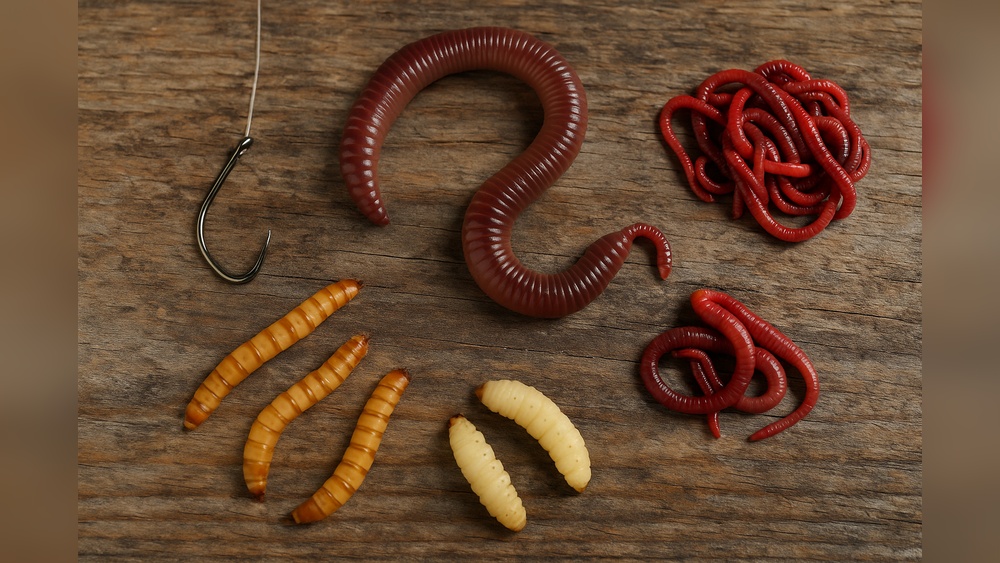
Many anglers know the secret: a healthy, active worm can mean the difference between catching a trophy fish and going home empty-handed. But not everyone realizes that what you feed your worms for fishing bait matters as much as how you store them. Feeding worms the right food keeps them lively, plump, and attractive to fish. The wrong foods can stress them, make them sick, or even kill them—leaving you with a box of useless bait. Whether you dig your own worms, buy them, or raise them at home, knowing what to feed worms for fishing is key if you want to catch more fish and save money in the long run.
This guide will help you understand what worms eat, which foods make the best worm bait, and what to avoid. You’ll also learn how to set up a simple worm feeding routine, the science behind worm nutrition, and get practical tips to keep your bait at its best.
If you’re serious about fishing or just want to save a few dollars, learning how to feed worms the right way is a skill worth mastering.
Why Feeding Worms Matters For Fishing
Worms are not just bait—they’re living animals with needs. When you feed them properly, worms become healthier and more active. These traits make them wriggle more on the hook, attracting fish with natural movement and scent. A well-fed worm is also fatter, which means you can cut one in half and still catch fish, stretching your bait supply.
On the other hand, starved or poorly fed worms get weak, shrink, or die. Dead worms lose their smell and movement, making them much less effective as bait. Even if you buy worms from a store, they may have been stored without food.
Feeding them before your fishing trip can wake them up and make them better bait.
Understanding Worms’ Natural Diet
Worms are decomposers. In the wild, they eat decaying leaves, rotting plant matter, and organic debris. Their digestive systems are simple, but they need a mix of foods to stay healthy. The main types of worms used for fishing, like red wigglers and nightcrawlers, can eat a wide range of things, but they do best with:
- Soft, moist foods that break down quickly
- Organic matter with some fiber
- Minerals like calcium for healthy skin and growth
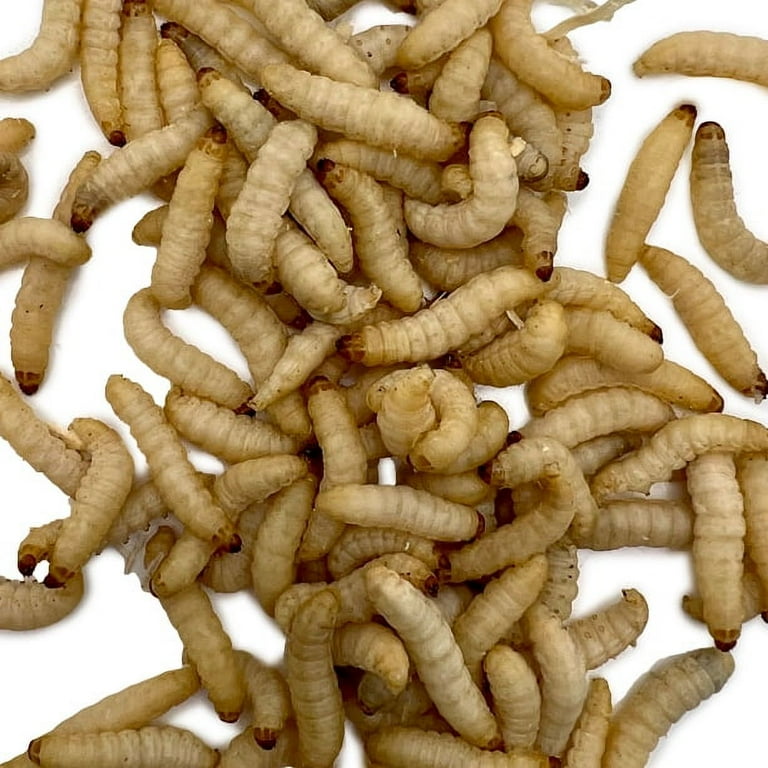
Worms do not have teeth. Instead, they grind food in a part of their body called the gizzard. For this to work, they need tiny pieces of grit—like fine sand or eggshells. If you want your worms to thrive, include a small amount of grit in their bedding or food.
Credit: allurelakestorey.com
Best Foods To Feed Worms For Fishing
Feeding worms for fishing is not complicated, but some foods work better than others. Here are the top options, with tips on how to use each one.
1. Fruit And Vegetable Scraps
Worms love fruit and veggie scraps. Apples, pears, bananas, carrots, and pumpkins are favorites. Cut scraps into small pieces for faster breakdown. Avoid citrus (oranges, lemons) and onions, which are too acidic.
- Apples and pears: Remove seeds.
- Bananas: Slice, but skip peels unless chopped finely.
- Carrots: Shred or grate for easy eating.
- Leafy greens: Spinach, lettuce, and cabbage are safe.
Fruit and veg scraps add moisture to bedding and help worms grow faster. But too much can make the bedding soggy. Mix with dry materials like shredded paper.
2. Coffee Grounds
Coffee grounds are a favorite among worm keepers. They are soft, break down easily, and worms love the texture. Sprinkle a small handful in the bedding once a week. Too much coffee can make the bedding acidic, so balance with crushed eggshells or a sprinkle of garden lime.
3. Crushed Eggshells
Eggshells are not food, but they are an important calcium source and help with digestion. Dry eggshells, crush them to powder, and add a small amount every week. This gives worms grit for their gizzards and helps prevent bedding from getting too acidic.
4. Shredded Paper And Cardboard
Paper and cardboard are not tasty, but they are a good bedding material and a fiber source. Use only plain, non-glossy paper—no colored ink or plastic. Wet it slightly before adding. This creates air pockets and helps worms move and feed.
5. Oatmeal And Cornmeal
Oatmeal and cornmeal are high-energy foods for worms. Sprinkle a tablespoon on top of the bedding once a week. Do not overdo it—too much grain can cause mold and attract pests. Always moisten grains before adding to the bin.
6. Leaf Litter
Dried, shredded leaves are a natural worm food. They mimic the worms’ wild diet and offer fiber and minerals. Oak, maple, and fruit tree leaves work well. Avoid leaves from black walnut or eucalyptus, which can be toxic.
7. Cooked Rice And Pasta
Small amounts of plain, cooked rice or pasta can be used as a worm treat. They are easy to digest and add energy, but should only be fed in tiny amounts. Never add salted, oily, or sauced pasta/rice.
8. Used Tea Bags
Tea bags (without staples or plastic mesh) are a gentle food for worms. Open the bags and sprinkle the leaves in the bedding. This adds nutrients and helps keep the bedding moist.
9. Melon Rinds And Soft Fruit Peels
Watermelon rinds, cantaloupe skins, and banana peels (finely chopped) are popular worm foods. They break down quickly and create a moist environment. Use in moderation—too much can make the bedding wet and attract fruit flies.
10. Squash And Pumpkin
Pumpkin and squash are worm favorites. Cut them into small cubes or shreds. These foods are soft, high in nutrients, and easy for worms to eat. Remove seeds if possible.
11. Grit Sources
Besides eggshells, you can add fine sand or pulverized limestone as a grit source. This is essential for worm digestion. A teaspoon every few weeks is enough.
12. Commercial Worm Food
Some fishing supply shops sell commercial worm food. These pellets are made to fatten worms and keep them healthy. They are convenient but not essential if you have kitchen scraps. Always follow the package instructions.
13. Alfalfa Meal
Alfalfa meal is a high-protein, plant-based food often used by worm breeders. Sprinkle a small amount on the bedding. It encourages rapid worm growth, but too much can cause heating and bad smells.
Foods To Avoid
Not all kitchen scraps are worm-safe. Some foods can kill worms, attract pests, or ruin your bait supply.
- Meat, dairy, and oily foods: Rot quickly and smell bad. Attract maggots and flies.
- Citrus fruits (oranges, lemons, grapefruits): Too acidic for worms. Can burn their skin.
- Onions and garlic: Strong chemicals can harm worms.
- Spicy foods and peppers: Irritate and harm worms.
- Bread in large amounts: Can mold and clump.
- Processed foods: Preservatives and salt are harmful.
- Salty or sugary foods: Dehydrate worms and encourage pests.
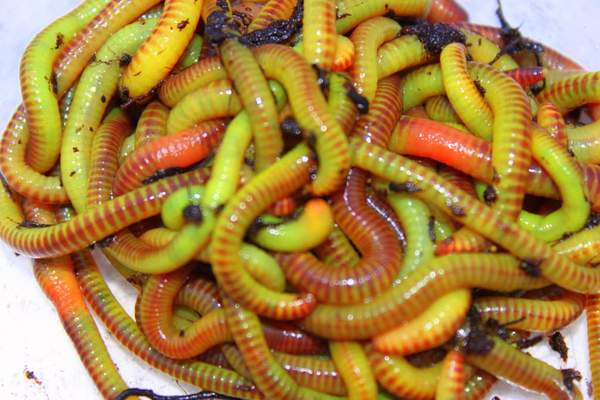
If in doubt, stick with plain, plant-based, non-acidic foods.
Credit: www.wormfarmingsecrets.com
Feeding Routine And Quantities
How much and how often should you feed worms for fishing? This depends on the number of worms, temperature, and the type of bedding.
- Start small: Feed a handful of scraps for every 100 worms per week.
- Check uneaten food: If food is still there after 3-5 days, reduce the amount.
- Monitor bedding: If bedding gets wet or smells, add dry paper or leaves.
- Increase food when worms multiply.
A simple rule: feed only what the worms can eat in a few days. Too much food can cause rot, bad smells, and worm deaths.
Setting Up The Ideal Worm Bin
A good worm bin keeps food fresh and worms healthy. Here’s how to set up a simple, effective home system for fishing bait:
- Container: Use a plastic tub (10-20 liters) with holes for air.
- Bedding: Start with 2/3 shredded paper or coco coir and 1/3 leaf litter or cardboard.
- Moisture: Bedding should feel like a wrung-out sponge—not soggy.
- Worms: Add red wigglers or nightcrawlers.
- Feed: Bury food scraps in different corners to avoid pests.
- Grit: Sprinkle crushed eggshells or sand once a week.
- Location: Keep bin cool (15–22°C/60–72°F), away from sun and rain.
Worms will burrow to food and bedding, mixing everything as they move. Remove uneaten food if it molds or smells bad.
How Worm Diet Affects Fishing Success
Feeding worms the right way has a direct impact on fishing results. Well-fed worms are more:
- Active: More wriggling attracts fish.
- Plump: Fatter worms are easier to hook and last longer.
- Colorful: Good diet gives worms a natural, healthy shine.
- Scented: Properly fed worms release smells that fish can detect.
Some anglers report up to 30% more bites when using lively, healthy worms compared to store-bought, underfed worms. In competitive fishing, this small advantage can mean a big difference.
Comparing Common Worm Foods
Different foods have pros and cons. Here’s a quick comparison to help you decide:
| Food Type | Worm Health | Ease of Use | Attracts Pests? |
|---|---|---|---|
| Fruit/Veg Scraps | Excellent | Easy | Sometimes (if overfed) |
| Coffee Grounds | Good (in moderation) | Very Easy | Rarely |
| Eggshells | Essential (for grit) | Very Easy | No |
| Oatmeal/Cornmeal | Good | Easy | Possible (if overfed) |
| Commercial Worm Food | Excellent | Very Easy | No |
How To Prepare And Serve Worm Food
Preparation matters as much as the type of food. Here’s how to make worm food easy to digest and safe:
- Chop or shred food for faster breakdown.
- Moisten dry foods before adding.
- Bury food under bedding to reduce flies and smell.
- Remove uneaten or moldy food weekly.
If you want to “supercharge” your worms before a fishing trip, feed them a mix of oatmeal, fruit scraps, and a little alfalfa meal 2-3 days before you go.
Common Worm Feeding Mistakes
Even experienced anglers make mistakes that cost them bait. Here are pitfalls to avoid:
- Overfeeding: Too much food leads to rot, smells, and worm deaths.
- Ignoring grit: Without eggshells or sand, worms can’t digest food well.
- Using the wrong food: Meat, dairy, and citrus harm worms.
- Letting bedding dry out: Worms need moisture to breathe and eat.
- Using colored paper: Ink and dyes can be toxic.
Signs Of Healthy, Well-fed Worms
How do you know your worms are getting the right food? Look for these signs:
- Active movement: Worms wiggle and crawl when disturbed.
- Smooth, shiny skin: Dull or wrinkled worms may be sick.
- No foul smells: Healthy bins smell earthy.
- Rapid breeding: New baby worms appear.
Sick or dying worms will look pale, thin, and may crawl out of the bedding. Check your food and bedding if this happens.
The Science Behind Worm Nutrition
Worms break down complex materials into simple nutrients. Good food gives them proteins, carbohydrates, and trace minerals. Calcium from eggshells or limestone keeps their skin and reproductive system healthy. Fiber (from leaves and paper) prevents bedding from turning to mush.
Studies show that red wigglers fed a varied diet of fruit, vegetables, and grains grow up to 40% faster than those fed only one type of food. Worms also need a neutral pH environment—too much acid (from citrus or overfeeding coffee) can kill them.
Storing Worms For Maximum Fishing Success
If you buy worms or dig them, you can keep them healthy for weeks with proper feeding and storage:
- Store in cool, dark place (not fridge unless nightcrawlers)
- Moist bedding: Not soggy, just damp.
- Feed small amounts every few days
- Remove old food and dead worms
For long-term storage, refresh bedding and food weekly. Well-fed worms can survive a month or more with basic care.
Cost Comparison: Homemade Vs. Store-bought Worm Food
Is it worth making your own worm food? Let’s compare.
| Food Source | Cost | Preparation Time | Nutritional Value |
|---|---|---|---|
| Kitchen Scraps | Free | Low | High (if varied) |
| Commercial Worm Food | Medium ($5–10/lb) | None | High |
| Oatmeal/Cornmeal | Low ($1/lb) | Low | Medium |
Most anglers find that kitchen scraps and a little planning provide the healthiest, cheapest food for worms. Commercial worm food is convenient for larger operations or when you need to fatten worms quickly.

Credit: www.youtube.com
Practical Tips From Experienced Anglers
- Rotate foods: Give worms a variety for best health.
- Use aged bedding: Old bedding contains beneficial microbes.
- Feed before fishing: Worms fed 2-3 days before use are most active.
- Test different foods: Some fish prefer worms fed on sweet fruits, others on grains.
One non-obvious tip: Adding a small amount of molasses (diluted in water) to the bedding once a month can boost worm energy and attract fish with a sweeter scent.
Another insight: Worms fed on squash or pumpkin are often softer and more attractive to sensitive-biting fish like trout or crappie.
Environmental Benefits Of Feeding Worms Properly
Feeding worms kitchen scraps not only gives you better bait, but also reduces waste. Over a year, a small worm bin can recycle up to 2 kilograms of food scraps per week. This keeps organic matter out of landfills and creates rich compost for your garden.
For more on the benefits of vermiculture, see Wikipedia’s Vermicomposting article.
Frequently Asked Questions
What Is The Best Single Food To Feed Worms For Fishing?
If you have to choose one, fruit and vegetable scraps are best. They provide nutrients, moisture, and variety. Mix with eggshells for grit.
Can I Feed Worms Only Coffee Grounds?
No, coffee grounds are good in moderation but too much can make bedding acidic and harm worms. Mix with other foods and add crushed eggshells to balance pH.
How Long Should I Feed Worms Before Using Them As Bait?
For best results, feed worms at least 3–5 days before fishing. This makes them lively and plump, maximizing their attractiveness to fish.
Can I Keep Worms Alive With Just Shredded Paper?
Worms will survive on paper alone for a short time, but they will not thrive. Add fruit, vegetables, and a calcium source for long-term health.
Why Do My Worms Keep Dying?
Common causes are overfeeding, wrong foods (like meat or citrus), bedding that is too wet or dry, or lack of grit. Check your feeding routine and environment for problems.
Feeding worms for fishing is simple once you know the basics. Give them a varied, plant-based diet, add grit, avoid harmful foods, and keep their bedding moist. With a little care, your worms will reward you with better fishing and less wasted bait.
A healthy worm bin is a win for both the angler and the environment.