
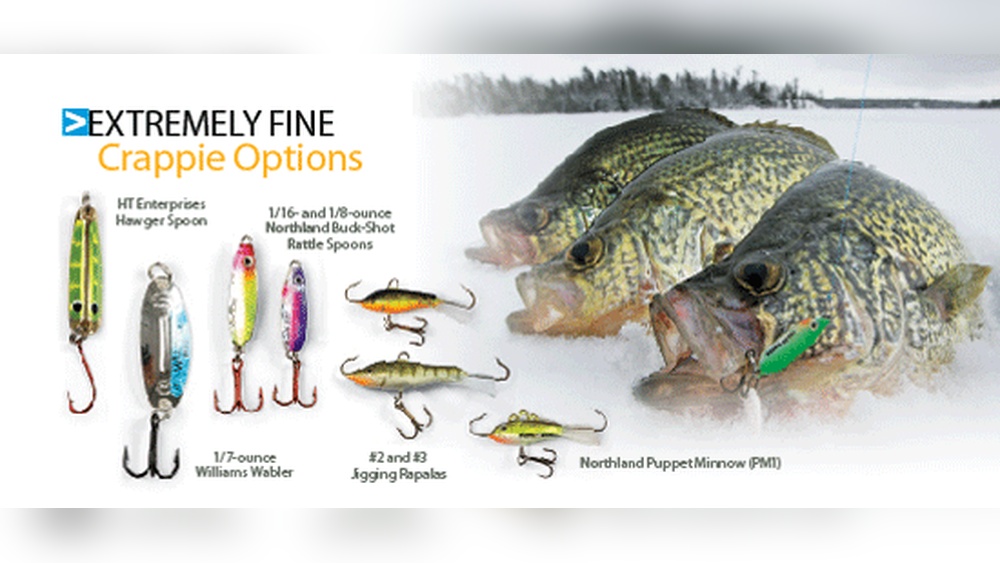
Ice fishing for crappie is a winter adventure that brings both excitement and challenge. Whether you are a beginner or an angler with years of experience, catching crappie through the ice requires a different approach than fishing in open water.
The cold, silent world under the ice holds secrets, and crappie are masters at hiding in it. If you want to fill your bucket with these tasty panfish, you need to understand their habits, choose the right gear, and learn the best techniques.
This guide will show you step-by-step how to catch crappie ice fishing, avoid common mistakes, and enjoy a successful day on the frozen lake.
Understanding Crappie Behavior In Winter
Crappie are popular panfish found in many lakes and reservoirs across North America. In winter, their behavior changes. As water temperatures drop, crappie slow down and gather in groups. They often move from shallow areas to deeper basins where the water is more stable and oxygen levels are higher.
Crappie prefer to suspend at different depths, often staying 5 to 20 feet below the ice. Sometimes, they relate to underwater structures like brush piles, submerged trees, or drop-offs. At other times, they roam open water (suspended over deep holes), following schools of tiny baitfish.
Many anglers miss the fact that crappie are more active at certain times of the day. Early morning and late afternoon are usually best, but during warm spells, crappie might bite all day. They also have a unique “up bite”—sometimes, instead of pulling down, the fish lifts your bait.
Watching your line carefully is important.
Essential Ice Fishing Gear For Crappie
The right equipment makes a huge difference in your ice fishing success. Choosing the right rod, reel, line, and tackle will help you feel even the lightest bites from winter crappie.
Rod And Reel
For crappie, a light or ultra-light ice rod (24–30 inches long) is best. It lets you feel subtle bites and gives enough flex to fight the fish. Pair it with a small spinning reel or a “straight-line” reel to avoid line twist.
Fishing Line
Use 2–4 lb test monofilament or fluorocarbon. Thin line is less visible in clear water and allows your bait to move more naturally. Braided line is not recommended because it can freeze and become stiff.
Lures And Baits
Small jigs, spoons, and live bait are the go-to choices for crappie. Most successful ice anglers use:
- 1/64 to 1/16 oz jigs with plastic bodies (tubes, minnows, or grubs)
- Small spoons (1/32–1/16 oz)
- Live bait like waxworms, spikes, or small minnows (where legal)
Bright colors like chartreuse, pink, white, or glow work well, especially in stained water or low light.
Ice Auger
A good hand or power auger is essential to drill holes. Most crappie anglers drill many holes to find active fish.
Electronics
A simple flasher or fish finder can transform your success rate. It helps you see both the fish and your lure, making it easier to adjust depth and presentation.
Safety Gear
Never ignore safety. Wear ice cleats for traction, carry ice picks, and bring a throw rope. Always check ice thickness—4 inches is the absolute minimum for walking.
Locating Crappie Under The Ice
Finding crappie is often the hardest part of ice fishing. They move and gather in different areas depending on the lake type, depth, and available cover.
Start With Maps
Study a lake map before heading out. Look for:
- Deep basins (15–30 feet)
- Old river channels
- Drop-offs near shallow flats
- Submerged brush or timber
Crappie often relate to these features in winter.
Drilling And Sampling
Don’t sit at the first hole you drill. Instead:
- Drill several holes (6–12) in a grid pattern over likely areas.
- Use your electronics to check each hole for fish and bait.
- If you see marks (fish) on the screen, drop your bait and fish for 10–15 minutes. If nothing bites, move on.
Following The School
Crappie move around during the day. If you catch a few and action stops, don’t be afraid to move. A common mistake is staying in one spot too long.
Observing Other Anglers
On popular lakes, watch where groups of anglers gather. But remember, crowded spots are not always the best. Sometimes, crappie avoid heavy noise and activity. Try fishing on the edge of the crowd or in less-pressured areas.
Underwater Structure
If you can locate brush piles or sunken trees, fish nearby. Crappie love these spots for safety and food. Drop your jig just above the structure, as crappie usually feed upward.
Best Techniques For Catching Crappie Ice Fishing
Catching crappie through the ice is about more than just dropping a bait. You need to present your lure the right way and stay alert for subtle strikes.
Jigging Basics
Lower your jig to the depth where you see fish on your electronics, or start a few feet off the bottom. Raise and lower your rod tip gently—just enough to make the jig dance. Crappie are attracted to a slow, fluttering action.
After jigging, pause for 5–10 seconds. Often, crappie bite during the pause, not while the jig is moving.
Using Live Bait
Many anglers add a waxworm, spike, or small minnow to their jig. The scent and movement can trigger more bites. Hook live minnows behind the dorsal fin so they move naturally.
Watching For The “up Bite”
Crappie sometimes bite by moving upward, lifting your bait. Watch for your line to go slack or move sideways—set the hook quickly.
Deadsticking
“Deadsticking” means holding your rod still, letting the bait hang naturally. Sometimes, crappie prefer a bait that doesn’t move. Try using two rods if legal—one for jigging, one for deadsticking.
Adjusting Depth
Crappie often suspend at different depths. If you don’t get bites, try raising or lowering your jig in small increments (6–12 inches). Electronics help, but even without them, experiment with depth.
Hole Hopping
Move from hole to hole until you find active fish. Don’t waste time in spots with no action. Successful anglers often drill 20 or more holes in a day.
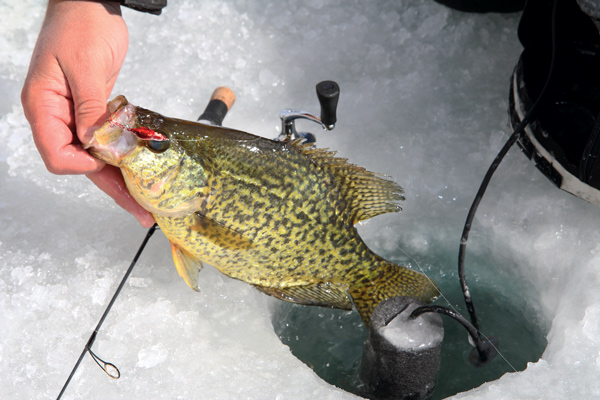
Credit: www.gameandfishmag.com
Choosing The Best Time And Conditions
Timing can make or break your ice fishing trip. Crappie are more active during certain periods and weather conditions.
Prime Times
- Early morning (dawn) and late afternoon (dusk) are usually best. Crappie feed more during low-light periods.
- After a few days of stable weather, crappie tend to bite better. Sudden cold fronts can slow down the action.
Moon Phases
Some anglers believe that crappie bite more during a full or new moon. While this is debated, it can be worth trying these times.
Weather Patterns
Warm spells or overcast days often trigger better bites. Avoid fishing right after a severe cold front—the fish become sluggish.
Ice Safety
Never fish alone, and always check ice thickness. New, clear ice is stronger than old, white ice. Stay away from moving water, cracks, or pressure ridges.
Common Mistakes And How To Avoid Them
Even experienced anglers make mistakes that cost them crappie. Here are the most common errors and how to fix them.
- Using heavy line or big lures: Crappie have small mouths and are sensitive in cold water. Stick to 2–4 lb line and small jigs.
- Staying in one hole too long: If you don’t get a bite in 15–20 minutes, move.
- Fishing too deep or too shallow: Crappie often suspend somewhere between the bottom and the ice. Use electronics or experiment.
- Ignoring bite signals: The “up bite” is easy to miss. Watch your line and use a spring bobber for better sensitivity.
- Making too much noise: Loud footsteps or banging ice can scare fish away. Drill holes quietly and avoid stomping.
- Not checking ice safety: Always check thickness as you go, especially early or late in the season.
- Overlooking live bait: Sometimes, a tiny waxworm or minnow can make all the difference.
Selecting The Right Lures And Colors
Picking the best lure and color can be confusing with so many options. Some work better in clear water, while others are best in stained or low-light conditions.
Popular Lure Types
- Tungsten jigs: Sink quickly, transmit feel well, and work great with plastics or live bait.
- Spoon lures: Flashy, attract fish from a distance, and often produce bigger crappie.
- Soft plastics: Tubes, grubs, or minnow shapes—combine with jigs for extra action.
Color Choices
- Bright colors (chartreuse, pink, glow): Best in stained water or on cloudy days.
- Natural colors (white, silver, blue): Best in clear water or sunny conditions.
Change Often
Don’t be afraid to switch lures and colors if crappie aren’t biting. Sometimes, a simple change triggers a feeding spree.
How To Set Up Your Ice Fishing Shelter
A good shelter keeps you comfortable and focused. There are two main types: portable pop-up shelters and flip-over shelters. Each has pros and cons.
Portable Pop-up Shelters
- Easy to carry and set up
- Roomy—good for groups or families
- Can be harder to move if you like to change spots often
Flip-over Shelters
- Quick to move—great for “hole hopping”
- Offer good wind protection
- Smaller inside, usually for 1–2 people
Heating And Comfort
Bring a portable heater (propane) for warmth, but always vent your shelter and have a carbon monoxide detector. Use a thick foam pad or bucket to sit on—cold from the ice can sap your energy.
Advanced Tips: Electronics, Cameras, And Mapping
Technology can give you a big edge when ice fishing for crappie.
Flashers And Sonar
A flasher or digital sonar shows fish and your lure in real time. This lets you adjust depth and lure action immediately.
Underwater Cameras
Cameras let you see the fish and how they react to your bait. You can learn if crappie are just “looking” or if they don’t like your lure.
Gps And Mapping
Modern fish finders have built-in GPS mapping. Mark productive holes and note underwater features. This saves time on future trips.
Example Table: Electronics Comparison
Here’s how popular crappie electronics compare:
| Device | Key Feature | Price Range |
|---|---|---|
| Flasher | Real-time depth & fish location | $250–$400 |
| Sonar/GPS Combo | Mapping & fish detection | $400–$800 |
| Underwater Camera | Visual confirmation of fish | $150–$350 |
How To Clean And Store Your Crappie Catch
Catching crappie is only part of the fun. Cleaning and storing your fish the right way ensures great taste and safety.
Cleaning Crappie
- Lay the crappie flat on a cutting board.
- Make a cut behind the gill, down to the backbone.
- Turn your knife and follow the backbone to the tail, keeping as close to the bones as possible.
- Flip the fillet over and remove the skin by sliding the knife between the meat and the skin.
- Rinse the fillets in cold water.
Storing Your Catch
- Keep crappie on ice while fishing. Don’t let them freeze solid on the ice—they get mushy.
- At home, store fillets in a bowl of cold water in the fridge (use within 2 days), or vacuum seal and freeze for later.
Cooking Tip
Crappie fillets cook quickly. Try simple recipes like pan-fried crappie with light breading, or bake them with lemon and herbs.
Ice Fishing Crappie Vs Other Panfish
It helps to know how crappie differ from other popular ice fishing panfish, like bluegill and perch.
| Species | Preferred Depth (Winter) | Best Lure Size | Behavior |
|---|---|---|---|
| Crappie | 8–25 ft (suspended) | 1/64–1/16 oz | Schooling, roams midwater |
| Bluegill | 6–15 ft (near weeds) | 1/80–1/32 oz | Stay tight to cover |
| Perch | 15–35 ft (bottom) | 1/32–1/8 oz | Feed on bottom, larger schools |
Ice Safety: What Every Angler Should Know
Never take ice safety for granted. Each winter brings new risks, and even experienced anglers can get into trouble.
- Always check with local bait shops or authorities about current ice conditions.
- Clear, blue ice is strongest—4 inches minimum for walking, 5–7 inches for ATVs.
- Carry ice picks around your neck—these help you pull yourself out if you fall in.
- Fish with a buddy, and keep a throw rope nearby.
- Avoid areas with current, springs, or pressure cracks.
Remember, no fish is worth risking your life.
Practical Tips For Success
- Keep your hands warm: Use thin gloves or hand warmers so you can feel bites.
- Pre-tie your leaders: Save time on the ice when your hands are cold.
- Organize your tackle: Use a small box with jigs, spoons, and plastics in easy reach.
- Check your drag: Set it light to avoid breaking your line on big crappie.
- Bring extra auger blades: Hitting sand or rocks dulls blades fast.
- Try night fishing: Crappie sometimes bite well after dark, especially under a lantern.
- Log your trips: Write down what worked, where, and when. Patterns help you catch more next season.
Local Regulations And Conservation
Always follow local fishing regulations. Many areas have limits on crappie size and number. Some lakes have special rules in winter. Check with your state’s fish and wildlife agency before you go.
Releasing large crappie helps the population stay healthy. Consider keeping only what you need, and let the big ones go.

Credit: virtualangling.com
Example Day On The Ice
Imagine a mid-January morning on a clear, frozen lake. You arrive before sunrise, drill a dozen holes along a drop-off, and check each one with your flasher. At the third hole, you see fish suspended at 10 feet in 20 feet of water.
You drop a glow jig tipped with a waxworm, jig lightly, and pause. The line twitches—you set the hook and pull up a fat, silvery crappie.
By moving every 20–30 minutes, you catch a dozen keepers before noon. You keep them on ice, pack up, and head home to clean your catch. With practice and the right approach, this can be your ice fishing story, too.
Frequently Asked Questions
What Is The Best Depth For Crappie Ice Fishing?
Crappie often suspend between 8 and 25 feet below the ice, but the exact depth depends on the lake and time of year. Electronics can help find the right depth. If you don’t have a flasher, start 5 feet off the bottom and experiment.
What Colors Work Best For Crappie Ice Fishing?
Bright colors like chartreuse, pink, and glow are great in stained water or low light. In clear water, use natural colors like white, silver, or blue. Change colors if crappie are not biting.
Do I Need A Flasher Or Fish Finder To Catch Crappie?
While you can catch crappie without electronics, a flasher or fish finder greatly increases your chances. It helps you locate fish and adjust your presentation. If you’re serious about ice fishing, it’s a smart investment. For more on electronics, check out this In-Fisherman guide.
Is Live Bait Better Than Artificial Lures For Crappie?
Both can work, but live bait (like waxworms or minnows) often triggers more bites when crappie are finicky. Many anglers use a combination: a small jig tipped with live bait.
How Thick Should The Ice Be For Safe Crappie Fishing?
Four inches of clear, solid ice is the minimum for walking. For ATVs or snowmobiles, you need 5–7 inches. Always check conditions as you go—ice thickness can change fast.
Catching crappie through the ice is both art and science. With the right gear, smart techniques, and a focus on safety, you can enjoy steady action and unforgettable winter days. Each trip teaches you something new. The key is to stay curious, adapt, and enjoy every moment on the ice.

Credit: virtualangling.com