
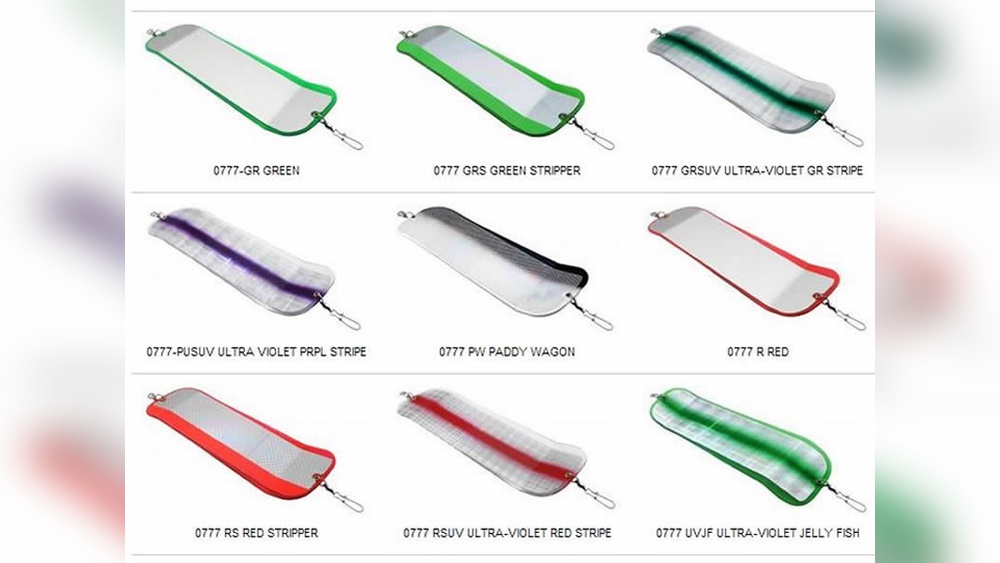
Fishing is full of special tools, and each one has a purpose. But for many anglers, one item stands out as a secret weapon: the flasher. If you spend time talking with people who love fishing, you’ll often hear about flashers and how they can make the difference between an empty cooler and a full one. But what exactly is a flasher in fishing? How does it work, and why do so many people rely on it? This article will answer those questions and more. You’ll understand not just what a flasher is, but also why it matters, how to choose the right one, how to use it well, and how it fits into the bigger world of fishing gear. Whether you’re new to fishing or you’ve been out on the water many times, you’ll find practical advice, real examples, and even a few tips that most beginners miss.
What Is A Flasher In Fishing?
A flasher is a piece of fishing tackle designed to attract fish. It’s usually a flat, shiny device made from metal or plastic. When pulled through the water, it spins, wobbles, or flashes. The idea is simple: fish see the light and movement and think a smaller fish is nearby. This triggers their hunting instincts and brings them closer to your bait or lure.
Flashers are not baits themselves. They don’t usually have hooks or scents. Instead, they are used with other tackle—like baited hooks, lures, or flies. The flasher’s main job is to get the attention of fish from a distance.
Some flashers look like small rectangles. Others are oval or have a unique bent shape. Common colors are silver, gold, chartreuse, and bright reflective patterns. The important thing is that they catch and reflect light, creating flashes underwater. This mimics the scales of a prey fish or the movement of something alive.
The Purpose And Science Behind Flashers
Flashers are not just about being shiny. There’s real science behind why they work. Fish, especially species like salmon, trout, and mackerel, have eyes that are very sensitive to changes in light and movement. In deeper or murky water, it’s hard for fish to see food.
A flasher creates bright flashes and vibrations, making it easier for fish to notice your bait.
Flashers do two main things:
- Attract attention: The flashes and spins act like a signal, saying, “Something is moving here!”
- Trigger strikes: Once a fish comes closer and sees your bait behind the flasher, it often attacks.
Some fish are even more likely to strike when they see a flasher because it looks like a panicked or escaping prey. The sudden flash and vibration can make the fish react quickly.
A non-obvious insight: Not all fish see colors the same way humans do. Some flashers use UV-reflective materials because certain fish see ultraviolet light better. This is why you’ll sometimes see “UV flasher” on packaging.
Another key point: Flashers can create low-frequency vibrations as they move. Many fish can sense these vibrations through special organs called the lateral line, helping them find prey even if they can’t see it clearly.
Types Of Flashers
Flashers come in many shapes, sizes, and designs. Knowing the main types helps you pick the right one for your fishing style.
1. Traditional Dodger Flashers
Dodgers are wide, flat, and usually made of metal or plastic. They swing back and forth, creating a side-to-side motion. This gives your bait or lure a rolling, darting movement. Dodgers work best at slow trolling speeds (1-2 mph).
2. Inline Rotating Flashers
These are long, narrow, and often have angled bends. When trolled, they spin or rotate in the water, making a “rolling” flash. They create more vibration and flash than dodgers. This type is popular for salmon fishing, especially in the Pacific Northwest.
3. Paddle Flashers
Shaped like a paddle, these have a wide, flat body and a bend near one end. As they move, they wobble and flash. Paddle flashers work well for attracting larger fish like chinook salmon.
4. Spin Doctors
This is a brand name, but many people use it to mean any flasher that spins 360 degrees on its axis. They create intense flashes and lots of vibration, making them great for deep or cloudy water.
5. Mini Flashers
Smaller in size, these are used for lighter tackle or when targeting smaller fish. They are less flashy but can be more subtle, which is sometimes better if fish are shy.
6. Lighted Or Electronic Flashers
Some modern flashers have built-in LED lights that blink or flash. These are used for night fishing or in very deep, dark water. They can be battery-powered and last many hours.
7. Uv-enhanced Flashers
Made with materials that reflect ultraviolet light, these are especially effective in deep or stained water where normal colors fade. Many salmon and trout species can see UV light.
8. Scented Flashers
A newer style, these have a chamber or pad that holds fish attractant scents. The idea is to combine flash with smell for double attraction.
9. Custom Or Home-made Flashers
Some anglers make their own flashers from spoons, CDs, or even pieces of tin. Custom flashers let you experiment with shapes, colors, and sizes.
Here’s a comparison of the main flasher types:
| Type | Main Action | Best Use | Common Target Fish |
|---|---|---|---|
| Dodger | Side-to-side swing | Slow trolling | Trout, Kokanee |
| Inline Rotating | 360° spin | Medium/fast trolling | Salmon |
| Paddle | Wobble/flash | Deep trolling | Chinook, Lake Trout |
| Mini | Subtle flash | Light tackle | Panfish, Small Trout |
| Lighted | Flashing LED | Night/deep water | Salmon, Mackerel |
How To Use A Flasher
Using a flasher might look easy, but small details matter. Here’s how to set up and use one for the best results.
Setting Up Your Tackle
A typical setup includes your main fishing line, the flasher, a leader (a short length of line), and then your bait or lure. The flasher is attached in front of the bait.
- Tie the flasher to your main line using a strong knot (like a clinch knot).
- Attach a leader line (usually 18–36 inches) to the other end of the flasher.
- At the end of the leader, tie on your baited hook, lure, or fly.
For trolling, set your line out behind the boat. The flasher will move through the water, creating flash and vibration, with your bait trailing behind.
Choosing Leader Length
Leader length matters more than most beginners realize. A shorter leader (12-18 inches) means your bait stays close to the flasher and moves more erratically. This is good for aggressive fish. A longer leader (24-36 inches) gives your bait a more natural, slower action, which can be better for shy or finicky fish.
Trolling Speed
Flashers work best when trolled at the right speed. Too slow, and they won’t spin or wobble enough. Too fast, and they may tangle or look unnatural.
- Dodgers: 1–2 mph
- Inline Rotating: 1.5–3 mph
- Paddle Flashers: 1.5–2.5 mph
Tip: If your flasher is not moving as designed, adjust your speed in small steps. Watch its action in the water next to the boat before letting out more line.
Depth Control
The deeper you fish, the less natural light reaches your flasher. That’s why brighter colors, UV, or even LED flashers are often better at depth. Use a downrigger or diving weight to get your setup to the right depth.
Matching Flasher Size To Target Fish
Bigger is not always better. Large flashers make more vibration and flash, which can attract big fish but may scare smaller ones. Match the size of your flasher to the fish you’re targeting.
| Flasher Size | Best For | Common Species |
|---|---|---|
| Small (4-6 inches) | Light tackle, clear water | Kokanee, Small Trout |
| Medium (7-9 inches) | General purpose | Coho Salmon, Lake Trout |
| Large (10-12 inches) | Deep water, big fish | Chinook Salmon, Halibut |
When And Where To Use Flashers
Flashers are not for every situation. Knowing when and where to use them is key to success.
Best Conditions
- Deep or murky water: Flashers help fish find your bait when visibility is low.
- Trolling: They work best when pulled steadily behind a moving boat.
- Targeting salmon, trout, or mackerel: These species respond well to flashers.
When Not To Use
- Very clear, shallow water: Flashers can be too obvious and may spook fish.
- Casting from shore: Most flashers are designed for trolling, not casting.
Regional Examples
- In the Great Lakes, anglers use large flashers to catch lake trout and salmon in deep water.
- On the Pacific Coast, flashers are almost always used for trolling king and coho salmon.
- In Alaska, paddle flashers are popular for deep trolling where light barely reaches.
Choosing The Right Flasher
With so many types and brands, picking the right flasher can feel confusing. Here’s what to consider.
1. Target Species
Different fish react to different flashers. Salmon, for example, often prefer bright, large flashers that spin. Trout may prefer smaller, more subtle dodgers.
2. Water Clarity
- Clear water: Use natural colors (silver, light green, blue) and smaller flashers.
- Stained/murky water: Use bright colors (chartreuse, UV, glow) and larger sizes.
3. Depth
The deeper you fish, the more you need a flasher that can be seen. UV and LED flashers work well for deep water.
4. Trolling Speed
Some flashers work only at certain speeds. Always check the packaging for recommended speed ranges.
5. Price And Durability
High-quality flashers cost more but last longer and work better. Cheap flashers may not spin or flash well.
A less-known tip: Try using two different flashers on separate lines to see which one works better. Fish can be picky, and what works one day may not work the next.
Common Mistakes And How To Avoid Them
Many beginners make simple mistakes with flashers. Here are some to watch out for:
- Using the wrong leader length: Too short or too long can reduce strikes.
- Trolling too fast or too slow: Each flasher type has a best speed.
- Not checking the flasher action: Always watch your flasher in the water before letting out more line.
- Using too large a flasher: Big flashers can scare small fish.
- Neglecting to sharpen hooks: Flashers attract fish, but dull hooks lose them.
Flashers Vs. Other Attractors
Flashers are not the only attractors in fishing. Here’s how they compare to other popular gear:
| Attractor Type | Key Feature | Best Use | Downside |
|---|---|---|---|
| Flasher | Bright flash, vibration | Trolling, deep water | Can cause tangles, not for casting |
| Dodger | Wide swing, subtle flash | Trout, kokanee | Less vibration |
| Spinner Blade | Small, rotates | Inline spinners, casting | Less visible at depth |
| Spoon | Built-in flash, flutter | Casting, jigging | Not as much flash as flasher |
A non-obvious insight: Some anglers add a spinner blade or small spoon behind the flasher for extra noise and flash. This can trigger more strikes, especially in lakes with heavy fishing pressure.
Maintenance And Care Of Flashers
Taking care of your flashers means they’ll last longer and work better.
- Rinse after use: Saltwater can corrode metal flashers. Rinse them with fresh water.
- Dry before storage: Prevents rust and keeps stickers from peeling.
- Check swivels and snaps: Make sure they spin freely; replace if worn.
- Store separately: Flashers can scratch each other. Use a tackle box with dividers.
A practical tip: Use a soft cloth to polish plastic flashers. Dull flashers don’t reflect as much light.
Innovations In Flasher Design
Fishing technology keeps changing. Here are a few new trends in flasher design:
- Electronic flashers with programmable LED patterns.
- Scent-dispersing flashers that release attractant slowly.
- Magnetic-release flashers that detach when a fish bites, making the fight easier.
Manufacturers now use lighter plastics, holographic tape, and even “fish call” sound chips. These features can make a real difference, especially when fishing pressure is high.
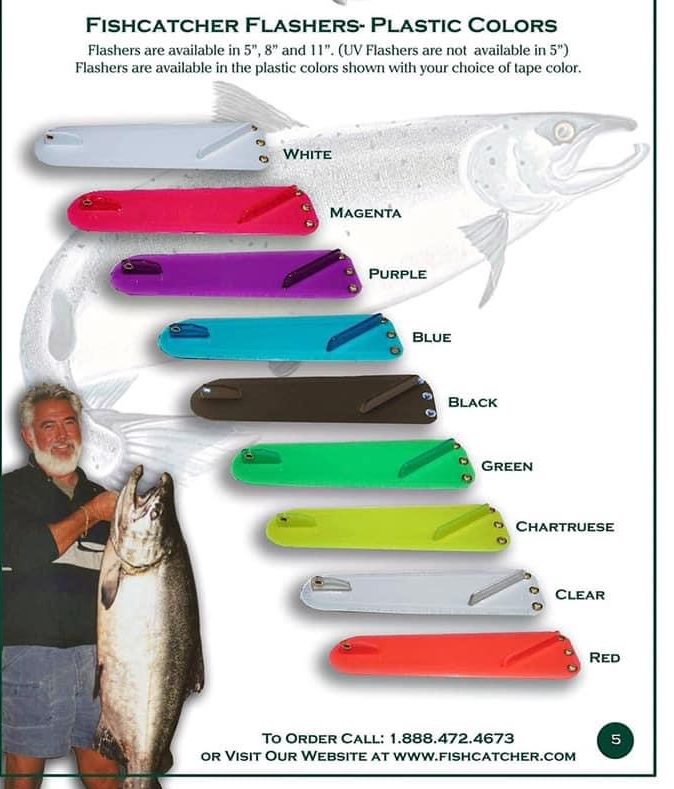
Credit: fishcatcher.com
Environmental Impact Of Flashers
Most flashers are reusable, but lost tackle can be a problem. Plastic flashers can break and pollute water. To reduce your impact:
- Choose durable, high-quality flashers that last.
- Avoid leaving broken flashers in the water.
- Recycle old flashers if possible.
Some companies now make biodegradable or eco-friendly flashers. These break down faster if lost.
Real-world Examples: Success With Flashers
Anglers from Alaska to the Great Lakes share stories about using flashers. For example, a group fishing for king salmon near Seattle tried fishing without a flasher and caught nothing. After adding a chartreuse rotating flasher, they landed four salmon in two hours.
In Lake Michigan, flashers are often used with “meat rigs” (cut bait behind the flasher) to catch trophy lake trout. In British Columbia, paddle flashers with hoochie skirts (rubber squid lures) are standard for coho salmon.
A less-known trick: In very clear water, some guides use a small, clear plastic flasher. It makes less flash but still creates the right vibration, attracting fish without scaring them.
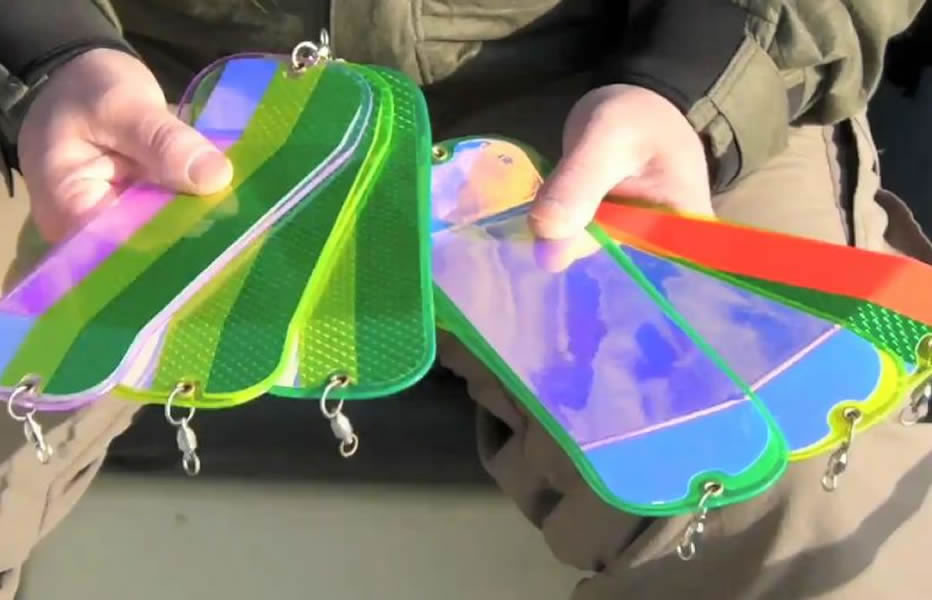
Credit: steinhand.de
Buying Guide: What Matters Most
When shopping for flashers, focus on these factors:
- Action: Will it spin, wobble, or swing? Try to match the action to your target fish.
- Color: Match water clarity and light conditions.
- Size: Small for small fish, large for big fish or deep water.
- Durability: Stainless steel or tough plastic resists corrosion.
- Price: Don’t buy the cheapest option—reliability matters.
Avoid common mistakes like buying only one type or color. Fish can be unpredictable, so having a few options is smart.
If you want to see a range of flasher types and read about their history, the Fishing lure Wikipedia page is a good resource.
Frequently Asked Questions
What Is The Difference Between A Flasher And A Dodger?
A flasher usually spins 360 degrees or wobbles, creating strong flashes and vibrations to attract fish from a distance. A dodger swings back and forth in a wide arc, creating a more subtle movement. Dodgers are often used for trout and kokanee, while flashers are common for salmon.
How Far Should My Bait Be Behind The Flasher?
The most common distance is 18–36 inches. Shorter leaders make the bait move more aggressively, while longer leaders give a more natural action. The best length depends on the fish species and their mood.
Can I Use A Flasher For Casting?
Most flashers are designed for trolling and not for casting. They are too large and create too much drag. However, some mini flashers can be used with spinning gear for casting, but they are less common.
Do Flashers Work In All Water Conditions?
Flashers are best in deep, stained, or murky water where their flash can attract fish from a distance. In clear, shallow water, fish may be spooked by the extra flash. Adjust flasher color and size based on visibility.
What Is The Best Color For A Flasher?
There is no single “best” color. In clear water, silver, blue, or green often work well. In murky water, chartreuse, UV, or glow colors stand out more. Many anglers carry several colors to match changing conditions.
Fishing is both a science and an art, and tools like flashers make it even more interesting. Whether you’re after your first trout or targeting trophy salmon, understanding how flashers work can give you a real advantage. Remember, the right flasher, used the right way, can turn an ordinary day on the water into a story worth telling.

Credit: seattlefishingco.com