
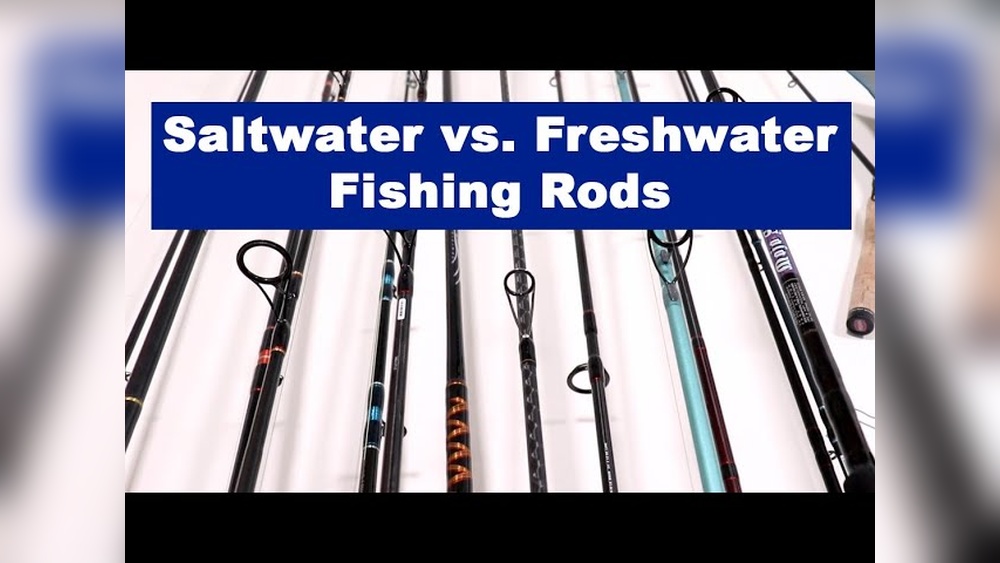
Saltwater Vs Freshwater Fishing Rods
Fishing is much more than just a hobby for millions of people around the world. For some, it’s a way to relax and connect with nature. For others, it’s a serious sport or even a livelihood. But whether you fish for fun or competition, one thing is certain: having the right fishing rod can make all the difference. Many beginners ask, “What’s the real difference between a saltwater fishing rod and a freshwater fishing rod?” This question matters, because using the wrong rod can lead to frustration, lost catches, or even a ruined trip.
Saltwater and freshwater environments are very different. The water, fish species, and even the weather can change how you fish—and what gear you need. The fishing rod is your main tool, and it must match the environment. Choosing the wrong rod can be an expensive mistake, especially if you plan to use it for years.
In this article, you’ll learn the real differences between saltwater and freshwater fishing rods, how to choose the right one, and what mistakes new anglers often make. This knowledge will help you fish with more confidence and success, no matter where you cast your line.
What Makes Saltwater And Freshwater Fishing Different?
Before comparing rods, it’s important to understand why fishing in the ocean is not the same as fishing in a river or lake. The two environments shape everything about the sport.
Saltwater is full of minerals, most notably salt. This makes it much more corrosive than freshwater. Salt can damage gear quickly, especially metal parts. The fish in saltwater are often bigger and stronger, such as tuna, tarpon, and snapper. The waves, tides, and weather can be harsher and less predictable than on a calm lake.
Freshwater fishing usually takes place in lakes, rivers, ponds, or streams. The water is less harsh on equipment, and the fish species—like bass, trout, and crappie—are often smaller and sometimes less aggressive than their ocean cousins. The fishing techniques can be more delicate, with lighter lines and smaller baits.
Because of these differences, the rods designed for each environment have unique features, materials, and strengths. Overlooking these details is a common beginner mistake.
Key Features Of Saltwater Fishing Rods
Saltwater rods are built to survive tough conditions and big, strong fish. Here’s what sets them apart:
Materials
Saltwater rods use corrosion-resistant materials. Stainless steel, titanium, and special coatings on guides and reel seats help protect against rust. Many rods use composite materials like graphite and fiberglass for strength and flexibility. These materials are also less likely to break under heavy loads.
Strength And Power
Saltwater rods are generally heavier and stronger. They need to handle powerful fish and rough conditions. The rod blanks (main shaft) are often thicker, and the guides are reinforced. This makes the rod heavier, but also much tougher.
Length And Action
Saltwater rods come in many lengths, but most are longer than freshwater rods. A longer rod helps cast farther, which is useful when fishing from shore or pier. The action (how much the rod bends) can range from fast (only tip bends) to moderate or slow, depending on the type of fish and lure.
Guides And Reel Seats
The guides (rings the line passes through) on saltwater rods are usually double-footed for extra strength. They are made of ceramic, stainless steel, or titanium. The reel seats are also made from non-corrosive metals or strong composites.
Handle And Grip
Saltwater rods have longer, tougher handles. These are often made from EVA foam or shrink wrap for a firm grip, even when wet. Some handles are extra-long for leverage against big fish.
Special Features
Many saltwater rods have extra features:
- Gimbal butts for use with fighting belts
- Roller guides for big game fishing
- Heavy-duty hook keepers
Example
A typical saltwater spinning rod for inshore fishing might be 7 feet long, medium-heavy power, with stainless steel guides and an EVA foam grip. For offshore, rods can be even longer and much thicker, with specialized guides and reel seats.

Credit: www.youtube.com
Key Features Of Freshwater Fishing Rods
Freshwater rods are designed for lighter gear and less extreme conditions. Here’s what you’ll usually find:
Materials
Most freshwater rods use graphite, fiberglass, or a mix of both. These materials are light, sensitive, and less expensive than the high-end metals used in saltwater rods. Corrosion is not a big issue, so the focus is on sensitivity and weight.
Strength And Power
Freshwater rods are lighter and more flexible. They are built for smaller fish and lighter lines. The rod blanks are thinner, and the guides are not as heavily reinforced.
Length And Action
Freshwater rods can be very short (4 feet) for tight spaces, or longer (up to 8 feet) for casting distance. The action is often fast or extra-fast for techniques like jigging, where quick hooksets are needed. Ultralight rods are common for species like panfish or trout.
Guides And Reel Seats
Guides are usually single-footed and made from aluminum oxide or simple metals. Reel seats are often plastic or aluminum, which is enough for freshwater use.
Handle And Grip
Freshwater rods use cork or EVA foam handles. Cork is popular because it’s light and comfortable, though it can wear out over time.
Special Features
Freshwater rods may have:
- Hook keepers for securing lures
- Split grips for reduced weight
- Color markings for action/power rating
Example
A typical freshwater rod for bass fishing might be a 6. 5-foot, medium-power graphite rod with a cork handle and aluminum oxide guides.
Side-by-side Comparison: Saltwater Vs Freshwater Rods
To see the main differences at a glance, here’s a direct comparison.
| Feature | Saltwater Rods | Freshwater Rods |
|---|---|---|
| Materials | Stainless steel, titanium, graphite, fiberglass, corrosion-resistant coatings | Graphite, fiberglass, aluminum oxide, cork, EVA foam |
| Strength | Heavy-duty, built for large fish | Lighter, for small to medium fish |
| Guides | Double-foot, ceramic or metal, corrosion-resistant | Single-foot, aluminum oxide, basic metals |
| Handle | Extra-long, EVA/shrink wrap, durable | Shorter, cork/EVA, more comfort-focused |
| Length | 6–14 feet (varies by type) | 4–8 feet (common) |
| Price | More expensive | Usually less expensive |
Choosing The Right Rod: What Really Matters
Picking the best rod for your fishing needs isn’t just about price or looks. Here are the most important factors to consider:
1. Environment And Water Type
Always match the rod to where you’ll fish most. Saltwater rods are a must for the ocean, even for short trips. Salt will corrode a freshwater rod quickly, sometimes in just a single outing.
2. Target Species
Think about the size and strength of the fish you want to catch. For big saltwater fish like redfish or tarpon, you need a rod with more backbone. For bass or crappie in freshwater, a lighter rod is fine.
3. Rod Length
Longer rods cast farther and help fight big fish. Shorter rods are better for accuracy and small spaces. Don’t just pick the longest rod you see—a 7-foot rod is a good all-around size for most beginners.
4. Rod Power And Action
Power is how much force is needed to bend the rod. Saltwater rods usually have medium-heavy to heavy power. Freshwater rods can be ultralight to medium-heavy. Action is where the rod bends—fast action means only the tip bends, good for quick hooksets.
5. Handle Comfort
You’ll spend hours holding your rod. Test the grip in person if possible. Saltwater rods should have tougher, longer handles for leverage. Freshwater rods can focus more on comfort.
6. Guides And Reel Seats
Check for corrosion-resistant guides and seats for saltwater. For freshwater, these parts don’t need to be as strong, but should still feel solid.
7. Price And Quality
Saltwater rods are more expensive due to materials and extra protection. Don’t go too cheap—a rod that breaks or rusts easily will cost you more in the long run.
8. Maintenance Needs
Saltwater rods need rinsing with fresh water after each use. Make sure you’re willing to do this. Freshwater rods are easier to care for, but still need cleaning.
9. Type Of Fishing
Are you casting, trolling, jigging, or bottom fishing? Some rods are made for specific techniques. Match the rod’s design to your favorite style.
10. Transport And Storage
Saltwater rods are often one-piece for strength but harder to transport. Freshwater rods are often two-piece for easy travel.
Common Mistakes Anglers Make
Many new anglers waste money or miss out on fish because of these errors:
- Using a freshwater rod in saltwater. Even one trip can cause corrosion.
- Buying the wrong power/action. A rod that’s too stiff or too soft won’t work well for your fish.
- Ignoring handle comfort. If you get blisters, you won’t enjoy fishing.
- Not checking guide quality. Cheap guides can cut or fray your line.
- Skipping maintenance. Saltwater gear needs rinsing after every use.
- Choosing based on price alone. The cheapest rod is rarely the best value.
- Ignoring rod length for your fishing spot. Long rods are not helpful in tight spaces.
- Assuming all rods are the same. Design and materials matter more than looks.
- Using old or borrowed rods without checking condition. Small cracks or rust can lead to breakage.
- Misunderstanding rod labels. “Medium-heavy” means different things for saltwater and freshwater rods.
When Can You Use A Saltwater Rod For Freshwater (or Vice Versa)?
It’s possible to use a saltwater rod in freshwater—in fact, many anglers do this, especially for large fish like catfish or muskie. Saltwater rods are strong and resistant to corrosion, so they work fine in lakes or rivers. The main downside is they may be heavier and less sensitive than needed for smaller fish.
Using a freshwater rod in saltwater is almost always a mistake. Even a single trip can cause rust or damage to guides, reel seats, and other metal parts. Also, freshwater rods are not built to handle the strength of big saltwater fish. This is one of the most common beginner mistakes.
Real-world Examples
Here are two common situations to help you see the differences in practice.
Example 1: Surf Fishing In Florida
You want to catch pompano and redfish from the beach. You need a 10-foot saltwater rod with corrosion-resistant guides, medium-heavy power, and a long EVA handle. This rod can cast heavy sinkers far into the waves, handle salt spray, and give you the leverage needed to land big fish.
Example 2: Bass Fishing In A Lake
You’re fishing from a small boat or shore. A 6.5-foot freshwater spinning rod with medium power and a cork handle is ideal. It’s light, sensitive enough to feel bites, and comfortable for all-day casting. You don’t need heavy-duty corrosion protection.
Example 3: Traveling Angler
If you travel and fish in both environments, consider buying a travel rod designed for saltwater. Saltwater rods work everywhere, but freshwater rods do not. This is a non-obvious tip that saves money in the long run.

Credit: www.rodseek.com
Data On Durability And Performance
How much does the right rod matter? Studies and real-world tests show big differences in durability and performance. According to a test by Field & Stream magazine, saltwater rods exposed to ocean spray showed visible corrosion on guides and reel seats after just 48 hours—unless they had special coatings or were made of stainless steel.
Freshwater rods showed none.
Performance tests also reveal that saltwater rods can handle loads up to 30% higher before breaking compared to similar freshwater rods. This means you have a safety margin when fighting big fish or dealing with sudden runs.
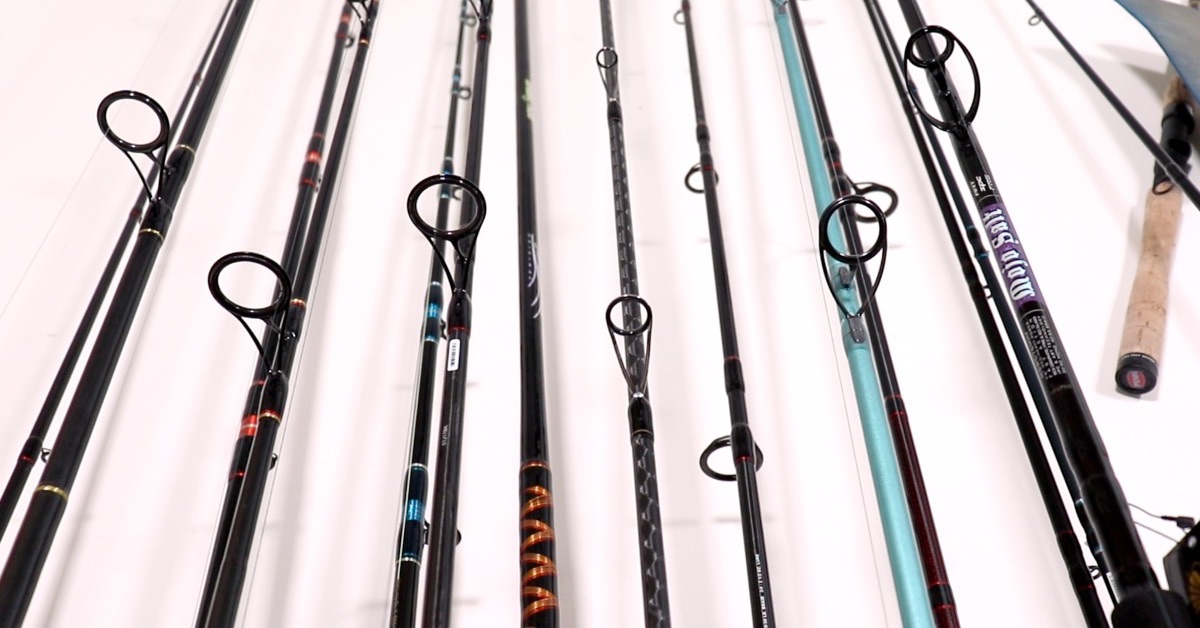
How Rods Are Labeled: Understanding The Specs
Each fishing rod has labels to describe its characteristics. Here’s how to read them:
- Length: Shown in feet and inches (e.g., 7’0”).
- Power: Ultralight, light, medium, medium-heavy, heavy.
- Action: Fast, moderate, slow (refers to where the rod bends).
- Line Weight: The range of line size the rod is designed for (e.g., 8-17 lb).
- Lure Weight: The range of lure weights the rod can handle (e.g., 1/4–1 oz).
Saltwater rods will often mention “inshore” or “offshore,” and may have special ratings for jigging, trolling, or surf fishing.
Credit: www.saltstrong.com
Saltwater And Freshwater Rod Types
Both environments use many rod types, but some are more common in one than the other. Here’s a breakdown.
| Rod Type | Common in Saltwater | Common in Freshwater |
|---|---|---|
| Spinning | Yes | Yes |
| Baitcasting | Yes (for larger fish) | Yes |
| Surf | Yes | No |
| Fly | Sometimes (special designs) | Yes |
| Trolling | Yes | Rare |
| Ice | No | Yes |
Maintenance Tips For Longer Rod Life
Proper care can double or triple the life of your fishing rod. Here’s how to keep your rod in top shape:
- Rinse after each saltwater trip. Use fresh water to remove salt.
- Dry thoroughly. Never store a wet rod.
- Check guides and reel seat for damage or corrosion.
- Store in a rod rack or case to prevent warping.
- Avoid banging the rod against hard surfaces.
- Inspect for cracks or chips before and after each trip.
For more detailed maintenance, the International Game Fish Association offers useful guidelines at IGFA.
How To Test A Fishing Rod Before Buying
If you can visit a shop, try these steps:
- Hold the rod at the grip and see if it feels balanced.
- Gently bend the tip to test the action.
- Check the guides for smoothness by running a cotton swab through them—snags mean rough spots that can cut line.
- Twist the reel seat to see if it’s secure.
- Look for gaps or glue residue at joints.
This hands-on check is often better than reading reviews alone.
The Cost Factor: Are Saltwater Rods Worth It?
Saltwater rods often cost more—sometimes double a similar freshwater rod. Is it worth the price? If you plan to fish the ocean even once a year, the answer is yes. One corroded guide or broken rod can ruin a trip and cost more to replace.
For serious freshwater anglers, the extra expense isn’t needed unless you chase trophy fish.
Frequently Asked Questions
What Happens If I Use A Freshwater Rod In Saltwater?
Saltwater will quickly corrode metal parts on a freshwater rod. This can ruin guides, reel seats, and even the blank if it has hidden metal parts. You also risk breaking the rod if you hook a strong saltwater fish.
Can I Use A Saltwater Rod For Freshwater Fishing?
Yes. Saltwater rods are more durable and can be used in freshwater, especially for big fish. The only downside is they may feel heavier and less sensitive for small fish.
Do I Need A Special Rod For Pier Or Surf Fishing?
Yes. Surf rods are longer and made for casting heavy lures far from shore. Pier rods are also designed for lifting fish up from the water. Both types are usually built to resist saltwater.
How Do I Know If A Rod Is For Saltwater Or Freshwater?
Check the label and materials. Saltwater rods will mention corrosion resistance, stainless steel, or saltwater compatibility. The guides and reel seats will be made from non-corrosive materials.
How Often Should I Clean My Fishing Rod?
After every saltwater trip, rinse with fresh water and dry completely. For freshwater rods, clean after every few trips or if exposed to dirt or sand.
Saltwater and freshwater fishing rods may look similar at first glance, but the differences are crucial. Matching your rod to your fishing environment saves you money, frustration, and lost fish. Take time to choose the right rod, care for it properly, and you’ll enjoy better fishing for years to come. If you want to dive deeper into rod materials and construction, check out the Fishing Rod Wikipedia page for more technical details.
With the right rod in your hands, every fishing trip becomes more fun and successful. Tight lines!