
Fly fishing is more than just a method of catching fish. It’s a tradition, a craft, and even an art form that has inspired people for thousands of years. The question, “Where did fly fishing originate? ” seems simple, but the story behind this practice is both deep and surprising.
Fly fishing’s roots stretch back to ancient civilizations, crossing continents and cultures. Over time, it evolved through the hands of kings, monks, and everyday people, shaping a pastime that is now loved worldwide. If you are curious about fly fishing’s first beginnings, how it spread, and why it remains so influential, this article will guide you through its fascinating journey.
The Earliest Evidence Of Fly Fishing
To understand where fly fishing originated, we have to look back over two thousand years. The oldest known records do not come from England or the United States as many assume, but from the heart of the Mediterranean world.
Ancient Macedonia: The First Written Account
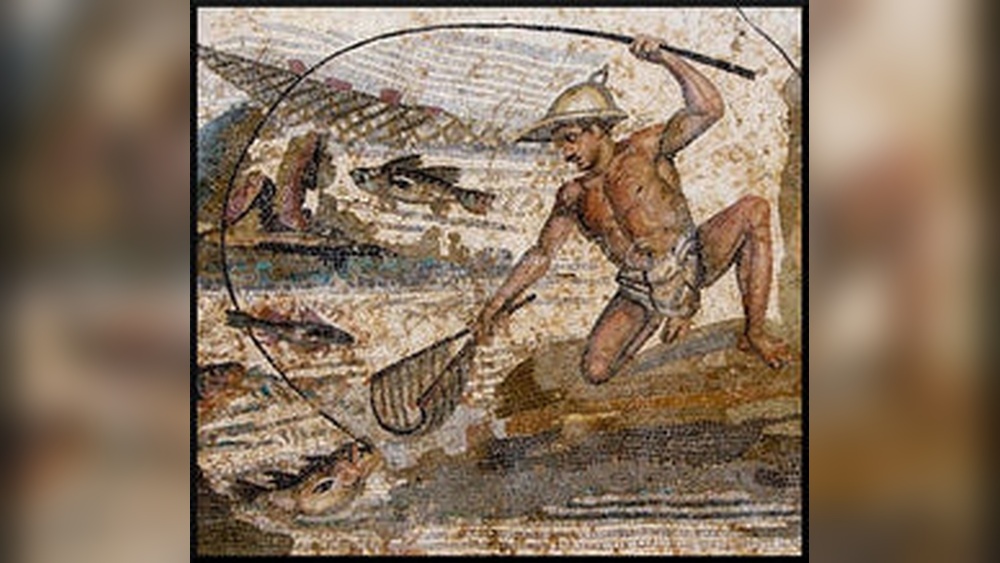
The earliest known description of fly fishing comes from Macedonia around the 2nd century CE. The Roman author Claudius Aelianus wrote about Macedonian anglers using artificial flies to catch fish. In his work “On the Nature of Animals,” he described locals fishing for a species called “hippouros” in the Astraeus River. These early anglers tied red wool and feathers to hooks, imitating insects that fish would eat. This is the first detailed written account of what we recognize as fly fishing.
What makes this so interesting is the use of imitation. These Macedonian fishers understood that fish targeted insects on the water’s surface. They crafted lures that mimicked these insects, a central idea in fly fishing even today.
Ancient China: Silk Lines And Early Rods
Some scholars believe ancient China also played a part in the history of fly fishing. By 4th century BCE, Chinese writers described fishing with silk lines and bamboo rods. While not strictly “fly fishing” by today’s rules, these tools show an early interest in light tackle and artificial lures. Chinese anglers used feathers and fur for lures to attract fish, techniques that are similar to modern flies.
Egypt And The Nile
There is less direct evidence from ancient Egypt, but wall paintings and artifacts show fishing with rods and lines as early as 2000 BCE. While these do not specifically show artificial flies, the use of rods and lines reveals a long tradition of advanced fishing methods.
Fly Fishing In Ancient Europe
After Macedonia, fly fishing began to spread throughout Europe. Each culture added its own techniques and materials.
Roman Times
The Romans brought fishing traditions from Greece and Macedonia into the broader Roman world. They wrote about different fishing methods and the use of artificial lures. However, fly fishing did not become a widespread pastime until centuries later.
Medieval England: The Birthplace Of Modern Fly Fishing
Most anglers today think of England when they imagine the roots of fly fishing. This is for good reason. By the late Middle Ages, English fishers were using rods, lines, and artificial flies in a way that closely matches the modern sport.
The Treatise Of Fishing With An Angle
One of the most important milestones is the book “The Treatyse of Fysshynge with an Angle,” published in 1496. Written by Dame Juliana Berners, this was the first English book to describe fly fishing in detail. It explained how to tie artificial flies, choose rods, and understand fish behavior. The treatise listed twelve different artificial flies for various times of year—a system still used by anglers today.
Rivers And Fish Of England
England’s many clear chalk streams and rivers, such as the River Test and River Itchen, provided the perfect environment for fly fishing. These waters were home to species like brown trout and grayling, ideal targets for fly anglers.
Influence Of English Nobility
Fly fishing in England became popular among the nobility and clergy. It was seen as a refined sport, connected with nature and contemplation. Monks in medieval monasteries, for example, fished for food and relaxation, helping to spread fly fishing traditions.

Credit: en.wikipedia.org
The Spread Of Fly Fishing Across Europe
As fly fishing grew in England, it began to move across continental Europe. Each country adapted the sport to its local fish and rivers.
Scotland And The Art Of Wet Fly Fishing
Scotland is famous for developing wet fly fishing—using flies that sink below the surface. Scottish rivers are fast and rocky, and fish often feed underwater. Anglers in Scotland created new fly patterns and casting methods to match these conditions.
Ireland: Lough Fishing
In Ireland, fly fishing adapted to the many lakes, or “loughs.” Irish anglers developed longer rods and special flies for windy, open waters. The tradition of fishing for wild brown trout and Atlantic salmon is still very strong in Ireland today.
France And The Rise Of Dry Fly Fishing
French anglers helped develop dry fly fishing—using flies that float on the surface. In the 19th century, French fly tiers became famous for their delicate, realistic patterns. These techniques influenced English and American anglers in later years.
Fly Fishing Crosses The Atlantic
Fly fishing arrived in North America with European settlers. The vast rivers, lakes, and forests of the New World offered new challenges and opportunities.
Colonial America: Adapting Old Traditions
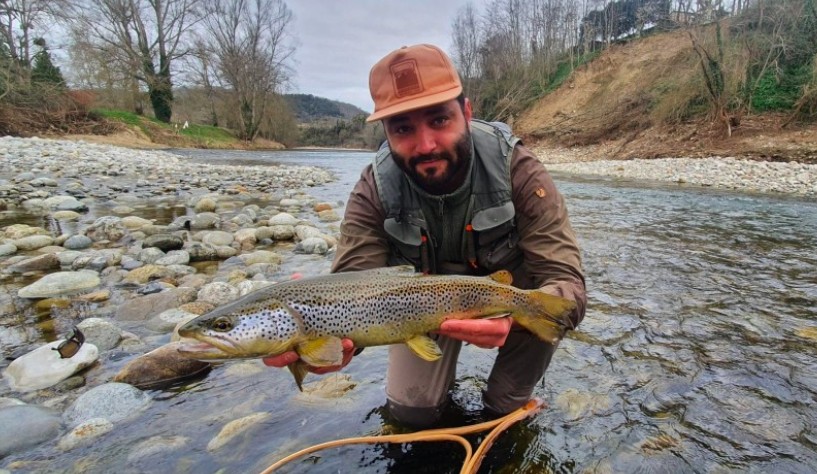
Early colonists brought English-style fly rods and tackle. They fished for native species like brook trout and smallmouth bass, adapting their methods to local waters. Over time, Americans developed their own fly patterns and fishing strategies.
The Catskill Tradition
One of the most influential regions was the Catskill Mountains in New York. In the 19th century, anglers like Theodore Gordon created new dry flies that matched American insects. The “Catskill style” of fly tying is still popular today, focusing on natural materials and realistic designs.
Western Expansion And New Species
As Americans moved west, they discovered new rivers full of trout, salmon, and steelhead. Fly fishing spread to the Rocky Mountains, Pacific Northwest, and beyond. The wide variety of fish and water types led to a boom in fly fishing innovation.
Credit: captainexperiences.com
The Evolution Of Fly Fishing Gear And Techniques
Fly fishing is not only about where it started, but also about how it changed through time. From simple rods to modern carbon fiber, the tools and techniques have advanced dramatically.
Early Materials And Designs
- Rods: Early rods were made from wood such as hazel, ash, or bamboo.
- Lines: The first lines were twisted horsehair, sometimes up to 40 feet long.
- Hooks: Ancient hooks were made from bronze, bone, or iron.
- Flies: Feathers, wool, and animal hair were used to create early flies.
The Rise Of Split Cane And Modern Rods
In the 1800s, split cane (bamboo) rods became standard. These rods were lighter, stronger, and more flexible. By the 20th century, materials like fiberglass and carbon fiber made rods even lighter and more responsive.
Artificial Flies: From Wool To Synthetic
Early flies used natural materials only. With the invention of synthetic threads and feathers, fly tiers could create more realistic and durable patterns. Today, there are thousands of fly patterns designed to imitate nearly every insect or baitfish in the world.
Comparison Of Ancient And Modern Fly Fishing Gear
Here’s a look at how equipment has changed:
| Item | Ancient Era | Modern Era |
|---|---|---|
| Rod Material | Wood, bamboo | Graphite, carbon fiber, fiberglass |
| Line Material | Horsehair, silk | Synthetic polymers |
| Hook Material | Bronze, bone, iron | High-carbon steel |
| Flies | Wool, feathers, fur | Synthetics, foam, detailed imitations |
Key Milestones In The History Of Fly Fishing
Fly fishing’s history is marked by several important milestones. These events and inventions shaped the sport as we know it.
- 2nd Century CE: Claudius Aelianus describes fly fishing in Macedonia.
- 4th Century BCE: Chinese texts mention silk lines and early lures.
- 1496: “The Treatyse of Fysshynge with an Angle” is published in England.
- 1800s: Split cane rods revolutionize fly fishing.
- Late 1800s: Catskill style and American dry fly fishing emerge.
- 20th Century: Fiberglass and graphite rods are introduced.
- Modern Era: Globalization of fly fishing, with techniques shared worldwide.

Credit: woolybuggin.com
Fly Fishing Around The World Today
Today, fly fishing is enjoyed on every continent except Antarctica. Each region has its own unique style and traditions.
Europe
- United Kingdom: Home of chalk stream trout fishing and classic fly tying.
- Iceland: Famous for Atlantic salmon and wild trout.
- Scandinavia: Known for large brown trout and grayling in clear rivers.
North America
- United States: From Montana to Maine, fly fishing is popular for trout, bass, and more.
- Canada: Rivers in British Columbia and Quebec are world-renowned for salmon and steelhead.
South America
- Patagonia: Offers wild trout fishing in remote, beautiful landscapes.
- Chile and Argentina: Famous for large rainbow and brown trout.
Asia
- Japan: “Tenkara” is a traditional form of fly fishing using a telescoping rod and no reel.
- Mongolia: Home to the taimen, the world’s largest salmonid.
Africa And Oceania
- South Africa: Trout fishing in mountain streams.
- New Zealand: Known for clear rivers and large wild trout.
Why Did Fly Fishing Originate In These Regions?
Understanding why fly fishing started in certain places gives us insight into human creativity and adaptation.
Fish Behavior And Water Conditions
Fly fishing works best in clear, flowing water where fish feed on insects at the surface. Rivers in Macedonia, England, and Japan have these conditions, making them perfect for the sport.
Availability Of Materials
Natural materials like feathers, wool, and horsehair were common in ancient societies. These allowed early anglers to experiment with artificial lures.
Cultural Exchange And Innovation
Trade and travel helped spread fishing ideas. Roman soldiers, monks, and explorers brought new techniques to different lands. Over time, each culture improved upon the basic idea, leading to the rich traditions we have today.
The Art And Philosophy Of Fly Fishing
Fly fishing isn’t just about catching fish. For many, it’s a way to connect with nature, practice patience, and enjoy quiet time outdoors.
The Role Of Observation
Successful fly anglers spend time watching insects, water movement, and fish behavior. This attention to detail is a key part of the sport’s history and charm.
Conservation And Stewardship
Fly fishing is often connected with conservation. Early English anglers believed in respecting the river and its fish. Today, many fly fishers practice “catch and release” to protect wild fish populations.
Common Misconceptions About Fly Fishing’s Origins
Many people think fly fishing started in England or that it’s a strictly Western sport. In reality, the roots are older and more widespread. Macedonia’s early fly fishers and Chinese innovators played a major role. Another misconception is that fly fishing is only for trout. In fact, fly fishing can be used for bass, salmon, pike, and even saltwater species.
Comparison Of Fly Fishing And Other Fishing Methods
To understand what makes fly fishing unique, it helps to compare it with other fishing types.
| Method | Main Tackle | Target Species | Key Technique |
|---|---|---|---|
| Fly Fishing | Light rod, fly line, artificial fly | Trout, salmon, bass, more | Imitate insects or baitfish |
| Spin Fishing | Spinning rod, reel, lures or bait | Bass, pike, perch, many others | Cast and retrieve lures or bait |
| Bait Fishing | Rod, reel, hook, natural bait | Wide variety | Wait for fish to bite |
| Tenkara (Japan) | No reel, long rod, fly | Trout, char | Simple presentation |
Unique Insights Most Beginners Miss
- Imitation is Key: Early fly fishing succeeded not because of fancy gear, but because anglers learned to imitate the natural insects that fish eat. Even today, observation and matching the “hatch” are more important than expensive equipment.
- Global Roots: While England and America are famous for fly fishing, the sport’s origins are much older and more global. Macedonia, China, and Japan have fly fishing traditions that go back centuries.
- Not Just for Trout: Fly fishing can be used for many species, including saltwater fish, bass, carp, and even panfish.
- Fly Fishing is Always Evolving: Modern fly fishing uses high-tech materials and global patterns, but the heart of the sport—matching the fish’s food—has never changed.
How Fly Fishing Inspired Modern Conservation
Fly fishing’s focus on observing nature helped inspire many early conservation movements. In England, clubs set rules to protect fish stocks and water quality. In the United States, fly fishing guides were leaders in protecting wild trout streams. This tradition continues today, with many anglers supporting river cleanups and habitat restoration.
Comparison Of Famous Fly Fishing Regions
Different regions are famous for their own style of fly fishing. Here’s a comparison:
| Region | Main Species | Famous Water | Unique Feature |
|---|---|---|---|
| England | Brown trout, grayling | River Test, River Itchen | Classic chalk streams |
| United States | Rainbow, brown, brook trout | Madison River, Yellowstone | Catskill dry fly tradition |
| Japan | Iwana (char), yamame trout | Mountain streams | Tenkara simple style |
| Ireland | Atlantic salmon, brown trout | Lough Corrib | Lake (lough) fishing |
| Patagonia | Brown, rainbow trout | Río Limay, Río Grande | Wild, remote waters |
The Modern Fly Fishing Community
Today, fly fishing is more inclusive than ever. Organizations welcome women, children, and people from all backgrounds. Fly fishing festivals, clubs, and online communities connect anglers across the world. Technology has made it easier to learn, with videos and forums for every skill level.
Where To Learn More
For those who want to dive deeper into the history of fly fishing, resources like the Wikipedia Fly Fishing page offer a wealth of information, including links to books, clubs, and historical documents.
Frequently Asked Questions
Where Did Fly Fishing First Originate?
The earliest known written account of fly fishing comes from Macedonia around the 2nd century CE, described by Claudius Aelianus. However, similar methods appeared in ancient China and other regions.
Did Fly Fishing Start In England?
No, although England developed many modern fly fishing traditions, the sport’s earliest roots are in ancient Macedonia and possibly China. England is famous for perfecting and popularizing the sport.
What Is The Oldest Fly Fishing Book?
The oldest known book about fly fishing in English is “The Treatyse of Fysshynge with an Angle,” published in 1496. It describes rods, lines, flies, and fishing techniques used in medieval England.
Is Fly Fishing Only For Trout?
No, fly fishing is used for many species including salmon, bass, pike, panfish, carp, and even saltwater fish. The techniques can be adapted to almost any fishing situation.
How Has Fly Fishing Changed Over Time?
Fly fishing has evolved from simple wooden rods and horsehair lines to modern graphite rods and synthetic flies. Techniques, equipment, and fly patterns are now shared globally, making the sport more diverse than ever.
Fly fishing’s story is one of adaptation, creativity, and passion. From the banks of the Astraeus River to modern streams worldwide, this unique way of fishing continues to inspire and connect people across generations.