
Fishing has a long history, and anglers are always looking for the best bait to catch more fish. There are many choices, but one bait stands out for its simplicity and effectiveness: mealworms. Small, squirmy, and easy to find, mealworms might not look special, but they have become a favorite for many fishermen. This article explores if mealworms are good for fishing, how to use them, which fish like them, and the pros and cons compared to other baits. Whether you are a beginner or a seasoned angler, understanding mealworms could help you catch more fish on your next trip.
What Are Mealworms?
Mealworms are the larvae of the darkling beetle (Tenebrio molitor). They are commonly used as food for reptiles, birds, and even humans in some cultures. In fishing, mealworms are valued for their soft bodies and wiggly movement. They have a golden-brown color and usually measure about 2.5 centimeters (1 inch) in length.
Their bodies are full of protein, making them an attractive target for many fish species. Mealworms are easy to store and handle, and they are not as messy as some other live baits. They can be bought at pet stores, bait shops, or even grown at home with minimal effort.
Why Are Mealworms Popular For Fishing?
There are several reasons why mealworms are popular among anglers:
- Versatility: Mealworms work well for both freshwater and some saltwater fishing. They can attract a wide variety of fish.
- Availability: They are easy to find and buy, even in winter when other live baits are hard to get.
- Ease of Use: Mealworms are simple to hook and don’t fall apart easily.
- Long Shelf Life: When kept in cool conditions, they can survive for weeks.
- Cleanliness: They don’t have a strong odor and are less messy than worms or maggots.
Mealworms are especially useful for beginners. Their movement in the water attracts fish, and their small size makes them suitable for light tackle fishing.
Which Fish Can You Catch With Mealworms?
Mealworms are not just for small fish. Many species find them irresistible. Here are some popular targets:
1. Bluegill
Bluegill are well-known for biting on mealworms. These panfish are common in ponds and lakes across North America. Their small mouths are perfect for mealworms, and they are especially active in warm weather.
2. Trout
Trout (including rainbow, brown, and brook trout) often strike at mealworms, especially in clear, cold streams. The mealworm’s natural look and movement make it a top choice for trout anglers.
3. Perch
Yellow perch and other types of perch love mealworms. They are often found in schools and will quickly attack a mealworm baited hook.
4. Crappie
Both black and white crappie are drawn to mealworms. These fish have a soft mouth, so the gentle presentation of a mealworm is effective.
5. Bass
Smallmouth and sometimes even largemouth bass will eat mealworms, especially when they are feeding on smaller prey.
6. Catfish
While catfish are usually caught with stinkier baits, smaller mealworms can work, especially for channel catfish or smaller species.
7. Carp
Carp are omnivores and can be caught with mealworms, particularly when they are feeding on the surface or in shallow areas.
8. Sunfish
Species like pumpkinseed and other sunfish are quick to bite mealworms. They are often found near the shore and are active feeders.
9. Whitefish
In some regions, mealworms are effective for whitefish, especially in cold water.
10. Ice Fishing Species
Many fish caught through the ice, such as bluegill, perch, and crappie, will take a mealworm. Their small size makes them perfect for ice fishing jigs.
How To Rig Mealworms For Fishing
Using mealworms properly can make a big difference in your catch rate. Here are a few effective methods for rigging mealworms:
Standard Hooking
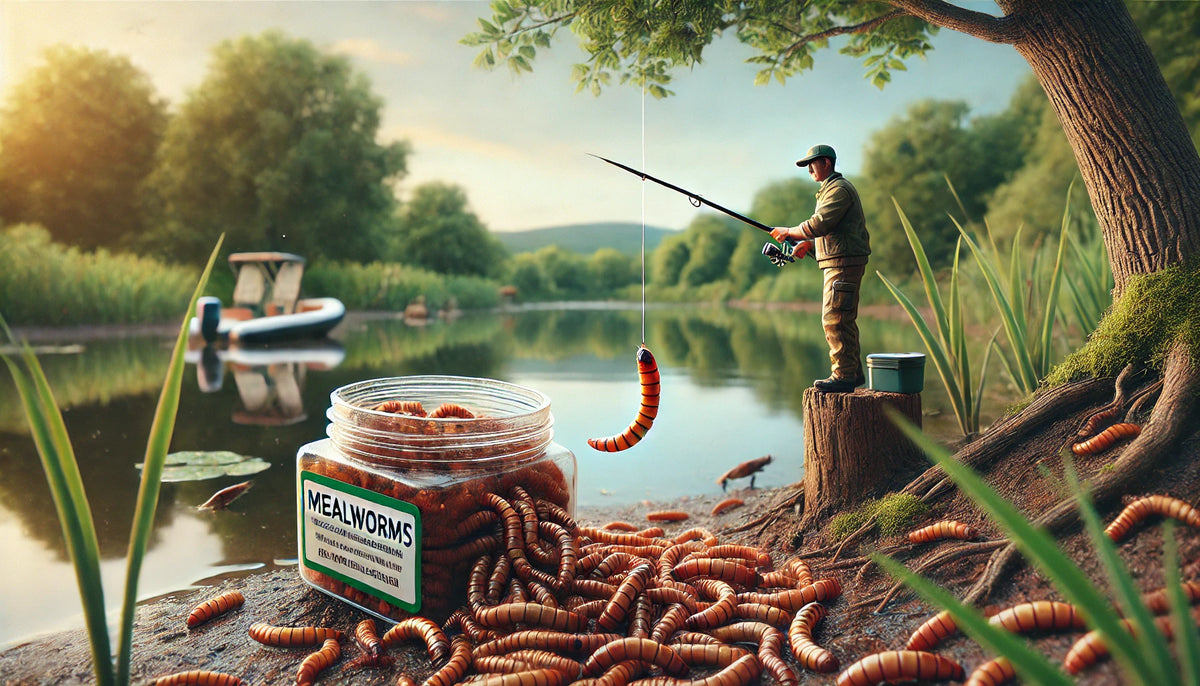
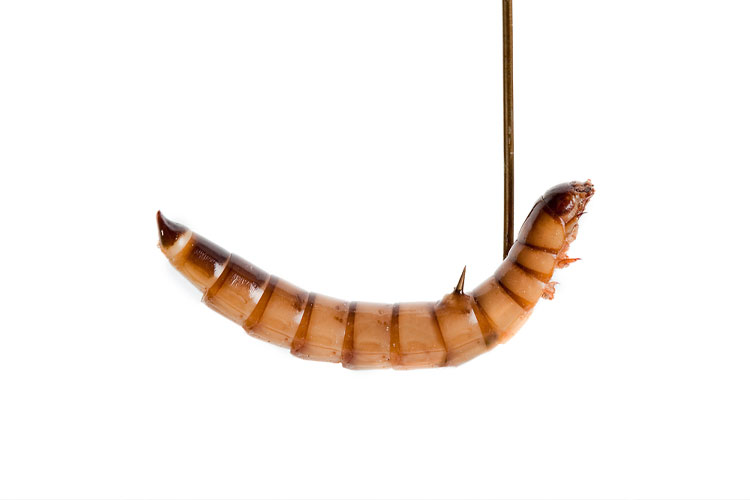
The most common way is to thread the mealworm onto a small, sharp hook (size 8-14). Push the hook through the thicker end of the mealworm, just under the skin, and out the other side. This keeps the mealworm alive and wiggling, which attracts fish.
Jigging
Attach a mealworm to a small jig head. This works well for panfish and trout, especially when you bounce the jig off the bottom or through the water column.
Under A Float
Use a small bobber or float, with the mealworm suspended below. This setup is great for shallow water, letting the mealworm move naturally with the current.
Tipping Lures
Some anglers add a mealworm to a spinner, spoon, or soft plastic lure for extra scent and movement. This is called “tipping” and can increase your chances, especially when fish are picky.
Double Baiting
In some cases, you can use two mealworms on a single hook for extra appeal. This is common in ice fishing or when targeting larger fish.
Credit: www.thecritterdepot.com
Comparing Mealworms With Other Baits
It’s important to see how mealworms stack up against other popular fishing baits. Here’s a side-by-side look at some key factors:
| Bait Type | Ease of Use | Messiness | Availability | Target Species | Cost |
|---|---|---|---|---|---|
| Mealworms | Very easy | Clean | Year-round | Wide variety | Moderate |
| Nightcrawlers | Easy | Messy | Seasonal | Wide variety | Low to moderate |
| Maggots | Easy | Very messy | Year-round | Panfish, trout | Low |
| Artificial lures | Moderate | Clean | Always | Varies | High (initial) |
| Corn/Bread | Easy | Clean | Always | Carp, panfish | Low |
What Makes Mealworms Unique?
- Long shelf life compared to nightcrawlers.
- Less odor than maggots.
- Natural movement unlike artificial lures.
- No preparation needed (unlike dough baits or complicated rigs).
Pros And Cons Of Using Mealworms
No bait is perfect for every situation. Here’s a breakdown of the main pros and cons of using mealworms for fishing:
Pros
- Attractiveness: High protein and natural smell attract many fish.
- Easy to handle: Simple to hook and less likely to fall apart.
- Low odor: More pleasant to use than some other live baits.
- Long-lasting: Survive for weeks with little care.
- Versatile: Work for many species and fishing styles.
Cons
- Small size: Not ideal for targeting very large fish.
- Can dry out: Need to keep them cool and moist.
- Limited action: Not as lively as earthworms in water.
- Cost: Slightly more expensive than basic baits like corn or bread.
- Not legal everywhere: Some regions restrict live bait use.
Credit: cricketsandworms.com
Storage And Care Of Mealworms
To get the best results from mealworms, you need to store and care for them properly. Healthy mealworms stay lively and attractive to fish.
Storing Mealworms
Keep mealworms in a plastic container with air holes. Use bran, oatmeal, or wheat flour as bedding. Store them in the refrigerator at around 10°C (50°F). This slows their growth and keeps them in the larval stage longer.
Check the bedding every few days. Remove dead worms and add a slice of carrot or potato for moisture. Avoid letting the bedding get too wet, which can cause mold.
How Long Do Mealworms Last?
With proper care, mealworms can live for 2–4 weeks in the fridge. At room temperature, they will pupate and turn into beetles faster. If you want to keep them longer, keep them cool and dry.
How To Grow Your Own Mealworms
Raising mealworms at home is easier than many people think. It can save money and ensure you always have fresh bait.
Steps To Grow Mealworms
- Get a container: Use a plastic tub with air holes.
- Add bedding: About 5 centimeters (2 inches) of bran, oats, or wheat.
- Buy starter worms: Get mealworms from a bait shop or pet store.
- Feed them: Add small pieces of carrot or potato for moisture.
- Wait: Mealworms will mature, pupate, and turn into beetles. The beetles lay eggs, and the cycle continues.
- Harvest: Pick mealworms when they reach the right size.
Practical Tips
- Keep the container in a cool, dark place.
- Remove moldy food quickly.
- Separate beetles from larvae to avoid cannibalism.
Best Times And Conditions To Use Mealworms
Mealworms can be used year-round, but some times and conditions are better than others.
When Are Mealworms Most Effective?
- Spring and summer: Fish are more active and feed on insects.
- After rain: Runoff brings insects into the water, making fish expect similar food.
- Early morning and late afternoon: Fish feed more during these periods.
Water Conditions
- Clear water: Mealworms work well because fish can see their movement.
- Still or slow-moving water: Ideal for float or jig setups.
Special Conditions
- Ice fishing: Mealworms are small and easy to present on tiny jigs.
- Cold weather: Their availability when worms are scarce makes them valuable in winter.
Common Mistakes When Fishing With Mealworms
Many beginners make small errors that can reduce their success. Here are some common mistakes and how to avoid them:
- Using too large a hook: Mealworms are small. Use hooks sized 8–14 for best results.
- Letting mealworms dry out: Keep them moist, but not wet, for maximum movement.
- Overcrowding the hook: One or two mealworms are usually enough; too many can look unnatural.
- Not replacing dead mealworms: Fish prefer lively bait. Change out dead ones often.
- Ignoring local regulations: Some lakes and rivers ban live bait. Always check the rules before fishing.
Cost Analysis: Are Mealworms Worth It?
Some anglers worry about the cost of mealworms. Here’s a simple comparison with other baits:
| Bait | Average Price per 100 | Number of Fish Caught (Approx.) |
|---|---|---|
| Mealworms | $4–$7 | 40–60 |
| Nightcrawlers | $3–$5 | 30–50 |
| Maggots | $2–$4 | 35–55 |
| Artificial lures | $3–$10 (each) | Reusable |
Mealworms are not the cheapest bait, but their effectiveness and long shelf life can make them a good value, especially if you grow your own.
Non-obvious Tips For Better Results
While mealworms are simple to use, a few advanced tricks can help you catch more fish:
- Lightly scent the mealworm: Sometimes, dipping mealworms in a mild fish attractant can increase bites, especially in murky water.
- Color variation: Some anglers have success with dyed or colored mealworms, especially for trout and panfish. You can buy colored mealworms or lightly dust them with natural food coloring.
- Match the hatch: If insects are hatching in your area, try to present the mealworm to look like the local bug life, both in color and movement.

Credit: bestbait.com
Environmental Impact And Legal Considerations
Before using mealworms, check if live bait is allowed where you plan to fish. Some areas restrict live bait to prevent the spread of invasive species or disease.
Mealworms themselves are not invasive, but always dispose of unused bait responsibly. Never dump live mealworms into water bodies, as they can disrupt local ecosystems.
For more information on fishing regulations and the impact of live bait, visit the U.S. Fish & Wildlife Service.
Frequently Asked Questions
Can I Use Dried Mealworms For Fishing?
Yes, but live mealworms are usually better because their movement attracts fish. Dried mealworms can work as a backup, especially if you soak them in water to soften them first.
What Size Hook Should I Use With Mealworms?
A size 8 to 14 hook works best for mealworms. Use a smaller hook for panfish and a larger one if you expect bigger fish.
Are Mealworms Safe To Handle?
Mealworms are safe for humans to handle. Wash your hands after use. If you have allergies to insects or dust, wear gloves.
How Do I Keep Mealworms Alive During A Fishing Trip?
Store them in a cool container with some bedding and a piece of carrot or potato for moisture. Avoid direct sunlight and heat.
Can I Catch Big Fish With Mealworms?
While mealworms are small, they can attract larger fish like trout or bass, especially if those fish are feeding on small insects. For trophy-sized fish, you may want to use larger bait, but mealworms can still get surprising results.
Mealworms have earned their place as one of the most effective and easy-to-use fishing baits. Their versatility, availability, and attractiveness to fish make them a smart choice for anglers of all skill levels. If you have never tried fishing with mealworms, consider giving them a chance.
You might be surprised at how well they work, and you’ll likely enjoy a cleaner, more pleasant fishing experience. Remember to check local regulations and care for your bait properly, and you’ll be set for success on your next fishing adventure.