
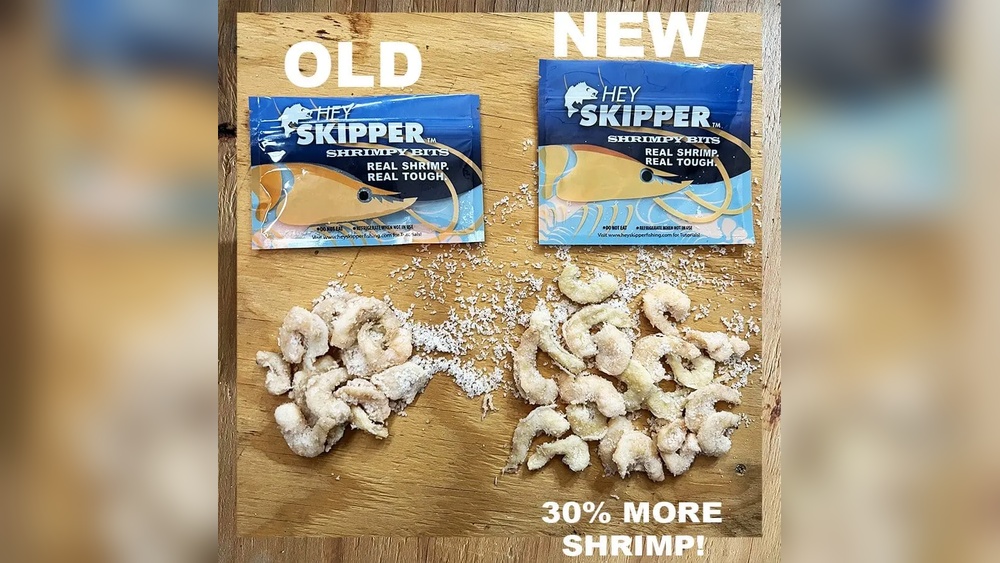
Fishing with shrimp is a time-tested method used by both beginners and experts. Many anglers know that fresh shrimp is great for attracting fish, but not everyone realizes that salting shrimp can make it even more effective. Properly salted shrimp stays firm, lasts longer, and holds on the hook better. This simple process can improve your fishing success, especially when you need bait that survives in your tackle box for days.
If you are new to this idea, don’t worry. You do not need expensive equipment or special skills. Anyone can learn how to salt shrimp for fishing, whether you are catching snapper, sea trout, or catfish. By following the right steps, you can create bait that not only saves money but also gives you an edge over other anglers.
Let’s explore why salting shrimp works, what you need, and how to do it step by step. You’ll also learn a few secrets and tips that most people miss, so your next fishing trip can be more successful and enjoyable.
Why Salt Shrimp For Fishing?
Fishing is all about using the best bait. Many people use live shrimp, but they can be expensive and hard to keep alive. Frozen shrimp are easy to find, but they often get soft and fall off the hook quickly. This is where salting shrimp makes a big difference.
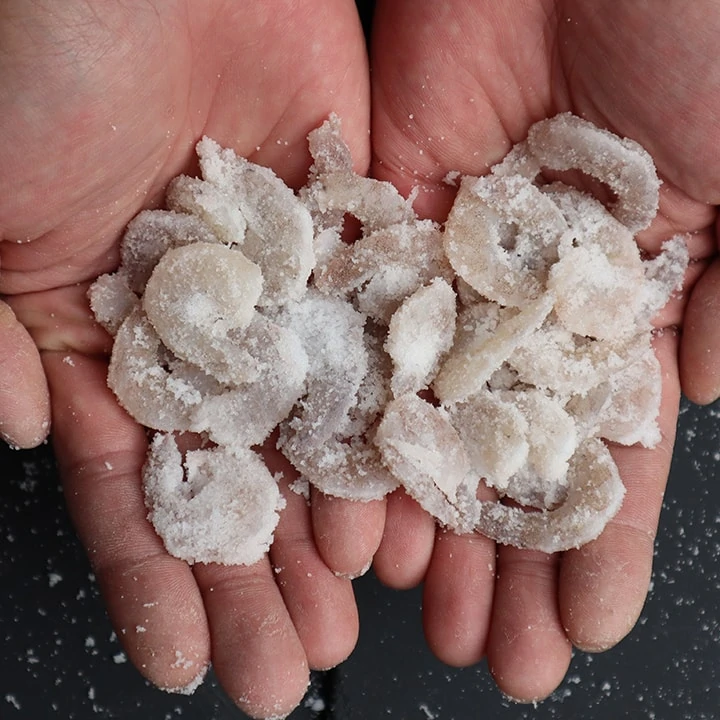
Salting shrimp pulls out water, making the flesh firmer. This helps in several ways:
- Stays on the hook: Salted shrimp is less likely to fall off, even when casting far or fishing in strong currents.
- Longer shelf life: Salt acts as a natural preservative, so your bait lasts much longer, even without refrigeration.
- Stronger scent: As the shrimp dries, the smell gets stronger. This attracts more fish.
- Saves money: You can buy shrimp in bulk and salt it yourself, avoiding the high cost of live bait.
Many experienced anglers believe that salted shrimp is better than fresh for bottom fishing, surf fishing, or when you want your bait to last all day. It’s also easy to transport, which is great for fishing trips.
Choosing The Right Shrimp
Not all shrimp are the same. The kind you use for salting can affect your results.
Types Of Shrimp
You can use different shrimp types, such as:
- Fresh shrimp: Often found at seafood markets; best for salting.
- Frozen shrimp: Sold in grocery stores; works well but should be thawed before salting.
- Cooked shrimp: Not recommended. The texture is already changed, and it doesn’t hold salt or attract fish as well.
Try to use uncooked, shell-on shrimp. Shell-on shrimp stays firmer after salting and is less likely to turn mushy. If you can’t find whole shrimp, peeled raw shrimp is the next best option.
Size Matters
Shrimp size affects how you use it:
- Small shrimp (50-70 count/lb): Good for smaller hooks or panfish.
- Medium shrimp (31-50 count/lb): Most common for inshore fishing.
- Large shrimp (16-30 count/lb): Perfect for surf fishing or targeting big fish.
If the shrimp is too large, you can cut it into smaller pieces before salting.
Freshness Check
Fresh shrimp should smell clean, not “fishy” or sour. Look for:
- Firm texture
- Clear, shiny shell
- No black spots or mushy areas
If you start with poor-quality shrimp, salting won’t save it. Fresh is always best.
What You Need To Salt Shrimp
Before you begin, gather all the necessary tools and ingredients. Here’s what you’ll need:
- Raw shrimp (fresh or thawed)
- Non-iodized salt (sea salt or kosher salt)
- A shallow tray or container
- Paper towels or a clean cloth
- A sealable container or zip-top bag for storage
- A knife and cutting board (optional, for cutting shrimp into pieces)
- Optional: Garlic powder, anise oil, or other scents for extra attraction
Why Non-iodized Salt?
Non-iodized salt is pure and draws out moisture better. Iodized salt can sometimes add a chemical taste or smell that may turn fish away.
Step-by-step Guide: How To Salt Shrimp For Fishing
The process is straightforward, but following each step carefully ensures the best results.
1. Prepare The Shrimp
- Rinse the shrimp in cold water to remove any slime or debris.
- Pat dry with paper towels.
- If the shrimp are large, cut them into bite-sized pieces to fit your hook size. You can leave the shell on or off, but shell-on shrimp stays firmer.
2. Layer The Salt
- Pour a layer of salt about ¼ inch thick in the bottom of your tray or container.
- Place shrimp on top of the salt in a single layer.
- Sprinkle more salt on top, covering the shrimp completely.
- For larger batches, you can add more layers: Salt, shrimp, salt, shrimp, etc.
3. Let The Shrimp Cure
- Cover the tray with plastic wrap or a lid.
- Place the tray in the refrigerator (not the freezer).
- Let the shrimp cure for 12 to 24 hours. The longer you leave them, the firmer and more preserved they become.
For extra-firm bait, some anglers leave shrimp in salt for up to 48 hours. Check the texture after 12 hours—you want the shrimp to be firm but not rock-hard.
4. Drain And Dry
- After curing, remove the shrimp from the salt.
- Shake off excess salt.
- Lay the shrimp out on fresh paper towels or a clean cloth to air-dry for 1-2 hours. This step helps prevent them from becoming too wet or sticky in storage.
5. Store The Salted Shrimp
- Place the dried, salted shrimp in a sealable container or zip-top bag.
- Store in the refrigerator. Salted shrimp can last for several weeks.
- For longer storage, you can freeze them. Just take out what you need before each fishing trip.
Properly salted shrimp will not spoil quickly and can be used directly from the container.
Adding Extra Scents And Attractants
Some fish species are more attracted to scented bait. You can add extra attractants during or after the salting process. Common options include:
- Garlic powder: Sprinkle a little with the salt for a strong smell.
- Anise oil: Add a few drops to the shrimp before storing.
- Fish oils or commercial scents: Drizzle over the shrimp after curing.
Adding scent is optional, but it can help when fish are picky or in murky water. Just avoid adding too much liquid, as it can make the shrimp soggy.
How Salted Shrimp Compares To Other Baits
Using salted shrimp is not the only way to catch fish, but it has clear advantages. Here’s a quick comparison with other common baits:
| Bait Type | Durability | Cost | Scent | Best Use |
|---|---|---|---|---|
| Live Shrimp | Low | High | Strong | Inshore, clear water |
| Fresh Shrimp | Medium | Medium | Strong | General use |
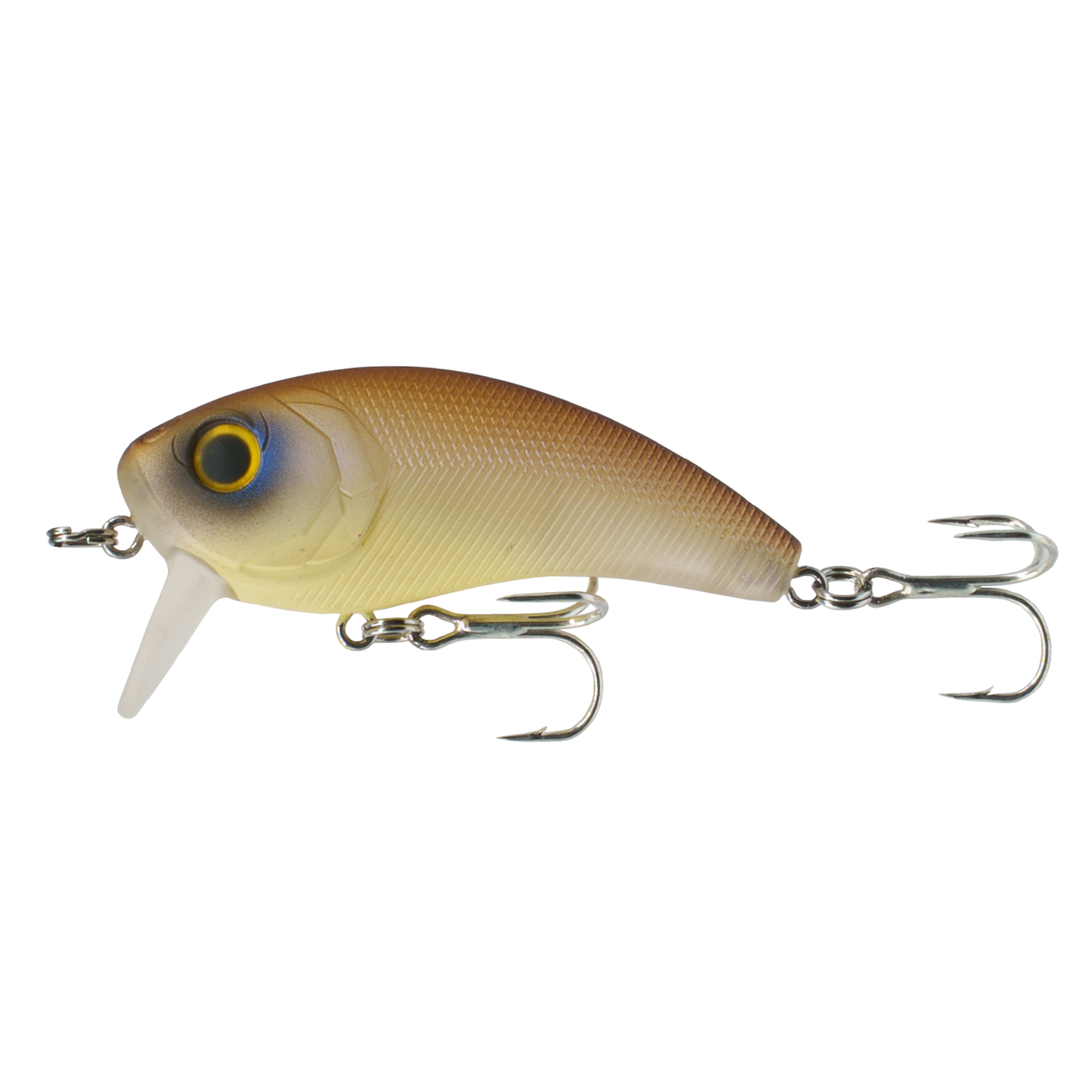
| Salted Shrimp | High | Low | Very strong | Surf, bottom, travel |
| Artificial Lures | Very high | Medium-High | Weak/none | All-around, catch & release |
As you can see, salted shrimp offers the best durability and value for many fishing styles.
Common Mistakes When Salting Shrimp
Even though the process is easy, some common mistakes can reduce the quality of your bait. Avoid these pitfalls:
Using Too Little Salt
Some anglers try to save salt by using just a sprinkle. This does not draw out enough moisture. Always use enough salt to fully cover each piece of shrimp.
Curing Too Long Or Too Short
If you don’t cure the shrimp long enough, it stays soft and won’t last. If you cure it too long, it can get hard and lose scent. Check texture after 12-24 hours for the best result.
Storing At Room Temperature
Salted shrimp lasts longer than fresh, but it’s not indestructible. Always keep your bait refrigerated or in a cooler to avoid spoilage and mold.
Not Rinsing Before Use
Sometimes, too much salt can remain on the shrimp. A quick rinse before putting it on the hook can improve scent release and make the bait less harsh for sensitive fish species.
Using Low-quality Shrimp
Salting will not “fix” spoiled or old shrimp. Always use fresh, high-quality shrimp for the best results.
Advanced Tips For Salting Shrimp
Many experienced anglers have found ways to improve the salting process. Here are a few techniques that can help:
1. Add Sugar
Mixing a small amount of sugar with salt (about 1 part sugar to 4 parts salt) can give your bait a slightly different scent and taste, which some fish love—especially sea trout and whiting.
2. Use Flavored Salts
Some bait shops sell flavored salts with shrimp or crab extract. You can make your own by adding fish sauce, clam juice, or crab boil seasoning to the salt before curing.
3. Double Salting
For extremely firm bait, try salting the shrimp, draining after 12 hours, then repeating the process with fresh salt. This draws out even more moisture and creates very tough bait for heavy surf or strong currents.
4. Vacuum Sealing
If you want to store salted shrimp for months, vacuum seal the portions after drying. This keeps them fresh and ready for long trips.
5. Color Enhancement
You can add a few drops of food coloring (red or orange) to the salt for a brighter bait that is easier for fish to see, especially in murky water.
When To Use Salted Shrimp
Salted shrimp is not always the best choice, but it shines in certain conditions:
- Long fishing trips: When you can’t keep live bait alive.
- Surf or pier fishing: Where bait needs to survive strong waves.
- Bottom fishing: For snapper, grouper, catfish, and other bottom feeders.
- Hot weather: When fresh bait spoils quickly.
- Remote locations: Where it’s hard to find fresh bait.
Many guides and tournament anglers keep salted shrimp as a backup, even if they prefer live bait.
How To Hook And Use Salted Shrimp
Using salted shrimp is similar to using fresh, but here are a few tips to make it more effective:
- Thread the hook through the shell if using shell-on shrimp. This helps the bait stay secure.
- For smaller pieces, push the hook through one end and back out the other, so the hook point is exposed.
- For larger pieces, use a bait thread or small elastic band to hold the shrimp on the hook.
- If the shrimp feels too hard, soak it in water for a minute before using. This softens it just enough for better hook sets.
Salted shrimp can be fished on a simple bottom rig, a popping cork, or even used as tipping for artificial lures.

Credit: www.youtube.com
Safety And Environmental Considerations
While salted shrimp is safe to use, keep these points in mind:
- Dispose of unused bait properly. Do not throw leftover shrimp into the water in areas where it is not allowed.
- Check local regulations. Some locations have rules about using “imported” bait to prevent spreading diseases.
- Keep out of reach of pets and children. Salted shrimp smells strong and can attract animals.
Storing Salted Shrimp For Maximum Freshness
Proper storage is key to long-lasting bait. Here’s how to keep your salted shrimp in top condition:
| Storage Method | Shelf Life | Best For |
|---|---|---|
| Refrigerator (sealed) | 2-3 weeks | Regular use |
| Freezer (sealed) | 6+ months | Long-term storage |
| Room temperature (not recommended) | 1-2 days | Emergency/short trips only |
| Vacuum sealed and frozen | 1 year | Bulk storage |
Always write the date on your container, so you know how fresh your bait is.
Credit: 6thsensefishing.com
Real-world Example: Salted Shrimp In Action
Imagine you are fishing on a hot summer day, miles from the nearest bait shop. Your live shrimp die quickly in the bucket, but you remember the batch of salted shrimp in your cooler. You bait your hook, cast out, and the shrimp stays firm after each cast.
You catch several fish, while other anglers complain their bait keeps falling off.
This is a common story for anglers who prepare salted shrimp ahead of time. It’s a simple way to avoid frustration and increase your chances of landing more fish.
Non-obvious Insights Most Beginners Miss
- Shrimp heads spoil quickly. If you plan to keep bait for more than a week, remove the heads before salting. The heads break down faster than the body and can cause the whole batch to turn bad sooner.
- Salting works for other baits, too. You can use this same process on squid, cut fish, or clams. Mixing different salted baits gives you more variety and can attract more species.
- Salted shrimp is perfect for “tipping” jigs or soft plastics. A small piece of salted shrimp on the hook of your jig adds scent and taste, making artificial lures more effective.
- Don’t overpack the container. If you cram too many shrimp in a small space, they may not cure evenly and can become slimy or mushy.
How Salted Shrimp Attracts Fish
When you cast salted shrimp, the salt draws out natural juices and scent. This scent trail spreads in the water, attracting fish from a distance. Some anglers worry that salt will wash out the scent, but the opposite is true.
Salt helps concentrate the smell, making it last longer.
Fish like redfish, snapper, catfish, and pompano are especially attracted to salted shrimp. Even when using artificial lures, adding a piece of salted shrimp can make a big difference.
Frequently Asked Questions
How Long Does Salted Shrimp Last For Fishing?
Properly salted and refrigerated shrimp can last 2-3 weeks. If frozen, it can last six months or more. Always check for off smells or slimy texture before using.
Can I Salt Cooked Or Leftover Shrimp From Home?
It’s best to use raw shrimp for salting. Cooked or leftover shrimp does not hold salt or stay firm as well. The texture is usually too soft for fishing, and the scent is not as strong.
Is It Safe To Use Table Salt For Salting Shrimp?
You can use table salt, but non-iodized salt (like sea salt or kosher salt) is better. Iodized salt sometimes has a strong chemical smell or taste that can turn fish away.
Does Salted Shrimp Work For Freshwater Fishing?
Yes, salted shrimp works well for catfish, panfish, and other freshwater species. It is not just for saltwater fishing.
Where Can I Learn More About Preserving Bait?
For more details on bait preservation and fishing tips, visit the Wikipedia entry on fishing bait.
Fishing with salted shrimp is a smart and practical way to improve your results. With a little time and effort, you can create durable, effective bait that won’t let you down. Try it on your next trip, and you might find it becomes your favorite method.
Credit: www.heyskipperfishing.com