Alaska is a dream for many anglers. The state offers wild rivers, remote lakes, and deep blue ocean waters where salmon are plentiful. But for newcomers or even seasoned fishermen, one question always stands out: Where is the best salmon fishing in Alaska? The answer depends on what kind of experience you want, which salmon species you prefer, and how adventurous you feel. In this guide, I’ll walk you through the top locations, what makes each unique, and how to make the most of your trip.
Understanding Alaska’s Salmon Species
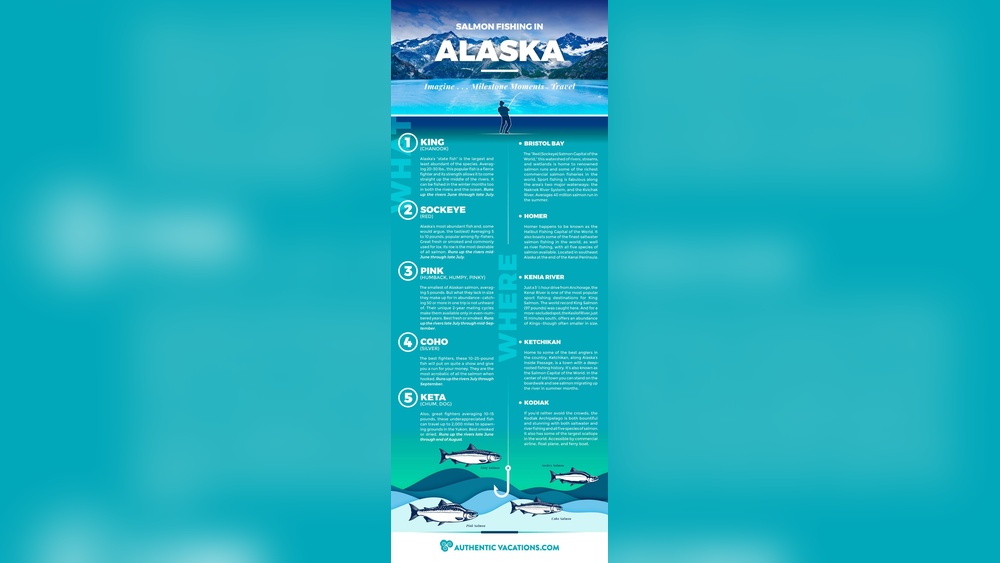
Before choosing a fishing spot, it helps to know the five main salmon species in Alaska:
- King Salmon (Chinook): The largest, famous for their fight and size (up to 100 lbs).
- Silver Salmon (Coho): Popular for their acrobatics and tasty meat.
- Sockeye Salmon (Red): Sought after for their flavor, especially for smoking or grilling.
- Pink Salmon (Humpy): The most abundant, but smaller (usually 3-5 lbs).
- Chum Salmon (Dog): Known for their strength and late runs.
Each species has its own season and preferred habitat. If you are after a certain type, make sure the place and time match.
The Kenai River: Alaska’s Most Famous Salmon Stream
The Kenai River is legendary. Located on the Kenai Peninsula, it is only a few hours’ drive from Anchorage. This river holds the world record for the largest King salmon ever caught—97.25 pounds! You can find all five species here, but especially King, Silver, and Sockeye.
Why Anglers Love The Kenai
- Easy access: Many roads and towns like Soldotna and Kenai provide easy entry points.
- Big fish: The river is famous for Kings over 50 lbs and fat Sockeyes.
- Variety: You can fish from shore, drift boats, or try guided tours.
Prime Salmon Seasons On The Kenai
| Salmon Species | Main Run Months | Best Fishing Locations |
|---|---|---|
| King (Chinook) | Late May – July | Lower Kenai (Soldotna area) |
| Sockeye (Red) | Mid-June – Early August | Russian River Confluence, Upper Kenai |
| Silver (Coho) | August – October | Middle and Upper Kenai |
Insider Tips
Many beginners miss the fact that the Kenai can be crowded during peak season. Try fishing early morning or late evening for less pressure. For Sockeyes, look for the “flossing” technique, which works best on this river.
The Kasilof River: A Peaceful Alternative
Just south of the Kenai, the Kasilof River is less crowded but still rich with King, Silver, and Sockeye salmon. The river is drift-only, so no outboard motors are allowed, making it quieter and less hectic.
What Makes Kasilof Special
- Wild King Salmon: The Kasilof has a strong run of wild (not hatchery) Kings in June and July.
- Drift Boat Experience: Many guides offer relaxing drift trips.
- Great for Fly Fishing: The river is perfect for fly anglers chasing Sockeyes.
Practical Advice
Don’t overlook the need for a special permit for King salmon on the Kasilof. Also, be aware of changing regulations; they can shift based on the year’s fish count.
The Copper River: Home Of The Famous Reds
The Copper River is remote and challenging, but the reward is world-famous Sockeye. The rich taste of Copper River Reds is so prized that they fetch premium prices in restaurants worldwide.
Salmon Runs And Fishing Methods
- Sockeye: Mid-May to July is peak season.
- King: Late May to mid-June, but numbers are lower than Kenai.
Most locals use dip nets or fish from shore near Chitina, but rod-and-reel fishing is also possible. The river is swift and dangerous, so always wear a life jacket and know your limits.
Two Insights Most Beginners Miss
- The fastest water holds the most fish, but it is also the hardest to fish. Don’t risk it—stay where you feel safe.
- The Copper River is not for casual anglers. Weather and access can change quickly, so check local reports before heading out.
Bristol Bay: The World’s Sockeye Capital
No place matches Bristol Bay for sheer numbers of wild Sockeye. In a good year, over 30 million salmon return here! The rivers and lakes are remote, often reached only by bush plane.
Why Bristol Bay Stands Out
- Huge numbers of fish: Rivers like the Kvichak, Nushagak, and Naknek are packed with Sockeyes each summer.
- Unspoiled wilderness: Very little human impact, giving you a true Alaskan adventure.
- Fly-in lodges: Many high-quality lodges offer full-service fishing trips.
| River | Main Salmon Species | Best Months |
|---|---|---|
| Kvichak | Sockeye, King | June – July |
| Nushagak | King, Silver | June – August |
| Naknek | Sockeye, Silver | June – September |
What To Expect
Fishing in Bristol Bay is often catch-and-release for Kings due to conservation efforts. Many lodges provide all gear, but bring your own favorite lures or flies for best results.
The Nushagak River: King Salmon Stronghold
Within Bristol Bay, the Nushagak River is famous for its massive King salmon run—sometimes the largest in the state. Over 100,000 Kings can swim up the river each year.
Key Features
- Remote access: Usually fly-in only from Dillingham.
- Wild Kings: Fish average 20-30 lbs, with some over 40 lbs.
- Silver bonanza: Silvers arrive after the Kings, offering fast action in August.
Common Mistakes
Many visitors underestimate the strength of the current and the size of the fish. Use heavier tackle than you might at home. Also, make sure to book your lodge or guide months in advance—prime weeks fill quickly.
The Sitka Area: Salmon Fishing By The Sea
Sitka is on the outer coast of Southeast Alaska. Here, you fish the saltwater, not the rivers, for salmon returning from the open ocean. Anglers often catch multiple species—sometimes in the same day.
Why Choose Sitka
- Ocean-fresh salmon: Fish are bright, strong, and at their best eating quality.
- Mixed bag: Catch Kings, Silvers, Pinks, and Chums, plus halibut and rockfish.
- Guided charters: Many boats offer day or multi-day trips.
Data: Salmon Catches In Sitka
| Year | King Salmon (avg. lbs) | Silver Salmon (avg. lbs) | Boat Limit (per day) |
|---|---|---|---|
| 2022 | 18 | 10 | 6 salmon total |
| 2023 | 16 | 12 | 6 salmon total |
Extra Advice
Ocean fishing means rougher water and potential for seasickness. Bring medication if you’re sensitive, and wear layers to deal with cold spray.
The Kodiak Island Experience
Kodiak Island is a mix of big rivers, small streams, and ocean coastline. It’s famous for both its salmon and giant brown bears. If you want a wild, untamed feel, Kodiak delivers.
What’s Unique About Kodiak
- Multiple species: All five types of salmon, plus steelhead.
- Remote streams: Some rivers are hike-in only.
- Bear viewing: Sometimes you’ll be sharing the river with the locals—be smart and carry bear spray.
Best Rivers And Timing
The Karluk River is especially famous for big Kings and late Silver runs. Most salmon fishing peaks from June to September.
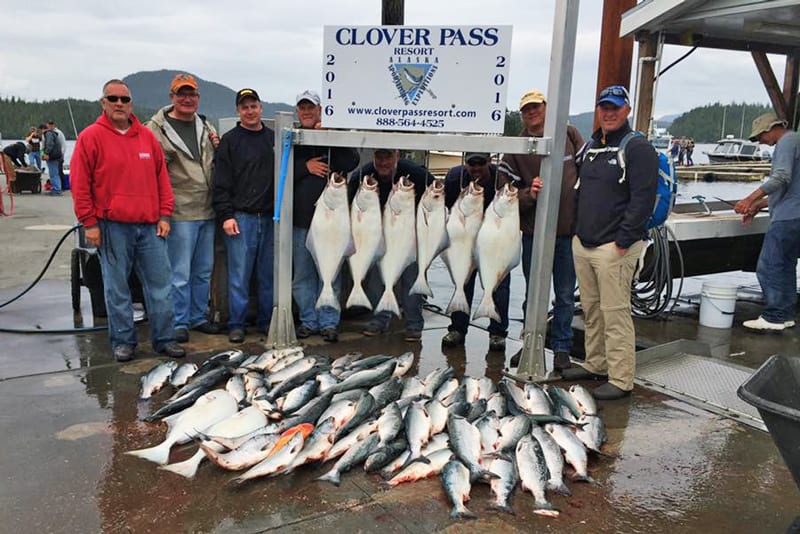
Credit: oasisalaskacharters.com
Southeast Alaska: Rainforest Rivers And Ocean Mix
This region includes towns like Ketchikan, Juneau, and Petersburg. Here you can fish from the shore, rivers, or take ocean charters. It’s also the best area for a mix of sightseeing and fishing.
Highlights
- Easy travel: Many towns have airports and cruise ship stops.
- Rainforest setting: Unique wildlife, lush scenery, and less extreme weather.
- Consistent runs: Good numbers of Kings and Silvers from May to September.
Real-world Example
In Ketchikan, you can catch Pink Salmon from city bridges in July, or book a half-day charter for Kings just offshore.
The Yukon River: For The Adventurous Angler
The Yukon River is remote and legendary for its long King salmon runs. Fish here must swim over 2,000 miles to spawn, making them some of the strongest salmon anywhere.
What Sets The Yukon Apart
- Huge, wild river: Not for beginners—access by boat or small villages only.
- Late runs: Kings arrive in June and July, with Silvers in August.
- Cultural experience: Many Alaska Natives still fish here using traditional methods.
Two Tips You May Not Know
- The Yukon King salmon are often bigger but less oily than their Kenai cousins, due to their long migration.
- Regulations can change fast due to conservation needs. Always check for closures or catch-and-release rules before traveling.
The Togiak River: Pristine And Productive
Togiak River is another Bristol Bay gem, but with fewer anglers. The river is healthy, clean, and full of King, Silver, and Sockeye salmon.
Why Fish Togiak?
- Low pressure: You may not see another angler all day.
- Diverse runs: Kings in June, Sockeyes in July, Silvers in August/September.
- Wildlife: Moose, caribou, and bears are common sights.
Planning Your Trip
Most visitors stay at fly-in lodges. The river is best fished by boat, and guides are highly recommended due to its remote nature.
The Karluk River: Big Fish, Wild Setting
Located on Kodiak Island, the Karluk River is short but legendary for huge salmon runs. It’s one of the few places where you can catch a trophy King in the same water as a fat Silver.
What Makes Karluk Stand Out
- High fish counts: In good years, tens of thousands of salmon enter the river.
- Small water: Easy for wading and fly fishing.
- Camping options: Many anglers raft and camp along the river for a multi-day adventure.
Common Mistake
Many beginners forget to prepare for rain and fast-changing weather. Bring quality rain gear and waterproof bags for gear.
The Susitna River System: Multiple Choices
North of Anchorage, the Susitna River and its tributaries (Deshka, Talkeetna, Yentna) offer many options. Each stream has unique runs and access points.
Benefits
- Close to Anchorage: Drive or take the Alaska Railroad.
- Many species: Kings, Silvers, Pinks, Chums.
- Good for DIY: Many public access points and campgrounds.
Real-life Advice
After a rain, rivers can rise fast and turn muddy. Watch weather reports and fish smaller tributaries if main rivers are blown out.
The Alagnak River: World-class Fly Fishing
The Alagnak is a national wild and scenic river, perfect for those who want variety. Located in the Katmai region, it’s best known for Sockeyes and Silvers, but you can also catch Kings, Chums, and Rainbows.
Unique Features
- Wilderness setting: Only reached by floatplane.
- Diverse fishing: Salmon, trout, and grayling in the same day.
- Guided float trips: Many lodges offer week-long float adventures.
Pro Tip
The Alagnak’s side channels hold fish that most people miss. Explore beyond the main current for less-pressured water.
The Aniak River: Multi-species Paradise
The Aniak is a small river in Western Alaska, but it packs a punch—five salmon species, big rainbow trout, and Arctic grayling.
Why Try Aniak?
- Unique runs: Chum and Pink salmon runs are especially strong.
- Mixed bag: Catch salmon and trophy trout on the same fly or lure.
- Guided adventures: Most fishing is by jet boat and guide.
Key Detail
The Aniak’s clear water means presentation matters. Use lighter line and natural colors for best results.
The Prince William Sound: Saltwater And Freshwater Mix
This area, near Valdez and Cordova, is famous for both ocean and river fishing. You can catch salmon from shore, from boats, or in local streams.
What’s Special
- Accessible: Road, ferry, or plane from Anchorage.
- Hatchery runs: Some rivers have huge returns of hatchery Sockeyes and Pinks.
- Ocean fishing: Charter boats offer both salmon and halibut trips.
One Thing Beginners Miss
The tides in Prince William Sound can be extreme. Plan your shore fishing around the tide tables for best success.
Chignik River: Remote And Rewarding
The Chignik River is on the Alaska Peninsula, far from crowds. It’s known for consistent Sockeye runs and a mix of Kings and Silvers.
Why Fish Chignik?
- Solitude: Few anglers, even during peak runs.
- Healthy fish: Clean, strong salmon thanks to little human impact.
- Float trips: Multi-day floats are popular and scenic.
Important Note
Access is only by plane, and weather delays are common. Always build in extra time for travel.
The Best Time For Salmon Fishing In Alaska
Choosing the right time is as important as picking the place. Here’s a general guide:
- King Salmon: Late May to mid-July
- Sockeye Salmon: Mid-June to early August
- Silver Salmon: August to October
- Pink Salmon: July to August (even years are better)
- Chum Salmon: July to September
Each river may have slight changes, so always check local run timing.
How To Choose The Best Place For You
Finding the best salmon fishing in Alaska depends on your goals:
- If you want big King salmon and easy access, choose the Kenai or Nushagak.
- For huge Sockeye runs, Bristol Bay is unbeatable.
- If you want ocean fishing for multiple species, Sitka or Prince William Sound are top picks.
- For solitude and wilderness, consider the Togiak, Karluk, Chignik, or Yukon rivers.
Think about travel time, cost, and what else you want to do (hiking, wildlife, sightseeing).
Essential Gear And Local Rules
Bring sturdy, medium-heavy rods (15-30 lb line for Kings, 8-12 lb for Silvers/Sockeyes), quality reels, and plenty of spare tackle—snags are common. For flies, choose bright patterns for Silvers and natural colors for Sockeyes.
Regulations change often. Always buy the correct Alaska fishing license, and King salmon require an extra stamp. Check daily limits and closures before you fish.
For more details, visit the Alaska Department of Fish and Game.

Credit: cooperlandingfishingguide.com
Practical Tips For A Successful Trip
- Book lodges or guides early—prime dates sell out up to a year in advance.
- Respect private property and local traditions, especially in Native villages.
- Watch for bears and learn safe food storage.
- Dress in layers and always bring rain gear.
- Learn about tides and river safety if fishing near the ocean.
Frequently Asked Questions
How Many Salmon Can I Keep In Alaska?
Limits depend on the river, species, and year. For example, the Kenai may allow only one King per day, while some rivers allow up to six Pink salmon. Always check the latest regulations before fishing.
Do I Need A Guide To Fish In Alaska?
No, but a guide is highly recommended for remote rivers or for beginners. Guides know the best spots, provide gear, and help with safety. On popular rivers, DIY fishing is possible with good planning.
What Is The Best Month To Fish For Salmon In Alaska?
June and July are best for King and Sockeye salmon. August and September are prime for Silver salmon. The exact best time depends on your target river and species.
Can I Fish For Salmon From Shore, Or Do I Need A Boat?
Many rivers have good shore access, especially for Sockeye and Silver salmon. For ocean fishing or some remote rivers, a boat or guided charter is necessary.
Are There Risks From Bears While Salmon Fishing?
Yes, especially on rivers with strong salmon runs. Most bears are not aggressive if left alone. Carry bear spray, keep a clean camp, and never approach a feeding bear.
Alaska offers countless options for salmon fishing, from famous rivers to hidden gems. Whether you want big fish, big numbers, solitude, or adventure, there’s a perfect place for you. Plan ahead, respect the land and wildlife, and your Alaska salmon trip will be unforgettable.
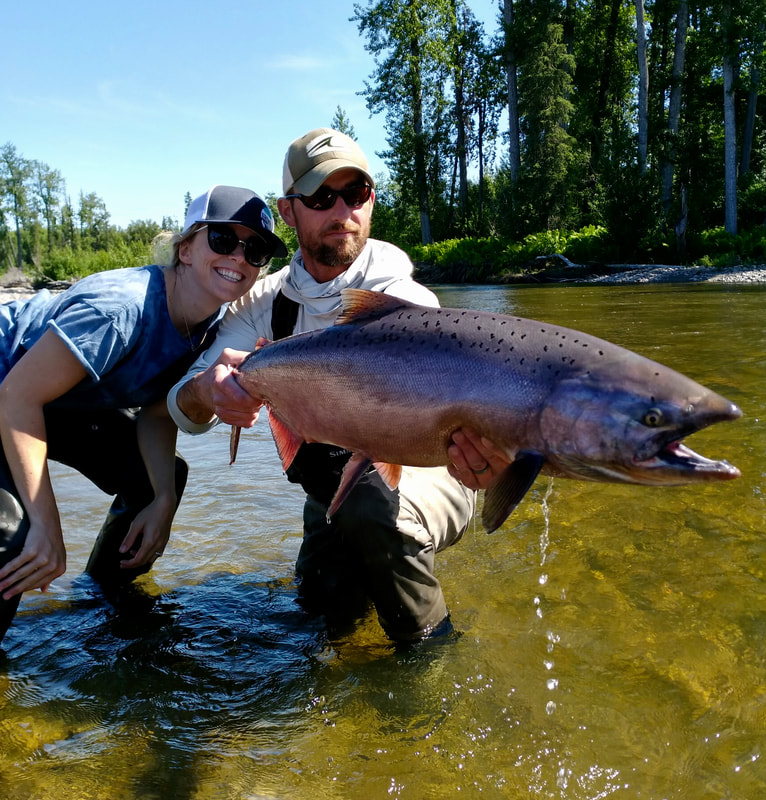
Credit: www.adventureoutfittersalaska.com