
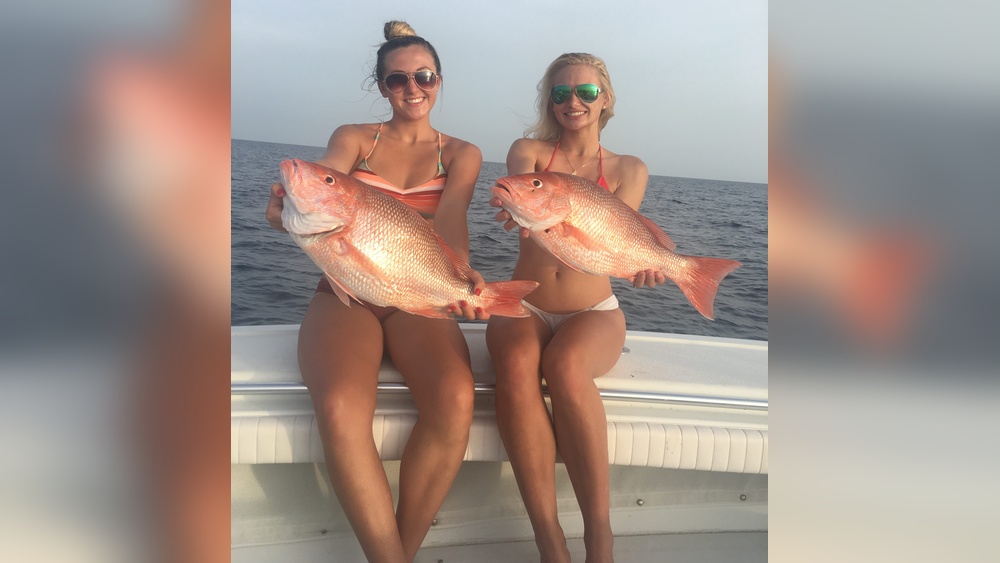
Offshore fishing is a world of adventure, challenge, and skill. For many, the call of the open sea is impossible to ignore. The thrill of chasing large, powerful fish miles away from the shore is something that hooks both beginners and experts.
Offshore fishing is not only a sport but also a test of patience, knowledge, and technique. If you have ever wondered what offshore fishing is, what makes it different from other types of fishing, or how to get started, you are in the right place.
This guide covers everything about offshore fishing, from what it means, how it works, what equipment you need, and what species you might catch, to expert tips and hidden details beginners often miss. You will find facts, comparisons, and answers to common questions, all explained in clear, simple language.
Whether you are planning your first trip or just want to learn, this article will help you understand the full picture of offshore fishing.
What Is Offshore Fishing?
Offshore fishing, sometimes called deep sea fishing, means fishing far away from land, usually in waters deeper than 30 meters (about 100 feet). Unlike fishing near the shore (inshore fishing), offshore fishing happens in the open ocean, often 15 miles or more from the coast. This type of fishing targets large, strong fish that live in deeper and wider waters.
People choose offshore fishing for many reasons. Some want the challenge of catching big fish like marlin, tuna, or swordfish. Others enjoy the peace and beauty of the open sea. Offshore fishing can be done for sport, for fun, or even as a way to bring food home.
Offshore fishing is different from inshore or freshwater fishing in several ways:
- Distance from shore: Offshore means much farther out, often beyond sight of land.
- Water depth: Fishing in much deeper waters.
- Target species: Larger and more powerful fish.
- Boats and gear: Bigger boats and stronger equipment.
How Offshore Fishing Works
Offshore fishing is a process that takes planning, preparation, and skill. Here’s how a typical trip works:
- Planning: Weather and sea conditions are checked carefully. Offshore trips can be dangerous if the weather is rough.
- Travel: Boats travel several miles out to sea, sometimes taking an hour or more just to reach the fishing spot.
- Finding Fish: Fish-finders, sonar, and GPS are used to locate places where fish are likely to be found, such as reefs, wrecks, or drop-offs.
- Fishing Methods: Different methods are used, including trolling, bottom fishing, jigging, and live bait fishing.
- Catching and Handling Fish: Large fish are fought and brought on board with care, using special gear.
- Returning: After fishing, the trip back can take just as long as the journey out.
Every step has its own challenges. Offshore fishing is not just about dropping a line in the water; it’s about reading the sea, using technology, and working as a team.
Key Differences: Offshore Vs. Inshore Fishing
To truly understand offshore fishing, it helps to compare it to inshore fishing. Here’s a side-by-side look:
| Feature | Offshore Fishing | Inshore Fishing |
|---|---|---|
| Distance from Shore | Usually 15+ miles | Within a few miles |
| Water Depth | 100 feet or more | Usually under 30 feet |
| Fish Size | Larger species | Smaller species |
| Boat Size | Large, powerful boats | Small to medium boats |
| Trip Length | Half-day to multi-day | Few hours to half-day |
| Equipment | Heavy-duty rods, reels | Lighter tackle |
This comparison shows that offshore fishing is more demanding in terms of equipment, skill, and preparation. It also offers the chance to catch much bigger and rarer fish.
Common Species Caught In Offshore Fishing
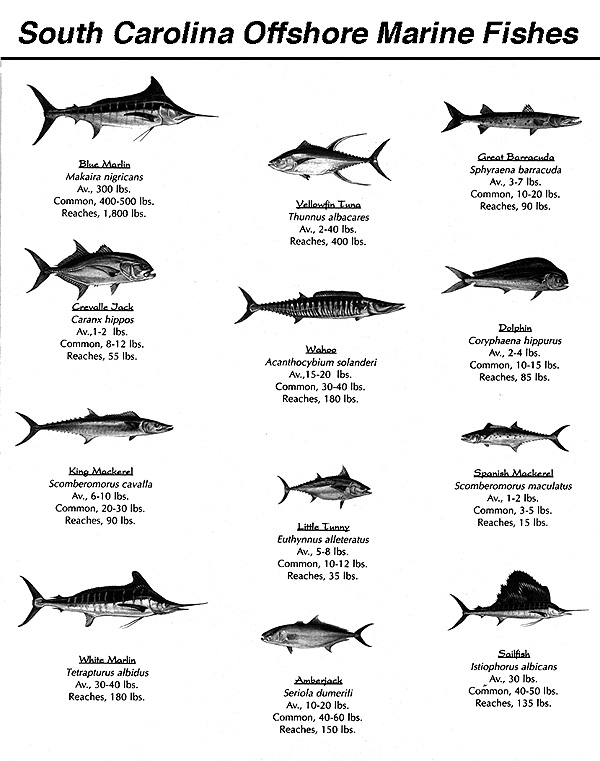
One of the main reasons people love offshore fishing is the chance to catch big, powerful fish. Here are some of the most popular species:
- Marlin: Known for their size and strength, marlins are a true trophy catch.
- Tuna: Yellowfin and bluefin tuna are fast, strong, and highly prized.
- Swordfish: These deep-sea hunters are tough to catch and fight hard.
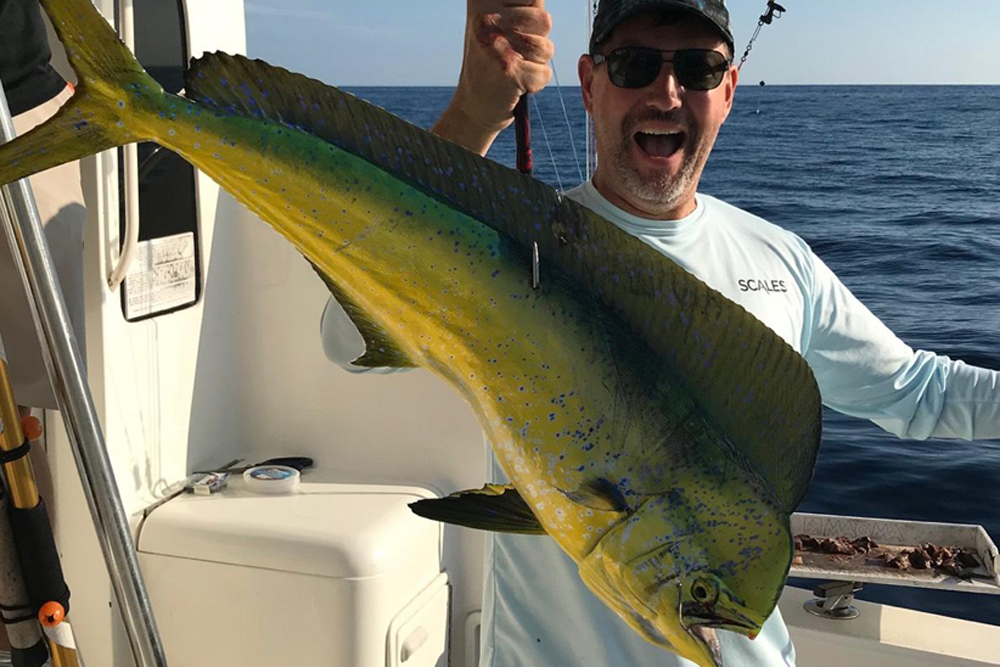
- Mahi-mahi (Dorado): Brightly colored and fast, mahi-mahi are popular for sport and food.
- Wahoo: Famous for their speed and sharp teeth.
- Sailfish: Known for their jumping and fast runs.
- Snapper and Grouper: Often found around reefs and wrecks.
- Amberjack: Strong fighters that test your skill and gear.
Some of these fish can weigh hundreds of pounds. Catching them takes patience, strength, and the right tools.
Credit: www.fishtalkmag.com
Essential Offshore Fishing Gear
Offshore fishing requires special equipment. Using the wrong gear can make the trip difficult or even dangerous. Here’s what you need:
Boat
A safe, seaworthy boat is the most important part of offshore fishing. These boats are usually:
- 25 to 60 feet long
- Equipped with strong engines
- Outfitted with GPS, radios, and safety equipment
Rods And Reels
Offshore rods and reels are heavier and stronger than those used inshore. Features include:
- High line capacity
- Strong drag systems
- Corrosion resistance
Tackle
You’ll need:
- Heavy-duty fishing line (50-130 lb test)
- Steel leaders for sharp-toothed fish
- Large hooks and lures
Safety Gear
Never skip safety. Every offshore boat should have:
- Life jackets
- Flares
- First aid kits
- Emergency beacons (EPIRB)
- Fire extinguishers
Electronics
Modern offshore fishing relies on technology:
- GPS for navigation
- Sonar for finding fish and structure
- Radios for communication
Bait And Lures
Both live bait (squid, sardines, mackerel) and artificial lures are used. The choice depends on the target species.
Other Essentials
- Gaffs or nets to land large fish
- Coolers with ice for keeping fish fresh
- Sun protection (hats, sunscreen, sunglasses)
- Food and water for long trips
Many beginners forget to bring enough water and sun protection. The open sea can be much hotter and more dehydrating than expected.
Offshore Fishing Techniques
There are several ways to fish offshore, each with its own strengths. The technique you use depends on the fish you want and the conditions.
1. Trolling
This means pulling lures or bait behind a moving boat. Trolling covers a lot of water and is great for species like tuna, marlin, and mahi-mahi. The motion and speed attract fast, hunting fish.
2. Bottom Fishing
This technique targets fish that live near the ocean floor, like snapper and grouper. Weighted lines with bait are dropped to the bottom and checked regularly.
3. Jigging
Jigging uses heavy lures that are lifted and dropped quickly to attract fish. It works well for species like amberjack and some tuna.
4. Live Bait Fishing
Using live fish as bait can be very effective, especially for larger predators. Live bait is usually hooked through the nose or back and allowed to swim naturally.
5. Deep Dropping
This technique uses electric reels and heavy weights to drop bait to great depths, sometimes over 1,000 feet. It targets deep-water species like swordfish.
Each method requires different gear and skills. Beginners often start with trolling, as it’s easier to cover ground and increases the chance of a bite.

Credit: www.anker.com
Planning An Offshore Fishing Trip
A successful offshore trip takes careful planning. Here’s what you need to consider:
Weather And Sea Conditions
Bad weather can turn an offshore trip dangerous. Always check marine forecasts and be ready to cancel if conditions look risky.
Permits And Regulations
Many countries and states require fishing licenses or permits for offshore fishing. There are also rules about size and limits for each species. Fines for breaking the law can be heavy.
Choosing A Spot
Fish are not everywhere. Productive areas include:
- Offshore reefs and wrecks
- Oil rigs
- Drop-offs and ledges
- Current lines and temperature breaks
Experienced captains use charts, sonar, and local knowledge to pick the best spots.
Crew And Teamwork
Offshore fishing is rarely a solo activity. Handling big fish and boats takes teamwork. Make sure everyone knows their job, especially in emergencies.
Chartering Vs. Private Boats
Newcomers often book a charter boat with a professional captain and crew. This is safer and easier if you lack experience or don’t own a suitable boat.
| Factor | Charter Boat | Private Boat |
|---|---|---|
| Experience Needed | None | High |
| Cost | Pay per trip | Pay for boat, gear, fuel |
| Safety | Professional crew | Responsible for self |
| Customization | Limited | Full control |
Charters are a good way to learn before investing in your own boat and equipment.
Safety In Offshore Fishing
Safety is more important offshore than anywhere else. The open ocean is unpredictable, and help can be far away. Here are the main safety tips:
- Wear life jackets at all times.
- Check weather forecasts before you go.
- Carry a marine radio and know how to use it.
- Tell someone on land about your trip and expected return time.
- Bring extra fuel and food in case of delays.
- Know basic first aid and how to handle emergencies.
Many beginners overlook small problems, like getting sunburned or seasick, which can ruin a trip. Even experienced anglers sometimes forget to check fuel levels or test safety gear before leaving.
One non-obvious insight: Modern technology, like satellite messengers, can save lives, but they require training and regular testing.
Credit: www.dnr.sc.gov
Offshore Fishing Costs
Offshore fishing is exciting, but it can be expensive. Here’s a breakdown of the main costs:
Boat And Equipment
- Boat purchase: $30,000 to $500,000 for a suitable vessel
- Rods, reels, tackle: $1,000 to $5,000 for a full setup
- Electronics (GPS, sonar): $2,000 to $10,000
Trip Costs
- Fuel: $200 to $1,000 per trip, depending on distance and boat size
- Bait and ice: $50 to $200 per trip
- Permits and licenses: $20 to $200 per year
Charter Trips
- Half-day charter: $600 to $1,200
- Full-day charter: $1,200 to $2,500 or more
These costs add up quickly, especially for regular anglers. Many beginners don’t realize how much fuel and maintenance large boats require.
One practical tip: Joining a fishing club or group can help share costs and make trips more affordable.
Environmental Impact And Sustainable Practices
Offshore fishing can affect the environment if not done responsibly. Overfishing and pollution are real risks. To protect the ocean, follow these best practices:
- Respect catch limits and size rules.
- Release non-target or protected species quickly and carefully.
- Use circle hooks to reduce injury to fish.
- Don’t throw trash or fishing line overboard.
- Support sustainable fisheries and eco-friendly charters.
Some areas are closed to fishing to let fish populations recover. Check local rules before each trip.
For more on sustainable fishing, see the guidelines from the National Oceanic and Atmospheric Administration.
Tips For Beginners
Starting offshore fishing can feel overwhelming. Here are some simple tips to help you succeed:
- Go with experienced anglers first. Learn from their skills and mistakes.
- Start with a charter trip. This is safer and gives you a taste of what’s involved.
- Invest in quality safety gear. Never cut corners here.
- Learn how to read weather and sea conditions.
- Prepare for seasickness. Bring medicine, even if you think you won’t need it.
- Practice knot-tying and handling big fish at home.
- Pack extra food, water, and sun protection.
- Study your target species. Know their habits, seasons, and regulations.
Beginners often forget to check if their equipment is saltwater-rated. Freshwater gear rusts quickly at sea.
The Unique Thrill Of Offshore Fishing
What draws so many people to offshore fishing? It’s more than just the chance to catch a big fish. Offshore fishing is about adventure, freedom, and the unknown. Every trip is different. You may see dolphins, whales, or birds you’ve never seen before.
The ocean can be calm one minute and wild the next.
Catching a fish that weighs more than you do is a test of skill and strength. Working as a team to land a giant tuna or marlin creates memories that last a lifetime. Even when you don’t catch anything, the beauty of the open sea and the sense of challenge make the trip worth it.
Frequently Asked Questions
What Is The Main Difference Between Offshore And Deep Sea Fishing?
The terms are often used interchangeably. Both mean fishing far from shore in deep water. However, some people use “deep sea fishing” to mean fishing at even greater depths, often using special electric reels for species like swordfish.
Do I Need A Special License For Offshore Fishing?
Yes, most countries require a separate license or permit for offshore fishing. Rules vary by location and species. Check with local authorities before you go.
Is Offshore Fishing Dangerous?
It can be if you are not prepared. Risks include bad weather, rough seas, and accidents with big fish or heavy gear. Proper training, equipment, and planning make it much safer.
What Time Of Year Is Best For Offshore Fishing?
The best season depends on the target species and location. In many places, summer and fall offer the best weather and fishing. Some fish, like tuna or marlin, have peak seasons that vary by region.
How Far Out Do You Have To Go For Offshore Fishing?
Most offshore trips start at least 15 miles from shore, but some go 50 miles or more. The distance depends on water depth, the species you want, and local geography.
Offshore fishing offers a unique mix of excitement, challenge, and reward. With the right knowledge and preparation, it can be one of the most memorable outdoor adventures you’ll ever experience. Whether you dream of catching a record-breaking marlin or simply want to explore the open sea, offshore fishing welcomes you to a world where the possibilities are as endless as the ocean itself.