
A day on the water can be one of life’s greatest pleasures. Whether you enjoy fishing for relaxation, sport, or a bit of both, having the right accessories on your fishing boat can make the whole experience smoother, safer, and much more enjoyable.
Many new boat owners focus on rods, reels, and bait, but often forget about the must-have accessories that can truly transform a fishing trip. If you want to get the most out of your time on the water, it’s important to equip your boat with gear that boosts comfort, safety, and your chances of success.
Some accessories are about convenience. Others are about safety or legal compliance. Some help you find more fish, while others make sure you can enjoy your catch at the end of the day. The right mix of accessories can mean the difference between a frustrating outing and a memorable adventure.
Let’s take a deep dive into the most important fishing boat accessories every angler should consider.
Safety Essentials You Should Never Skip
Safety always comes first, no matter how experienced you are. The water can be unpredictable, and it’s better to be prepared for any situation.
Life Jackets And Personal Flotation Devices (pfds)
Every person on your boat should have a properly fitting life jacket or PFD. This is not just a smart idea—it’s the law in many places. Modern PFDs are light, comfortable, and come in a range of designs. Some are so slim you hardly notice them. There are even inflatable models that only expand if you hit the water. Make sure each jacket fits the intended wearer. Children and pets need their own sizes too.
First Aid Kit
Accidents can happen, from small cuts to fish hook injuries. A marine-grade first aid kit is essential. Look for one that resists water, has a wide range of supplies, and is easy to spot in an emergency. The best kits include antiseptic, bandages, scissors, tweezers, painkillers, and seasickness tablets. Check your kit regularly and replace items as needed.
Fire Extinguisher
Most fishing boats with enclosed fuel or engine areas are required by law to have a fire extinguisher on board. Even if it’s not required, it’s wise to carry one. Fires can spread quickly on a boat. Choose an extinguisher approved for marine use, and mount it somewhere you can grab it fast.
Throwable Flotation Device
Besides wearable PFDs, a throwable flotation device (such as a ring buoy or cushion) is crucial. It can help save someone who falls overboard. Store it in an easy-to-reach spot.
Visual And Sound Signaling Devices
You should have ways to signal for help if needed. Flares, signal mirrors, waterproof flashlights, and whistles or air horns are standard choices. Some countries also require a bell or other sound-producing device. Test your signaling gear often, and replace batteries and flares before they expire.
Navigation And Location Tools
Finding your way and keeping track of where you are is key, especially if you fish in new waters or travel far from shore.
Gps/fishfinder Combo Units
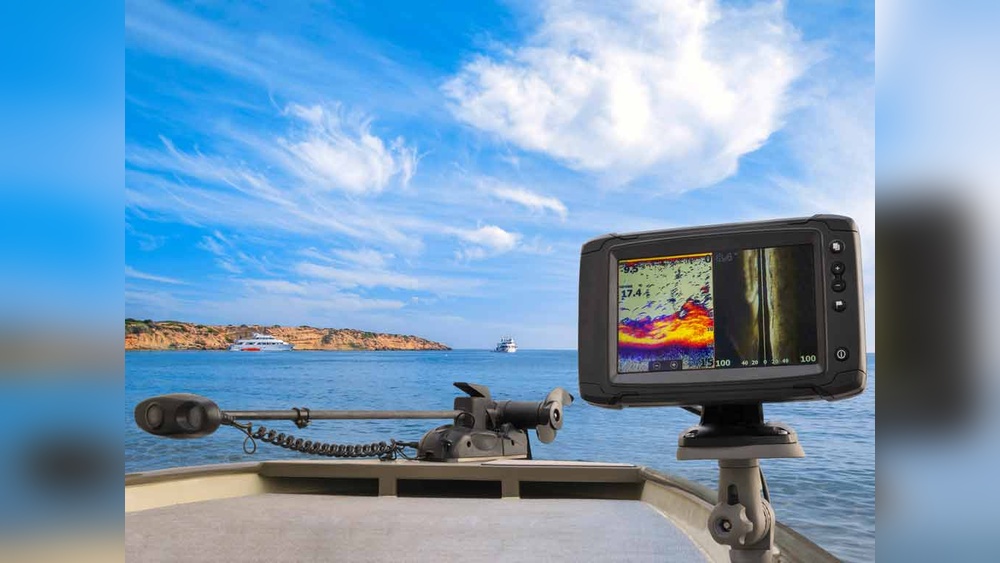
A modern GPS/fishfinder combo does double duty. It helps you navigate safely and find the best fishing spots. GPS lets you mark hot locations, track your route, and avoid hazards. The fishfinder shows what’s happening under the boat—depth, structures, and even schools of fish. Many new units have color screens, mapping, and even smartphone connectivity.
Marine Compass
Electronics can fail, so a magnetic compass is a simple backup. Even in this digital age, it’s smart to know your direction if your GPS or phone battery dies. Mount the compass in a spot visible from the helm.
Marine Charts And Maps
Paper charts never run out of power. They show water depths, obstacles, and points of interest. Get charts for the areas you fish most. Waterproof versions last longer and can be marked with your own notes.
Vhf Radio
A VHF marine radio is much more reliable than a cell phone on the water. It’s used to call for help, talk to other boats, and get weather updates. Fixed-mount units have more power and range, but portable handheld models are a good backup. Learn the basic VHF channels and procedures.
Navigation Lights
If you plan to be out at dawn, dusk, or night, working navigation lights are essential. These help other boats see you and avoid accidents. LED lights use less power and last longer than old bulbs.
Comfort And Convenience Gear
Fishing should be fun and relaxing. The right accessories can keep you comfortable and help you focus on your catch.
Bimini Top Or Canopy
Sun and sudden rain can ruin a trip. A bimini top or canopy gives you shade and shelter. These tops can be folded away when not needed. Choose one that fits your boat size and offers UV protection.
Cooler Or Livewell
You’ll need a way to keep your catch fresh. A good cooler with ice is a must for most anglers. For those who practice catch-and-release or want live bait, a livewell with fresh water circulation keeps fish healthy. Some boats come with built-in livewells, but portable models are also available.
Comfortable Seating
Basic seats can get uncomfortable after a few hours. Upgrading to swivel fishing seats, padded benches, or folding chairs can make a big difference. Look for seats that resist water and mildew.
Storage Solutions
Fishing comes with lots of gear. Use tackle boxes, waterproof bags, and under-seat storage to keep things tidy. Rod holders and racks prevent tangles and damage. Some boats also have lockable storage for valuables.
Drink And Rod Holders
It may sound minor, but rod holders free up your hands when trolling or changing bait. Drink holders stop spills and keep your water or coffee handy. There are adjustable and clamp-on models for almost any boat.
Anchor And Anchor Line
Drifting can ruin your fishing spot. A reliable anchor with enough line (rope or chain) lets you stay put, even in wind or current. Consider the bottom type (mud, sand, rock) and size of your boat when choosing an anchor.
Fishing-specific Accessories
These items help you catch more fish and enjoy the process.
Tackle Organizer
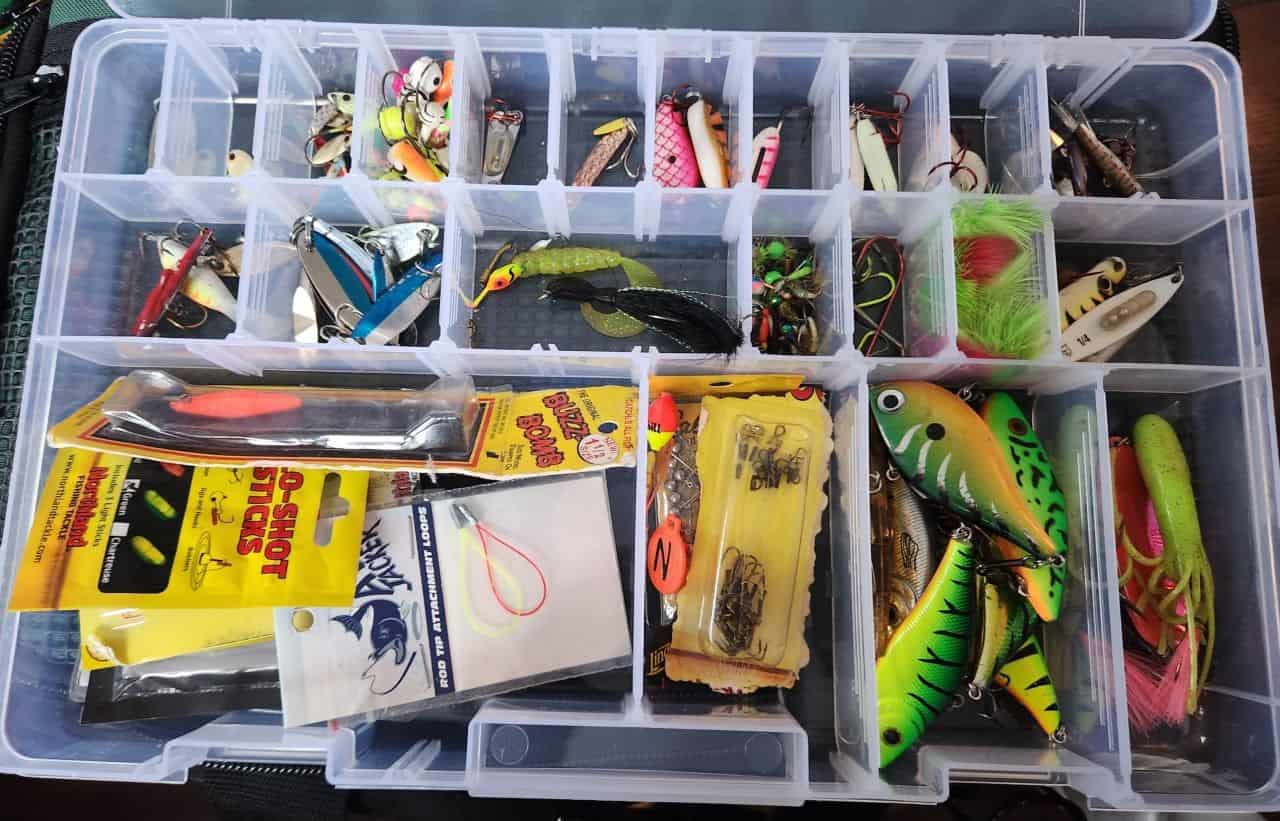
A messy tackle box wastes time. A tackle organizer with adjustable dividers keeps lures, hooks, sinkers, and lines sorted. Some organizers are waterproof and float—helpful if they go overboard.
Landing Net
A landing net makes it much easier to bring fish into the boat, especially larger or slippery ones. Choose a net with a rubber or coated mesh to protect the fish’s scales and reduce tangles.
Measuring Devices
Many places have size limits for keeping fish. A simple measuring board or ruler helps you stay legal. Some also include a weight scale, which is great for bragging rights.
Fish Gripper And Pliers
Handling fish with bare hands can be tricky and dangerous. A fish gripper keeps your fingers safe from sharp teeth and spines. Fishing pliers help remove hooks and cut line. Stainless steel versions resist rust.
Cutting Board And Knife
A cutting board with a non-slip surface and a sharp fillet knife are key for cleaning your catch. Some boards attach to the boat railing for convenience.
Bait Station
A bait station or prep table keeps live or cut bait ready to use. Many have storage for tools and knives, making the process smoother and cleaner.

Credit: www.nauticalventures.com
Weather And Environmental Protection
Weather can change fast on the water. Prepare for sun, wind, and sudden storms.
Waterproof Clothing And Footwear
A sudden rainstorm or splash can leave you wet and cold. Waterproof jackets, pants, and non-slip boots keep you dry and safe. Look for gear that breathes so you don’t overheat.
Sunscreen And Sun Protection
The sun’s reflection off water can cause burns even on cloudy days. Waterproof sunscreen, sunglasses with UV protection, and a wide-brimmed hat are essential.
Bug Repellent
Mosquitoes and biting flies can ruin a peaceful trip. Bring insect repellent—choose one that is water-resistant and safe for use around food and fish.
Rain Gear
Pack a rain suit or poncho in case of unexpected showers. Lightweight, packable gear is best for boats with limited space.
Power And Maintenance Accessories
Boats need regular care and a steady power supply for electronics and lights.
Marine Battery And Charger
A deep-cycle marine battery runs your electronics, lights, and other gear. A smart charger keeps the battery healthy between trips. Always check your battery before heading out—nothing ends a trip faster than a dead battery.
Bilge Pump
A bilge pump removes unwanted water from your boat. Automatic pumps with float switches turn on when water rises. Manual pumps are good as a backup.
Tool Kit
A small marine tool kit with pliers, wrenches, screwdrivers, and spare parts can fix many problems. Include duct tape, electrical tape, and extra fuses.
Spare Propeller And Parts
Hitting rocks or debris can damage your propeller. Having a spare and the tools to change it can save your day. Carry extra nuts, cotter pins, and a prop wrench.
Cleaning Supplies
Saltwater, fish slime, and mud can make your boat messy. Bring boat soap, sponges, and scrub brushes for easy cleaning. A clean boat lasts longer and is more pleasant for everyone.
Technology Upgrades For Modern Anglers
Today’s fishing boats can be high-tech. The right gadgets offer more comfort and help you find more fish.
Action Camera Or Gopro
Capture your best catches on video with a waterproof action camera. Mount it on the boat or your hat for hands-free recording.
Wireless Trolling Motor
A wireless trolling motor lets you move quietly and precisely. Many models have remote controls or even GPS anchoring. This technology can help you stay on the fish without scaring them away.
Smartphone Mount And Waterproof Case
Most people bring their phones for photos, maps, and emergencies. A waterproof phone case and a sturdy mount keep your phone protected and usable. Some cases even float.
Bluetooth Speakers
Enjoy your favorite music or radio with marine-grade Bluetooth speakers. Make sure they’re waterproof and have a good battery life.
Portable Power Bank
Keep your electronics charged with a portable power bank. Choose one with enough capacity to recharge your phone, camera, or fishfinder.
Comparison: Traditional Vs. Modern Accessories
To help you see how technology has changed fishing boat accessories, here’s a comparison:
| Accessory | Traditional Option | Modern Upgrade |
|---|---|---|
| Navigation | Paper Charts | GPS/Fishfinder Combo |
| Catch Storage | Basic Cooler | Insulated, Divided Cooler/Livewell |
| Power | Manual Bilge Pump | Automatic Bilge Pump |
| Entertainment | AM/FM Radio | Bluetooth Speaker |
| Anchor | Manual Rope | Electric Anchor Winch |
Factors To Consider When Choosing Accessories
Not every accessory fits every boat or fishing style. Consider the following before buying:
- Boat size and type: Accessories for a small kayak differ from those for a large offshore boat.
- Fishing environment: Saltwater, freshwater, and river fishing have different needs.
- Frequency of use: Invest more in high-quality, durable gear if you fish often.
- Storage space: Choose compact, multi-use accessories for smaller boats.
- Budget: Some accessories are worth spending more on, like safety gear and electronics.
Common Mistakes When Outfitting Your Boat
Even experienced anglers make these errors:
- Overloading the boat: Too much gear can make your boat unsafe or uncomfortable.
- Ignoring local regulations: Some places require certain safety gear or ban certain accessories.
- Skipping maintenance items: Forgetting spare parts or basic tools can end your trip early.
- Choosing the wrong size gear: For example, an anchor that’s too small won’t hold your boat.
- Not testing electronics: Always check batteries and connections before you go out.
Practical Examples: Accessory Setups For Different Anglers
Let’s look at how three different types of anglers might outfit their boats:
| Angler Type | Key Accessories | Why They Matter |
|---|---|---|
| Weekend Casual Angler | Life Jackets, Cooler, Rod Holders, Bimini Top | Basic comfort and safety for relaxed outings |
| Serious Sport Fisher | GPS/Fishfinder, Livewell, Tackle Organizer, Wireless Trolling Motor | Maximizes catch and efficiency |
| Family Group | Extra PFDs, Sun Protection, First Aid Kit, Drink Holders, Bug Repellent | Keeps everyone safe and happy, especially kids |
Two Beginner Mistakes Most People Overlook
Many new boaters assume that more accessories always mean a better trip. But, overloading your boat can cause clutter, slow you down, and even become a safety risk. It’s smarter to select only what you truly need and keep things organized.
Another common oversight: not learning how to use new gear before heading out. For example, a high-end GPS or fishfinder is useless if you don’t know how to set waypoints or read the screen. Practice at home or dock before relying on new technology in the wild.
Credit: jordanianschoolqatar.com
Essential Maintenance Tips For Boat Accessories
To make your investments last, follow these practices:
- Rinse gear after each trip, especially after saltwater use, to prevent corrosion.
- Store electronics and tools dry to avoid water damage.
- Charge batteries fully before storing your boat.
- Check expiration dates on first aid kits, flares, and fire extinguishers.
Simple habits can add years to your gear’s life and keep you ready for the next adventure.
Where To Learn More
For detailed laws and safety tips in your area, visit the U.S. Coast Guard Boating Safety site. This resource covers everything from legal requirements to advanced safety advice.

Credit: www.nauticalventures.com
Frequently Asked Questions
What Is The Most Important Fishing Boat Accessory?
Life jackets or PFDs are the most important. They can save lives in emergencies. Always have one for each person on board and make sure they fit correctly.
How Do I Choose The Right Anchor For My Boat?
Choose an anchor based on your boat size and the type of bottom you’ll anchor on (mud, sand, rock). A heavier anchor works better for larger boats and rougher waters. Make sure you have enough anchor line—usually 7–10 times the water depth.
Are Fishfinders Worth The Investment?
For most anglers, a fishfinder is a good investment. It helps you locate fish, underwater structures, and track depth. Today’s combo units also include GPS, making navigation safer and easier.
How Do I Keep My Catch Fresh On The Boat?
Use an insulated cooler with ice or a livewell with good water circulation. Clean and cool your fish as soon as possible for the best taste and quality.
What Should I Do If My Boat’s Electronics Stop Working?
First, check the battery and connections. Carry spare fuses and a basic tool kit. If you lose GPS or VHF radio, use a magnetic compass and paper charts as backup. Practice these skills before you need them.
Equipping your fishing boat with the right accessories turns every outing into a better, safer, and more successful adventure. Make smart choices, stay organized, and always put safety first. With a well-outfitted boat, the only thing left to worry about is how big your next catch will be.